Steven Dickens of HyperFRAME Research joins Paul Nashawaty of theCUBE Research to analyze SUSE's keynote from SUSECON 2026. Dickens highlights SUSE's strategic direction and they examine the SUSE roadmap for Rancher and SUSE Linux Enterprise, the NVIDIA partnership, cloud-based monetization, virtualization modernization, workload portability, implications for artificial intelligence and the growing regulatory focus on digital sovereignty.
Key takeaways include SUSE's emphasis on optionality and multi-cloud orchestration. Dickens explains how the SUSE roadmap and Rancher harmonize virtual machines, containers and bare metal. Nashawaty and theCUBE Research underscore portability, compliance and sovereignty as primary drivers shaping workload placement and AI deployment. Recommended actions include prioritizing portable architectures, planning for sovereignty-driven placement, investing in automation and addressing the skills gap through generalist platform capabilities.
Forgot Password
Almost there!
We just sent you a verification email. Please verify your account to gain access to
SUSECON 2026. If you don’t think you received an email check your
spam folder.
In order to sign in, enter the email address you used to registered for the event. Once completed, you will receive an email with a verification link. Open the link to automatically sign into the site.
Register for Susecon 2026
Please fill out the information below. You will receive an email with a verification link confirming your registration. Click the link to automatically sign into the site.
You’re almost there!
We just sent you a verification email. Please click the verification button in the email. Once your email address is verified, you will have full access to all event content for Susecon 2026.
I want my badge and interests to be visible to all attendees.
Checking this box will display your presense on the attendees list, view your profile and allow other attendees to contact you via 1-1 chat. Read the Privacy Policy. At any time, you can choose to disable this preference.
Select your Interests!
add
Upload your photo
Uploading..
OR
Connect via Twitter
Connect via Linkedin
EDIT PASSWORD
Share
Forgot Password
Almost there!
We just sent you a verification email. Please verify your account to gain access to
SUSECON 2026. If you don’t think you received an email check your
spam folder.
In order to sign in, enter the email address you used to registered for the event. Once completed, you will receive an email with a verification link. Open the link to automatically sign into the site.
Sign in to gain access to SUSECON 2026
Please sign in with LinkedIn to continue to SUSECON 2026. Signing in with LinkedIn ensures a professional environment.
Are you sure you want to remove access rights for this user?
Details
Manage Access
email address
Community Invitation
Keynote Analysis with Steven Dickens, HyperFRAME Research
Steven Dickens of HyperFRAME Research joins Paul Nashawaty of theCUBE Research to analyze SUSE's keynote from SUSECON 2026. Dickens highlights SUSE's strategic direction and they examine the SUSE roadmap for Rancher and SUSE Linux Enterprise, the NVIDIA partnership, cloud-based monetization, virtualization modernization, workload portability, implications for artificial intelligence and the growing regulatory focus on digital sovereignty.
Key takeaways include SUSE's emphasis on optionality and multi-cloud orchestration. Dickens explains how the SUSE roadmap and Rancher harmonize virtual machines, containers and bare metal. Nashawaty and theCUBE Research underscore portability, compliance and sovereignty as primary drivers shaping workload placement and AI deployment. Recommended actions include prioritizing portable architectures, planning for sovereignty-driven placement, investing in automation and addressing the skills gap through generalist platform capabilities.
Keynote Analysis with Steven Dickens, HyperFRAME Research
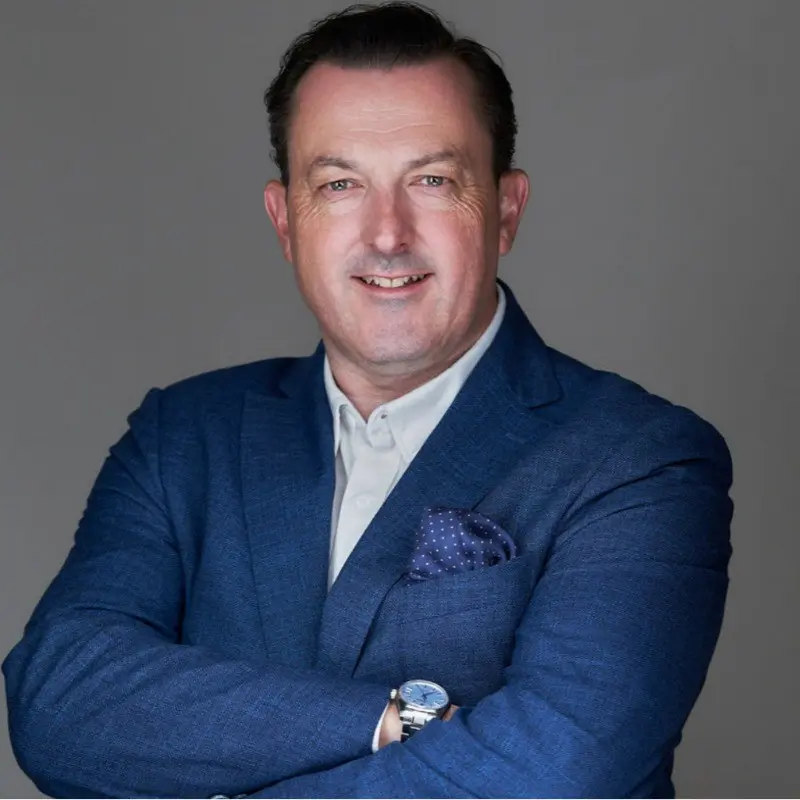
Steven Dickens
CEOHyperFRAME Research
In this interview from SUSECON 2026 in Prague, Steven Dickens, chief executive officer of HyperFRAME Research, joins theCUBE's Paul Nashawaty for a keynote analysis examining how open-source infrastructure, digital sovereignty and AI-ready platforms are reshaping enterprise computing strategy. Dickens describes SUSE as well-positioned to capitalize on a market moving in its direction, with a strong roadmap built around Rancher Prime and SUSE Linux Enterprise. He points to cloud portability as the defining enterprise priority — research cited in the conversati...Read more
exploreKeep Exploring
What are your initial thoughts on SUSE's direction and the topics discussed (Rancher, SUSE Linux Enterprise, AI partnerships, cloud portability, virtualization, and database portability)?add
What are your views on virtualization modernization — specifically the roles of virtual machines versus containers, the need to bridge heritage and new environments (including bare metal and cloud), and how much application refactoring is typically required during migrations?add
What is your view on the keynote's cloud-based partnership announcement and how it will affect application migrations, modernization (including the typical 10–25% refactoring), and infrastructure choices as AI drives new application demand?add
How does SUSE's relationship with NVIDIA affect customer choice in AI infrastructure, and are customers shifting from a cloud-first to a control-first approach?add
Keynote Analysis with Steven Dickens, HyperFRAME Research
search
Paul Nashawaty
>> Hello. Coming to you live from SUSECON 2026. My name is Paul Nashawaty and we're here at the show floor coming right off the keynote. I'm here with Steven Dickens from HyperFRAME. Steven, how are you doing?
Steven Dickens
>> Hey, Paul. Thanks for having me on the show.
Paul Nashawaty
>> Yeah, great to have you on. There's a lot talking about here at the keynote. We talked about shape and resiliency with the future of choice. Choice happens, that's the big thing. Virtualization monetization. We see SUSECON with virtualization and cloud-based. And we also saw data, of course, digital sovereignty was a big area.
Steven Dickens
>> That's huge.
Paul Nashawaty
>> And then we have to land with, we can't help but say AI.
Steven Dickens
>> It's 2026. After all, we have to talk about AI. It's obligatory.
Paul Nashawaty
>> Absolutely. Let's jump right in. What was your first thoughts on some of these topics?
Steven Dickens
>> So I think the company's on a fantastic trajectory. I think where I see SUSE going is they've got a strong roadmap. I love what they're doing with Rancher, what they're doing with the course, SUSE Linux Enterprise. Some of the announcements you touched on there around AI, the partnerships with NVIDIA and cloud base, but also the market's coming towards them. You look at what they're doing with virtualization. Obviously that market's being disrupted and people are making strategic decisions. I think SUSE's really well placed to take advantage of that. So strong roadmap for the company, but also the market coming towards them. So, overall positive.
Paul Nashawaty
>> Yeah, absolutely. So let's break down some of the key points. I think the show floor was really busy. Lots of traffic. The attendance during the keynote was really busy. Obviously, people are interested in the topics. When we're looking at the resiliency, let's start with the choice piece. When we look at that, portability is a key factor here. We see that HADR is a big factor. We see that cloud portability, in our research, that cloud portability is number one database strategic priority for enterprises over the next 24 months. We also see that portability, 20% of respondents in our 2025 research indicated that it's critical for their applications to be portable. So what's your take on that? Because SUSE having that portability across multiple hyperscalers of data sovereignty, there's a lot to be said there.
Steven Dickens
>> So I think customers, as we look at 2026, people are looking for optionality. We're in Europe or in Prague. You mentioned sovereignty is huge. That's key. So that is, I want multiple clouds. We've got the Digital Operational Resilience Act in Europe. So that's driving a multi-cloud strategy. And that's driving people to really sort of think about workload placement, not just whether it's a container or a virtual machine, but where am I going to run that infrastructure? So I think SUSE, with its multi-cloud strategy, both on premises and off, and then a multi-cloud strategy and you talked about database portability. I think people are looking at maybe that database is running on bare metal, maybe it's running in a virtual machine. Should it be running in a container? I really want that orchestration layer to be the same regardless. And SUSE's got a fantastic story for that.
Paul Nashawaty
>> Yeah, I think that's right. I think with Rancher, Rancher Prime, I think that that helps harmonize those. We see that 65% of organizations are using four or more clouds. So that just in itself, it's really hard to get somebody to manage that. We also see that 67% of organizations are hiring generalists over specialists. So using something like SUSE and Rancher to kind of harmonize this allows for the frictionless approach.
Steven Dickens
>> 100%. 100%. I think people have gone past, is it a virtual machine environment? Is it a container environment? Is it a bare metal environment? And then you layer those three different hardware and infrastructure choices over a multi-cloud strategy, too much complexity to manage if you've got a different tool or a different environment for each.
Paul Nashawaty
>> Yeah, absolutely, Steven. And you talk about virtualization modernization. In our day zero research, we found that over half of the enterprises we surveyed, their workloads were containerized. We said VMs remain to be essential. And now this is important because I believe VMs are going to be going kind of the way of mainframes, so to speak. And if you think about it, mainframes are not going away. They're here to stay. VMs are going to be here to stay. And refactoring is just sometimes the juice is worth the squeeze, right? So basically bridging the gap between heritage environments and new environments, that's where I think SUSE has that harmonized view across the VMs and container workloads.
Steven Dickens
>> I think you hit it there. I never described these previous environments as legacy environments. The words you used is heritage. I'm on board with that. I think what we do is, as an industry we chase the new shiny objects. What we forget is that we layer on top. A lot of these environments don't go away. So I think virtual machines are going to be key. I mentioned bare metal, that's also going to be part of the equation. So for me, I think it's how do you have that infrastructure that supports all of those options and provides that optionality, whether that's on premises or in the cloud?
Paul Nashawaty
>> Yeah. And according to our research we find that most migrations demand 10 to 25% application refactoring. So there will be that kind of refactoring going on, but not for everything. So I think you're right. So let's talk about cloud based. This was one of the key announcements that came out. The partnership with cloud based solutions, it really helps with the monetization approach. We see that the migration risk, because we were just talking about a lot of this, that's really where cloud based, at least what I was getting from the keynote, what was your take on that?
Steven Dickens
>> Yeah, exactly the same. I think people, as you mentioned, the refactoring, the modernization story, a lot of people are making those decisions. We're going to see an explosion of AI applications.
Paul Nashawaty
>> Sure.
Steven Dickens
>> We're still really, really early days. So if you've got 1,000 applications today, that number's going to be different three years from now. The mix of those applications are going to be different. They're going to be new applications coming on board for AI. So I think a lot of enterprise architects and senior leaders are looking at that going, "What is that infrastructure choice? And how do I move and sort of modernize this base of applications that I've got today and move it forward?" AI is going to be a key driver in that. And I think the cloud-based sort of announcement that the guys made on the stage today is going to be huge as people think about their SUSE install base and go, "What am I doing? How am I going to accommodate for this new AI explosion of application?"
Paul Nashawaty
>> Absolutely. And I think there's a couple of things they have to unpack here. One is skill gap is an issue, right?
Steven Dickens
>> Huge.
Paul Nashawaty
>> Skill gap definitely an issue.That's a barrier. It's number one barrier-
Steven Dickens
>> The generalist point that you made, I think we're moving away from people being experts in particular tools and people needing to understand infrastructure and some of those choices. So you're going to ... Previously you would have a network team, a storage team, a compute team, an app team. Those lines are blurring. We're seeing that with SRE and platform engineering. Those are key themes we've picked up this week already as well. So I think you put all that in the mix and that move to a generalist model, somebody who understands all of that more at an application level is what we're seeing.
Paul Nashawaty
>> Yeah. And I also think automation is going to come into effect. But let's kind of pivot to more of the practicalities of what's going on, right? There's the tech stack, obviously that makes a lot of sense. There's 100 roads to the same destination, right?
Steven Dickens
>> Yeah.
Paul Nashawaty
>> But then when you think about other factors, like here we're in Europe, we're in Prague, there's the EUCRA. The EUCRA that's going to affect governance compliance regulations. You mentioned that the explosion of applications with AI is just going to happen, but this is happening not just with the professional developers, but with the citizen developers, the lines of business. What's happening there? What are your thoughts?
Steven Dickens
>> So I think Europe's taking a regulatory first approach. You mentioned the CRA, they've also got DORA. They're really taking a view and taking a leadership role on sovereignty. That's bleeding back into the US. Similar way I see it to the way sort of GDPR has come from European regulation back into the sort of global sort of approach for how you handle that type of sensitive data. So I think it's great that this event's in Prague. I think what we're seeing is Europe leading the way with some of that regulatory framework and it's coming back into sort of ... And we'll be a rising tide, raising all boats across the globe. So I think we're looking at moving beyond just where is my data into sovereignty of who's controlling my stack.
Paul Nashawaty
>> I agree with that. I mean, make no mistake. I mean, we have executive orders for SBOMs, you have to have the catalyst-
Steven Dickens
>> It's not as far off reaching for sure.
Paul Nashawaty
>> It's not, but that's for US. But like you got to remember that whatever these regulations are in place, whether it's NIST standards or the EUCRA standards, these applications, we're a global economy. They touch everything. So they have to be-
Steven Dickens
>> Citibank's not thinking about just its operations in the US.
Paul Nashawaty
>> No.
Steven Dickens
>> So as I say, good regulation raises the tide for all boats, I think. So if it's good regulation in the EU, these global banks, global retailers, global insurance companies, global manufacturers, they're not thinking, "I'll run my infrastructure one way in Europe and a different way in the US and a different way in APAC." They'll take the best of those regulatory frameworks and level up their entire infrastructure.
Paul Nashawaty
>> I agree. Andreas Prins said this. He was talking about the digital sovereignty presence for SUSE's research. He was talking about 98% of organizations prioritizing digital sovereignty and 52% are actively taking steps, and that aligns with our research. Our research shows that 73% of enterprises say compliance and data governance is significantly or extremely impacting their AI development life cycles. That's a big deal. So when you start looking at what they were talking about, what Andreas was talking about on the keynote and what he was talking about with digital sovereignty, it ties into what you were just referring to.
Steven Dickens
>> I'm surprised it's not 100%. What are those other 2% doing is what I want to know. I want to go back through those data and maybe ask those four or five organizations.
Paul Nashawaty
>> "What are you doing?
Steven Dickens
>> "What are you doing?" But no, I mean, seriously, as I say, directionally, I'm on board with that. I've been at other conferences. This is my fourth trip to Europe so far this year, we're only in April, and the conversations at all of those conferences have been dominated by sovereignty. And as I mentioned, it's not, where does my data sit? It's who controls the entire stack, whether that's who are the administrators, what is the access? Is there a kill switch? All of these things are crucial. And I think enterprises are right to be concerned about it. And I think as we go through '26 into '27, that trend's only going to continue.
Paul Nashawaty
>> Yeah. I think that a big theme that was coming out of the keynote, that was kind of feeling it was the procurements and compliance triggers that were kind of driving this. We saw 62% of organizations are saying regulations that really drives where their AI inference and sovereignty is now an architecture decision. That's I think largely driven maybe because we're in the audience of here in Europe. Again, I joined you with those trips that you've made to Europe and we've been on those frequent flyer plans, but basically you can see it. There's a lot more conversation here. It was at KubeCon EU we saw that. We saw it at a number of different events around sovereignty, around driving that forward.
Steven Dickens
>> Yeah, 100%. I think that we're seeing different MSPs and different cloud providers. We're seeing neo cloud providers. People are really starting to take a really strategic view about where is that workload placed? Who's administering it? I think it's going to drive a bifurcation of cloud. People are going to be thinking, okay, I need a European option, particularly in this market. We're seeing people like OVH really sort of take a different route for how they structure their business. That's a good example, I think. So I expect this to continue. And with some of those global organizations we talked about are going to be making strategic decisions around workload placement based on sovereignty as a key decision.
Paul Nashawaty
>> Yeah. You'll see Kevin Cochran from Vultr on our later session today.
Steven Dickens
>> Yeah, he thinks about it perfectly.
Paul Nashawaty
>> Absolutely. We have him in the stream, so stay tuned to that one as well.
Steven Dickens
>> He's great, by the way. You should definitely check out too.
Paul Nashawaty
>> Absolutely. Lots of energy. But that ties nicely into the final point I want to get into, which is the AI factory piece. The SUSE-
Steven Dickens
>> It's 2026, it's taken you 20 minutes to get there Paul.
Paul Nashawaty
>> No, no, but with the SUSE NVIDIA on sovereign AI, that was really a big factor here. We saw that 95% of enterprises plan to invest in AI development tools within the next 12 months. 95%. So where's that 5%? I don't know-
Steven Dickens
>> Is it the same four or five guys who are not worried about sovereignty?
Paul Nashawaty
>> Yeah.
Steven Dickens
>> I worry about these five ... I always worry about the outliers, but no, I mean, all joking aside, NVIDIA, crucial for SUSE to be partnering. VIDIA's leading the industry right now. So that's absolutely crucial that SUSE's got a strong NVIDIA story and they do. Being baked into that AI factory piece, being certified, being supported, being able to lean into as enterprises make those choices, largely centered around the AI stack from NVIDIA. Being able to pick SUSE as an option that's pre-certified, pre-engineered for that, absolutely crucial.
Paul Nashawaty
>> Yeah. And I also think that the SUSE and NVIDIA ecosystem allows for the choice to happen. And that's really where-
Steven Dickens
>> 100%. 100%. I think choice happens was a key message we picked up from the keynote today. And I think whilst there's a strong relationship with NVIDIA, SUSE's always going to lean into choice. So I think whilst they've got a strong AI story with NVIDIA, they'll also be well positioned if they need an AI story with anybody else. But I think key takeaway for me is if you're making an NVIDIA choice, SUSE's right there with you.
Paul Nashawaty
>> Yeah. Yeah, I agree. I think from a perspective last year, or I should say in the previous years, it was a cloud first message. This year, what I'm seeing here at this event, as well as other events, is a control first approach. Would you agree with that?
Steven Dickens
>> Customers want optionality. They're going to be able to pick multiple clouds. You mentioned four or more. I think that we've seen more than that in Europe with regard to sovereignty. Maybe that brings a fifth. But then also you're going to need on premise. We're seeing repatriation of workloads. People are looking at, "Hey, do I bring the AI to the data or the data to the AI? That's driving infrastructure choices also." You factor all that in. You need a provider like SUSE I think, who's got all of that optionality and choices.
Paul Nashawaty
>> Steven, always a pleasure having you on. This has been a great conversation. I'm looking forward to this week. It's really exciting. The show floor is buzzing. I'm really excited to have the conversations. Thank you for being on.
Steven Dickens
>> Fantastic. Thank you, Paul.
Paul Nashawaty
>> And thank you for watching. There's a lot to come this week. A lot's happening at SUSECON. Coming to you live and from Prague to SUSECOM 2026, Paul Nashawaty coming from theCUBE, your leading source of tech news.






 Paul Nashawaty