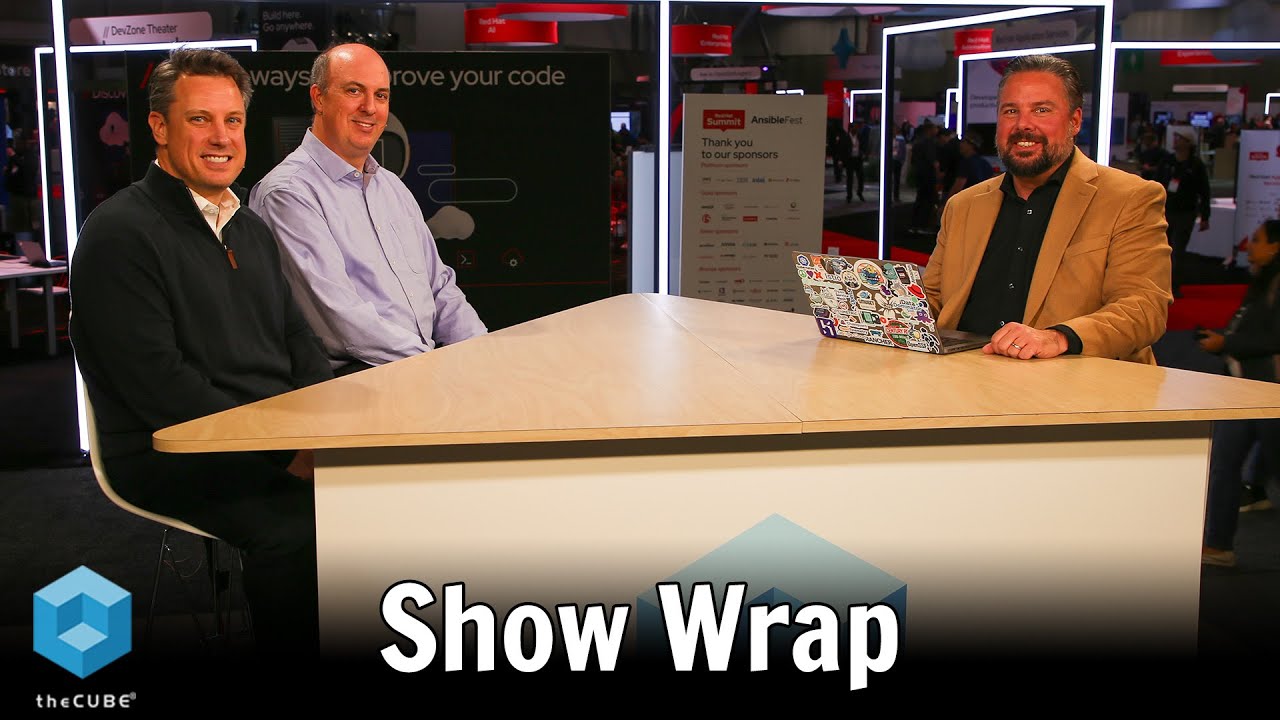
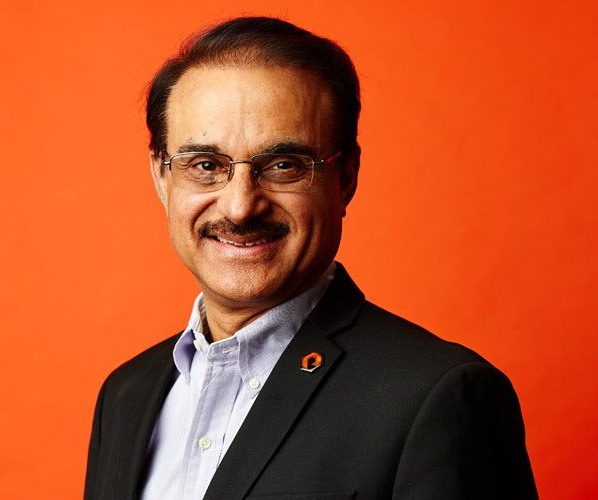
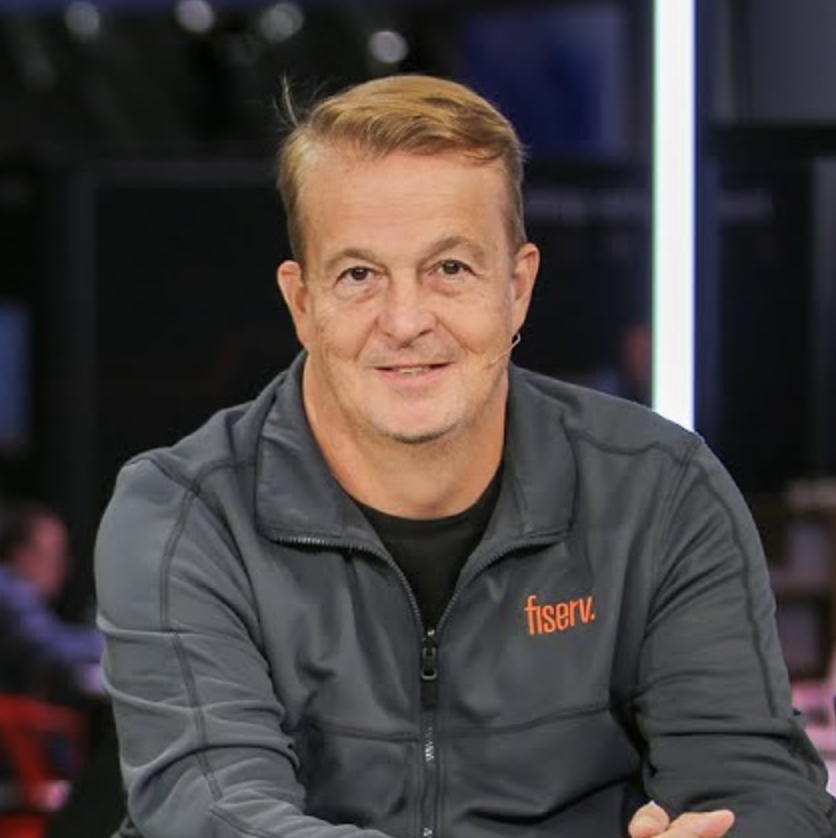
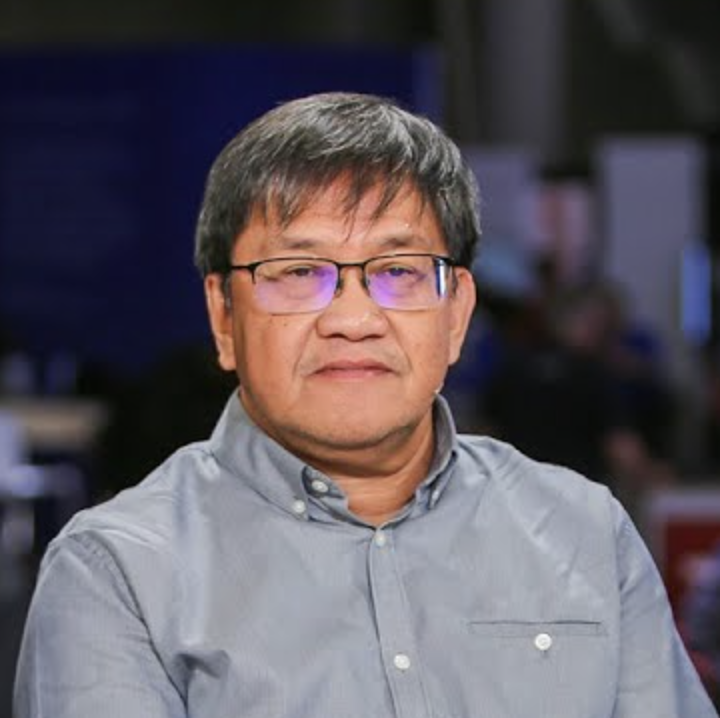
Ajay Singh of Pure Storage, John Durko of Fiserv, and Joselito Angeles, a Unix administrator, join host Paul Nashawaty at the Red Hat Summit AnsibleFest 2025. The session examines the transformative impacts of containerization on modernization efforts, specifically focusing on application delivery and infrastructure transformation.
Singh, Durko, and Angeles contribute their extensive expertise in information technology and product architecture. During the discussion, they explore the complexities of transitioning from traditional monolithic applications to more agile, containerized environments. TheCUBE's Nashawaty facilitates conversations about the benefits of containerization, such as efficient software delivery and integration of storage infrastructure, while highlighting insights and challenges shared by the experts.
Key insights from the discussion emphasize the advantages of a modernized approach, including improved software deployment reliability and reduced data center footprints. Durko explains that efficient resource utilization has been a pivotal outcome of Fiserv’s transition. Singh also shares significant achievements, such as a 75% reduction in on-premises block storage and a 73% reduction in power costs, realized in collaboration with Pure Storage and Portworx. The session underscores the critical role of collaboration and continuous adaptation in achieving modernization goals.
Forgot Password
Almost there!
We just sent you a verification email. Please verify your account to gain access to
Red Hat Summit + AnsibleFest 2025. If you don’t think you received an email check your
spam folder.
In order to sign in, enter the email address you used to registered for the event. Once completed, you will receive an email with a verification link. Open this link to automatically sign into the site.
Register For Red Hat Summit + AnsibleFest 2025
Please fill out the information below. You will recieve an email with a verification link confirming your registration. Click the link to automatically sign into the site.
You’re almost there!
We just sent you a verification email. Please click the verification button in the email. Once your email address is verified, you will have full access to all event content for Red Hat Summit + AnsibleFest 2025.
I want my badge and interests to be visible to all attendees.
Checking this box will display your presense on the attendees list, view your profile and allow other attendees to contact you via 1-1 chat. Read the Privacy Policy. At any time, you can choose to disable this preference.
Select your Interests!
add
Upload your photo
Uploading..
OR
Connect via Twitter
Connect via Linkedin
EDIT PASSWORD
Share
Forgot Password
Almost there!
We just sent you a verification email. Please verify your account to gain access to
Red Hat Summit + AnsibleFest 2025. If you don’t think you received an email check your
spam folder.
In order to sign in, enter the email address you used to registered for the event. Once completed, you will receive an email with a verification link. Open this link to automatically sign into the site.
Sign in to gain access to Red Hat Summit + AnsibleFest 2025
Please sign in with LinkedIn to continue to Red Hat Summit + AnsibleFest 2025. Signing in with LinkedIn ensures a professional environment.
Are you sure you want to remove access rights for this user?
Details
Manage Access
email address
Community Invitation
Ajay Singh, Pure Storage & John Durko, Fiserv
Ajay Singh of Pure Storage, John Durko of Fiserv, and Joselito Angeles, a Unix administrator, join host Paul Nashawaty at the Red Hat Summit AnsibleFest 2025. The session examines the transformative impacts of containerization on modernization efforts, specifically focusing on application delivery and infrastructure transformation.
Singh, Durko, and Angeles contribute their extensive expertise in information technology and product architecture. During the discussion, they explore the complexities of transitioning from traditional monolithic applications to more agile, containerized environments. TheCUBE's Nashawaty facilitates conversations about the benefits of containerization, such as efficient software delivery and integration of storage infrastructure, while highlighting insights and challenges shared by the experts.
Key insights from the discussion emphasize the advantages of a modernized approach, including improved software deployment reliability and reduced data center footprints. Durko explains that efficient resource utilization has been a pivotal outcome of Fiserv’s transition. Singh also shares significant achievements, such as a 75% reduction in on-premises block storage and a 73% reduction in power costs, realized in collaboration with Pure Storage and Portworx. The session underscores the critical role of collaboration and continuous adaptation in achieving modernization goals.
Director IT, Product Architect, Container ServicesFiserv
Joselito Angeles
Principal Containers Platform ArchitectFiserv
Ajay Singh of Pure Storage, John Durko of Fiserv, and Joselito Angeles, a Unix administrator, join host Paul Nashawaty at the Red Hat Summit AnsibleFest 2025. The session examines the transformative impacts of containerization on modernization efforts, specifically focusing on application delivery and infrastructure transformation.
Singh, Durko, and Angeles contribute their extensive expertise in information technology and product architecture. During the discussion, they explore the complexities of transitioning from traditional monolithic application...Read more
exploreKeep Exploring
What was the initial promise of containerization?add
What was the initial promise of containerization in terms of software delivery across different environments?add
What are the outcomes achieved with Portworx and Pure Storage while working with Fiserv?add
What are some considerations or challenges for using AI in a highly regulated industry such as fintech, specifically in relation to data privacy and data center storage?add
>> Hello, and welcome to this
episode of the AnalystANGLE, coming to you live from the
Red Hat Summit AnsibleFest 2025 show floor. My name is Paul Nashawaty and I'm here today with Ajay Singh, chief product officer of Pure Storage. I'm here with John Durko,
director of IT, product architect and container services, and
Joselito Angeles, a Unix admin. Thanks for coming here, guys.
Paul Nashawaty
>> Thank you.
- Great to have you here. This is really a topic that's top of mind. We'll jump right into this. There's a lot happening when
we look at modernization, and we look at what's
happening with regards to containerization and all
the activity on the show floor. How's it going for you here?
John Durko
>> Great. It's been a great
show remeeting people and meeting new people.
Paul Nashawaty
>> Great, yeah. We
establish a lot of networks and then we're learning new technologies.
Paul Nashawaty
>> Yeah, absolutely. That's great.
Paul Nashawaty
>> Great show. Red Hat is
a great partner for us and we're doing a lot of things together. It's a great place to be.
Paul Nashawaty
>> Absolutely, absolutely. To be here talking about modernization, talking about containerization and what's happening in this
space, it's really it's top of mind, and the keynotes
really showed it. When we look at Fiserv and how you are transforming your business and your infrastructure, you're
looking at different areas around containerization, around the application delivery service. My area of coverage, I cover AppDev and I cover everything
that touches the SDLC and the CI/CD pipeline. So I'm really curious if you
could get into a little bit of the details around
why you took the plunge to transform your infrastructure?
John Durko
>> Sure. So in my mind,
the initial promise of containerization was to provide a consistent
software delivery mechanism across very disparate SDLC environments. What works on a dev's laptop
wouldn't necessarily work in the dev environment, CAD
environment, prod environment. And the container allows the devs to provide everything they
need in that one package.
Paul Nashawaty
>> Now that's not always easy.
Joselito, what do you think?
Paul Nashawaty
>> Well, yes, aside from what John said, before with the monolithic
applications of the time to deliver changes takes a long time. Now with the adoption of
containers, microservices, the delivery, there's a lot
possible, more efficient.
Paul Nashawaty
>> Yeah, absolutely. And
there's this concept of people thinking, "Well, modernization is just like you flip a switch and it just goes. "
But Ajay, I'd like to talk a little bit
from your perspective, there's this bridge in the
gap between old and new. When you look at
containerization, that's like where people want to go, but what about the heritage environments?
Paul Nashawaty
>> Absolutely. So while
containerization, I think as both John and Jose are pointing out, is
really around driving agility and speed for the
developers and all of that. But at the same time,
there's another layer of modernization happening,
which you can see a lot of discussion at the
Red Hat Summit as well. And this is around your
storage infrastructure and how that integrates
with the VM environment, the container environment, and how that can really become
the backbone of something that drives agility up and down the stack. So it's the base of the stack, as well as the upper part of the stack. And a lot of that comes
around not only agility, but reliability,
sustainability, all the -ility between the availability. Drive all of that, that's the transformation that's going on.
Paul Nashawaty
>> Yeah, absolutely. And
transformation, I talked to a number of CIOs who are in
C-suites that are trying to do this modernization approach. And they often run into
challenges such as complexity and skill gap issues. Those typically are areas
that organizations run into. But having a platform that
allows for that growth and seamless integration to move along, that's really a focus point. What are your thoughts on that?
John Durko
>> Yeah. You're absolutely
right that both complexity and the skill gap is a challenge. Kubernetes is still relatively
new when we think about IT products and offerings,
so that is a challenge. But partnering with the
good vendors, making use of what's out there in
the open-source community. And just taking care of the
talent that you do have so that hopefully they stay with you, those are some of the keys. And then complexity, just
keep it as simple as you can. And when it's not, make sure that you're writing very
thorough documentation to help, should somebody later have to go through and figure out, "How does this work?"
Paul Nashawaty
>> Of course. And the promise of AI is going
to take over all of that, is that what we're
seeing? What do you think?
Paul Nashawaty
>> Well, also there's a lot of challenges when you
introduce something new. But once you start working on it, then you set template standards, then it becomes easier down the road. In the long run, setting
standards, working with vendors, and even within internal organizations, if you set the standards,
then people have something to follow, then it makes it easier. It takes up a little
bit of the complexity.
Paul Nashawaty
>> And certainly, we see
a lot of our customers that are obviously grappling
with complexity, a skill gap, but at the same time, they're also trying to drive some outcomes. Their transaction volumes
are going up, they want to reduce their footprint
in the data centers. They want to reduce the power consumed because power is more difficult to get by, so it's an and scenario. You have to deal with the complexity and at the same time,
improve the outcomes, and that's what we find
our customers try to do.
Paul Nashawaty
>> Well, speaking of the
outcomes though, when we look at what Fiserv is trying to do here, what were your desired outcomes for this transformation project?
John Durko
>> So initially, again, that consistent SDLC software delivery process
was initially the goal. But what comes along with
containers, is the ability to make much more efficient use of Fiserv resources where
they're talking about servers, CPUs. From an old day where
people might allocate a VM just to run an app. Now, as CPUs get more powerful, Kubernetes and containers allows us to package many more
applications particularly, and run them with those
same hardware resources.
Paul Nashawaty
>> So the density comes into play?
John Durko
>> The density comes into play, and obviously that has follow- on effects on your
environmental footprint, your power requirements. Yeah, so just everybody's
trying to find ways to do things more efficient.
Paul Nashawaty
>> Yeah. The efficiency piece
and the sustainability piece. Ajay, you were talking about
what I see in my notes here, I see 25,000 transactions per second. Reducing your on-prem block
storage rack space by 75%, lowering power, cooling and associated costs by
73%, that's impressive. What are your thoughts on that?
Paul Nashawaty
>> Yeah. No, absolutely. So I think and John was mentioning, we're trying to drive this more efficient backup, faster backup, but in addition for the
storage environment, I talked about earlier on the challenges and the outcomes folks want to drive. Those are the outcomes, 75% reduction in block
storage, rack space. 73% reduction in power consumed, while getting 25,000-plus per second or more transactions through
the system, that's the end. How do you do both of them?
And those are the outcomes with Portworx and Pure
Storage working with Fiserv, that the teams have managed to accomplish.
Paul Nashawaty
>> Yeah, very, very impressive. So Joselito, I have
this question about you. So why don't you walk us
through the architecture for Fiserv, how you deployed? How is OpenShift powering it? What are you looking at from
the architecture deployed, whether on-prem or in the cloud? What are your thoughts around that?
Paul Nashawaty
>> Yeah. Well, our initial
implementation with OpenShift whenever giving our prep-up concept, is we put it on the cloud, AWS. But then later on, we started
deploying OpenShift on-prem, and that's what we've then
adopted this OpenShift on-prem.
Paul Nashawaty
>> Okay, very good.
Anything to add to that?
John Durko
>> Yeah, so that's been it on-prem. We do also consume OpenShift
in Azure in the form of ARO.
Paul Nashawaty
>> Okay. - Yeah. And then
we do have other Kubernetes offerings from other vendors
as well, so it's a bit of a heterogeneous environment.
Paul Nashawaty
>> Are you looking to standardize?
John Durko
>> I don't think we'd
get down to one vendor. It might be a smaller number
than we have now, again, large organizations. And there was a merger
originally within Fiserv and First Data, so we've got a lot of disparate infrastructure. But over time, we will
probably reduce the number of vendor platforms.
Paul Nashawaty
>> Actually, we do find our
customers very much in a similar scenario where they're
multivendor, they're doing cloud and maybe multiple cloud.
Paul Nashawaty
>> Of course, yeah.
- On-prem. And one of the things we
have worked with on Portworx, is truly to make it that
heterogeneous, that works with ARO, works in the on-prem OpenShift. Works with AKS, EKS,
certainly our own storage, EMC storage. So be that truly multivendor,
heterogeneous software- defined storage layer in something.
Paul Nashawaty
>> No, absolutely. In our
research, in theCUBE Research, we find that 94% of
organizations are using two or more clouds, 65% are
using four or more clouds. So there's going to be the
usage of different clouds, and you have to have that commonality to make it work together. You have to have the right mix
within your organization in order for it to work, so that
makes a lot of sense, Ajay. I guess, Ajay, while
we're talking about this, what role does storage play in all of this and how does Portworx fit into it?
Paul Nashawaty
>> Yeah. So as you think about,
it's been a super exciting journey for Pure working with
Fiserv on the storage site. As I mentioned earlier on,
it gives you a platform that's reliable, highly
available performance, and at the same time very
sustainable, low in power, low in space, rack space. But as we've built this journey, we've also worked very closely with John and team on the Kubernetes side. And recognizing that they
are also on a journey, which is starting with ARO, they're going to take it on-prem. They're looking at
other Kubernetes offers. And we are looking to
work closely with them, to give them the outcomes and the flexibility to be
able to make that shift and movement, without having to do a lot of reengineering work. You give that one common,
software-defined storage layer, and that's really what
we are excited about, and now what our engineering
team is really excited about working with the Fiserv team on.
Paul Nashawaty
>> Definitely. John, what are
the impacts of the business?
John Durko
>> The impacts of the business are clearly reliable software deployments, where we're deploying more features. So this allows developers to get towards multiple deployments
perhaps per month, per week. I think we're doing a lot yet
of multiple pushes per day, but it is enabling that sort of thing in a consistent fashion. So in the fintech business, everyone is demanding new products and they want them yesterday, and containerized
application delivery is one of the key ways to deliver that.
Paul Nashawaty
>> That sounds really
great, so that's today. And so I'll ask you,
Joselito, when we look at what comes next, when you
look at the rest of 2025 and beyond, what do you think? We talked about AI just early on briefly. I have to ask it because it's part of, if I didn't know we'd be missing it, but also what about
modernized virtualization?
Paul Nashawaty
>> Before I answer that question, John was saying earlier about
the impact on the business.
Paul Nashawaty
>> Yeah.
- The architecture that we've adopted, also gives us the flexibility to scale in and scale out our resources. That gives the business users
the confidence that, "Okay, if they need more
resources, they'll get it. " If they don't use it, it's
there for them to use it, but then if they don't need
it, they can take it out. That's one of the thing that gives us that advantage using the containerization architecture that we adopted. Okay. Going forward, I think John will be in a
better position to do that, but in terms of AI, so from what we've learned from
all the sessions here. We have a lot to learn with AI,
and I think it gives us more let's call it incentive
to learn it and adapt it.
Paul Nashawaty
>> Very good. All right, so I have a final question
to ask each of you. Okay. So when we're sitting
here next year having this conversation about where this is going. What do you want to see and what do you want to say from your own organization's perspective? And where do you think, where we would be next year at this time?
John Durko
>> I'd like to feel that
we have a very good story for AI, even in cases
where that needs to be on- prem perhaps because
of data privacy issues. Again, as a fintech,
we're highly regulated. There's certain things where
we're just going to need to keep that data in our data centers. So to be well on the way to enabling AI, and to do it as efficiently
as possible, given the costs of GPUs and that sort of thing.
Paul Nashawaty
>> Okay, yeah.
Paul Nashawaty
>> Well, sir, in terms of AI, I think one of the areas we also want to
achieve is use AI to make sure that our environments are secure.
Paul Nashawaty
>> That's good.
- So using AI not only for efficient operation, but
also for secure operations.
Paul Nashawaty
>> Ajay? - I will say, I
think a lot of enterprises, AI is a big initiative. And one of the challenges with storage and AI, is traditionally
storage has tended to be very bespoke to the application. It's very siloed and locked
off, but AI is hungry for data. But if the data is siloed off and locked off, it creates
a bunch of challenges. So one of the things we are
doing is we are virtualizing this data through our platform,
our Pure Storage platform, which effectively you can get
access to all of this data on- prem or in the cloud. That you can supply an AI model
against it, without having to make a huge data lake
copy that get obsolete by the time you finish copying
it, et cetera, et cetera. So there's a lot of excitement around AI and how it's going to transform
the storage architecture into more a virtualized data architecture. If you think about it for a
minute, the public cloud have already virtualized storage and data. On-prem world has not done it yet.
Paul Nashawaty
>> Right.
- And we are leading the charge with the Pure Storage platform to really do that virtualization. That should really help AI. So we hope to see some of that
adoption happening in Fiserv and in the industry over the
course over the next year. And then certainly on
modern virtualization, in the industry, you see the big momentum here at the conference. We definitely see a lot of
momentum in that space as well, and this whole data platform
also lends itself very well. If you're going to do a
modern virtualization, you may as well also make it AI ready. The maze will unlock those
silos at the same time through something like
a Pure Storage platform.
Paul Nashawaty
>> Well, one thing sounds very consistent, operational efficiencies, AI
is definitely not going away. We think that's going
to just keep growing. Yeah, I think there's exciting
times ahead for all of us. I want to thank you all
for being here today. This has really been great. It's really been an exciting time, and it really is going
to be an exciting future and I want to thank you
for joining us today. My name is Paul Nashawaty. I'm with theCUBE Research, the
leading source in tech news. Thank you.














 Paul Nashawaty