We just sent you a verification email. Please verify your account to gain access to
Red Hat Summit + AnsibleFest 2025. If you don’t think you received an email check your
spam folder.
In order to sign in, enter the email address you used to registered for the event. Once completed, you will receive an email with a verification link. Open this link to automatically sign into the site.
Register For Red Hat Summit + AnsibleFest 2025
Please fill out the information below. You will recieve an email with a verification link confirming your registration. Click the link to automatically sign into the site.
You’re almost there!
We just sent you a verification email. Please click the verification button in the email. Once your email address is verified, you will have full access to all event content for Red Hat Summit + AnsibleFest 2025.
I want my badge and interests to be visible to all attendees.
Checking this box will display your presense on the attendees list, view your profile and allow other attendees to contact you via 1-1 chat. Read the Privacy Policy. At any time, you can choose to disable this preference.
Select your Interests!
add
Upload your photo
Uploading..
OR
Connect via Twitter
Connect via Linkedin
EDIT PASSWORD
Share
Forgot Password
Almost there!
We just sent you a verification email. Please verify your account to gain access to
Red Hat Summit + AnsibleFest 2025. If you don’t think you received an email check your
spam folder.
In order to sign in, enter the email address you used to registered for the event. Once completed, you will receive an email with a verification link. Open this link to automatically sign into the site.
Sign in to gain access to Red Hat Summit + AnsibleFest 2025
Please sign in with LinkedIn to continue to Red Hat Summit + AnsibleFest 2025. Signing in with LinkedIn ensures a professional environment.
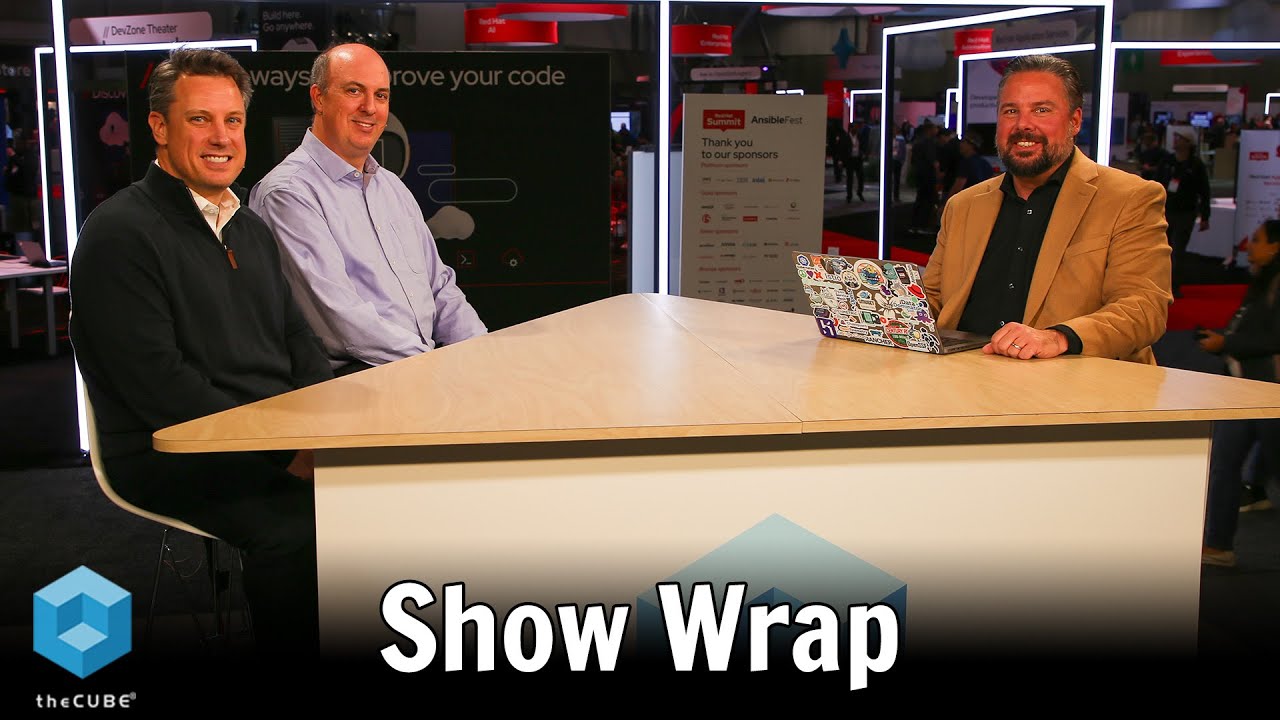
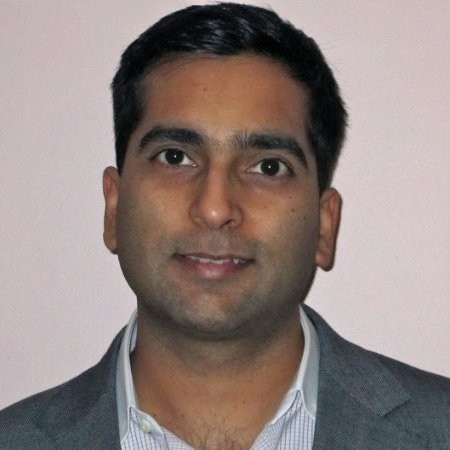
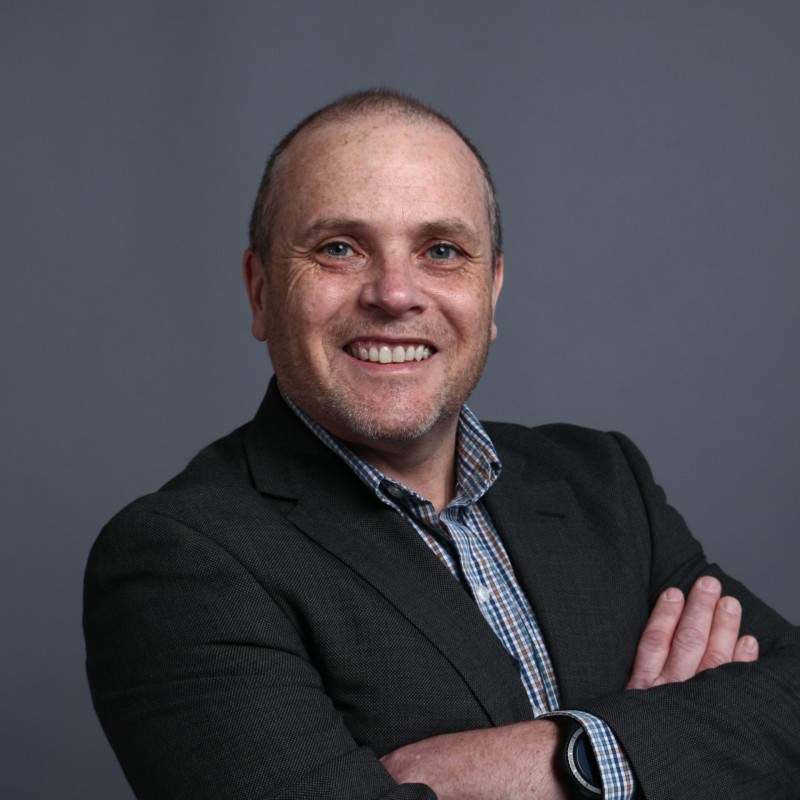
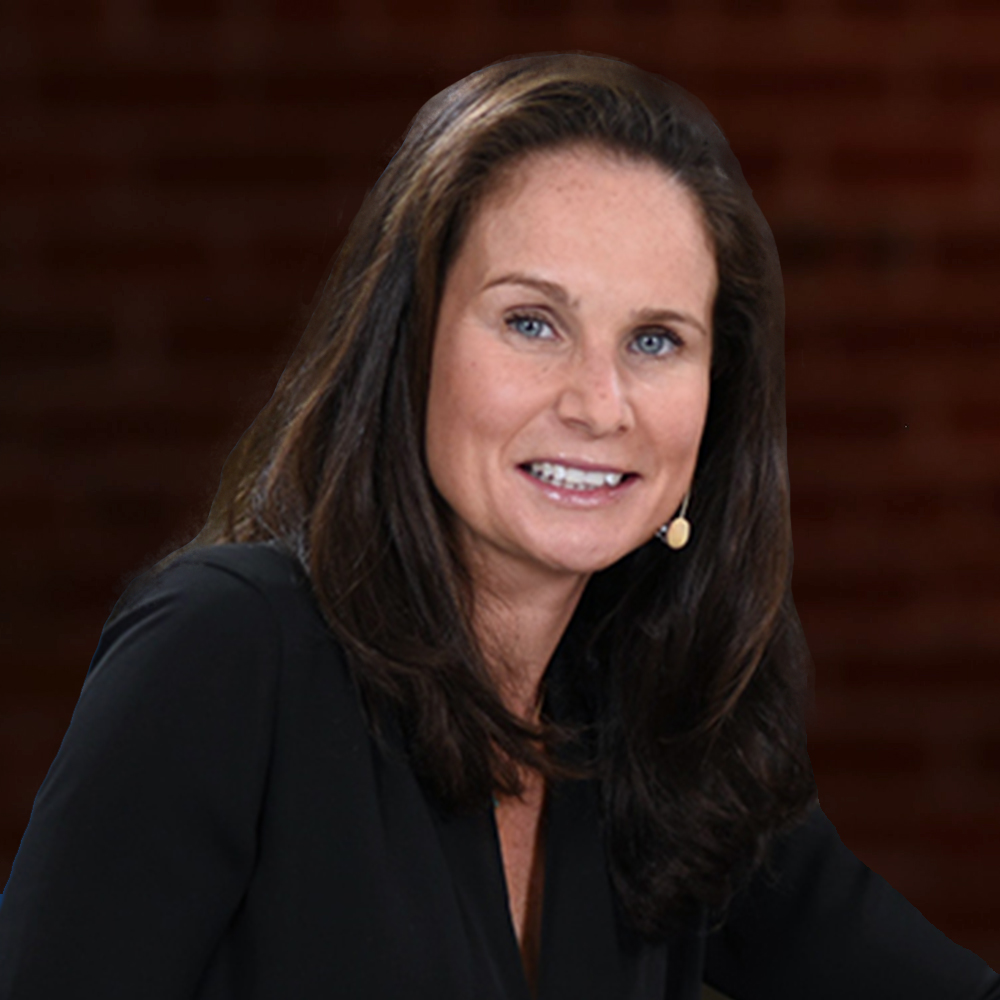
Sachin Mullick, director of product management at Red Hat Inc., and Simon Seagrave, senior principal product marketing manager at Red Hat, join theCUBE’s Rebecca Knight and Rob Strechay during Red Hat Summit 2025 to explore the shifting landscape of virtualization. The conversation centers on consolidation strategies, workload modernization and Red Hat’s evolving role in enterprise IT infrastructure.
Seagrave shares findings from Red Hat’s state of virtualization report, emphasizing cost management and vendor trust as key drivers. Mullick highlights th...Read more
exploreKeep Exploring
What features have been built into Red Hat's OpenShift Virtualization product to assist traditional virtualization administrators in transitioning to the platform?add
What are some best practices for senior leaders to exhibit in order to improve trust and engender trust with customers?add
What are some best practices for improving vendor trust with customers and partners?add
What has been the driving factor for partners to integrate with Red Hat over the last 12 to 15 months?add
>> Back to theCUBE's live coverage of the Red Hat Summit AnsibleFest 2025. I'm your host, Rebecca Knight, alongside my co-host, Rob Strechay. We are in the final day here and virtualization is the name of the game.
Rob Strechay
>> It is. And I think, again, who thought we'd be talking about virtualization in 2025 again and as a huge opportunity for people to actually modernize and keep going.
Rebecca Knight
>> Exactly. A great point, a great point. Well, with that, I would like to introduce our next guest. We have Simon Seagrave, Product Marketing Director at Red Hat. Welcome back.
Simon Seagrave
>> Great to be here. Thank you.
Rebecca Knight
>> And Sachin Mullick, Director of Product Management at Red Hat. Thank you so much for coming on theCUBE. So a little light reading, the state of virtualization report that we got sent right before we came on. It has some staggering statistics about the enormous growth in open ship deployments this year. Simon, I want to start with you to talk a little bit about what's driving this acceleration and what customers are telling you right now about where they are in their virtualization journey.
Simon Seagrave
>> Yes, very much so Rebecca. One of the clear things that came out of the reports that was loud and clear from the people that responded to the survey was virtualization is here to stay. It's not going away anytime soon. It's here. It's still part of a lot of organization's key strategies, but they're looking at other areas as well. Obviously with the level of interest around AI at the moment, adopting AI into traditional workloads, that's of particular interest. Interesting reading the report there, a couple of areas that really stood out and maybe unsurprisingly, that really are driving the conversations around virtualization at the moment. One is around licensing costs. That was one of the primary figures that came out loud and clear there. And the other one was in vendor trust there as well. Another one worth mentioning, as well, was around the unification of workloads. The unification of traditional virtual based VMs, but also containerized workloads as well. So rather than managing multiple platforms, having a single consolidated platform for everything, bringing it together to drive efficiencies.
Rob Strechay
>> Have you seen that the personas you're talking to have shifted a little bit when you're going into app? Because not everybody who knows, say VMware knows Kubernetes or OpenShift for that matter. How has that conversation really inspired?
Simon Seagrave
>> Very much so. Mixed conversations. Some customers have already started their journey into application modernization, which is obviously very much linked with containerization, microservices approach to app dev and delivery. And those customers have already started their journey. So they are familiar with the Kubernetes constructs and platforms and ways of doing things. Other customers, however, they're still on traditional virtualization platforms. So this is a whole new area for them to embrace. And that's one area that's here at Red Hat that we definitely acknowledge and recognize and we've built that into our OpenShift Virtualization product, things like a dedicated virtualization administrator's view, the announcement this week, as well, around OpenShift Lightspeed as well. So that's an AI-powered virtual assistant that's on tap for either seasoned virtualization administrators or maybe new administrators who aren't familiar with the Kubernetes constructs or moving to another platform, whether it's us or someone else. So we are really about helping that transition for those traditional VM admins onto the OpenShift Virtualization platform.
Sachin Mullick
>> If I can add to it, he talked about the report, talking about trust. So a lot of our customers who come to us know Red Hat because of its history with Linux for 30 years, OpenShift being their standard platform for DevOps for 10 years. One of their customers who was on the keynote yesterday, they were using OpenShift and they almost had no incidents ever. So when the VMware team talked to the OpenShift team, they're like, "You can trust this platform."
And the same thing if you think about TVM, like Red Hat brought in the company that based TVM, which was Kubernetes, and my head of engineering comes from that same company. So we have around 15, 20 years of hypervisor experience that we are bringing. So to Simon's point, it's more about making them aware and also, we have been making some changes on how we go to market. So we created this new SKU, it's a special edition of OpenShift that's only for VM admins. So it entitles them to use virtual machines and they don't have to worry about there's more stuff to do, but they can get through their migrations, feel comfortable and then start exploring all the cloud native world that they can get exposed to.
Simon Seagrave
>> And one thing just to add to that as well, Sachin, is that that edition of OpenShift that Sachin mentioned there is called OpenShift Virtualization Engine. And it does provide that non-disruptive upgrade. If and when in the future an organization wants to start embracing containerization, maybe start to pull through some AI ML integration into these modernized apps as well, they're on that platform at this point. It's not going to be a moment of disruption again, where they need to stand up another platform. They're already on that single platform that will allow them to take that and embark on that journey as well.
Rebecca Knight
>> Vendor trust is such a critical issue and as you said, you have the reputation, you have the experience, but you can't rest on your laurels, so you do need to adjust your go-to-market strategies. But trust and engendering trust with customers, it also has a lot to do with behaviors. Can you talk a little bit about some of the best practices that you've seen, that you try to make sure that your senior leaders are exhibiting to improve that vendor trust?
Sachin Mullick
>> Yeah, definitely. I can cover a couple topics. One, we have been very open to not just our customers, to the whole world where we stand compared to other vendors. So we do our roadmap session, which is open to the whole world. Actually, OpenShift does that, and we tell them these are the features available and what's coming. I did a session yesterday, we had around 500 people. We talked about the future of virtualization with Red Hat and we talked about the whole roadmap for 2025. So we are very transparent what we have, what we don't, and then they can make that decision. The other trust comes from our partners. We have been very clear we are not going to do this journey on our own. The people who have been successful in this area are the ones who can partner and collaborate. So if you look around this trade show floor, you'll see everybody proudly talking about OpenShift Virtualization, whether it's a storage partner, data protection, AMD, Intel, so all of these vendors, all the cloud vendors now. So that's really how we are creating the trust. If the partners trust us, they're putting their engineering dollars to work with us, our customers also feel comfortable, like this product's going to stay. And also, we have been growing. We grew 78% on the deployment just over the last year. So that's showing that trust is actually something that customers are adopting to.
Simon Seagrave
>> And then the other thing to touch on there, as you mentioned, that word open, openness. Obviously, Red Hat is what we're around for within the industry with customers out there. Our pedigree, our history speaks for itself in the open source community. So it was really about that openness and transparency that we offer as a customer, whether it's the roadmaps, for example, or other aspects of the products or the company itself for that matter.
Rob Strechay
>> So you touched on some of the partners as well. We had AMD on yesterday. We were talking about and they were on the main stage talking about, also, how they saw 77% improvement in the TCO ROI they're using OpenShift on, I believe it's their epic CPU and things of that nature. And then you talked about the clouds. And obviously Azure now having OpenShift, BERT and Oracle also, which also was not just in the main cloud, but was also in their governmental compartmentalized type clouds as well. Talk about that, working with those partners because to your point, it's not like Red Hat does everything. Those partners have to go do something to bring that service on board.
Sachin Mullick
>> If I can start with the AMD. AMD has actually been a great partner just because of how we go to market. So we talked about the special edition SKU. We actually don't charge by the core, we charge by the socket. So you can have 264 core sockets or one 128 core socket and you're just paying one price. And if you think about AMD, they are about consolidation, about bringing larger CPUs to market and being able to densify. So that almost felt like we had a natural fit there. And so we are going to market with them because the level of consolidation that gives our customers. Simon talked about this side, virtualization is here to stay, but people have to make space. And if you think where all the news comes from is this data center build outs, but there's only so much data center that you can build out so quickly. So if you can get consolidation and you can take 1,000 servers and now have it in 300, you have room to grow with AI with the next 700 if you want. So that's why we are very excited about the innovations with AMD. On the cloud front, actually, we have been working for some while with AWS and we just had a press release come out I think, was it yesterday on the JCPI?
Simon Seagrave
>> Yes, last couple of days, yes.
Sachin Mullick
>> And this was a very interesting user because it's Johnson Controls. They are actually providing the secure applications and they wanted it to be closer to their customers. So being in the cloud provides them, to your point, all the regions they can go into. But also, it gives them an opportunity to modernize that application over time. So it's bringing all these benefits to them. And then we have a managed service offering between AWS and us. So what they can do is not have to worry about the infrastructure. Companies like that aren't there to make money off managing infrastructure. Their money comes from their apps so they can go and start doing that. So that's how the journey started. But in the last few months, we have been working very closely with Oracle, Google, Azure, and also IBM Cloud announced a general availability with ROKS. So with each one of them, the good part is we are running as a hypervisor in that cloud. So the thing that we have to worry about is, is that the right kind of storage? If a node goes down, your VM will still work through that. So we go through comprehensive testing between the cloud vendor and us that covers the hypervisor layer, their native implementation and the storage. And that's how we have been rolling this out. So we are very excited with that.
Simon Seagrave
>> And this has been a really exciting Red Hat Summit for us on the OpenShift Virtualization team. Obviously, as Sachin mentioned, with the announcements around the public cloud providers, prior to the show here we had a very good, and we continue to have an excellent robust offering with OpenShift Virtualization out on AWS or out on Amazon. But really, it is about giving that choice, as well, to our customers, whether they're running on premises or out in the public cloud there, we've got all the major public cloud providers covered at this point. So very exciting news for us.
Rebecca Knight
>> So they want openness, they want transparency, they also want efficiency and they want performance. So how do you help think about that sweet spot of speed and performance?
Simon Seagrave
>> Very much. And I mentioned before, it's about choice. And I just wanted to touch on something that Sachin mentioned there about the consolidation. Obviously AI, big topic for a lot of organizations. They're looking at how they're going to leverage that. And for a lot of organizations out there, again, around cost and efficiency, to touch on efficiency there, they have limited space in their data centers, task space. So that's why I think it really came through in the state of virtualization report there. One of the other big key drivers that customers are looking for is to look at consolidate these workloads. So by having, as opposed to having multiple racks running different workload types, whether it's containers, virtual machines, if you could consolidate these down onto a single platform, a lot of efficiencies to be driven from that. And as you can imagine, there are performance implications around that consolidation as well, having it run on the same hardware, the same stack.
Rob Strechay
>> So let's keep going with that a little bit, the consolidation and the same on the operations. To me, I think a big piece of it is cloud is an operating model, it's not a place. And when you start to look at it, especially with hybrid and where you are in multiple places, this must help those customers as well. And you talked about it, we had some of the partners on that are helping at the storage layer as well. Are you seeing that, even just from last year to this year, the number of partners in that ecosystem seems to have grown immensely? And are you seeing that there are more coming in and trying to get involved with OpenShift for?
Sachin Mullick
>> I can start maybe. When we started this journey, a lot of partners were still not sure what's going to happen in the market. So we have some early believers who had been on the journey with Red Hat, whether with OpenStack or something else, and they have had great integrations. Over the last 12 to 15 months, I think a lot of our large customer, when you see them on stage, they've also been telling all these partners, "We are going to go on this journey, we want you to be there." So it became the customer's way between the driving factor. So at this point, we have all the backup vendors that you can think of, all of them have integrated with us. Same thing, the cloud vendors, now, we announced all four or five of them, which are public cloud. On the storage front, we not only are doing integrations. I just came out from a meeting with a partner. We were talking about how can we make disaster recovery common across different storage vendors. So it's going from just a render to render interaction back to the open source principles of let's make this community better together. And that, to me, is exciting. They're driving each other to get better as a community.
Simon Seagrave
>> Very much so. Personally being particularly impressed over the last 12 to 18 months, the amounts of engagements we've had with partners. Obviously we had a very good robust base of partners working with us on both OpenShift and OpenShift Virtualization. But the number of partners we've been working with, I know our partner team, for example, has been working overtime for the past 12 months, just to on board, work very closely with these partners as well. So very exciting for us, very exciting for our customers as well.
Rebecca Knight
>> Excellent. It's all about the community, as you were saying, and pushing each other to be more creative, to innovate here and to work together.
Simon Seagrave
>> Very much.
Rebecca Knight
>> Absolutely, absolutely.
Sachin Mullick
>> Another thing which is not a partner play, but being part of Red Hat, RHEL is a great partner to us. So if you think about it, RHEL has some 1,500 plus applications that gets certified on it. And if you bring RHEL on top of the hypervisor, which we are already testing together, that gives a compatibility of these 1,500 plus applications for our end users and they feel comfortable it's coming from the same company. So we are not going to be pointing fingers. So that kind of thing we don't think through, but there is a lot of synergy of being part of the RHEL group.
Simon Seagrave
>> Very much. And it comes back to that theme of trust again. The trust that customers have within the industry for many, many years around Red Hat Enterprise Linux also carries across to OpenShift and OpenShift Virtualization as well.
Rebecca Knight
>> Okay. So there'll be lots to talk about at the Red Hat Summit in 2026.
Simon Seagrave
>> Very much so.
Rebecca Knight
>> Well, thank you both so much, Simon and Sachin, and for coming out back on theCUBE.
Simon Seagrave
>> Thank you very much.
Sachin Mullick
>> Nice to be here. Nice to talk .
Rebecca Knight
>> I'm Rebecca Knight for Rob Strechay. Stay tuned for more of theCUBE's live coverage of the Red Hot Summit 2026 in AnsibleFest. You're watching theCUBE, the leader in enterprise tech news and analysis.