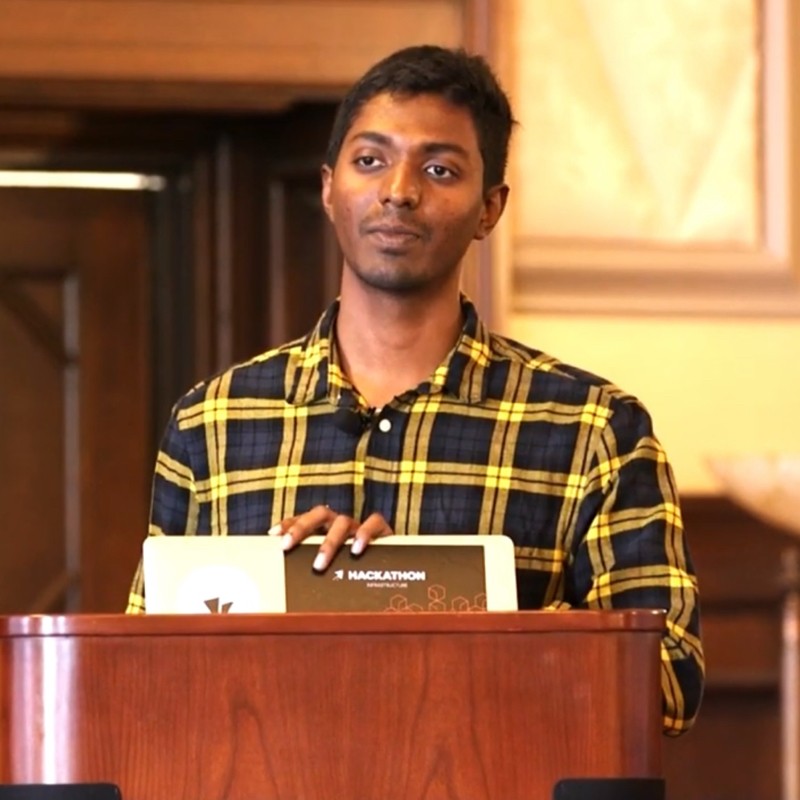
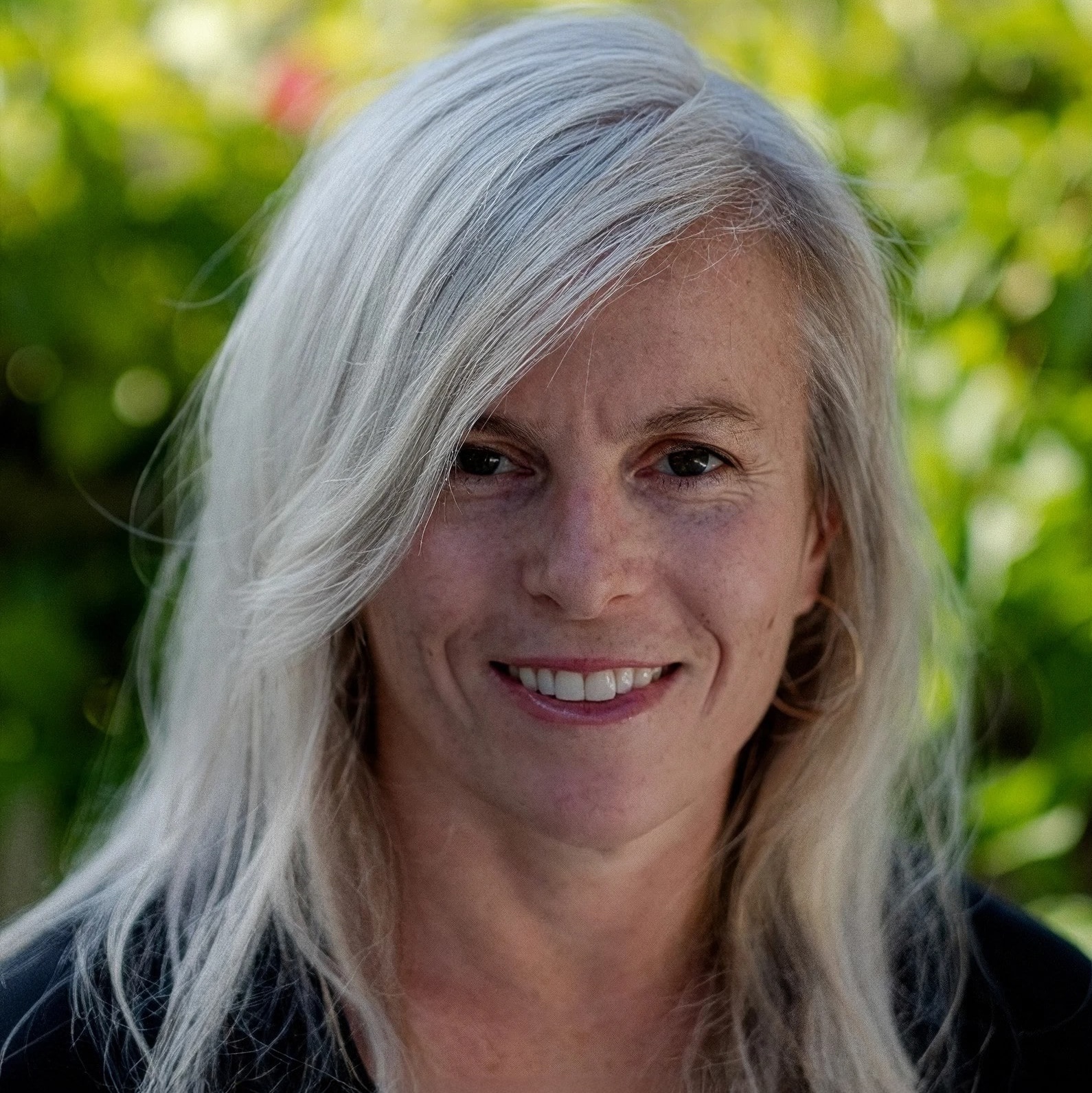
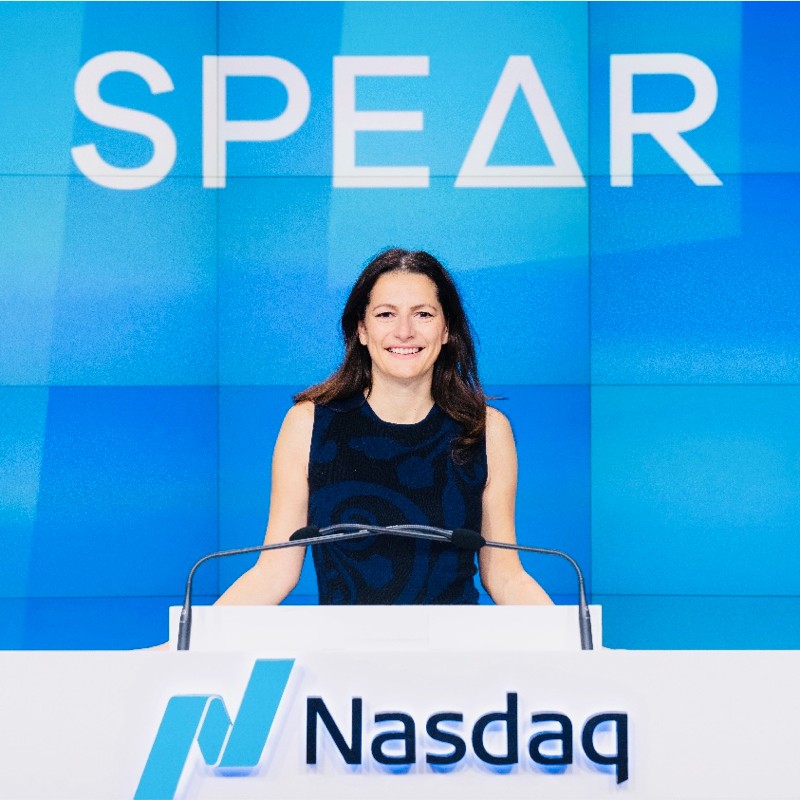
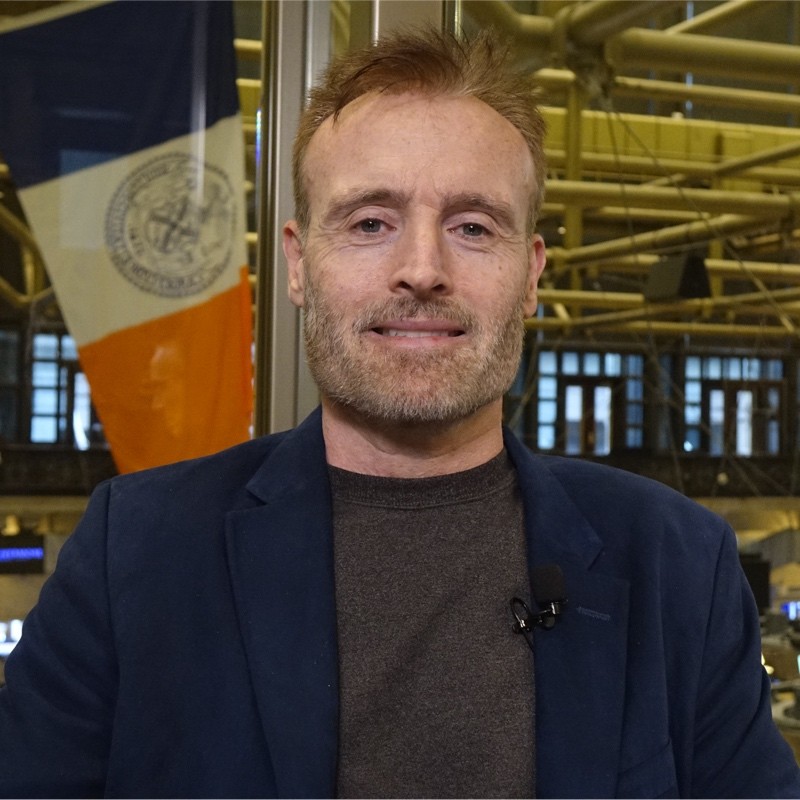
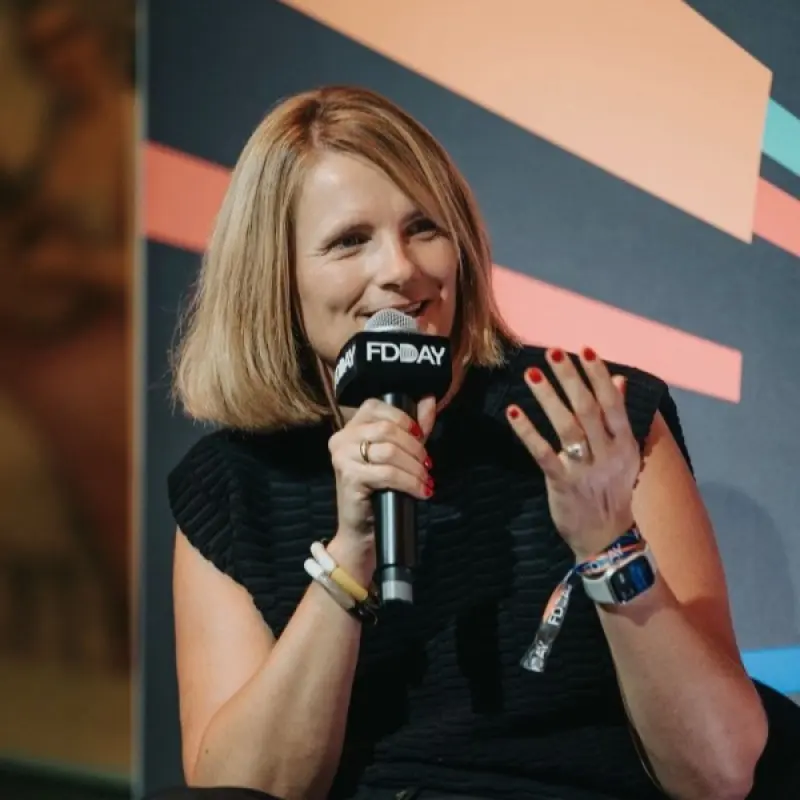
Mirakl Chief Data and AI Officer Anne-Claire Baschet joins theCUBE’s John Furrier at the NYSE studio to map the shift from today’s digital commerce into what she calls “commerce 3.0” – a shopper-led era where AI agents become a new buying channel. Baschet explains why the technology itself is no longer the constraint. The hard part is aggregating data across systems, making it meaningful and delivering it where customers make decisions as new agent-driven interfaces reshape discovery, comparison and checkout.
Baschet notes the unglamorous work that makes AI useful: data foundations, real-time inventory and the operational “plumbing” that keeps retailers visible when LLMs surface only a few options. She outlines how Mirakl’s marketplace model helps retailers expand assortment, improve availability and reduce friction for both sellers and shoppers. She also shares how Mirakl is using AI and agents to streamline catalog onboarding, sharpen interoperability with emerging platforms and prepare for a future where agents act as both front-end and workforce multipliers.
Forgot Password
Almost there!
We just sent you a verification email. Please verify your account to gain access to
theCUBE + NYSE Wired: AI & Retail Trailblazers. If you don’t think you received an email check your
spam folder.
Sign in to theCUBE + NYSE Wired: AI & Retail Trailblazers.
In order to sign in, enter the email address you used to registered for the event. Once completed, you will receive an email with a verification link. Open this link to automatically sign into the site.
Register For theCUBE + NYSE Wired: AI & Retail Trailblazers
Please fill out the information below. You will recieve an email with a verification link confirming your registration. Click the link to automatically sign into the site.
You’re almost there!
We just sent you a verification email. Please click the verification button in the email. Once your email address is verified, you will have full access to all event content for theCUBE + NYSE Wired: AI & Retail Trailblazers.
I want my badge and interests to be visible to all attendees.
Checking this box will display your presense on the attendees list, view your profile and allow other attendees to contact you via 1-1 chat. Read the Privacy Policy. At any time, you can choose to disable this preference.
Select your Interests!
add
Upload your photo
Uploading..
OR
Connect via Twitter
Connect via Linkedin
EDIT PASSWORD
Share
Forgot Password
Almost there!
We just sent you a verification email. Please verify your account to gain access to
theCUBE + NYSE Wired: AI & Retail Trailblazers. If you don’t think you received an email check your
spam folder.
Sign in to theCUBE + NYSE Wired: AI & Retail Trailblazers.
In order to sign in, enter the email address you used to registered for the event. Once completed, you will receive an email with a verification link. Open this link to automatically sign into the site.
Sign in to gain access to theCUBE + NYSE Wired: AI & Retail Trailblazers
Please sign in with LinkedIn to continue to theCUBE + NYSE Wired: AI & Retail Trailblazers. Signing in with LinkedIn ensures a professional environment.
Mirakl Chief Data and AI Officer Anne-Claire Baschet joins theCUBE’s John Furrier at the NYSE studio to map the shift from today’s digital commerce into what she calls “commerce 3.0” – a shopper-led era where AI agents become a new buying channel. Baschet explains why the technology itself is no longer the constraint. The hard part is aggregating data across systems, making it meaningful and delivering it where customers make decisions as new agent-driven interfaces reshape discovery, comparison and checkout.
Baschet notes the unglamorous work that m...Read more
exploreKeep Exploring
What was the key takeaway from this year's NRF regarding the future of commerce?add
What is the current barrier to leveraging technology in business, and how should data be managed to meet consumer needs?add
What are some notable insights or "aha moments" that customers experience when using the Mirakl solution?add
What are the recommendations for using AI to improve product or service offerings?add
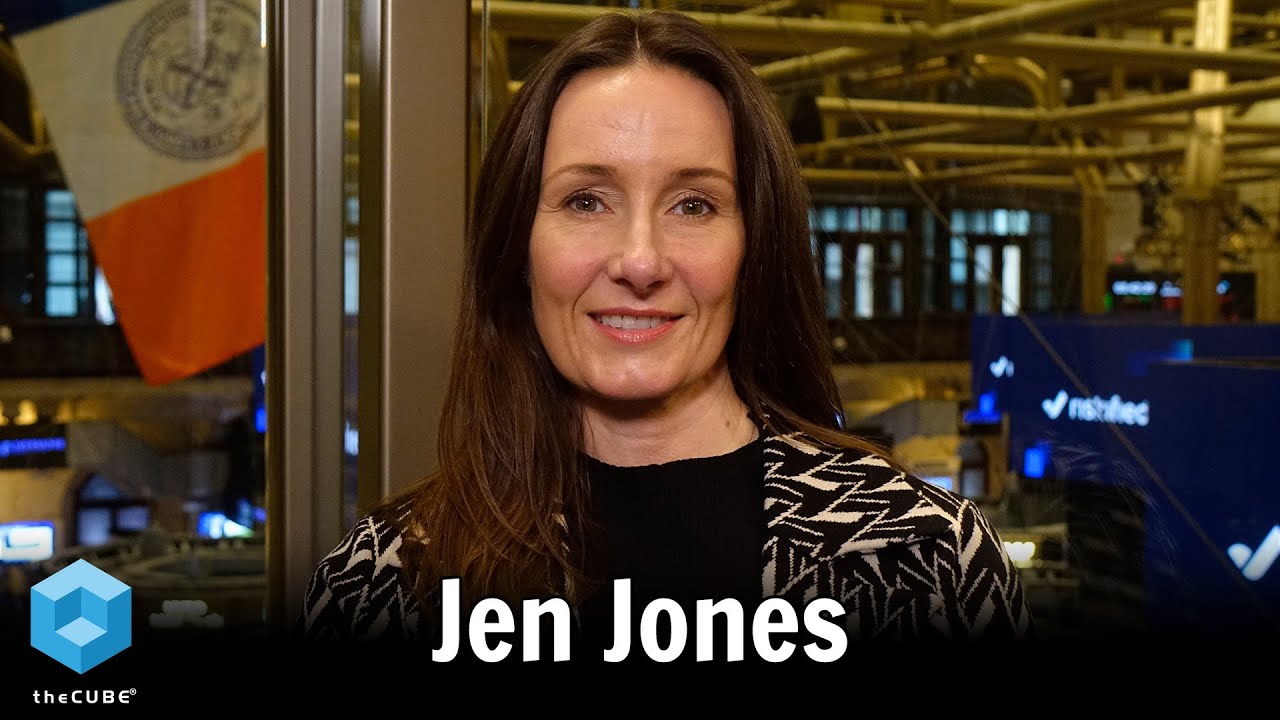
>> Welcome back around. I'm John Furrier, host of theCUBE. We are here at our NYSE studios. Of course, we have our Palo Alto studio in California connecting Wall Street and Silicon Valley tech and money. As AI is hitting the scenes here, it's retail week. NRF has been going on since Sunday. It wraps up today, so we're interviewing all the AI leaders as part of a new series. We have an AI leader here in retail. We have Claire Baschet, who's the chief data and AI officer for Mirakl. Thanks for coming in and thanks for spending the time.
Anne-Claire Baschet
>> Happy to be with you today.
John Furrier
>> So NRF this year, bigger than ever.
Anne-Claire Baschet
>> Yeah.
John Furrier
>> 40,000, 45,000 people, everyone's showing off their new stuff, but it's not like the retail show of about 10 years ago. Last year, we saw a lot of AI, a lot of agentic. This year, even more. CES happens the week before. That was all about physical AI and automation, so you got CES and NRF. It's a one-two punch.
Anne-Claire Baschet
>> Yeah.
John Furrier
>> The focus here is data, agents, which is a data problem. What was your takeaway this year from NRF?
Anne-Claire Baschet
>> I think everyone is really starting to see that we are entering a new phase of commerce that I could call commerce 3.0. We had the commerce 1.0 with the web, with the mobile and social, then 2.0 with the platform revolution led by big players like Amazon, Airbnb. And now we are really entering the commerce 3.0 where every retailers will have to manage other channels that are going to be agents, that are going to be used by their customers to buy their product, and that's really a revolution, but a shopper revolution.
John Furrier
>> Claire, I really like how you put that together, because think about cloud. That was cloud native, a lot of goodness in the cloud, lift and shift, good data architectures in there, but the on-prem was like, hmm, okay, it's happening, happened, slow. Now over the past three years in particular, a real resurgence of the on premises hybrid. So you got cloud scale and domain data, both that's centralized and now at the edge with retail, almost like a new kind of way to think about it. What is your takeaway for that? Because the data is now in many places and you now have robust computing at the edge. You've got wirelesses converging very fast.
Anne-Claire Baschet
>> So I think today, technology is not anymore the blocker and even the cost of the technology is not anymore the blocker. So I think really, what matters now is how you aggregate these data wherever they are to be meaningful and create impactful business. And if we look at agentic covers, the fact that shoppers now want to buy on this platform, the question is how do you bring the data? You could have, and you publish on your website, or that maybe you don't have, that you have to generate with AI on this other channel. So I think where the data is stored does not matter so much, but the question is bringing this data where it matters for your shoppers.
John Furrier
>> So I wrote a piece on Sunday morning, or Saturday, I can't remember now, this seems like yesterday, called Retail 2026: When AI Becomes the Operating System. Now, I threw operating system into the title because it's got a little bit of an Nvidia vibe because we covered them as well. They got all the GPUs. Now you've got to compute with the cloud, but it really speaks to the systems approach that we're seeing in retail, and I want to get your reaction to a comment I made on this. So I wrote, "Before AI reshapes the customer experience, it's about fixing the internal plumbing. This is not a glamorous work, it's foundational. The retailers who get this right build velocity, they move faster, onboard quicker, scale expertise across the organization. AI becomes the nervous system of the enterprise: the operating system."
Anne-Claire Baschet
>> Yeah.
John Furrier
>> What's your reaction to that?
Anne-Claire Baschet
>> 100%. What we really see is what matters is really the data you have and the foundation, and really when you think about, not to come back always to agentic commerce, but if we just take this example, you have shoppers that have a problem. They come on these LLMs as they used to come in the store, but in the store, you had the workers of your company, your -
John Furrier
>> You can find someone....
Anne-Claire Baschet
>> that was able to answer to it to drive them to the right product to solve their problem. Now, they just interact with the data, LLMs, or your company is able to bring though. But after, what really matters are still the same foundation. You have to still have the best price, now with even more transparency in this LLM. If you don't have the best price, you don't sit in the three seats, they show up. And then you still have to increase and never be out of stock. You have to increase your assortment, and everything is about data, connecting what user wants to your pricing system and everything. So it's really a layer. I really see that data is really a layer of all your operation as well as AI and the models you can bring on top of your own data, with signals that are internally and externally.
John Furrier
>> Like a harmonization layer, if you will.
Anne-Claire Baschet
>> Yeah, exactly. Yeah.
John Furrier
>> Okay. I mentioned velocity. So speed matters too, because now the interface is the data, front end, which is a chatbot, a large language model or an app. They're serving you up. Not to go back and throw my age out there, but you go back 16 years, remember the three Vs of data?
Anne-Claire Baschet
>> Yeah. Variety, velocity-
John Furrier
>> Velocity, volume.
Anne-Claire Baschet
>> Oh, no. Yeah.
John Furrier
>> So velocity though, real time is huge.
Anne-Claire Baschet
>> Yeah.
John Furrier
>> The speed of the latency of the data, what's your take on making that work, and how do you see the retail? Because you're going to have stores, brick and mortars, physical. Physical AI applies to that too.
Anne-Claire Baschet
>> Yeah. So I think real time will matter more than ever. Maybe when it's in your own channels, a customer is want to have a product, you don't have it because you took time to onboard a seller, a supplier, you can come back to him. When it's on external channels, it matters. When you will have a user doing checkout on Perplexity and so on, if it's just buying a product that is not in your inventory because it's out of stock, this is going to be really, really messy.
John Furrier
>> Your company name is Mirakl, M-I-R-A-K-L. It's a miracle that happened, the success. Explain what you guys do and the tech stack. What makes you different? What space are you in? Explain. I had said some content, we'll come in some use cases.
Anne-Claire Baschet
>> Yeah. So we are a tech company and the company was created in the commerce 2.0 era when we realized that the platform model was things that make successful Amazon, Airbnb. And really, we built the product that enabled a retailer to be able to onboard an ecosystem of seller, to launch a marketplace very fast. And the last big launch we had was with Best Buy. That was really the fastest growing company that have really impressive result by launching a marketplace strategy. But we are also helping this retailer to grow their business with retail media. And now when it comes to agentic, we see that the new problem is the interoperability for retailers with this ecosystem of agents, and what we are building is the agentic orchestration layer that is missing to this retailer to be able to publish their catalog, improve their catalog to match and to be, I would say, responsive and optimized for all these LLMs, as well as enable checkout on this platform, and tomorrow, maybe ads also.
John Furrier
>> Commerce 3.0 is to me about marketplaces, so I love the vision. Marketplaces is not about just the catalog though. It's about the experience, the friction removal. Because most people think marketplaces, they think big catalog, a lot of SKUs, a lot of things. Also procurement is a great way to make marketplaces very efficient. We see all the cloud players using marketplaces very effectively, but a lot of them have friction.
Anne-Claire Baschet
>> Yeah.
John Furrier
>> So how do you see the agents reducing the friction? Because things like an RFP.
Anne-Claire Baschet
>> Yeah.
John Furrier
>> I just wrote a LinkedIn post on someone's comment, "Rest in peace, RFP. RIP RFP." Because RFPs are like the opposite of what marketplaces are supposed to do. Can you imagine an agent just going through an RFP and saying, "Here it is," or an order.
Anne-Claire Baschet
>> Agents can start to answer and craft the first level of answer of RFP already. That's what we are doing for our operation with AI.
John Furrier
>> Talk about notes. I brought that up, a little bit over the top, but agents do solve this. Where do you see the agents coming in at right away? Where's the value creation and where does it go from there? Where's the headroom?
Anne-Claire Baschet
>> I think the experience we were providing like three years ago, but mainly today, what customer are experiencing is you type keywords, then you go on the first page of a search engine. You get URL off website, you go there. Then you type again your search, then you go to a PDP, and there is this tremendous assortment with marketplace. But really, I think agents, what they are bringing is this capacity to reduce the friction. I don't type anymore keywords. I type my problem or the occasion. "I'm a mom of three boys. I want a washing machine, mine is broken, by Saturday, and I want to get delivered." And they are able to go across all these inventories, start to think about what silent mean with ... They are going to look at the PDF instead of me, and I'm very happy to not know what are the good technical characteristics or silent mode. I don't care.
John Furrier
>> Yeah, we've all lived that.
Anne-Claire Baschet
>> Yeah.
John Furrier
>> We've lived the pain of the navigation, the discovery, click, click, click. You're not one click away or one prompt.
Anne-Claire Baschet
>> And they will do that for you. So instead of two to three keywords, 20 minutes, four sites, I don't know the number of PDF you have opened, it's going to be I type my problem and I just get the three best recommendations. So it's totally reducing the friction of a wide assortment, but the wide assortment matters. We've run just a study for one of our biggest customer, a big retailer in the US, and we've seen that if he hasn't launched this marketplace strategy, he will only appear one time over two on the results on LLM. But because he was able with this marketplace strategy to have best price, but also to always be sure, never be out of stock on mainstream products and as well as increases assortment, he shows up in the result 75% of the time, above the top platform on the market. So that's really still a winning strategy, and I think it's really about keeping your foundation right, but on top of that, think about what's missing for agent to be sure to answer customer needs?
John Furrier
>> So that's why I like, you have chief data officer and chief AI officer. The data hygiene, the plumbing, the foundational work has to get done. They deploy the marketplace, they have to have the catalog, they have to have the products and all the things that come with it. Can you share a story or an aha moment when a customer deploys Mirakl? What are some of the things they see right away? More sales, obviously you can surface better products, or it could be an anecdote. Share a story.
Anne-Claire Baschet
>> I think different aha moments. I think the best one is sometimes they discover that product that they didn't think their shopper were using. They are really looking for this kind of product. So they really realize that sometimes, it's a big category or a big kind of product they are really missing. I think other things, that sometimes they realize, like Hakuten, that is one of our customer, is also using Mirakl to sell on external channels because they are official Lego sellers, and they had themselves the seller experience about they were able to start to sell on six different marketplaces within a few days. So I think the aha moment our customer are having with Mirakl solution is they are able to onboard sellers, and sellers can onboard their full catalog within a day. And so that's really the winning strategy, to say, "I can experiment fast with the new seller, but also the seller, it's a frictionless experience for him."
John Furrier
>> So integration right there.
Anne-Claire Baschet
>> Yeah.
John Furrier
>> You can onboard people faster, very easily, and you can vet them right away. Are they going to be working?
Anne-Claire Baschet
>> Yeah.
John Furrier
>> The data just doesn't lie.
Anne-Claire Baschet
>> Yeah. And our philosophy with AI, if you look at the friction from sellers and retailers when it comes to really catalog onboarding, it's really about integrating your data in the taxonomy that is expected by retailers. It seemed very hard, it takes many days for most sellers on classical technical products, and we really used AI and agents to, as sellers, can delegate this tasks to our AI and agents. And we are fine-tuning specific model to make it frictionless, and now five second per SKU, their product data are transformed.
John Furrier
>> Well, you're in charge of the data and the AI. Who do you guys sell to? Because one, the data's clear, but who's the main buyer of Mirakl? Is it the tech team? Is it the business team? Who purchases the service?
Anne-Claire Baschet
>> I think more and more, we see a chief digital officer that are having a role about finding strategy to grow their business. So more and more, we see chief digital officer also in charge of the revenue, in charge of this new opportunity, so that's typically the people we talk to. And then after, operationally on the day-to-day, it's really the marketplace officer, the CTO also.
John Furrier
>> Sales.
Anne-Claire Baschet
>> Yeah, sales also.
John Furrier
>> They want revenue.
Anne-Claire Baschet
>> But I think when it will come to agentic commerce, really, the question is who is stepping up in the organization to seize agentic commerce as a new opportunity to grow the business? And we see now many people in many organizations, from the chief AI to the CTO to the head of e-commerce, thinking about what is the impact for me on my business, on my operation? And the question is really, what is the impact for the company?
John Furrier
>> Yeah.
Anne-Claire Baschet
>> And everyone is feeling it's an opportunity zone.
John Furrier
>> Claire, it's not a question of if, it's when, because it's obvious agentic commerce is coming. I have to ask you because on the data side, retails had great data analytics. They've been very leaning into dashboards, but that's analytics.
Anne-Claire Baschet
>> Yeah.
John Furrier
>> Now you have analytics merging with generative AI, which is generative. Every user could be a unique snowflake, if you will, or a different use case. How do you see them looking at that data architecture? You mentioned a data layer. What are some of the things to consider in the platform? I won't say reset or replatform, but it's more of an adjustment. What is the strategies architecturally that you see emerging that people are thinking through right now?
Anne-Claire Baschet
>> Yeah. I think obviously when it comes to data, I see most of the organizations start to have a real data platform that is collecting and aggregating the data at their data refinery, I would say, and so I think this is a very important foundation. Whatever the organization and the silo, that really matters, because agent don't care for which department this data comes from. They really need it to be relevant and to take efficient action, so I think this is really important.
John Furrier
>> At the right time. At the right time too. Timing.
Anne-Claire Baschet
>> Exactly at the right time. So being able to ingest events in this data platform, and then after, we see that the first user of this kind of data platform before were mainly the data analyst or the analytics engineer. Now we see that a big proportion of them are more the data scientists building models on top of this platform and exposing it in real time with API, and now with MCP server, considering their models are tools for the agents. So I think that's part of how to be an agentic-ready company, when your retailers think about how you craft also your model as tools for agents. And the second part is I think interoperability with LLMs when it comes to transaction and comes to commerce, that is really critical.
John Furrier
>> Earlier, you mentioned the three phases.
Anne-Claire Baschet
>> Yeah.
John Furrier
>> I like that because it's a developer environment opportunity too. You mentioned LLM, custom models. Everyone will have their own models, but they'll use the LLMs and distill off that and have that foundation model capability. That opens up new use cases, so I guess my question for you is is there a best practice for getting a win, a success? Because a lot of people either fail because the clock runs out or they don't get pragmatic on knocking down something they could do.
Anne-Claire Baschet
>> Yeah. I think two answers, depending of if you are looking at internally. So I think internally, you have really to look at when it comes to using AI to improve the product you serve to your customer or the services, I would recommend start by the biggest problem and where AI can create the biggest outcome gap. Rather than starting to use the technology for the long tail of the use cases or making the list of everything, agree on the three main priorities, and when after it come to agentic commerce, start to optimize your data for this agent, start with the biggest platform and then move to a more scalable strategy.
John Furrier
>> Solve the hard problem first.
Anne-Claire Baschet
>> First.
John Furrier
>> Okay. Final question. What's on your agenda next year? What are you focused on? What's on your plate?
Anne-Claire Baschet
>> I would say agentic commerce, first one. Obviously, that's when the search engine emerged like more than I think 30 years ago now, there is no standard protocol. There is nothing, so we can write and participate to the history. Google just launched their UCP protocol on Monday. It's really complex, so I think this is the first one priority. Second one is internally, continue to scale our organization to be agentic-ready. We have more than 50% of our workers that have already built their own agents for their individual purpose or for their team. So I think it's both, and overall, always look for where our customers can grow their business and use AI only for that.
John Furrier
>> Claire, thank you for bringing your expertise here. You're a mixture of experts. You're part of our Mixture of Expert series.
Anne-Claire Baschet
>> And I will do reinforcement learning based on all the new protocols that are coming up.
John Furrier
>> And can come back and retrain the audience on the new content, reinforce it. Thank you for coming on and sharing and trailblazing.
Anne-Claire Baschet
>> Thank you so much.
John Furrier
>> Okay. I'm John Furrier, host of theCUBE. The AI Trailblazers Retail Series is about exploring the people who are identifying the frontier of the value for great user experiences, great business operations, but more importantly, as AI comes in, it will be a force, function, change to all the process and experiences. Of course, we're doing our part to bring that to you. Thanks for watching.