This episode examines automation for audit teams driven by artificial intelligence, AI and the future of auditing agents. Aryaman Khanna of Arden is co-founder and a member of Y Combinator's spring batch. Khanna explains Arden adopts an AI-native approach to automating audit workflows by building a context graph that integrates systems, documents and policies using Neo4j to surface evidence, automate control testing and streamline internal audit processes. They describe how the context graph enables efficient querying over terabytes of data and how Arden functions as an AI layer on top of existing audit tools.
Key insights include AI serving as an accelerant that removes repetitive work so auditors focus on professional judgment, the increasing importance of auditing AI and agent actions as a critical enterprise control plane, and pilot traction with bespoke integrations into customer workflows. The conversation is hosted by John Furrier and Dave Vellante and covers audit automation, enterprise controls, compliance and Sarbanes-Oxley considerations.
Forgot Password
Almost there!
We just sent you a verification email. Please verify your account to gain access to
theCUBE + NYSE Wired: Mixture of Experts Series. If you don’t think you received an email check your
spam folder.
Sign in to theCUBE + NYSE Wired: Mixture of Experts Series.
In order to sign in, enter the email address you used to registered for the event. Once completed, you will receive an email with a verification link. Open this link to automatically sign into the site.
Register For theCUBE + NYSE Wired: Mixture of Experts Series
Please fill out the information below. You will recieve an email with a verification link confirming your registration. Click the link to automatically sign into the site.
You’re almost there!
We just sent you a verification email. Please click the verification button in the email. Once your email address is verified, you will have full access to all event content for theCUBE + NYSE Wired: Mixture of Experts Series.
I want my badge and interests to be visible to all attendees.
Checking this box will display your presense on the attendees list, view your profile and allow other attendees to contact you via 1-1 chat. Read the Privacy Policy. At any time, you can choose to disable this preference.
Select your Interests!
add
Upload your photo
Uploading..
OR
Connect via Twitter
Connect via Linkedin
EDIT PASSWORD
Share
Forgot Password
Almost there!
We just sent you a verification email. Please verify your account to gain access to
theCUBE + NYSE Wired: Mixture of Experts Series. If you don’t think you received an email check your
spam folder.
Sign in to theCUBE + NYSE Wired: Mixture of Experts Series.
In order to sign in, enter the email address you used to registered for the event. Once completed, you will receive an email with a verification link. Open this link to automatically sign into the site.
Sign in to gain access to theCUBE + NYSE Wired: Mixture of Experts Series
Please sign in with LinkedIn to continue to theCUBE + NYSE Wired: Mixture of Experts Series. Signing in with LinkedIn ensures a professional environment.
Are you sure you want to remove access rights for this user?
Details
Manage Access
email address
Community Invitation
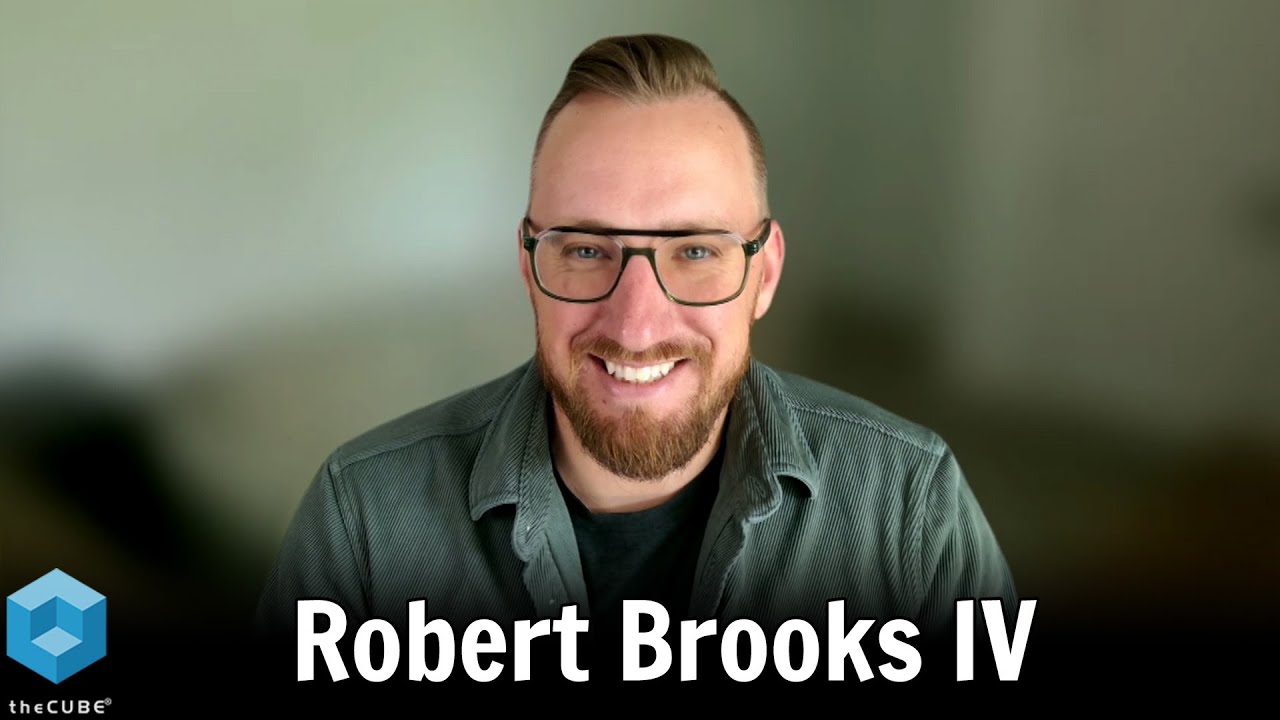
Aryaman Khanna, Arden
This episode examines automation for audit teams driven by artificial intelligence, AI and the future of auditing agents. Aryaman Khanna of Arden is co-founder and a member of Y Combinator's spring batch. Khanna explains Arden adopts an AI-native approach to automating audit workflows by building a context graph that integrates systems, documents and policies using Neo4j to surface evidence, automate control testing and streamline internal audit processes. They describe how the context graph enables efficient querying over terabytes of data and how Arden functions as an AI layer on top of existing audit tools.
Key insights include AI serving as an accelerant that removes repetitive work so auditors focus on professional judgment, the increasing importance of auditing AI and agent actions as a critical enterprise control plane, and pilot traction with bespoke integrations into customer workflows. The conversation is hosted by John Furrier and Dave Vellante and covers audit automation, enterprise controls, compliance and Sarbanes-Oxley considerations.
In this interview from theCUBE + NYSE Wired: Mixture of Experts Series, Aryaman Khanna, co-founder of Arden, joins theCUBE's John Furrier to discuss building AI automation for audit teams fresh out of Y Combinator's spring batch. Khanna details how Arden tackles a quarter-trillion-dollar industry still bogged down by spreadsheets and manual screenshots. He explains the company's "context graph," a Neo4j-powered system that connects an organization's tools, policies and institutional knowledge into a single queryable brain accessible through Slack or Teams. Kh...Read more
exploreKeep Exploring
What are you building, and why did you decide to focus on the audit / SOX space?add
Are you using a graph database to build the context graph, and if so, which graph database do you use?add
What is the sequence of events when onboarding a new customer—do you ingest their data and build a context graph first, and how does the overall process proceed?add
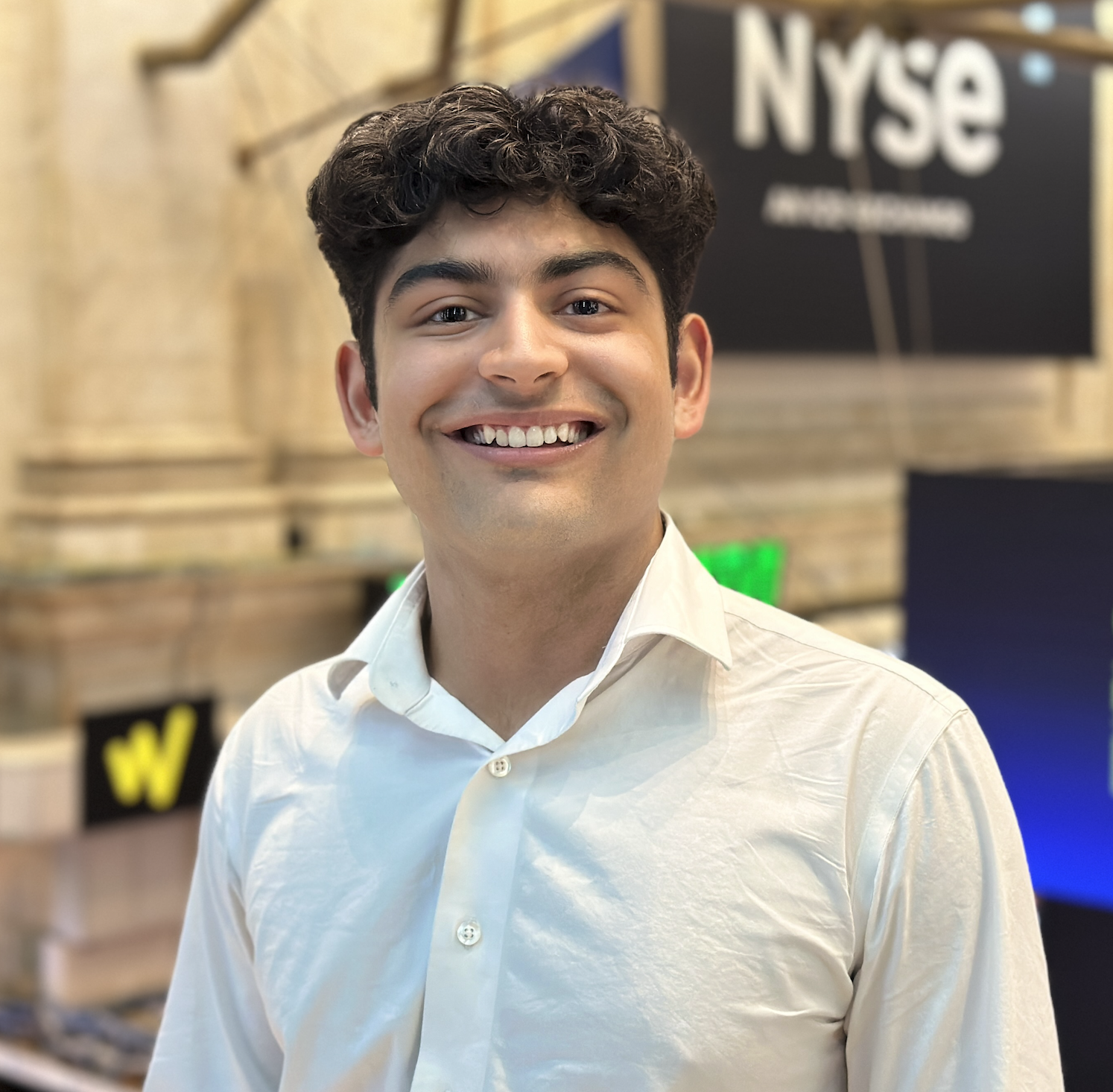
>> Palo Alto Studio connecting, Silicon Valley and Wall Street. I'm John Furrier, host of theCUBE here with Dave Vellante, my co-host. I'm John Furrier, host of theCUBE here at theCUBE's NYC studio. Of course, we have our Palo Alto studio connecting Silicon Valley to Wall Street. It's our Mixture of Experts series. We talk to leaders who are out there or up-and-coming entrepreneurs who are bringing the innovation in the AI area. Aryaman Khanna, co-founder of Arden, is here. just fresh out of Y Combinator in the spring batch, got his seed funding, he's rocking and rolling in a really unique area. Thanks for coming on theCUBE. Appreciate it.
Aryaman Khanna
>> Of courseYeah. Thanks for having me.
John Furrier
>> So you and your co-founder, it's a classic case of an AI native startup. Yeah. Right out of the spring batch of Y Combinator.
Aryaman Khanna
>> Yeah.
John Furrier
>> Talk about what you're doing first. Yeah. Then we'll get into some of the dynamics because I think you illustrate the intersection of this next generation founder.
Aryaman Khanna
>> Yeah. Yeah. first what we're building, we're building Arden, which is AI automation for audit teams. Uh, it's like the simple one-liner. Yeah, like you mentioned, we're in the Y Combinator batch, just raised our seed funding. And I think it's the new generation of companies which are AI native and tackling difficult verticals and regulated industries. Uh, audit, accounting, insurance, these are all industries that are still stuck in the past. And I think you're gonna see a new wave of startups where it's not necessarily like the domain experts who are tackling the problems.
Aryaman Khanna
>> Yeah.
Aryaman Khanna
>> It's gonna be newcomers and people who have a fresh perspective on the industry and therefore aren't confined to what the industries look like today, but rather can see room for change and how some of these processes can just be removed and redone in a better way.
John Furrier
>> We were talking before we came on camera, you're at Cal, you dropped out, started a company, went to Y Combinator, got the funding. Now you're targeting this area, but there's a personal connection to why you're targeting this area. It's not obvious. You don't see that on the bingo card at Y Combinator. Audit is an area that's not obvious for the AI native elites.
Aryaman Khanna
>> Yeah. Yeah. Yeah. Everyone asks me, why did you drop out of college to work on audit and SOX? Right? Like it's not the most exciting field. But my mom, like you mentioned, she was an auditor, so I've kind of grown up hearing a lot about the space. Although I don't think I ever really thought about it too deeply from an AI technical perspective until more recently. It's a massive industry, right? Audit is like a quarter trillion dollar industry and it's still run very manually. Excel sheets, screenshots, and a lot of work that is very manual. And we think fundamentally these specialized industries, audit accounting, there's so much domain expertise that comes into it with the auditors. there's so much that they know about how to apply judgment and evaluate if a company's operating as they should. but they're not able to focus on that work because so much of the job is now just pulling data from spreadsheets, writing things in Excel.
John Furrier
>> I mean, the grind is off the charts. We can almost imagine, we all know people who are in finance or accounting and audit in particular.
John Furrier
>> Yeah.
John Furrier
>> The forensic work they have to go through, but the tooling is paper. I mean, they have no tooling of any kind. It's like manual. Yeah. So they're stuck in the mechanism of old ways of doing things when they could be applying their brain with AI assistance.
John Furrier
>> Exactly. Yeah.
John Furrier
>> I mean, that's where the domain expertise comes in.
Aryaman Khanna
>> Yeah. AI is such an accelerant for these people, meaning they now have the capacity to, you know, evaluate more things in their company, take on more clients if it's an external firm. They can do so much more if AI's able to help them and take away some of that grunt work. and it's just like, these people shouldn't be doing this work. coming from a college background, I looked at it and the first month of our company we were just shadowing these people. We sat with them, we learned their workflows, we understood what they do. And me and my co-founder would come home and we would talk, there's no way this is what they're doing. We're fully automating our coding with AI, we're fully automating everything internally.
John Furrier
>> And then the people— you got multiple monitors, you got a big screen, you're gaming on your downtime. Then there are like 20 things at once, everyone's fumbling. With paper and screenshots. Talk about how you're attacking the solution because you have a clean sheet of paper. You don't have the dogma and the religion from the old school
John Furrier
>> methods.
John Furrier
>> Yeah.As you guys jump in, what are you focusing on first? Obviously I like that little forward deployed engineer vibe. Great startup technique. All the successful companies do that. They just sit down and look at the
John Furrier
>> customer.
John Furrier
>> Yeah.And that's a Paul Graham legendary concept. Just solve the customer problem.
Aryaman Khanna
>> Exactly. Yeah. I think first of all, the biggest thing in an industry like audit is context, right? How do you— the reason why this work is so spread across and done by hand is it's really hard to understand what an auditor needs to do because so much of the work is very bespoke. So the question is how can you understand a company's processes, right? So the first thing is what we've built is what we call a context graph. And that's a detailed understanding across all of their systems, all of their company docs, policies. A lot of this work is like you have a senior auditor who's been there 20 years and he knows where to pull evidence for one test. No one else knows that it's in his head, right?
Aryaman Khanna
>> Yeah.
Aryaman Khanna
>> How do you extract that out? We've built integrations into every system they use and they can talk to Arden in Teams, they can message it in Slack, they can talk to it in any form. It's like a brain. It learns.
John Furrier
>> It's a brain
John Furrier
>> . Yeah.
John Furrier
>> So are you guys using a graph database and connecting all that? Which graph database do you guys use?
Aryaman Khanna
>> We use Neo4j right now as a graph database. But we've played around with a lot of different ways to do this.
John Furrier
>> But that's a nice scalable model. But also the key about graphs is it's not just one database, it's just like the neural pathways to other databases.
Aryaman Khanna
>> Exactly.
John Furrier
>> So you're connecting into other databases and creating a graph.
Aryaman Khanna
>> Exactly. Yeah.
John Furrier
>> So that's your context graph.
Aryaman Khanna
>> Yeah, exactly. And it's like you not only have, yeah, it's not only one graph like you said, right? It's connected across all of these systems. And the question is how can you query that in an intelligent way? Because you now have so much data, like terabytes of data. And if you're just accessing all of it at once every single time. That's extremely computationally inefficient. So the question is how can you reduce all that into a smaller form?
John Furrier
>> Take me through what happens when you walk into a customer. Are you ingesting data? You build in the context graph first. Take us through the sequence of events.
Aryaman Khanna
>> Yeah, yeah, yeahSo that usually comes in later. Typically when we onboard a customer, what we'll start with is we'll take some of their basic company docs and policies and understand, for audit, the big thing is control testing, right? Meaning how do I evaluate that some process is working as it should? They have hundreds of these processes. So first we need to understand what are their processes, right? So these are all documented in Excel sheets. So we'll take all that information to understand, hey, what are we looking at now? We also internally across clients have now kind of compounded this into a better understanding for how audit procedures run, meaning it's not only now what they do, but we also have our own ways of doing things. So combining that together gives you a pretty good way to do any of these tasks.
Aryaman Khanna
>> Docs.
Aryaman Khanna
>> Um, so we take all their docs and then we'll, for a pilot, for example, we'll run a couple of these procedures and show them that you can run the test end to end, meaning you can grab the data from your email or your team sheet. You can process all this into our engine. We'll find any issues and we'll surface them back to you. And then we'll write your final audit documentation and you can review all of that.
John Furrier
>> What's the vibe like in San Francisco right now? Because you gotta recruit people. Are you guys trying to keep the team small, use a lot of leverage on AI?
John Furrier
>> Yeah.
John Furrier
>> What's the, what's the current vibe right now for you guys in San Francisco?
Aryaman Khanna
>> Yeah, I think, the way it's going now in San Francisco is everyone is very much in this concept of the 10-person, $10 billion company, meaning you have efficient, lean teams that are using AI really productively to do their work. I don't think it's gonna be as crazy as people say, yes, you can build a one-person, $1 billion company, but why would you do that? It doesn't make any sense.
John Furrier
>> Just hire some other people.
Aryaman Khanna
>> legend.
John Furrier
>> Exactly
Aryaman Khanna
>> . Totally.
John Furrier
>> Yeah.Right. Yeah. And the guy who did it, by the way, was a scammer. He is in jail now. Uh, that story of the one guy who did it.
John Furrier
>> Yeah.Yeah. There's big controversy on that. No, but it does, it's not the one, but there is, yeah, there is leverage. I was talking with RAFA (RAFA AI / RAFA PRO) and they, because they were bootstrapping, they actually effectively built a killer Agentic finance system where this controller has all these tools and they're using that now.
Aryaman Khanna
>> Yeah. Yeah
John Furrier
>> . And that was just, they were driven by the necessity of, they didn't have the cash.
Aryaman Khanna
>> Exactly.
John Furrier
>> And so, but that's one example. But if you're AI native, yeah, you can just build out these systems on your own with agents.
Aryaman Khanna
>> Yeah. I mean, right now there's no need. I mean, we, we're able to do everything ourselves right now, so there's no need necessarily to hire. I think we will start doing more of like, forward-deployed engineers to like, we're calling them basically forward-deployed auditors to go in there and sit with audit teams, learn their workflows and codify that back in. But right now, we have the capacity.
John Furrier
>> How many customers do you guys have right now?
Aryaman Khanna
>> We have 3 customers right now.
John Furrier
>> What's been the feedback?
Aryaman Khanna
>> Yeah, the feedback has been every company runs very differently. I think that was a big learning point for us being that we can't just come in with a solution to everyone and say, hey, just start doing this and it works. No, no, no. Every company is very different. We now offer a lot more bespoke integrations, workflows for every client to really, really work into what they already use today. Meaning these companies have some, you know, old audit tool, like it's called AuditBoard or Workiva. It's these old audit project management tools and most of them still use them today. So our move here is not, yeah, we're going to replace everything and we're going to make you redo your whole process. No, no. We're strictly a value add. We're an AI layer on top of what you work with today. Maybe in the future our goal is that we're going to take those things out slowly. But the question is, how do you make it only a value add for them right now? And that's what we do.
John Furrier
>> Well, great to have you on. There'll probably be investors watching this, potential Series A investors, future customers. What's the pitch for you guys? What's the vision?
John Furrier
>> Yeah.
John Furrier
>> What do you want them to hear?
Aryaman Khanna
>> Yeah. Yeah. I think there's a lot of ways this can play out. I think the most interesting one to us recently has been the concept of auditing AI in an enterprise, right? So audit is becoming the control plane of an enterprise, right? And right now that means validating what humans are doing across the enterprise, who's touching what data, who's doing what task. But now we're going to see a world in which agents are actually going to be the number one user of enterprise tasks, right? Agents are going to be the ones doing tasks. They're going to be the ones touching data. The question now becomes how can you audit the AI, right? If you have 100x more agents than humans doing tasks in an enterprise, who's going to verify, what that agent can do, right? So now all these controls that are applied are now going to 100 or 1,000x, so we kind of see this becoming the control plane of the enterprise, validating not only human actions but what agents are doing. And from a
John Furrier
>> security—and define the word audit in context of the market category versus an auditor who goes out and audits a company. Yeah. You're talking a little bit more broader inside the company.
John Furrier
>> Yeah. Yeah.
John Furrier
>> They're auditing their processes.
John Furrier
>> Yeah.
John Furrier
>> Internally, not like they're not a service firm.
John Furrier
>> Yeah.
John Furrier
>> But just to get clarification.
John Furrier
>> Yeah.
John Furrier
>> Right.
Aryaman Khanna
>> So there's internal and external audit. internal audit is like you mentioned, the people in the company who audit, internally, what is the company doing? They're the ones who are preparing documentation to make sure that everything works as it does.
John Furrier
>> Yeah.
Aryaman Khanna
>> They then share that with external firms like your Deloitte, your KPMG, who will come in, validate that documentation, report to the SEC. And those are like the legally registered entities. We are tackling internal audit teams right now.
John Furrier
>> Yeah. And you, if you do a good job, that should help them with those relationships.
John Furrier
>> Exactly.
John Furrier
>> All rightFinal question is more back to the personal connection. If you were selling to your mom in her heyday, what would the pitch be?
John Furrier
>> Yeah.
John Furrier
>> More time. Yeah. Easier audits, better outcomes. What would be the pitch? Yeah. Watching her work and learning about it from her perspective, what would be the pitch?
Aryaman Khanna
>> It's a, you no longer have to do the work that you hate, basically. meaning you can now spend your time doing the things that are interesting rather than pulling data from spreadsheets. It's an hour saved argument.
John Furrier
>> Yeah.
Aryaman Khanna
>> Um, I think now we're seeing that actually evolve, which is really fascinating.
John Furrier
>> Yeah.
Aryaman Khanna
>> It's now to our customers, it's less of hours saved and more of, better visibility into your company's processes. You're able to catch potential multimillion-dollar issues, resolve them instantly. it's going bigger than hours saved. But I think I know my mom, and I think for her it would be don't do the work that you hate anymore.
John Furrier
>> Well, that's all. That's a great value proposition. There's a lot more. Look at Harvey AI. small little legal vertical.
John Furrier
>> Small.Yeah, not really, but yeah, they cracked the code on the domain expertise. They solve a real problem.
John Furrier
>> Exactly. Make things easy to
John Furrier
>> use.
John Furrier
>> Yeah.Take away the pain.
John Furrier
>> Yeah
John Furrier
>> . And then magic happens.
John Furrier
>> Yeah
John Furrier
>> . All right. Thanks for coming on theCUBE. Really appreciate it. the young guns are also the AI natives coming out of Cal, dropping out, starting companies in San Francisco and in New York, everywhere in the world. This is the generation that's going to create the new apps. They're first to adopt the tools, first to apply the new methods. Again, powering the next generation is happening here on theCUBE. We're doing our part to share that with you. I'm John Furrier, the host. Thanks for watching.


















































 John Furrier