We just sent you a verification email. Please verify your account to gain access to
Celosphere 2024. If you don’t think you received an email check your
spam folder.
In order to sign in, enter the email address you used to registered for the event. Once completed, you will receive an email with a verification link. Open this link to automatically sign into the site.
Register For Celosphere 2024
Please fill out the information below. You will recieve an email with a verification link confirming your registration. Click the link to automatically sign into the site.
You’re almost there!
We just sent you a verification email. Please click the verification button in the email. Once your email address is verified, you will have full access to all event content for Celosphere 2024.
I want my badge and interests to be visible to all attendees.
Checking this box will display your presense on the attendees list, view your profile and allow other attendees to contact you via 1-1 chat. Read the Privacy Policy. At any time, you can choose to disable this preference.
Select your Interests!
add
Upload your photo
Uploading..
OR
Connect via Twitter
Connect via Linkedin
EDIT PASSWORD
Share
Forgot Password
Almost there!
We just sent you a verification email. Please verify your account to gain access to
Celosphere 2024. If you don’t think you received an email check your
spam folder.
In order to sign in, enter the email address you used to registered for the event. Once completed, you will receive an email with a verification link. Open this link to automatically sign into the site.
Sign in to gain access to Celosphere 2024
Please sign in with LinkedIn to continue to Celosphere 2024. Signing in with LinkedIn ensures a professional environment.
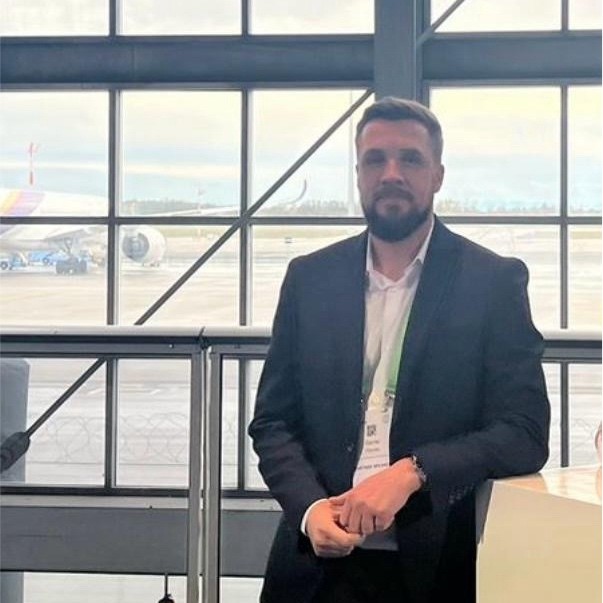
National Lead - Data Driven Productivity for Elective CareNHS England
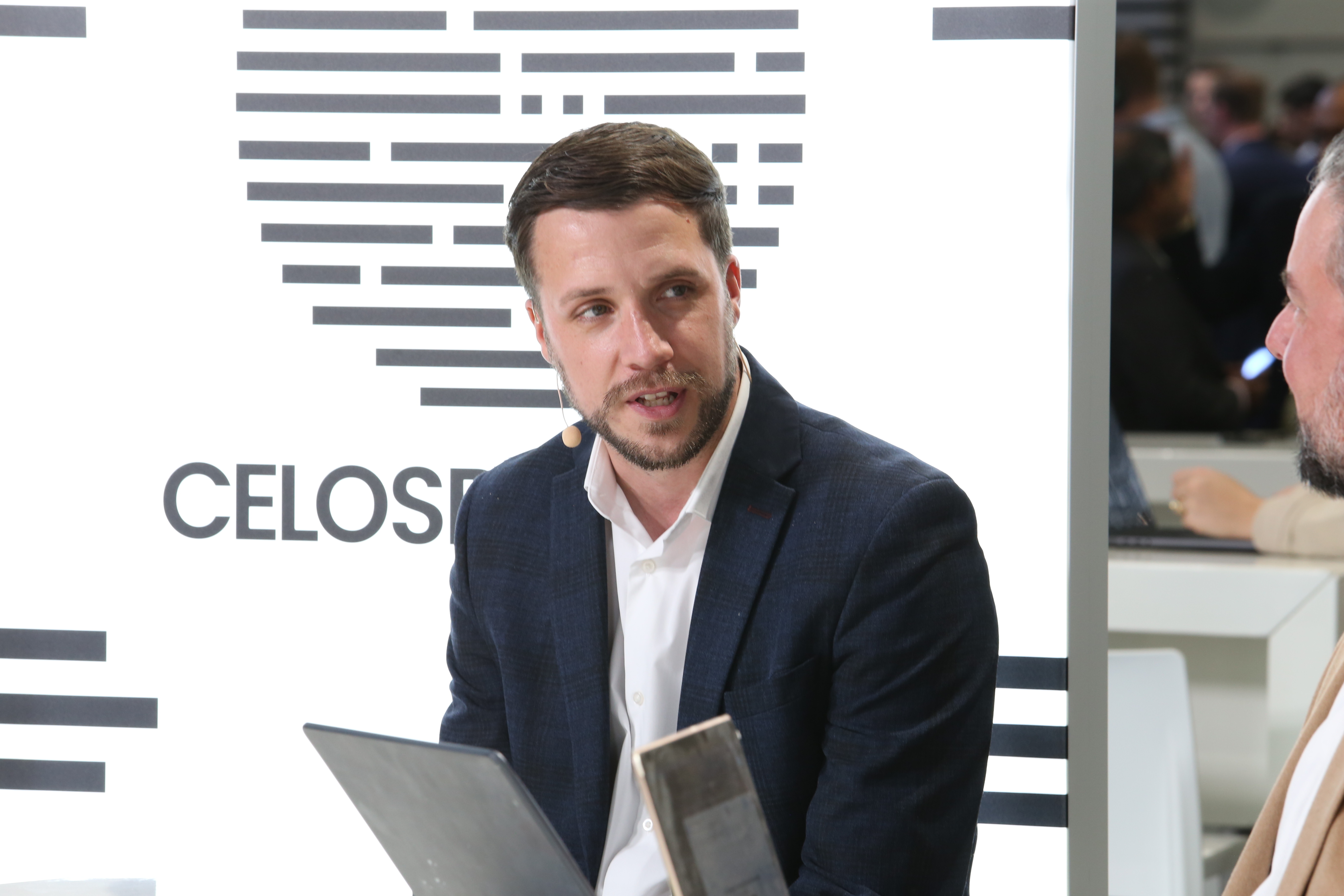
Dan from NHS explained how they used Celonis to optimize processes at Coventry and Warwickshire hospital. Process mining revealed the impact of sending text reminders to patients, reducing missed appointments and improving waiting lists. They also streamlined appointments for families, enhancing patient experience. Dan highlighted the importance of data maturity in successfully implementing Celonis at the hospital. He expressed enthusiasm for using AI to further enhance patient processes. Internally, the reception to Celonis has been positive, with awards and...Read more
exploreKeep Exploring
What improvements were made in patient communication at Coventry and Warwickshire using process mining analysis?add
What impact did process mining with Celonis have on patient attendance rates at Coventry and Warwickshire hospital?add
What approach did the organization take to improve communication with patients regarding referrals and processes?add
What are your thoughts on how AI will impact our platform and processes in the hospital setting?add
What advice would you give to hospitals and nationwide systems similar to NHS who are struggling with determining the best day to text their community or how to group patients and families together for appointments?add
What advice do you have for hospitals and nationwide systems similar to the NHS who are struggling to determine the best day to contact their community and how to group patients and families for appointments?add
What are your goals for the future in terms of improving processes and patient care in hospitals?add
What goals are you hoping to achieve with the national team and process mining in order to improve processes and patient care across the country?add
>> Good afternoon, Celonis
community, and welcome back to Celosphere >> here in Munich, Germany. My name is Savannah Peterson,
joined for these fantastic 24 segments with Rob Streche. Rob, I feel like our processes are getting optimized just by being
here today. Don't you agree?
Rob Strechay
>> This has been one of
the most efficient things. I think we've been mapped and
modeled, and now we're being optimized as we go through.
So this is fantastic. >> Yes, and I'm speaking of optimization and mapping and modeling. We've got Dan here from NHS. Thank you for joining us all the way from the UK today, Jan. How're you doing?
Daniel Hayes
>> I'm good, really good, great to be here, amazing environment, amazing atmosphere,
brilliant, really good. >> Yeah, you can really feel the energy. You've been on the
stage, huge day for you. Data driven productivity
for elective care, tell the audience what you do day in and day out for this fantastic and probably cognitively challenging job. >> I do quite a lot. So I have
a national role which is data driven productivity which is
across the NHS England, working with elective care, but my primary role is director of performance and informatics at a hospital in Coventry and Warwickshire, University
Hospitals Coventry >> country. So I have a very big job. and Warwickshire, second biggest
major trauma center in the >> So the processes and getting them optimized, we've been talking a
little bit about healthcare and getting people in, seen, and moving them through the entire stay. Is that a lot of what you're working on and how you're involved with? Or what are the processes that
you help actually understand and gain transparency to? >> So if we go back to our
original journey of process mining with Celonis, specifically at Coventry and Warwickshire,
we're focused on outpatients. I think that there's a view
that a patient comes into the hospital and has their appointment and goes. Using process mining, what we realized, that's
just not how it is. processes and There's thousands of different
variants and different different pathways that
patients go through. So back in October last year,
process mining allowed us to see that if you had an appointment tomorrow, we would send you a text message today. Invariably, patients
wouldn't turn up tomorrow. Then we were like, "Why's that?"
The process mining allowed us to look at reaction. So by looking at reaction,
we were able to move our communication with our
patients to day 14 prior to their appointment and day four. We started to see that people were turning up and being more
honestly engaged with the organization. We call it a did not
attend, which is a DNA. We used to have about 1, 800 per week. >> Wow. - That reduced down to
about 700 per week. What it meant was on our waiting list,
we just need about seven to 900 patients per week more, and our waiting list as
a result would reduce. So any patient that was then receiving them
two text messages were then coming into the hospital and
attending their appointment and not not showing up. So just from a simple, simple
change, but using Celonis and process mining to have a
look at reaction time for our patients. At the Coventry and Warwickshire hospital, we've looked at patients through
from outpatients to theaters
or the surgical space. We've looking at all different
aspects. We have mothers and members and joint appointments? How could we perform their
appointments with the family fathers on the waiting
list that have children. then your child coming
in in three months time, So it means actually instead
of you coming in tomorrow and how can we work together to bring them
appointments together and make things painless. But one of our biggest
focuses in the NHS is not necessarily the monetary value, but how can we improve our patient experience, the journey
that they're going on? How do we make that the most effective and efficient for those that
are obviously using healthcare at a time that obviously they don't really
want to be in a hospital. So it's great for our patients. >> Those are two different but massive process improvements
that you just mentioned, super fascinating to know the time of the text message has such an effect. I'm very curious, although
I'm not surprised. There's a lot of interesting psychology that controls our very
complex cortexes up there. How long have you been
working with Celonis and how quickly did you
realize results like that? >> Happy anniversary.
- Yeah, thank you. The spec was done working with In the NHS, we're rolling it
out to four other hospitals and started our journey. >> So we're probably coming up
to our 12-month anniversary at Coventry and Warwickshire specifically. at Celosphere, so it was
about this time last year, we different organizations, but Coventry and Warwickshire specifically
for my role, about a year. process mining was brought to us with We're very data mature, data
driven, operationally led, so an organization that said, "Actually, you're quite
good with your data. " So we did that over
about an eight-week sprint. How can we work with you to
improve processes and obviously improve patient experience? The text messaging came quite
early on in the process. When And yeah, we bore the fruits
on that very quickly. So if we saw it, how did we not know that? we're talking about last
September, but the 15th of October, we were full steam
ahead and obviously seeing the benefits and reaping the benefits for our patients. And our waiting list started to reduce as a result of all of it. >> So I'm very interested, because I think everybody looks at it, and data is really the key
to this or to AI and to where people are going. When you say you were very
mature in how your data was organized, did that
really help you get up and running much faster? And is it the same across all of NHS? Or was it more your particular hospital? And how are you going to deal
with that as you roll it out? >> I think there is variation, depending on what organization you work at. Nationally, every hospital
has to do the same submissions every week,
every month, every quarter. So we all know that from a patient perspective,
we've got time stamps. We know when patients are being
treated. So from a holistic perspective. We know when patients are
being referred into our organization. view, we are able to look
at process mining in that Where things become different is around maturity is about how inequalities and being able to look
at patient demographics and looking at the social
demographics of patients, being able to look at
it slightly differently. That is a variation within the NHS, but if we looked specifically
across the NHS, we all have a base minimum mandatory requirements that provide data so that we're
able to look at the wider landscape. mining has allowed us to use that data So we are really data rich
with the NHS. Obviously process and become ... The rich data that we've got,
how do we then improve patient experience and patient processes? Because ultimately, we all join the NHS to put our patients first. >> How are your patients responding? Have you been able to hear and get that user feedback rom folks who were able to get off the wait list say sooner or come to a visit with their entire family versus five different independent visits? >> I think this intelligent
question on the premise that most patients want
to come in, get treated, and go home, and feedback is
always a challenge, because it's not necessarily
about the process itself. It's more about their care and whether they've ... It's the individual
steps within the process, not necessarily the process itself. We partnered with Celonis.
We did a piece about a brand of artificial intelligence
with IBM, great colleagues of ours where we looked at the Domino's and Amazon process. So if you order something
from Amazon or if you order a pizza, you'll get a reply
saying, "It's in the oven," or, " It's been dispatched. " We weren't doing that
for our patients, so a lot of our phone calls into the
organization was, "Have you received my referral today? " So we used a bit of AI and
we used the process mining and looked at which patients we could receive into our organization and then just send them
a communication saying, "Actually, we've received your referral. " I think it's about having
that two-way dialogue design through our IBM with patients, but a lot of
that came from user centered colleagues speaking to the patient, saying, "What would you want? What would make you feel a little bit more assured about your process? " Ultimately, that's what we're there
for, making sure that the patient is
at the heart of everything that we do. >> Yeah.
- Do you see that proof of concept with the AI that
you've done, do you see that being implemented? Or how do you see that now? Because you're data rich, and I think that's one of
the things we have to be to really have you
understand your processes. You're mapping and mining those. How do you see AI helping you? And are you excited about what you're hearing this week as well? >> So I'm a big AI fan. There are some people who
said it'll change it to the Most people have said it will
change it for the better. I saw something over there.
Will it change our platform? From what we've done over the
last five months, I genuinely about giving So I'm really supportive of
it. I think primarily, it's throughout the hospital setting. processes and people's comfort
in day to day processes opposite side. believe that we could use
data, AI to improve our patient the confidence to the
people using the service, that actually it's not
going to impact them as an individual, but actually it
might help them through our about it, processes. But it won't impact them. People
are a little bit skeptical but actually from what we've
been, it's primarily back office functions where the
process itself actually improves their patient journey, but
doesn't directly impact their clinical need or their health. Like I said, I'm really AI pro, but I understand the skepticism
around that implementation within healthcare and how that impacts people. >> We're very pro-it as well.
- I don't think we could sit here and do this day in
and day out if we weren't. Your example with the referrals is the perfect example of that. The American healthcare system
is a bit clunky when it comes to referrals, and often you don't know if you've been referred or not. Occasionally, you're informed in real time, but not necessarily. So that as an example is
definitely significantly higher. I'm curious from an internal perspective, and maybe this is invisible, so you can tell me if this isn't something that people are necessarily
experiencing the benefits of. You've got 1.5 million
people working for NHS. How has the reception to
Celonis and to the toolkit and the increased efficiencies
you're seeing here been? Are people noticing it? Or is it just, oh, something magical happened, and now things are a little bit better. >> People are turning up.
- Yeah, I think that ultimately, this is completely new to us. You've got to ask yourself,
if we don't do something new or different, how can we make a change? Our chief executive is absolutely data driven and wants
us to think about how we can use our data to
improve people's lives. So having that stakeholder
group that is from the top in terms of leadership is obviously phenomenal. in the NHS. Internally, we've won awards
for it in terms of process mining. There's a health service journal
which is quite a big award We won in that for our process
mining. So I think it's really important to have the
stakeholders and the people engaged. From a data and informatics and a business
intelligence perspective, you're talking to people who
will write SQL script and write code, and you're giving them
something new to play with. differently worse. They absolutely love it. It's
like a Christmas present to them. It's a win-win, because actually
we're not doing anything We're actually doing
something differently better for everyone involved. I think that it depends which
way you look at it. It's great for the people using it, but it's also great for the people
and the population that we >> It's a Christmas present
for the data nerds, is serve, I suppose. what I just heard there, of which we all are sitting at this desk. What advice would you have to
both other hospitals as well as other nationwide systems
similar to NHS who are listening to this and thinking, jeez, we
don't know when the best day to text our community is or how to group patients, families together for their appointments? What would you tell them? >> I got asked a similar question
in my talk earlier today, We've worked 12 months
with Celonis. They're and embrace it. a great bunch of people. They have your best interest
at heart. Embrace the process. Embrace learning that you might find something
that you don't know existed. Also, if you think there's a problem, don't wrap the process mining around it. Let the process mining find the problem and then wrap the solution
and intervention around it. That would be my view. Let the
process mining tell you where the problem is, rather than
what you think is the problem. >> Let the tool do the tool,
rather than try and control it. That's actually absolutely
outstanding advice. I've got one last question
for you. You mentioned that it is your 12-month anniversary, your second Celosphere. What do you hope to be ale to say when we have the opportunity to talk with you this time next year
that you can't yet say today? >> winning
the Champions League. >> There you go.
- We did bring it in this segment. >> We'll see about that.
- So this time last year, it was just one hospital. Here we are now, five hospitals. I think if this time next year it was 10 hospitals, that would be great. But ultimately, I'm doing a
lot of work with the national Because like I said before the chat, would be obviously where I'd love to be. team around how we can use process mining. We call it the federated
data platform, how we can use process mining to improve
processes across the country, I'm from Birmingham. So I don't live in
Coventry and Warwickshire. I work in Coventry and
Warwickshire. UHW runs through my veins, and I do that so I
want to improve patient care. If we can do that on a wider
scale, I want to improve people's lives, and it doesn't have to be in Birmingham. Up and down the country would
be absolutely phenomenal. So this time next year, if we can double what we've done
today, then for me, that's an achievement. >> Well, Dan, on behalf of
all of us here at TheCUBE and all the lives you're impacting there in England, thank you. >> Thank you.
- And we look forward to having that dialog next time. Rob, always a joy, and thank all of you for tuning in to our fantastic content here at Celonis Celosphere in Munich, Germany. My name's Savannah Peterson. You're watching TheCUBE, the
leading source for enterprise tech news.