We just sent you a verification email. Please verify your account to gain access to
Celosphere 2024. If you don’t think you received an email check your
spam folder.
In order to sign in, enter the email address you used to registered for the event. Once completed, you will receive an email with a verification link. Open this link to automatically sign into the site.
Register For Celosphere 2024
Please fill out the information below. You will recieve an email with a verification link confirming your registration. Click the link to automatically sign into the site.
You’re almost there!
We just sent you a verification email. Please click the verification button in the email. Once your email address is verified, you will have full access to all event content for Celosphere 2024.
I want my badge and interests to be visible to all attendees.
Checking this box will display your presense on the attendees list, view your profile and allow other attendees to contact you via 1-1 chat. Read the Privacy Policy. At any time, you can choose to disable this preference.
Select your Interests!
add
Upload your photo
Uploading..
OR
Connect via Twitter
Connect via Linkedin
EDIT PASSWORD
Share
Forgot Password
Almost there!
We just sent you a verification email. Please verify your account to gain access to
Celosphere 2024. If you don’t think you received an email check your
spam folder.
In order to sign in, enter the email address you used to registered for the event. Once completed, you will receive an email with a verification link. Open this link to automatically sign into the site.
Sign in to gain access to Celosphere 2024
Please sign in with LinkedIn to continue to Celosphere 2024. Signing in with LinkedIn ensures a professional environment.
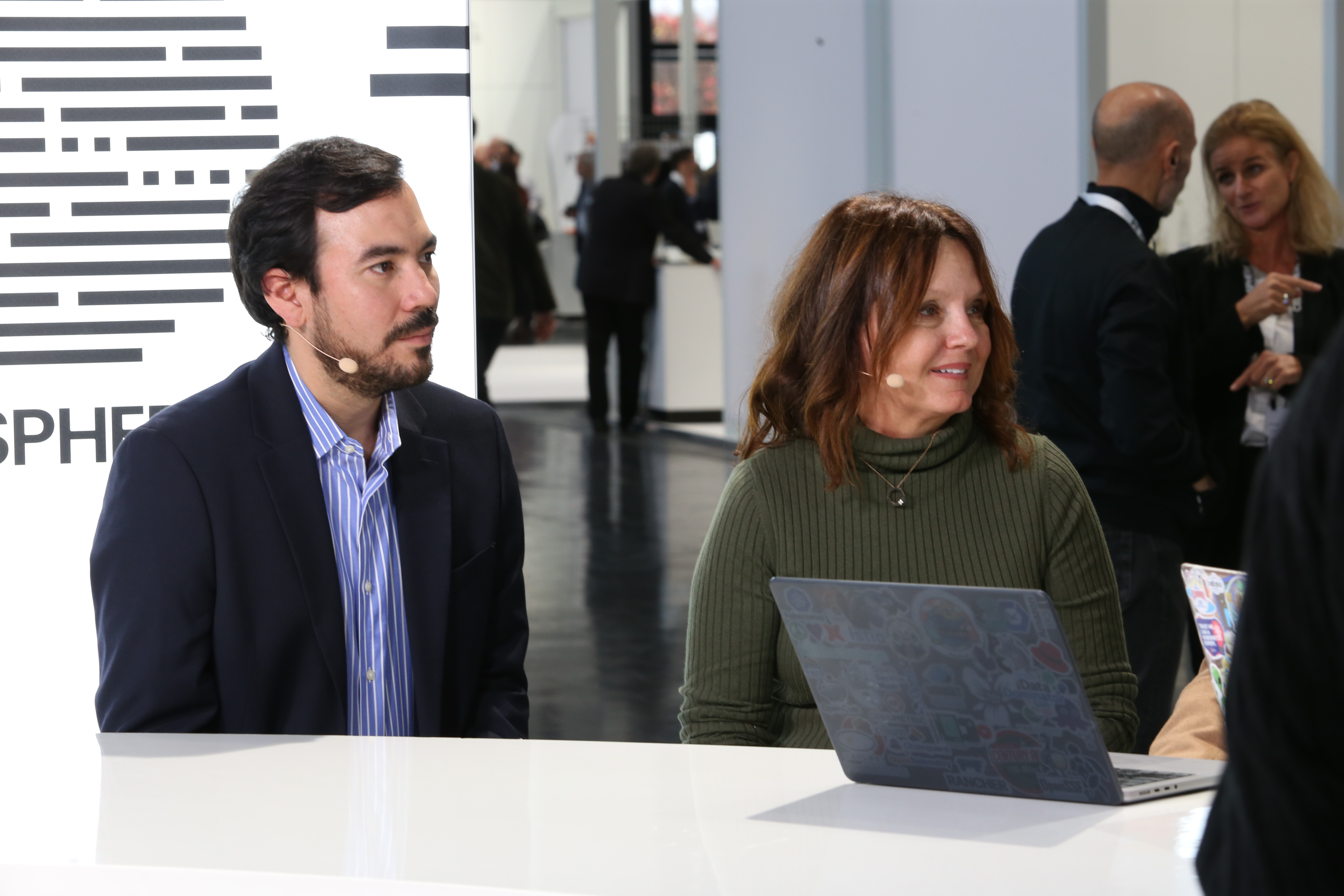
Arturo Castellanos Bueso & Monica Tremblay, William & Mary
Arturo Castellanos Bueso
Assistant Professor, Raymond A. Mason School of BusinessWilliam & Mary
Monica Chiarini Tremblay, PhD
Hays T. Watkins Professor of BusinessWilliams & Mary
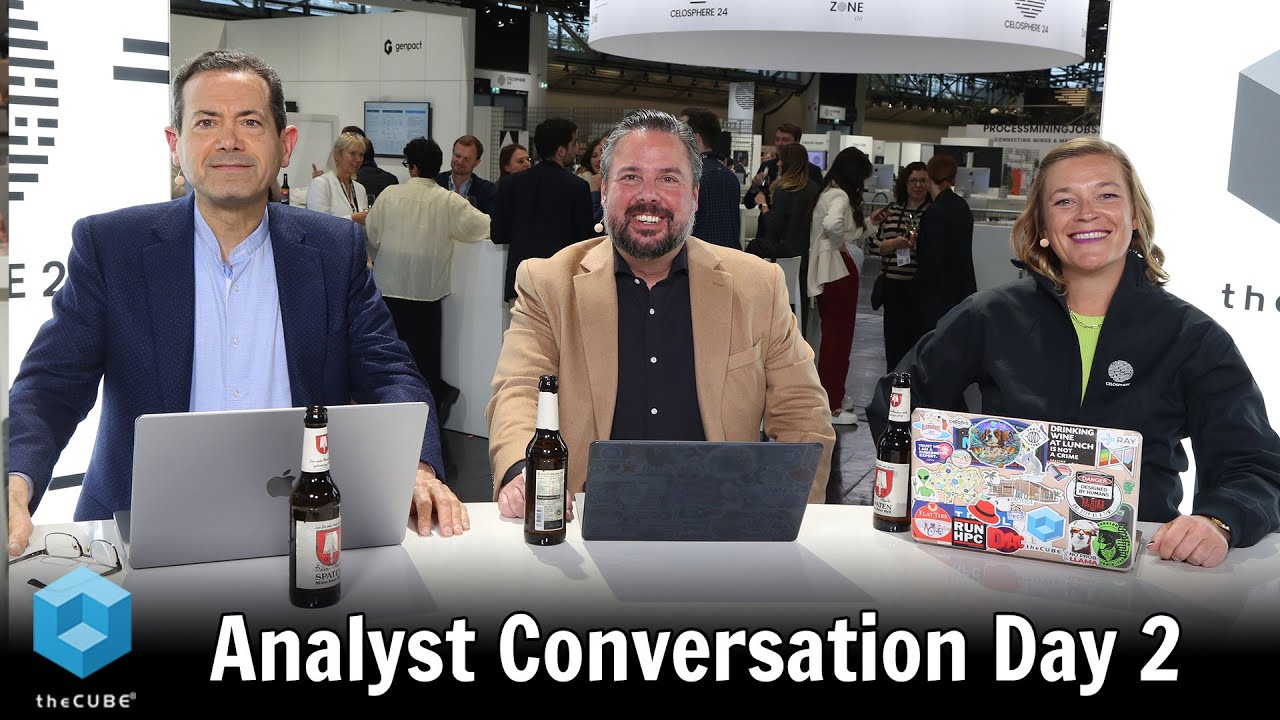
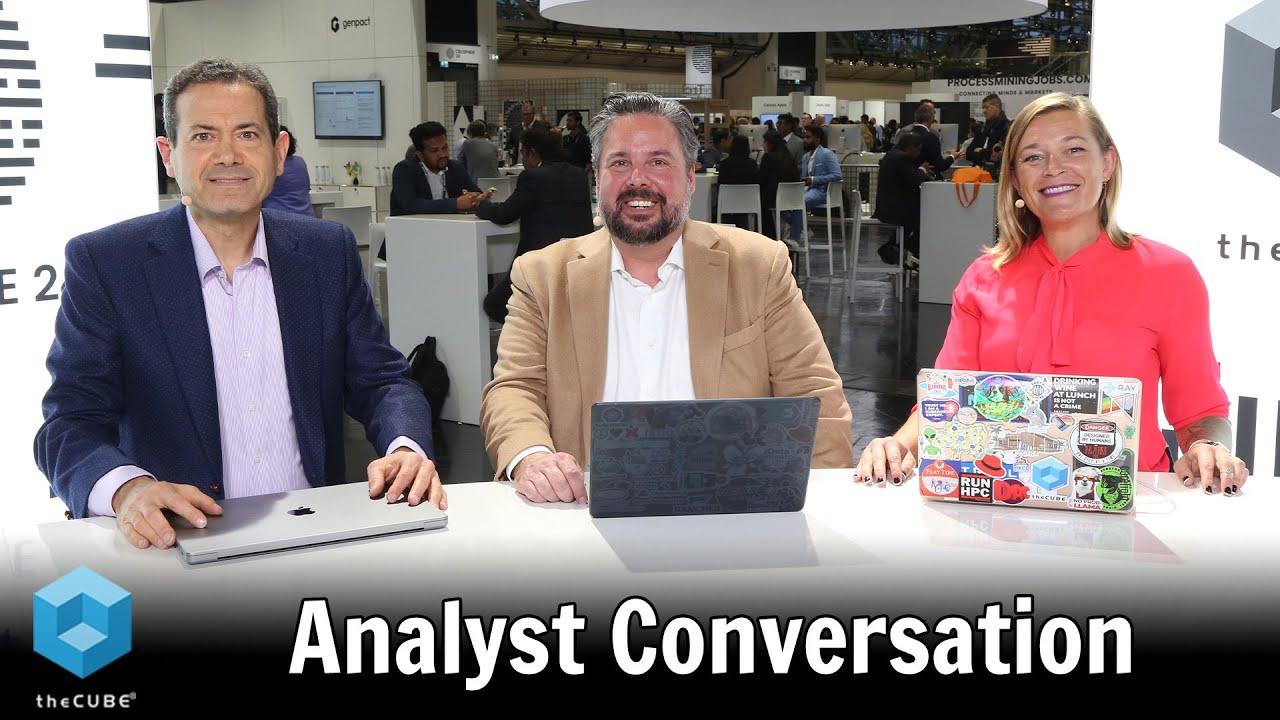
Good afternoon, Celonauts. We are in Munich, Germany, wrapping up day two of 25 segments. Savannah Peterson and Rob Streche are here with guests Arturo and Monica from William & Mary. They are professors working on process mining to optimize systems in criminal justice practice. Monica discusses a project in Texas using data sets from juvenile justice and mental health. They partnered with Celonis for insights. They highlight the correlation between mental health and detention, inadequate mental health treatment, and escalating minor crimes. The need to under...Read more
exploreKeep Exploring
What do Arturo and their colleague do at William & Mary?add
What collaboration project are you currently working on with Evident Change, and how did it initially begin with the data sets you were looking for in a special issue journal?add
What project did Arturo and his students work on as part of their academic alliance with Celonis?add
What is the solution for scaling treatment for children with mental health disorders when dealing with a large number of cases?add
Arturo Castellanos Bueso & Monica Tremblay, William & Mary
search
Savannah Peterson
>> Good afternoon, Celonauts, and welcome back to Celonis Celosphere. We are here in Munich, Germany, coming to the end of day two of 25 different segments. My name is Savannah Peterson, joined with Rob Streche for all the fun, and it has been fun, right?>> It's been educational.
Savannah Peterson
>> Yes, it has been educational, but learning can be fun. And what a way to tee us up for these next two guests from William & Mary, Arturo and Monica. Thank you so much for taking the time.>> Thank you for having us.>> Thank you.
Savannah Peterson
>> We're all a little ways from home as Americans. How's the week going so far for you, Monica?>> It's been fantastic. It's been a whirlwind.
Savannah Peterson
>> Yes, I can imagine. I can imagine. Arturo, tell me a little bit about what you two do at William & Mary.>> Yeah, so we're both professors there in the School of Business, and we do research. We're working on this particular research on process mining working with an NGO, criminal justice practice system to try to optimize some of the processes and the efficiencies in this system. So this is both from a research perspective, and from a teaching perspective, we are professors in the MS in business analytics. So I teach courses on big data. Yeah.
Savannah Peterson
>> That's got to be a popular program right now. I don't think data has ever been hotter. I'm really excited to have you both on, and I'm glad we could do this, because process mining comes out of research. We had Wil on earlier to talk about it. Without academia, none of us are sitting here, quite frankly. So Monica, tell us a little it more about the project that you're doing in Texas. Let's get into it. How is process mining going to impact people in this particular use case?>> So this is part of collaboration with a company called Evident Change. I sit on their board and I reached out to their head of research who is Erin Espinosa who presented with us yesterday. We were specifically looking for a type of data set for a special issue in a journal. So that was how we started. She started to describe the project for us, and it had all the flavors of stuff that we love, the challenges that we love. Two data sets that weren't meant to be combined, so essentially data from juvenile justice and the Department of Justice and data from mental health that's essentially claims data from Medicaid. It's already 10 years old, but the problems haven't changed. So we looked at it as a potential for a pilot. We initially made it a machine learning project, and then when we started to look at the results and we started to describe what features were important, Erin, our partner said, "You're not predicting what the kid is going to do. You're predicting what the system does to the kid." When I heard those words-
Savannah Peterson
>> I just felt that.>> Right? We had been a Celonis partner for a long time, a center of excellence. I said, "I think we have a tool to really look at this." So we started to put the data in. We asked Celonis for help. We got a ton of help, and the insights have been amazing.>> How has that partnership really grown? You said you've been partners with them in their academic alliance for a while. How has that really worked.>> So Andrew Lieberman was one of my students and he works for Celonis. Right after he started working for them, he reached out and said, "Would you do a capstone?" We put our students in three week projects where they do nothing else but the project. Arturo, you've worked with a capstone. Why don't you talk a little bit about it?>> Yeah, yeah. Well, once we used these tools for teaching purposes, then you start making connections back to your research. We just realized it's almost like we can use some of these techniques for this other project we have. It's all about using the right tool for the right task. So the ML approach, it was just not the right approach to tackle this particular problem with. So it was nice to be able to learn how to do it, teach the students, apply it with company data, real world problems, and then just saying, "Hey, we could use these techniques and solve this other problem that will impact the lives of so many children.">> What we like to call wicked problems.
Savannah Peterson
>> You know that, coming from problems.>> Yeah, wicked, wicked hard.
Savannah Peterson
>> You're speaking Rob's language. As you've both been talking, I can feel it not just in my brain, but in my heart. I say this lovingly towards our great nation. The United States is not known for its mental healthcare. That is not our strongest asset as a nation. Particularly, some of the systems that exist can really repress young people in a lot of different avenues, not just in juvenile detention or programs like that. What have been some of the insights, Monica, I'm going to go to you first, that you've found that were able to become actionable and change the trajectory here of what's happening?>> So one of the very first insights we got is that there was a really high correlation between having touched the mental health system and staying in detention or in that system much longer, sometimes 10 times longer, and how many times you re-offended. We dug deeper and what we found is that a large percentage of that population wasn't getting the right type of mental health. So they were prescribed A and they were getting C, probably around cost. We don't know for sure. We're digging into that still, so that was really eyeopening to us, one of the biggest ones where, are they getting the right type of it? Another thing that was almost heartbreaking is how many times it just essentially escalated. There were class C misdemeanors, which means they're not important or hard crimes, but they just have annoyed the local law enforcement. Eventually, it just started escalating, and we had one case that the kid, after 10 years, entered the system at 13. At 23, he's in prison for possession of marijuana.>> Wow. Have there been other things that you've learned about? Because again, you said you started out with ML and going down that path. We see this in our research that we do, that you really need to understand really the processes before you can do things with AI. I know ML was AI before AI was gen AI and everything, but is that what you were seeing in the data? Because people here, a lot of the platform in Celonis being able to ingest things from so many different systems, be it Snowflake or Databricks or other databases and things like SAP and CRM systems. Is that one of the things that you see as a benefit to working with them as well?>> Yeah, so that's a very good question, because we must think in terms of process, right? But what happens is that sometimes the reality is that we just have fragmented systems that we think of it as different silos. Even just connecting the data coming from all these systems, it's very hard. Monica just talked about two specific systems, criminal justice and mental health. But there's no unique ID that identifies the same children in both systems. So there's a monumental-
Savannah Peterson
>> Totally siloed, yeah.>> So it's a monumental effort in connecting this, but you need to understand the process. You mentioned the case of Chris that used to have bipolar disorder and needed medication and the accuracy of the treatment was not there. But how do we scale from one children when we have more than 200,000 children, right?>> Yeah, there's 175,000 Chrises in the world in the data set.>> Right, so it's very hard unless you have Erin, our other team member from Evident Change. She was a probation officer. She was able to take the time to learn Chris's story and push him to be a better person in society. But it's not scalable when the workload of these case workers is ever-increasing. So this is where tools like Celonis, once we know how to ingest this data and you understand the process, you change that mindset from system to process, and you're able to solve this problem.
Savannah Peterson
>> You're connecting the dots. You're connecting the synapses there, so to speak, within a system. I come from the Silicon Valley. When I think of now quite large companies, companies valued at $13 billion like Celonis, I don't always think of them as the most accessible to reach out to to collaborate with on a project of this scale, especially in academia and students. It's not always the most lucrative environment. It should be. It's a shame we don't value education more. What has it been like partnering with them? And what would be your advice to say other researchers out there watching this interview right now, thinking, wait a minute. We could really use a tool like that to help us build that out.>> Well, my sales pitch is always, I will train some people for free for you. We're just essentially-
Savannah Peterson
>> Love that. Reach out to Monica, y'all. Reach out. You heard it here first.>> So we are training students in process mining and explaining to them that this is the future. We heard process intelligence yesterday. I'd like in almost all my work to partner with this industry, because it's where the real problems are. So my advice would be, use your student network. If your students work in those places, reach out to them. Explain to them what you're trying to do, and they can be your real advocates, particularly if you gave them a good grade.
Savannah Peterson
>> I'm okay with bribing with good grades if it leads to great results, impact, changes the lives of our young people.>> That was a joke, though.>> I know, I know. But I think what was interesting is that it has tangible outcomes as well. It wasn't, hey, we just did this in a vacuum. It really has impacts. How have you been able to give feedback back to Texas?>> So we have not. We are using this as a pilot.>> For a paper, okay.>> No, this is a pilot, and now we are going to go speak to people, right? But we have shown, we have demonstrated the power of a 10-year old data set. So the first problem we always have is getting different agencies to give us data. It's not just the stock market. It's the data. These agencies, they're optimizing for their outcomes that they like. Now we're showing them that there's an even better outcome that you need to combine data sets. We now have proof that it can make a real difference.
Savannah Peterson
>> I can imagine that's the type of thing that could scale across a lot of different, not just the Department of Justice, but->> Oh, yeah, Department of Education, yeah.
Savannah Peterson
>> We talk a lot about total addressable market here. Hypothetically, it'd be every young person.>> Absolutely.
Savannah Peterson
>> That's pretty powerful. Arturo, what are you hoping happens next with this project?>> So it's very interesting, because we just came from another session of another NGO, completely different context, but you see similarities on how you tackle the problem, how you think of the problem, how you unpack the problem. How do you solve it? In our case, it was just two projects that were using object-centric process mining to be able to merge objects coming from different systems. Object is not the right connotation here, because we're talking about children. That object connotation is more like in a traditional business sense. But I think once you create those templates, it just gives you other opportunities to other government officials, other researchers to say, "Hey, we're almost talking about the same language. The context is different." So that's exciting. I think as I mentioned before, it's all about finding the right tool for the right problem. Before, I didn't know the whole process mining and how you can leverage event log data to tell a story of a child in this case. I think that's where other people will say, "Hey, I have a different context, but I could do something similar."
Savannah Peterson
>> It's pretty mind-blowing when you unlock that, when you realize how many different things could be dependent upon each other and trigger different sorts of events in the future. We think about it as saving money or adding value or shipping things faster, no delays on a plane. We're talking about completely changing the trajectory of an individual's life and giving them the support they need. Oh, I like that. It almost makes me emotional, being able to say that. I've got one last question for you both, because you're both fabulous. You're obviously starts of Celosphere as well. When we have you back on the show next year, one year from now, what do you hope to be able to say then that you can't yet say today?>> Wow, that we were able to impact policy.
Savannah Peterson
>> Yeah, baby, let's go. I love to hear that.>> Love that.
Savannah Peterson
>> Arturo, anything to add?>> Yeah, that's the most important, right? I think just we just unveiled what can be done, so some of the inefficiencies, identifying some metrics, KPIs, what you can look to optimize. That will hopefully enact new policies that can change the lives of so many people. The other aspect is that almost evangelize the whole idea of here's something we did. Do something similar. Change the lives of other people in whatever domain you work on.>> Like a chronically sick patient, can we get a whole picture of them?
Savannah Peterson
>> Oh, gosh, we could go on for days about that. But you're absolutely right, and I think legacy systems, and I say this with love, the government is definitely a legacy system as an organism, can be incredibly hard to change. Leveraging data like this is going to have that kind of impact. Arturo, Monica, thank you for all the life-changing work that you're doing. >> Thank you.
Savannah Peterson
>> This is a fantastic story not just with these young people in the future, but also with your students. Shout out to all of them at William & Mary.>> Go Tribe.
Savannah Peterson
>> What's up? Yeah. We look forward to having you back on the show. Rob, always a pleasure->> Always.
Savannah Peterson
>> To share the stage here with you. And thank you all for tuning in to our fabulous two days of coverage here at Celonis Celosphere. We're in Munich, Germany. My name's Savannah Peterson. You're watching TheCUBE, the leading source for enterprise tech news.