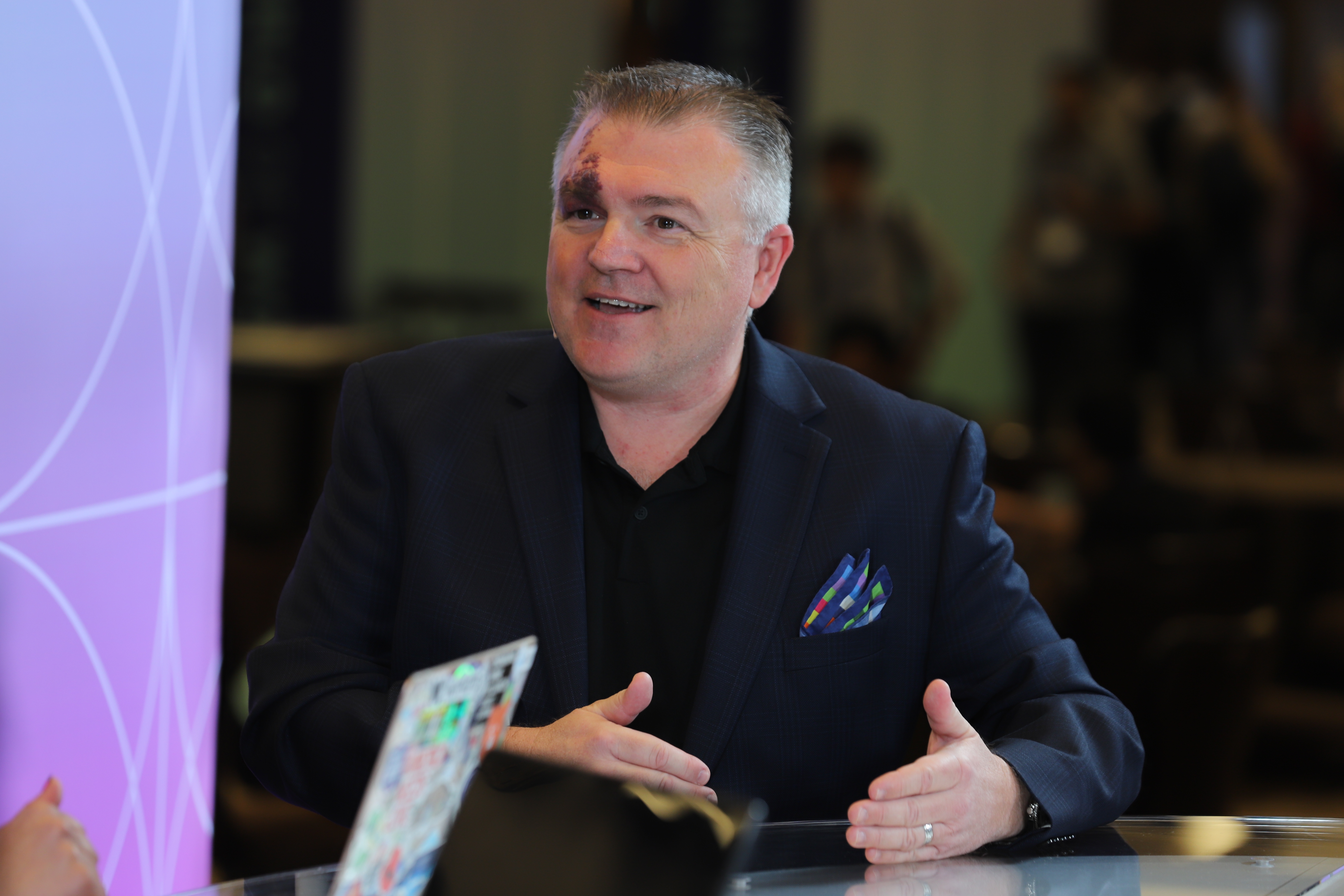
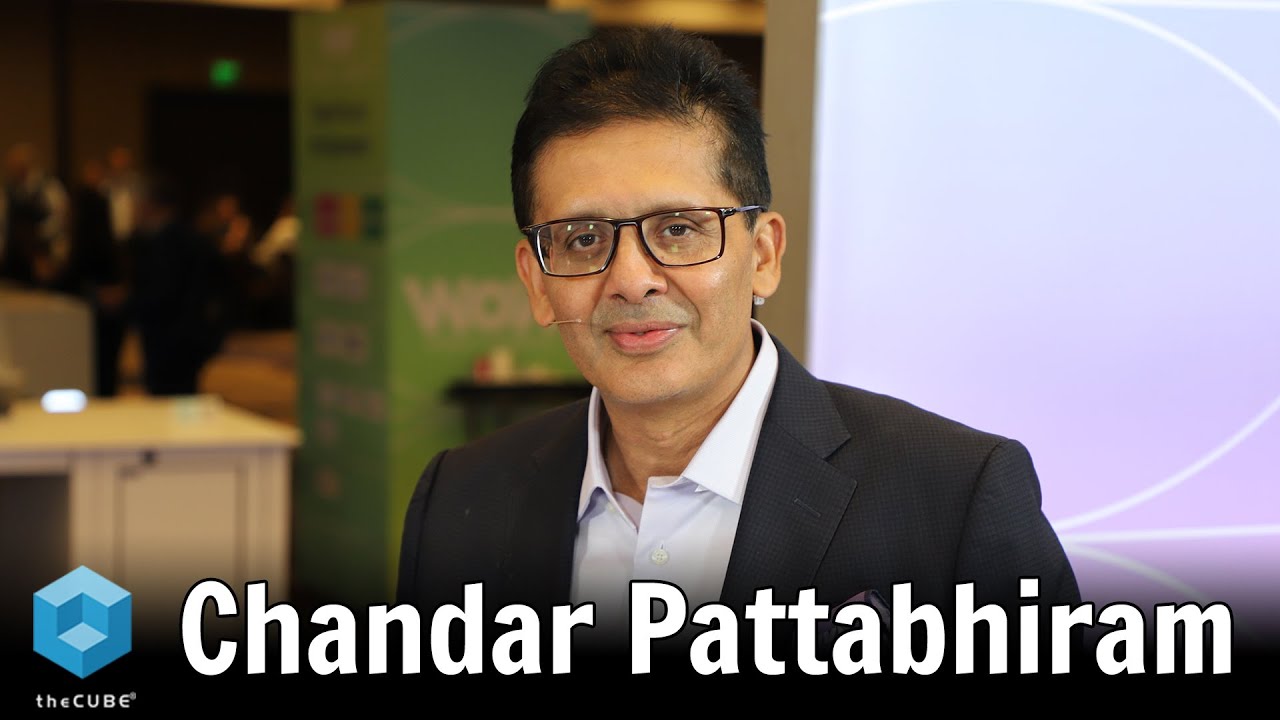
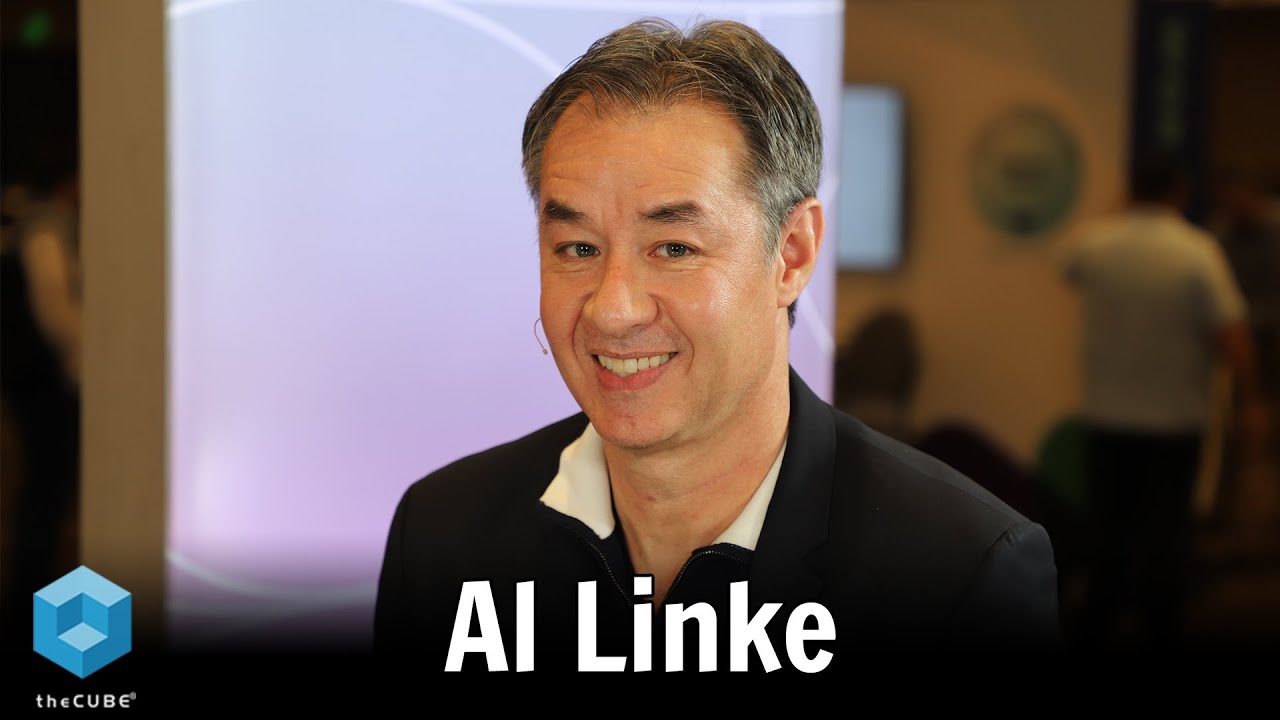
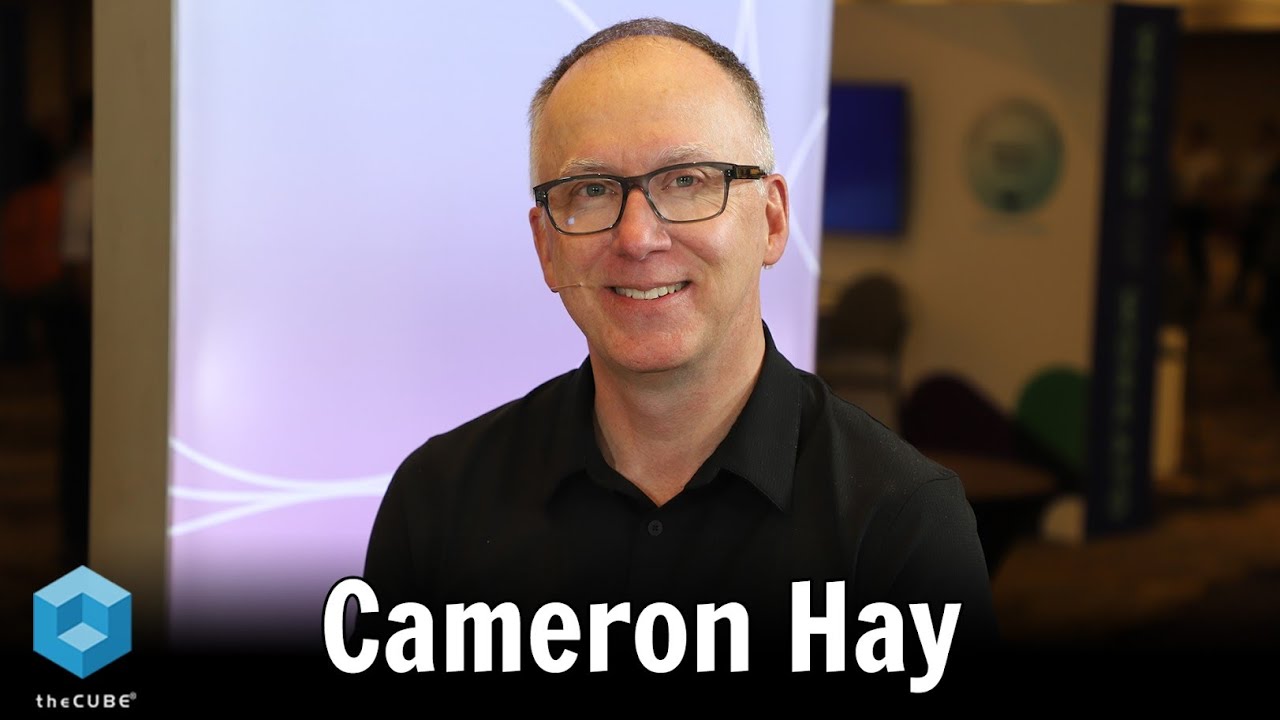
In this special segment from World of Workato in Las Vegas, theCUBE’s Rob Strechay sits down with Savannah Peterson and Tim Crawford to unpack the biggest themes shaping the agentic enterprise. The conversation dives into how Workato is enabling organizations to move beyond basic integration toward orchestration, embedding AI across workflows to accelerate business outcomes.
Crawford highlights the importance of context in data orchestration and why agility, speed of deployment and time to value are becoming non-negotiable for CIOs. The discussion also explores the role of Workato’s “genies” in empowering both IT and business users, unlocking rapid automation without requiring deep coding expertise. From shortening CPQ cycles to cutting quoting times by 50 percent, the guests emphasize that it’s the business impact, not just the AI, that drives value.
Listeners also gain insights into the governance challenges of scaling agents, the importance of diverse perspectives in shaping enterprise solutions and how ISV ecosystems and partnerships are creating differentiation in a crowded market. Looking ahead, the panel weighs in on the future of enterprise AI, from frameworks for governance and security to the opportunities for no-code automation at scale.
Forgot Password
Almost there!
We just sent you a verification email. Please verify your account to gain access to
World of Workato 2025. If you don’t think you received an email check your
spam folder.
In order to sign in, enter the email address you used to registered for the event. Once completed, you will receive an email with a verification link. Open this link to automatically sign into the site.
Register For World of Workato 2025
Please fill out the information below. You will recieve an email with a verification link confirming your registration. Click the link to automatically sign into the site.
You’re almost there!
We just sent you a verification email. Please click the verification button in the email. Once your email address is verified, you will have full access to all event content for World of Workato 2025.
I want my badge and interests to be visible to all attendees.
Checking this box will display your presense on the attendees list, view your profile and allow other attendees to contact you via 1-1 chat. Read the Privacy Policy. At any time, you can choose to disable this preference.
Select your Interests!
add
Upload your photo
Uploading..
OR
Connect via Twitter
Connect via Linkedin
EDIT PASSWORD
Share
Forgot Password
Almost there!
We just sent you a verification email. Please verify your account to gain access to
World of Workato 2025. If you don’t think you received an email check your
spam folder.
In order to sign in, enter the email address you used to registered for the event. Once completed, you will receive an email with a verification link. Open this link to automatically sign into the site.
Sign in to gain access to World of Workato 2025
Please sign in with LinkedIn to continue to World of Workato 2025. Signing in with LinkedIn ensures a professional environment.
Are you sure you want to remove access rights for this user?
Details
Manage Access
email address
Community Invitation
theCUBE Insights
In this special segment from World of Workato in Las Vegas, theCUBE’s Rob Strechay sits down with Savannah Peterson and Tim Crawford to unpack the biggest themes shaping the agentic enterprise. The conversation dives into how Workato is enabling organizations to move beyond basic integration toward orchestration, embedding AI across workflows to accelerate business outcomes.
Crawford highlights the importance of context in data orchestration and why agility, speed of deployment and time to value are becoming non-negotiable for CIOs. The discussion also explores the role of Workato’s “genies” in empowering both IT and business users, unlocking rapid automation without requiring deep coding expertise. From shortening CPQ cycles to cutting quoting times by 50 percent, the guests emphasize that it’s the business impact, not just the AI, that drives value.
Listeners also gain insights into the governance challenges of scaling agents, the importance of diverse perspectives in shaping enterprise solutions and how ISV ecosystems and partnerships are creating differentiation in a crowded market. Looking ahead, the panel weighs in on the future of enterprise AI, from frameworks for governance and security to the opportunities for no-code automation at scale.
In this special segment from World of Workato in Las Vegas, theCUBE’s Rob Strechay sits down with Savannah Peterson and Tim Crawford to unpack the biggest themes shaping the agentic enterprise. The conversation dives into how Workato is enabling organizations to move beyond basic integration toward orchestration, embedding AI across workflows to accelerate business outcomes.
Crawford highlights the importance of context in data orchestration and why agility, speed of deployment and time to value are becoming non-negotiable for CIOs. The discussion also...Read more
exploreKeep Exploring
What aspects of WOW stand out in relation to enterprise platforms and business objectives?add
What is the role of no-code development and NLP in the strategy and business value optimization process?add
What observations were made about the customer and partner ecosystem during the event?add
What challenges does Workato face in differentiating itself from its competition while catering to both existing customers and new ones?add
>> Good evening, wonderful Workato community and a welcome back to Las Vegas, Nevada. We're here closing out day one of our two days of coverage at World of Workato. My name is Savannah Peterson. Absolutely thrilled to be sandwiched between two outstanding gentlemen. Rob, we've had the pleasure of having the whole day together. And, Tim, you are always such a gem to have. I'm so glad that you were able to join us this afternoon. Thank you.
Tim Crawford
>> I appreciate the invite. I'm glad to be here.
Savannah Peterson
>> Yeah. So I'm going to start with you for this segment. Rob and I have been chatting to each other all day long. What's really stood out to you about WOW?
Tim Crawford
>> I think there are a couple things. I mean, let's set the stage first, right? No pun intended, but in reality, everyone is driving to be that agentic platform for the enterprise.
Savannah Peterson
>> Correct.
Tim Crawford
>> Workato is another one of those opportunities for the enterprise to take a look at and say, "Okay, who has the right tooling? Who's really moving ahead and is going to get me to be able to achieve those business objectives that I want to achieve? And so one of the things that I find really interesting about Workato is how they're plugging into that last mile, not just for data integration, but the context. And they're talking about the context. This is a big deal because it's often missed in many of these agentic conversations is where's the context of the data in all this?
Rob Strechay
>> Yeah, I think to your exact point, and to build on top of that, and Savannah and I have been talking about this a lot today, which was the fact that it's about the processes and how you get to that KPI, which to your point, the context, the semantic layer and down below of the data, there's all these silos. They're not saying, "Hey, we're replacing that entire stack." What we're going to do is leverage some of what you have there and build upon that as well.
Tim Crawford
>> Even in one of the sessions, Vijay was on stage and he was talking about how we're not here to replace the products that you might be using. We're here to accelerate those and help you move that forward. And that I think is a really powerful statement to make, especially when you start to think about how they've approached the genies in the workflow. But there is a little bit of squishiness here too in the conversation, which is around governance. But let's be fair, everybody is trying to figure this governance thing out because when you start to go beyond the users to the agents, to the knowledge, it gets really complicated really fast.
Savannah Peterson
>> Yes, it does. And the data that goes between those things can also be very complex, might not be the cleanest or the most effective. There's a lot of moving pieces here, but something that's really struck me in the conversations that we've had both with customers as well as what we heard from those keynotes on stage was the agility and speed of innovation. Because I know we've all had these conversations over the last three years really where everyone is saying, "Well, this is going to happen, or we're going to deploy 1 billion agents by X time," or whatever that might be to your earlier point, Rob. And the reality is those numbers don't matter if they don't have any business impact and increase business value.
Tim Crawford
>> That's right.
Savannah Peterson
>> And I think what I've been refreshed by in the conversations that we've had all day has been the amount of people who have said, "Not only is this working, we got it working in four weeks, and now I'm going to check out more genies or we're going to bring this into the sales part of my organization or the CPQ." Well, I guess CPQ is the sales part, but there's so many different layers that have been simplified to the point of easy digestion, in my opinion, between their 28G or G28 project with the 28 genies. What are the genies excite you the most? You talk to a lot of CIOs. You're basically talking to their target customer every single day of your life. What of those solutions do you find the most intriguing or light bulb exciting?
Tim Crawford
>> And they actually have a CIO council happening right now as we're recording this.
Savannah Peterson
>> It was really nice of you to be here with us instead. That is not lost on us.
Tim Crawford
>> But I think you have to go back to something you just said, which is one of the things that we have to focus on is what's important to the business? What's important to the company? And that comes down to what I call the big three, CX, EX and business ops. And so the CX Genie is really key in this conversation. You mentioned CPQ. That's obviously just one piece of it. But starting to figure out how I can automate parts of that journey and do it very, very quickly, so my time to value is a lot faster. That's really important. And that means that when I'm making these investments, I'm seeing the return right away or relatively short order.
Savannah Peterson
>> Right away as far as we're concerned relative to a nine to 18-month deployment cycle that would've been there in the past.
Tim Crawford
>> That's right. We're talking weeks instead of months, which in enterprise terms, that's a big deal. That's a really big deal.
Rob Strechay
>> Yeah. I think just building off what you're both talking about, I think that it's the KPIs of, "Hey, I want to reduce the time to quoting by 50%," which was one of the things that was thrown out earlier today.
Savannah Peterson
>> I said no one was talking about that, yes.
Rob Strechay
>> And I think when we were talking through that with Al, and you talk about a company like SentinelOne, which we all know from what they sell, that's massive. Like 50% because not only to your point that has a CX effect because people aren't waiting and saying, "Where's my quote on this thing?" Because they know there's still negotiations that have to happen and other stuff that has. What have you seen, again, from that KPI perspective and how it ties back to what they're building that's really intrigued you this week? Because to me, that's been the process, the KPIs. The AI is almost secondary to a lot of what they're talking about.
Tim Crawford
>> The AI is a means to an end, but it's the end that we're all focused on, and that end is that business value. And so if you can start to shorten the time you get to that value, that puts you in pole position against your competition. And that's a big deal, especially in this day and age where companies have to be able to navigate and turn on a dime as their customers turn. So how do you put the right frameworks in place that, A, you're not building more tech debt, you're not building these really fragile architectures, but you can actually start to invoke some of the flexibility that you actually need to be able to run your business? And I think that then ties to what's the outcome? How quick is that outcome and how much am I going to have to invest to be able to get there? And that last piece gets to be a pretty squishy with some vendors, but I think with Workato, it's pretty clear.
Rob Strechay
>> That's right.
Savannah Peterson
>> I think it is pretty clear and I think in speaking of clarity, one of the things that I really like that they're doing, we haven't really called this out specifically kind of, but they're working very hard to decrease the complexity, not just of the IT or the developer experience or the CIO decision-making, but to truly empower across the organization for anyone to be able to do their genie. I mean, they were making their live genies with using NLP on stage today. And it makes me think... And actually I want your opinion on this, Tim, do you think that we're going to see a new class of solutions that emerge as more people are involved in the creative strategy and business value optimization process?
Tim Crawford
>> Without a doubt. And we're already seeing it. And in fact, Workato is here talking about it. So they're talking about how to use the technology so that the everyday line of business user can actually create their own agents. They don't have to be a pro-code or even low-code developer. They can be a no-code developer essentially because they just use NLP, create the agent, plug it in, and get the value out of it. So that to me is an incredibly powerful opportunity for just about any enterprise that is looking to take some of these pieces and pick them off. Because let's be honest, we're not taking the entire sales function or marketing function and throwing it to the wind and throwing it to AI and saying, "We're going to replace all this today with AI." We're not doing that. But there are these windows of opportunity that you can start to carve out and then build upon, and you don't have to be a pro-code developer to be able to build that out. So that gets to your point of how do you start to bring others into the mix because it's not just the developers that have the insights and they're important, so I don't want to push that away. But think of all the folks that are in the job dealing with the issues day to day. They're the ones with the business intelligence and that institutional knowledge that you want to figure out how can you appropriately automate those processes so you don't run amok down the road.
Rob Strechay
>> Yeah. I think that was one of the things that struck me throughout the day was we had a lot of customers on board here today. We had a lot of partners on board here as well as Workato employees. I think when you started to look at the ecosystem that they've really developed, and to your point, they don't try to boil the ocean in everything that they do from an agentic perspective. They're partnering. They also have ISVs that are building on top of them. We had AWS on talking about how they're using Bedrock. And so to me, the 500 plus ISVs that they had was a real differentiator to me from a customer-based perspective because you start to think about, "Well, those people, that's their livelihood that they're building software and they're getting value out of that." That to me was like a boom light bulb moment that was like, "Hey, where do you see?" Because that to me was
Tim Crawford
>> Yeah, it's a unique differentiator for Workato, right? I mean the ISV channel, if you look at it as a channel and it's a sales opportunity, and ISVs can build businesses off of Workato to their customers. So it's not just a sales channel for Workato, but it can also be a building block for those ISVs. So I think that's really interesting. The GSIs are starting to take note. The space is incredibly convoluted though. And so one of the challenges is going to be how does Workato start to differentiate between their existing base of customers, which understand the product and see the evolution of the product and the net new customer that's coming in that doesn't have exposure to Workato. How do they start to differentiate themselves from their competition? And this is going to be one of the challenges for them moving forward from a balance standpoint is what is it that they do take on and how do they take it on, and which personas do they go after because their product can fit in a number of different ways, and it's going to be important to your earlier point that they don't try and do everything all at once.
Savannah Peterson
>> Can't be everything to everyone.
Tim Crawford
>> They've got to pick those swim lanes that make the most sense for them.
Savannah Peterson
>> Are there any swim lanes that seem particularly impactful for you and just from the conversations that you've had and the CIOs that you work with?
Tim Crawford
>> Yeah. I mean, I'm a little biased, so coming to the conversation from a CIO perspective. So I think absolutely there are opportunities in the IT realm. I do think that there are a number of opportunities from a CX perspective and even an EX perspective in terms of service management and some of the automation of some of these somewhat mundane processes that unfortunately we've had to put humans in front of because we didn't have a reasonable alternative or it took us a lot of work to be able to build it. So I think those are two spaces that I would look at first and second. And then as we see with the different genies, they've got three genies that are GA right now and they've got several in preview that they're showing here at the show. I would expect to see more of those come out in the coming months. The other thing I was going to mention, so my friend, Adam Seligman, who's their new CTO, I think that's a huge plus for Workato too, because if you look at his pedigree, Amazon, Google, Salesforce, Microsoft, bringing that exposure and that expertise to this conversation around where Workato is today and where they're going is definitely going to give them an advantage moving forward.
Savannah Peterson
>> You just brought up something I think is really compelling. I was literally just telling my friend in between these two segments, one of my friends is interviewing with Workato this week, totally ironically in terms of the timing, but it's quite fun. And I said, "Hey, one thing you really need to know is they've recruited some incredible talent-"
Tim Crawford
>> They have.
Savannah Peterson
>> "... to join the team." And I will say, obviously, there will be a bit of a battle royale for who is going to be the genie or the agentic orchestration champion or champions of our enterprise future, but I think they're really recruiting their all-star team quite well here, and they've been able to do a lot in a very short period of time to illustrate what that value is today and what that value could be in the future. So I'm optimistic.
Tim Crawford
>> You're bringing up a good point. And their CEO, Vijay actually talked to this in one of the sessions. He was talking about how they have really put together a team of folks with an incredibly diverse background. And why is that important? Because when you start to get a lot of folks that think and talk like you do, you miss that diversity opportunity. And right now we need that diversity in thought more than anything. And so being able to put people with strong pedigrees behind them and also bringing new ideas to the conversation is going to be just another arrow in their quiver. And I think that's a huge opportunity for them to capitalize on.
Savannah Peterson
>> And the diversity of thought brings a diversity of solutions that actually represent the people on the other end to using them. So it's-
Tim Crawford
>> That's right because think about it, customers, customers are coming from all different angles. If you are thinking one way, you're going to attract a very narrow band of customers to that conversation. And so by bringing those different perspectives into the conversation, it opens the door to many more possibilities. And that actually puts you in an interesting position from a differentiation standpoint, from your competition too, especially incumbents that are so accustomed, and in some cases almost tunnel vision to, "This is the way we always have done things. This is the way we're doing it. We're kind of marching in this direction. There's a lot of inertia behind it." You need to be able to change up the game a bit, and I think that culture and that staff is going to be the first step for them.
Savannah Peterson
>> No, I think it's good. I think it's really the right step in the right direction. One of the ways that they've differentiated here at this relatively early stage within this race. Obviously, they've been around for a minute, is the term genies. What do you think about the term genies?
Tim Crawford
>> The genie coming out of the bottle? I mean, we can look at it in terms of a magical or an interesting experience. I think it's an interesting term, but at the end of the day, people will get past the term and they'll be like, "What is this going to do for me?" And in very short order, regardless of how we spin the marketing on it, if you can't show me time to value to your earlier point, if you can't show me how this is really going to address some of my core issues, call it what you want. It's not going to get off the ground.
Savannah Peterson
>> Facts, Tim. You're always dropping the facts. All right, final question for you, because it's always a joy to share the stage with you. When we're hanging out at WOW next year, what do you think we'll be discussing then or talking about then that we're not talking about today?
Tim Crawford
>> I think we're talking about a couple of things. Number one, we're having a much deeper conversation about the opportunity from agentic for the enterprise and how it impacts business. Number two, we're having a very serious conversation about governance and security, not just in the US but globally. Those two in their own right are really, really complicated. Those two are going to change how we think about technology and that intersection of business and technology. Many people are not even thinking about it, let alone talking about it. We need to be talking about that more. And I think next year that's exactly where the conversation will be is not how many different applications have you tied up or how many different agents are you running, but let's talk about governance models around agentic sprawl. Let's talk about governance models around different regulatory compliance, privacy, sovereignty requirements. Let's talk about governance from just a resource perspective. Because let's face it, AI is expensive to run, so how do we ensure that we are using our resources, whether it's physical resources or technological resources in the best way? I think those are the conversations that we're going to have next year, and it's going to tie directly to what are those business outcomes that we're gunning for.
Savannah Peterson
>> I think you're onto something there, Tim. Personal question as a follow-up, what do you hope that agentic or a genies does to make your personal life easier?
Tim Crawford
>> Oh my gosh. How much time do we have?
Savannah Peterson
>> You're our closer, so we're along the ride with you.
Tim Crawford
>> I think one of the things, if it were able to auto-magically put me in a place where I could meet with people and didn't have to get on an airplane every week traveling all over.
Savannah Peterson
>> Teleportation genies.
Tim Crawford
>> That'd be good.
Savannah Peterson
>> I'm here for it.
Tim Crawford
>> That'd be good.
Savannah Peterson
>> Let's bring on The Jetsons.
Tim Crawford
>> If you can work on that, that'd be awesome.
Savannah Peterson
>> Okay. I'll do that on my spare time.
Tim Crawford
>> I think the other thing that would be interesting for me is some of those mundane tasks that we do, paying taxes, doing... Even expenses, managing expenses, budgeting, some of the financial aspects, but then also the other components that we go through it, we do it. We don't necessarily complain about it because that's not going to help us. I'd love to see it do more of that, but I think the one piece that all of us, whether it's in our personal lives or professional lives are going to have to figure out is how do we start to use agentic and AI more regularly and how do we start to train ourselves to be able to absorb more information more quickly? And that's going to be a real challenge for us because we've now accelerated the learning process exponentially, but we're not ready to absorb that. We're not in the matrix where we can just plug in and go-
Savannah Peterson
>> We're not?
Tim Crawford
>> No, not yet.
Rob Strechay
>> Not yet.
Tim Crawford
>> Not yet.
Rob Strechay
>> We're working on that too.
Tim Crawford
>> We're working on that. That's your job. That's there.
Rob Strechay
>> That'll be there too.
Tim Crawford
>> Savannah has got one thing.
Rob Strechay
>> I got the other.
Tim Crawford
>> You've got the other.
Rob Strechay
>> I'll take the expense reform one as well. We were talking about that earlier.
Savannah Peterson
>> What a painkiller that would be.
Rob Strechay
>> Yes.
Savannah Peterson
>> Oh my goodness.
Rob Strechay
>> Absolutely.
Savannah Peterson
>> On that note, Tim, thank you so much. This is a joy.
Tim Crawford
>> Always great to see you guys.
Savannah Peterson
>> Always great to see you. Always fun to get your insights. Rob, absolutely brilliant to spend the entire day with you. Looking forward to day two. We've got a whole power-packed lineup of guests for all of our guests at home. And we hope you're having as much fun as we are plotting your personal genies, thinking about the tasks at work that you no longer want to do because I know my mind is reeling after all of this. We're here in Las Vegas, Nevada at World of Workato. My name is Savannah Peterson. You're watching theCUBE, the leading source for enterprise tech news.