We just sent you a verification email. Please verify your account to gain access to
UiPath Fusion 2025. If you don’t think you received an email check your
spam folder.
In order to sign in, enter the email address you used to registered for the event. Once completed, you will receive an email with a verification link. Open this link to automatically sign into the site.
Register For UiPath Fusion 2025
Please fill out the information below. You will recieve an email with a verification link confirming your registration. Click the link to automatically sign into the site.
You’re almost there!
We just sent you a verification email. Please click the verification button in the email. Once your email address is verified, you will have full access to all event content for UiPath Fusion 2025.
I want my badge and interests to be visible to all attendees.
Checking this box will display your presense on the attendees list, view your profile and allow other attendees to contact you via 1-1 chat. Read the Privacy Policy. At any time, you can choose to disable this preference.
Select your Interests!
add
Upload your photo
Uploading..
OR
Connect via Twitter
Connect via Linkedin
EDIT PASSWORD
Share
Forgot Password
Almost there!
We just sent you a verification email. Please verify your account to gain access to
UiPath Fusion 2025. If you don’t think you received an email check your
spam folder.
In order to sign in, enter the email address you used to registered for the event. Once completed, you will receive an email with a verification link. Open this link to automatically sign into the site.
Sign in to gain access to UiPath Fusion 2025
Please sign in with LinkedIn to continue to UiPath Fusion 2025. Signing in with LinkedIn ensures a professional environment.
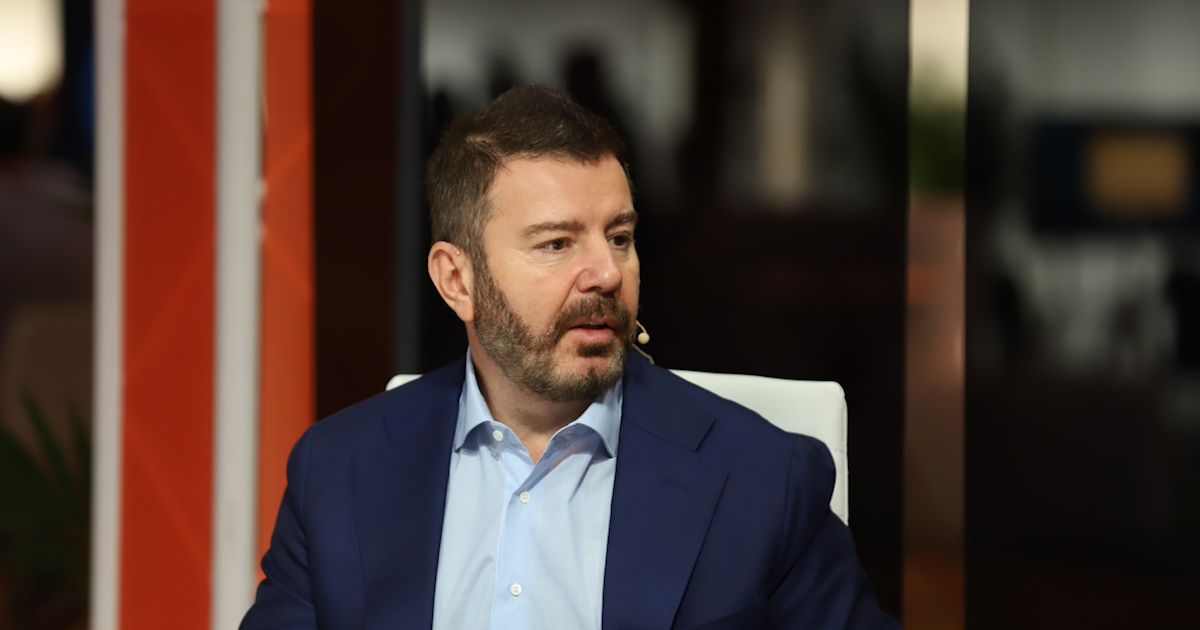
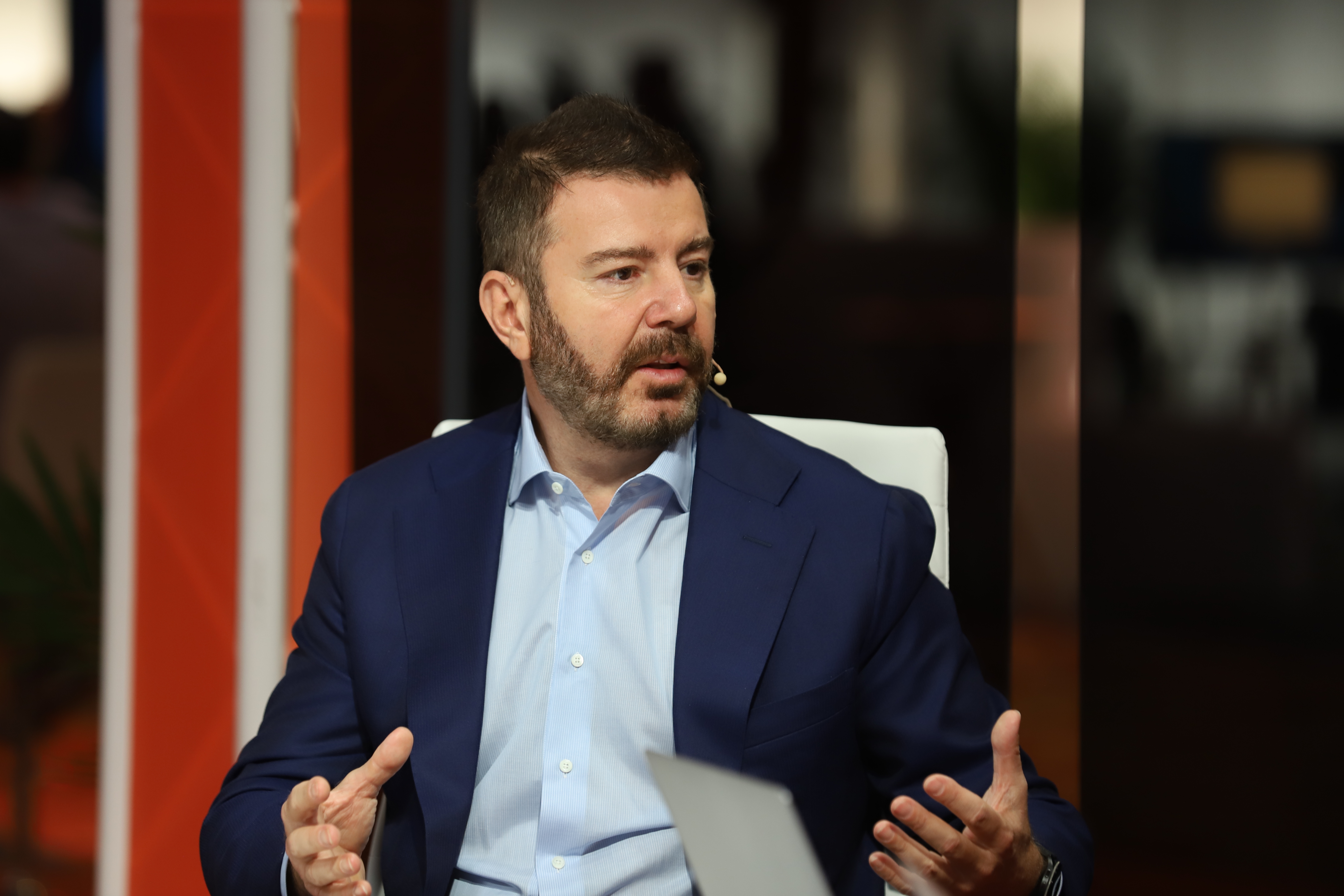
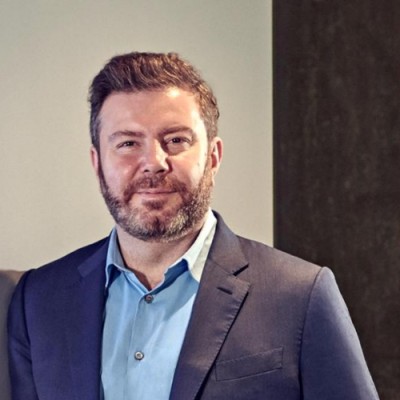
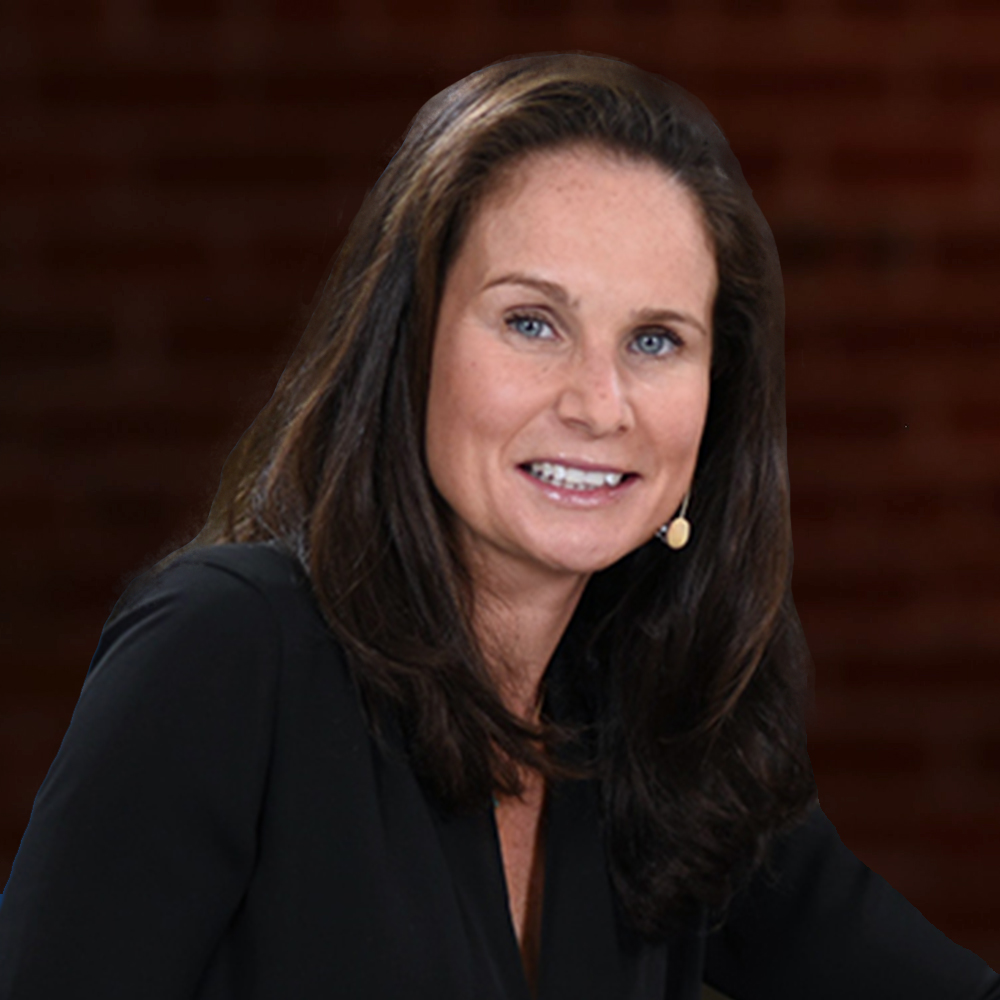
In this UiPath Fusion 2025 interview, theCUBE’s Dave Vellante and Rebecca Knight sit down with Daniel Dines, CEO and founder of UiPath, to unpack why so many AI pilots fail and how to change the outcome. Dines outlines four failure factors – weak automation foundations, ambitions set too low, security concerns such as fear of rogue agents and broad market confusion – then explains why orchestration is the unlock. He argues that automation is the base layer and intelligence sits on top, that organizations should target high-pain processes to move the needle an...Read more
exploreKeep Exploring
What key findings about AI pilot programs were discussed during the keynote presentation at UiPath Fusion?add
What is the importance of having a strong foundation of automation for implementing intelligence in processes?add
What are the key considerations for successfully implementing a new solution in an organization?add
How can leaders effectively communicate the changing roles of employees in the context of AI integration and encourage their adoption of these technologies?add
What are the benefits of integrating AI with automation for organizations lacking existing automation solutions?add
>> Hello everyone, and welcome back to theCUBE's live coverage of UiPath Fusion here in Las Vegas. I'm your host, Rebecca Knight, alongside my co-host and analyst, Dave Vellante. I would like to welcome to our show Daniel Dines. He is the CEO and founder of UiPath. Welcome, Daniel. Welcome back, Daniel.
Daniel Dines
>> Thank you for having me.
Dave Vellante
>> Yeah, great to see you.
Rebecca Knight
>> So you were just up on the main stage doing the keynote, where you talked about this study that has rattled technology investors. It's out of MIT, 95% of companies are not seeing any ROI from their AI pilots. You talked a lot, you were very candid, very transparent about it, and you said there are really four reasons for why so many companies aren't seeing them. I'd love you to tell our viewers how you see this.
Daniel Dines
>> Yeah. So our thesis is that you need to have a strong foundation of automation in order to bring intelligence into your processes, and I said even if we look into the evolution of life on Earth, we started with simple organisms, but they were capable of very reliable, predictive actions, and then intelligence came on the top of these capabilities. It's kind of the same, many companies are stuck into building chatbots that have little impact on productivity. What we all know, in order to reap the huge outcomes, you need to deliver as much autonomously as possible, the entire process automation. And I think another reason is that people are starting very small today. So they go after small use cases, they might have mild successes, but because of the risks involved, they don't have the guts to put them in production. But if you've got really tough problems to solve, even if the impact is smaller, actually, the outcome can be much bigger, and then, you can convince an organization to adopt it. Imagine, you go for something that is extremely painful, consumes a lot of energy and time, even if you save 5% of their time on this, they will be excited. One of our customers from CSL described very well, they've got very critical strategic process, the plasma donor process, and the impact was really significant and convinced basically the entire organization to move behind it.
Dave Vellante
>> So I very much liked the way that you addressed that study, and what really caught my attention was the second reason you said why these initiatives fail, the ambitions are not that high is what you said. Now, we all know that agentic's not easy, you can't just do it, it's not magic. So as an executive, when somebody comes to you with a new idea, they want money, they want you to fund something, it's like, okay, there might be an internal rate of return that you have to hit, there might be a net present value that you want to achieve, or there might be, well, when am I going to get my return, when is my cash going to break even? In this case, and I agree with you, everybody's, I call, hitting singles, small wins, and it's not moving the needle. So help us understand your advice, how do I get big, needle-moving, net present value type of returns, and how do I reduce my risk at the same time?
Daniel Dines
>> Yeah, I think there are multiple ingredients to the picture. So first of all, of course, pick something that is important for your organization, and in case you are successful, will rally people behind you. Then I think it's important to pick a vendor that puts skin in the game. We are into an early adopters industry, and I don't think there are no blueprints of large-scale implementations, we are building them right now. So having a vendor, and we are the type of vendor that right now we want to put a lot of skin in the game, together with our customers, we aim to build reusable solutions that can actually propel the entire industry. And then also, you have to get the buy-in of the business stakeholders that you address to, and you also have to educate your audience, your workforce. It's a lot of fear, it's a lot of inertia, but once they see that actually it works in their favor, they can do more human-like tasks, they can handle better the exception, they can engage better the customer, they can engage more customers rather than just fearing for job losses, I think it's a process that really help with the adoption.
Rebecca Knight
>> So how do you actually do that? Because on the main stage, you were talking about this cultural transformation and how you really need to make it a priority to bring the humans along in this. You said that there is so much fear and anxiety, and we know that and statistics bear that out. How do you, before they start to see, as you said, that they can get more done, reach more customers, make more sales with the help of these AI agents, how do you bring them along as a leader in talking about how their roles will change in this AI era?
Daniel Dines
>> I can tell you more how we are doing it internally, because we also talk about us being the customer zero for us. So we created a big incentive plan for the organization to adopt AI. So every part of the organization had to come with ideas, and that was basically part of their compensation structure. We show both the carrot and the stick in doing this, and we also tell them, "This is not an exercise about reducing the workforce, but it's more of an exercise of growing without increasing the workforce, and it's an exercise to help us address more customers."
I'll give you an example, like in customer success, this is one of the first agents that we have started building. Traditionally, customer success can address only the top fraction of your customers. But if you can build an agent that emulates most of the work of a customer success manager, you can go after the long tail of customers. Same with your BDRs, BDRs can do a lot more with the help of agents. So that was the way we pitched to the entire organization, but also I think it helped, from our top executive, from my direct reports going in the entire organization, we have introduced performance talk units that were tied to some success in agentic, both internally and externally.
Dave Vellante
>> Daniel, obviously as customer zero, you have bots everywhere and a lot of automation in place, you're building on top of that. You talked at the end of your discussion today that RPAs essentially can be a foundation, it's deterministic, but RPA doesn't do well when things change, presumably that's where GenAI and agentic comes in. My question is, do those customers that have that RPA plumbing in place have a big advantage, and for those that don't, how do they get started?
Daniel Dines
>> I'll explain to you first why they have an advantage. So in a way, agentic AI and RPA both have in common that they emulate how people work. So you want to go after manual processes with agentic and reduce the people input on the processes, same we did with RPA. So having a solid RPA program in place, it means that you already identified a lot of processes, you have identified the steps that can be reliably automated with RPA, so it's much easier for you to go after the steps that you couldn't automate with RPA, so then you are bringing agentic AI to further reduce the human input. For the people that don't have already an automation in place, I'm always advocating that they have to put one, and it's great to combine your AI center of excellence with the automation center of excellence, because in a way, they belong together. An AI agent that doesn't do action is not an AI agent. An AI agent that is only a chatbot that works locally and give me some information that can help me get 10 minutes a day will help only my dog, because I will walk it 10 minutes more, but it's not going to meaningfully impact the P&L. So you will need agentic AI and automation deliver as much autonomously as possible to see the impact in the P&L.
Dave Vellante
>> As a software company, you saw and understand well the impact that SaaS had relative to, say, on-premises or traditional software, I should say, and you guys had both, you had on-premise and you had cloud, but when SaaS came in, it changed the technical model, it changed the operational model, it changed the business model, pricing changed, the whole way in which you sold software changed. Now, with agentic and AI, GenAI specifically, it seems like the whole market's changing again, and I'd love to get your thoughts on that. We use the term, we didn't coin it, but we're going from software-as-a-service to services-as-software, services being productivity drivers that are process-oriented. How do you see that changing the technical model, the operational model, maybe the pricing model?
Daniel Dines
>> Look, I think that there is a big pressure on pricing on traditional SaaS software. In a world where a bunch of kids using something like Cursor or Lovable can build a business application in days, of course there will be a pressure on the traditional SaaS vendors, but I think it's rather a pricing pressure than a displacement. I think many people underestimate right now how difficult it is to build an application that is compliant, secure, with the proper governance and integrates into a big enterprise stack. So to me, I don't see a day one major shift, but I see five-year major shifts in the making right now.
Dave Vellante
>> Yeah. So I'm interpreting that as agentic is hard and it's going to take the better part of a decade to play out and really have the business impact that people expect. 2025 is not the year of agentic, it's the year we talk about agentic, but in terms of your customers, it's going to be '26, '27, '28, '29, it's going to take some time for them to absorb. Is that a fair interpretation?
Daniel Dines
>> Yeah. I think agentic would not necessarily replace existing SaaS business as much as it's going to reduce the human input on the processes, so less people will become a lot more productive, same number of people can address a lot more customers. And agentic and workflows will integrate much better between different SaaS providers, maybe there will be a consolidation between different SaaS providers with maybe new... I believe that workflow automation will become even more important in this era, and maybe... Because every SaaS application in the end, it's a database, data schema and some workflows, you can achieve a lot with a database, an ontology and a really good workflow engine, plus agentic that is on the top of it. So I think there will be this pressure on consolidation.
Rebecca Knight
>> This is a very competitive industry and there are lots of vendors to choose from, when you are talking to CEOs and CTOs and others in the C-suite, what are you hearing about why they're choosing UiPath as their collaborator?
Daniel Dines
>> We are a trustable partner for them. We work with many partners and customers who are almost like 10 years. They know that we have a world-class automation platform that is reliable and delivers tangible results. They've seen our early success into agentic, and they believe into our orchestration story. In all candor, we've been among the first that preached orchestration as being essential to deploy agentic AI, and we have pivoted the entire company into building this new orchestration engine, and that, it starts to resonate well in the market. We've participate into bake-offs with really large companies, like Salesforce, ServiceNow, Microsoft, and we are winning. When we are winning, it's because of our orchestration story and the integrated story, the Switzerland of different platforms story.
Dave Vellante
>> Yeah, you're a dot connector across, a horizontal dot connector. I have two questions from that, what's the KPI on those benchmarks? Is it performance, is it outcomes, what are you measuring there?
Daniel Dines
>> I think people are looking for the outcomes of this, and interestingly, many customers want this skin in the game. So we are eyeing, I think, for some really huge transformational projects. We are really even entertaining doing outcome-based deals with our customers, because I believe that's the right moment into an industry that it's in its early innings.
Dave Vellante
>> So what's your vision as to how those dots get connected? I'm particularly interested in the partnerships that you announced. There's two with foundation model vendors, OpenAI and Gemini, connecting their foundation models with your process excellence and workflow. The Snowflake, very interesting, they're the data player, you're not a data player, connecting to Cortex, which is their AI platform, that's integration, that's dot connecting. And then, Nemotron was particularly interesting with NVIDIA in, I believe it's healthcare and security and fraud detection, so they're more solution-oriented. What's your vision as to how that dot connection plays out over time?
Daniel Dines
>> So again, David, from the beginning, we praised ourselves to be an open platform. All of these partnerships showed that we aim to bring the best into our platform. One aspect that you didn't mention is our partnership with open source frameworks for building agents.
Dave Vellante
>> Yeah, thank you.
Daniel Dines
>> And I think this is also instrumental to give our customers options to not feel locked in into a particular platform. Our partnership with Snowflake, and we will continue with other data providers, we don't aim to be a data provider, to play in this game, but we want to provide very well-crafted connectors to different data providers so our agents can surface exactly the data they need connecting with these providers. So I believe that bringing all this ecosystem together, again, on the overarching orchestration, would give really the breath to have all the building blocks required to build large-scale deployments of agentic AI.
Dave Vellante
>> You said earlier you pivoted the entire company to agentic orchestration, clearly you've done that. What's Wall Street's reaction to that? They must be asking you a lot of questions about your total available market, how big is that market? And I don't think anybody knows the answer, other than it's huge. We're going from, whatever, adding $12 trillion to the economy and the GDP and it's really hard to size. But can you give us a sense as to what your gut tells you about how big that market is?
Daniel Dines
>> I think there is no doubt that agentic market is huge, and I believe we have a right to win, to carve out our portion of this agentic market. For me, my ambition is at least to build a business as big as RPA. We build in five years a billion-dollar business in RPA. I think we can build, in five years, a similar business in agentic. And our RPA business scaled incredibly well, so I can remember our numbers. So we finished 2016 with 5 million in ARR, we finished '17, 45, '18, 170, '19, 360, and then 2025, almost 600, so you see the acceleration. I believe that we might see the same acceleration in the adoption of agentic AI.
Dave Vellante
>> Yeah, you're well on your way to 2 billion in ARR. I agree, I think agentic is going to dwarf the size of the RPA market. I think prices are going to come down, the productivity boom, that's going to be... Productivity with RPA was substantial, the ROI was off the charts. I think this is much, much bigger.
Daniel Dines
>> For sure.
Rebecca Knight
>> Is there any metric that you are personally checking to indicate to you about adoption and also this ROI?
Daniel Dines
>> Yeah. Internally, we're looking to a lot of metrics, number of agents creating, how many agents are on per day, per month, user engagement. So clearly, we are looking to a lot, the pipeline creation, number of agentic units that we are selling. So it's a wealth of KPIs that we look at.
Rebecca Knight
>> Excellent, excellent.
Dave Vellante
>> Yeah, and you guys have given some guidance on your calls about that and what that uptake is, so we can track that on a regular basis. Well, it's great to see you again, thanks so much.
Daniel Dines
>> Likewise, likewise.
Rebecca Knight
>> Daniel, thank you so much for returning to theCUBE.
Daniel Dines
>> It's always a great pleasure being with you, thank you so much.
Rebecca Knight
>> Excellent, thank you.
Daniel Dines
>> Thank you.
Rebecca Knight
>> Thank you very much for tuning in to this interview with Daniel Dines, the CEO and founder of UiPath. Stay tuned for more of theCUBE's live coverage of UiPath Fusion. I'm Rebecca Knight for Dave Vellante. You're watching theCUBE, the leader in enterprise tech news and analysis.