We just sent you a verification email. Please verify your account to gain access to
UiPath Forward 2024. If you don’t think you received an email check your
spam folder.
In order to sign in, enter the email address you used to registered for the event. Once completed, you will receive an email with a verification link. Open this link to automatically sign into the site.
Register For UiPath Forward 2024
Please fill out the information below. You will recieve an email with a verification link confirming your registration. Click the link to automatically sign into the site.
You’re almost there!
We just sent you a verification email. Please click the verification button in the email. Once your email address is verified, you will have full access to all event content for UiPath Forward 2024.
I want my badge and interests to be visible to all attendees.
Checking this box will display your presense on the attendees list, view your profile and allow other attendees to contact you via 1-1 chat. Read the Privacy Policy. At any time, you can choose to disable this preference.
Select your Interests!
add
Upload your photo
Uploading..
OR
Connect via Twitter
Connect via Linkedin
EDIT PASSWORD
Share
Forgot Password
Almost there!
We just sent you a verification email. Please verify your account to gain access to
UiPath Forward 2024. If you don’t think you received an email check your
spam folder.
In order to sign in, enter the email address you used to registered for the event. Once completed, you will receive an email with a verification link. Open this link to automatically sign into the site.
Sign in to gain access to UiPath Forward 2024
Please sign in with LinkedIn to continue to UiPath Forward 2024. Signing in with LinkedIn ensures a professional environment.
Rob Kennedy, Capgemini & Terrence Gee, Coke Florida
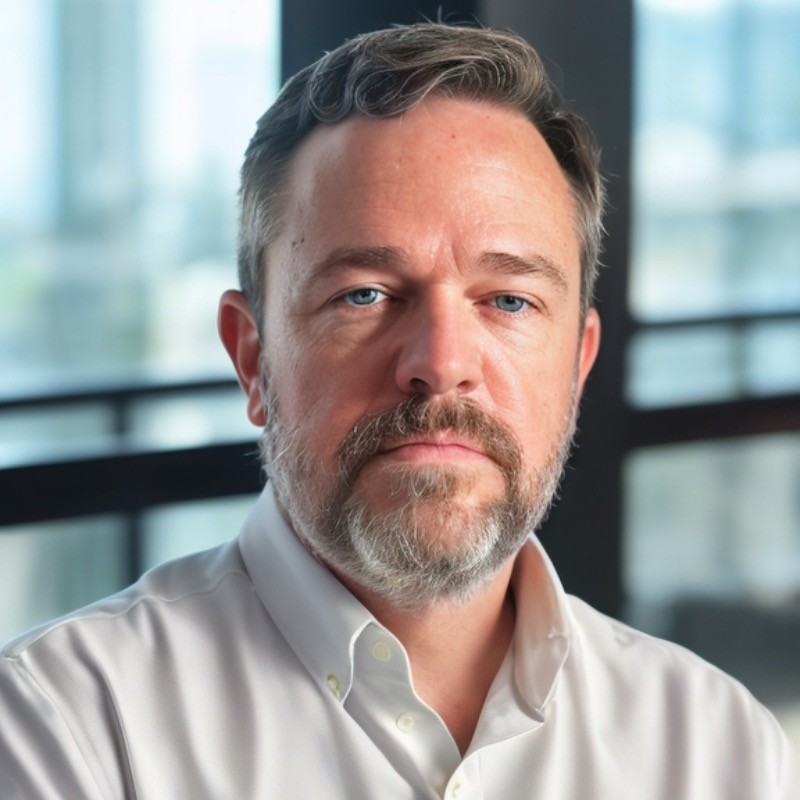
Robert Kennedy
Client Account DirectorCapgemini
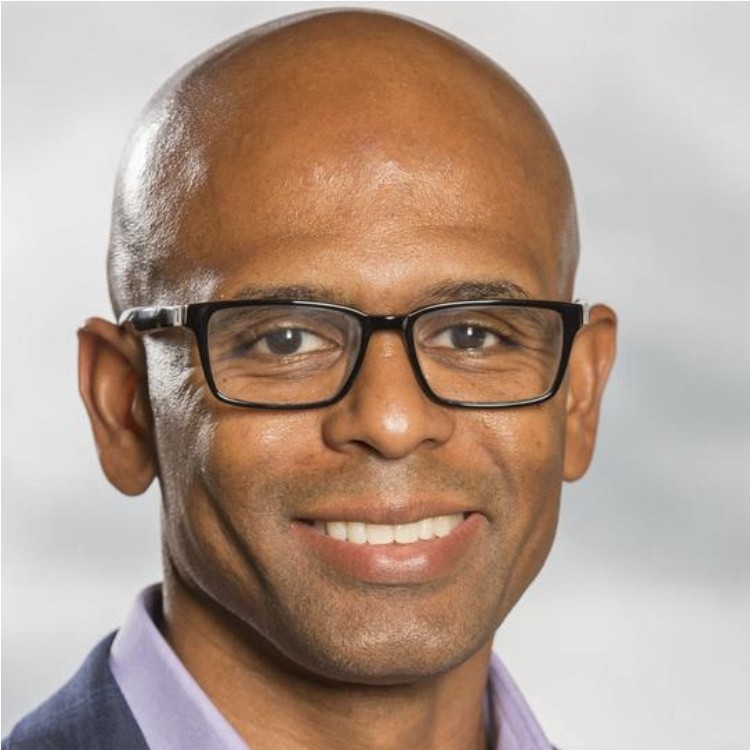
Terrence Gee
SVP, Technology and Enterprise Transformation, & CIOCoca-Cola Beverages Florida
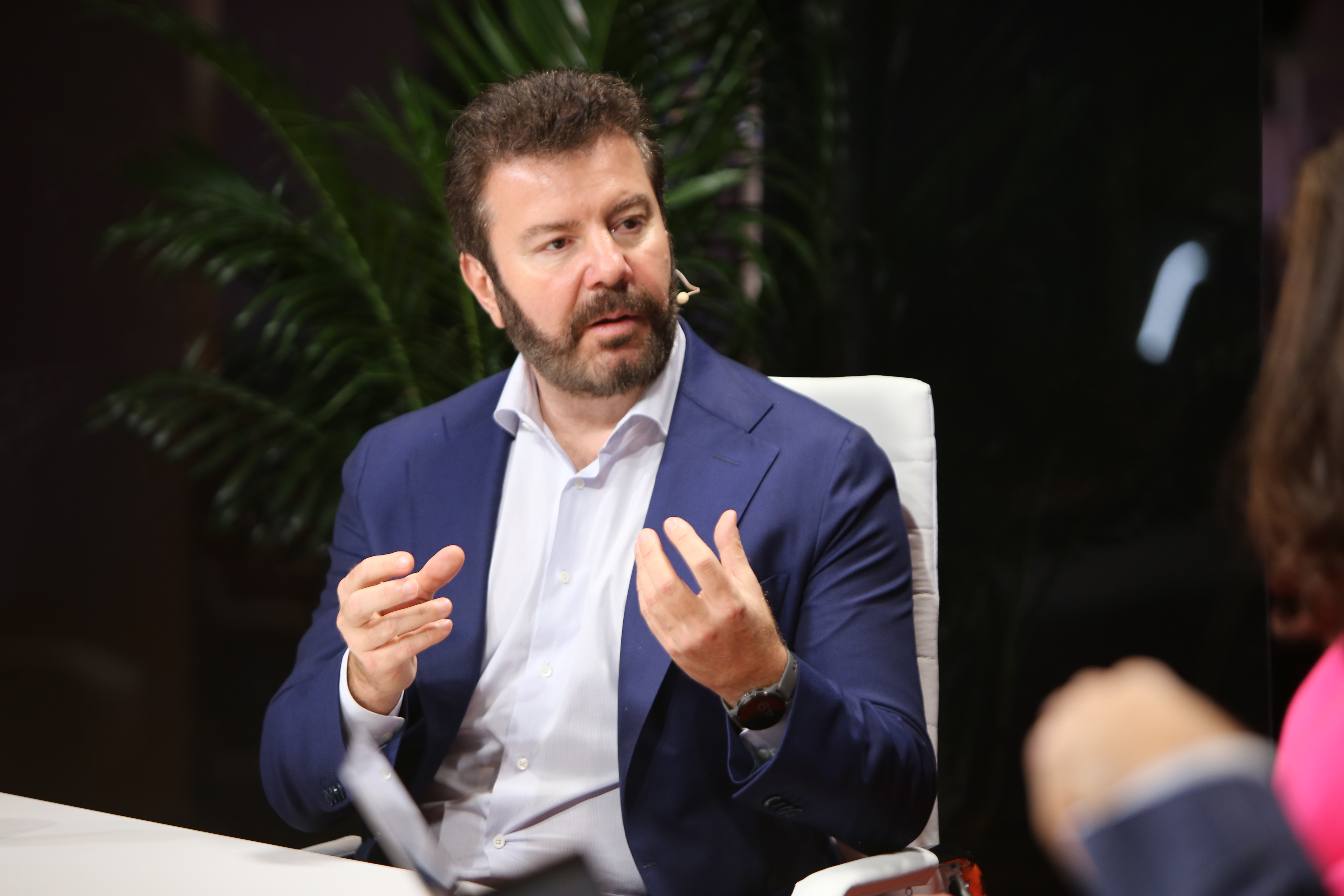
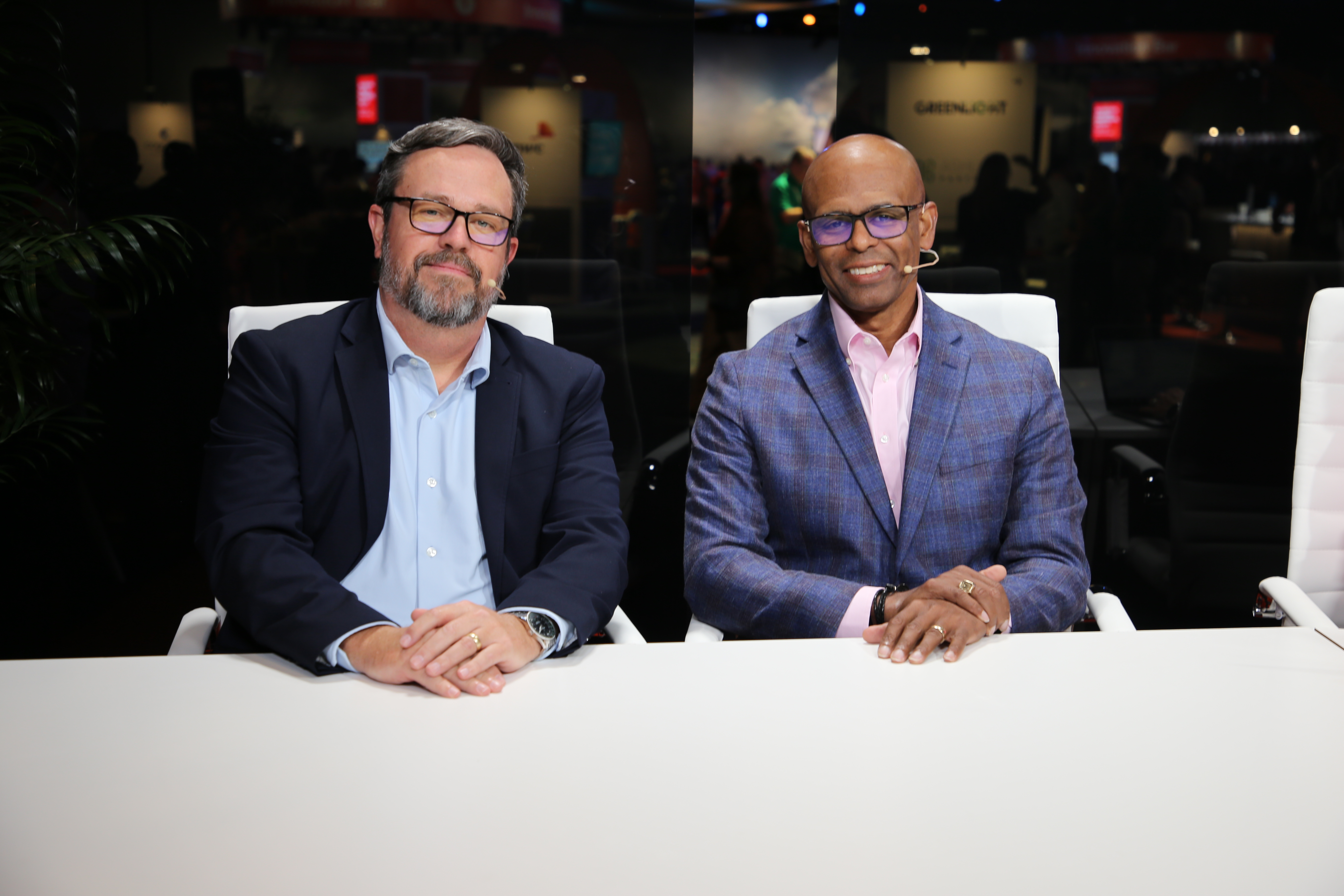
Rebecca Knight and Dave Vellante welcome Terrence Gee, SVP Technology and Enterprise Transformation at Coca-Cola Beverages, Florida, and Rob Kennedy, client account director at Capgemini, to discuss technology challenges. Gee talks about focusing on value drivers, including AI and automation, while emphasizing the importance of workforce adoption. Kennedy highlights the need for relationship building and cultural understanding to drive value realization. They discuss communication plans, strategy, transparency, and fluency in technology to empower workers and...Read more
exploreKeep Exploring
What is the company's focus in terms of technology and data utilization to streamline and enhance their processes and capabilities?add
What is important in building a successful relationship with a vendor according to the speaker?add
What are two important factors for success in a business or organization?add
Rob Kennedy, Capgemini & Terrence Gee, Coke Florida
search
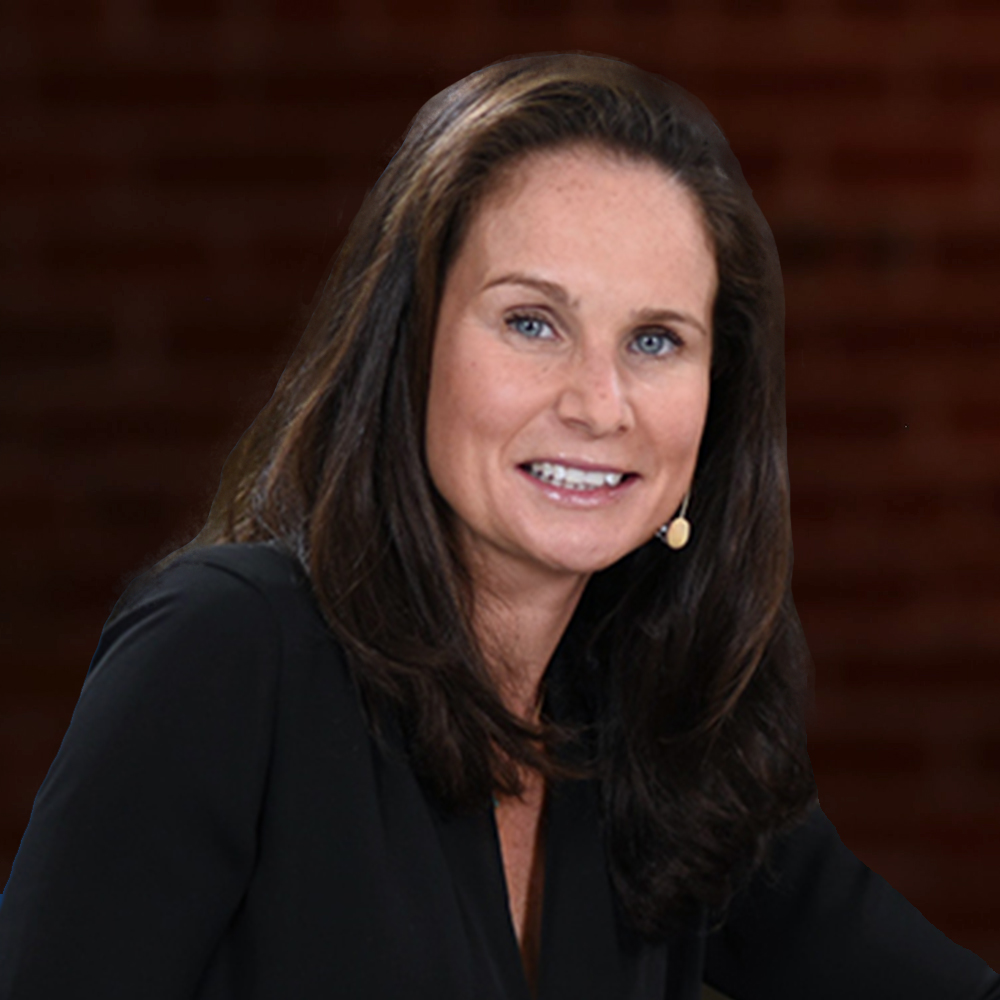
Rebecca Knight
>> Good afternoon everyone, and welcome back to theCUBE's live coverage of UiPath FORWARD, 2024. I'm your host, Rebecca Knight, sitting alongside my co-host and analyst, Dave Vellante. We've got two guests I'd like to welcome to the show, Terrence Gee. He's the SVP Technology and Enterprise Transformation and CIO of Coca-Cola Beverages, Florida. Thank you so much for coming on the show. And Rob Kennedy, client account director at Capgemini. Thank you both so much.>> Thanks for having us.
Rebecca Knight
>> So Coca-Cola is obviously a household name Terrence, but I'd like you to talk a little bit about Coca-Cola Coke Florida.
Terrence Gee
>> Sure. So we are a $2 billion company. You have about 5,000 employees. We operate in most of the counties in the state of Florida. So we make the Coke products, we move them, we sell them, we service our customers throughout the state. So we are primarily a B2B company. So if you think about many of the large retailers, we are selling to them and it's our responsibility, again, to bring those products to life, get them on the shelf and to make sure that the people in the state of Florida have fantastic Coke products to drink.
Dave Vellante
>> And Rebecca Republicans and Democrats drink Coke.
Rebecca Knight
>> They do.
Dave Vellante
>> We're a Massachusetts, all politics is local.
Terrence Gee
>> Fair enough.
Rebecca Knight
>> What are some of the, I mean it sounds like an exceedingly complex organization, $2 billion company. Tell us a little about some of the most pressing technology challenges that you grapple with.
Terrence Gee
>> Sure. So we are really trying to make sure that we can bring technology, the use of data through all of those major capabilities. So the way that we make the products, it is a complicated process. But our ability to draw insights from those processes to be able to bring that process and those capabilities to life in a more streamlined and efficient way. I mean, that's what we're all about. And our intent is to be sure that we can pull the thread all the way through. So from the time we make it, our movement into the warehouse, getting it on the store shelf, merchandising those products, and then helping our sales folks be more efficient. So one of the things that we do spend time on is really trying to understand what are the big value drivers? I mean, what is it that we need to do to make money? And my job is to be sure that we apply technology in the most appropriate ways, but focus on the things that really do create the most value. And not too surprising AI, automation, those are two of the things that we're spending quite a bit of time focusing on and bringing them to bear in those key parts of our business.
Dave Vellante
>> So the industry has an interesting track record, I'll say, of shiny new toys come out, technology vendors, a lot of hype, make a lot of promises, gets deployed. The early pioneers take the arrows. What do you do? You call the GSI, help me actually make this stuff work because it's all about the value, and you're willing to pay for that value. No question about it.
Terrence Gee
>> Absolutely.
Dave Vellante
>> But I feel like we've built up a lot of infrastructure and heavy lifting to get where we are today and now there's a new promise coming out. GenAI is going to make everything simple. Okay, we're two years in, we know that's not the case. So how do you step back and strategize from internal Coke perspective in Coke Florida and working with partners to say, "Okay. We have a lot of experience, some of us have gray hairs, but let's not make the same mistakes that we've made in the past. Let's put together a plan and we know what we know. There's some things that we might not know." But from a CIO perspective, how do you do that and where does your partner fit in?
Terrence Gee
>> Yeah. So if you think about it, one of the things that is really most important is learning lessons from the past. So if you go all the way back to Henry Ford and automation and standardization, one thing that's always been true is that even as the technology became readily available, advanced, you can't get away from those pesky people. So one of the taglines in the conference today, automation is going to be a agentic and robotic, and that's true, but getting good business results, well that is decidedly human and I think it will be so for quite some time. So part of what we're really trying to do is to make sure that we understand the technology in some ways has become the easy part. But how is it that you make sure that you've got a workforce that is going to adopt what you're rolling out, what you're deploying, which means you've got to get them to believe that it is the right thing to do that is going to impact them in a positive way. So there's this whole messy business of adoptions. Adoption is one part of it, but then you also have to be sure that you're engaging from leaders to managers to frontline folks, and then ultimately, enabling them, putting them in a position to be successful. So our strategy, which at the end of the day is just about making choices, a good bit of the choices to double down on understanding how this unfolds in a way that truly does bring our people along the way with us, and not make the mistake that the technology is a panacea. And if I get that right, then everything is going to be great because we know that that's just not the case.
Dave Vellante
>> Rob, this is a great point that Terrence is making, and you can have a wonderful business case, but if a 1/3 of the people that you think are going to adopt it or they just give it lip service, they don't lean in, then you get no business case. So how do you address this from your perspective, and what patterns are you seeing and how do you apply success rules to customers like Coke, Florida?
Rebecca Knight
>> Yeah. I think from a vendor perspective, like we are, it's all about the relationship building that we do very quickly. When we came into Coke Florida early and we had a mission to deploy the automation, but very quickly it turned from a cost savings effort to a real value realization effort. And I think the big difference was we learned the Coke Florida culture and we learned the people, we understand how they worked, and we were able to adopt that in our own team and be able to show that same Coke Florida connectivity that they have in the office there with our own Capgemini people. So we just blend right in, and now we feel like we are one team. And I think that made a big difference because Terrence said it's really all about the people. Without the people connection, you're really not going to get the true value realization that you're looking for. And I think what was really all about us just learning that culture, getting ourselves en-brewed in there, and now we feel like we're all one big team.
Rebecca Knight
>> So walk us through that process because that is really fascinating. First, you need to make sure that you are acclimatizing to the culture part of the culture, you're one mission driven. But then what are some other best practices that have emerged in terms of making sure that people, as Terrence was saying, are on board, they're adopting and they're seeing a positive benefit from the bottom up and the top down?
Dave Vellante
>> Yeah. It's all about building a cohesive communication plan both within the company and without to make sure that there's a way to communicate the change that's coming, make sure that it's in a positive light, make sure that people understand things like automation are not something to be feared. That's actually something to look forward to because it's going to actually augment what you're doing is going to help you do your job better. So building that the communication plan is really important. And then also having a really good strategy and understanding where they want to be, not in a year but in two years, three years, five years, so that we can also start to merge the team and make sure they're going down the right path.
Terrence Gee
>> I'll give you two other things that are important. So one is transparency. So you have to be really, really clear on what is it that you're trying to do here. We talk a lot about value, but that becomes an overused term and people will interpret that a number of different ways. So we've been very clear that for us to be able to get value, there are really three different ways of looking at it. One of them is individual productivity, and so we've spent quite a bit of time trying to make sure that people can see that there's something in it for them so that they really do feel like, "Hey, my day unfolds better because of the changes that you've been able to put in place." The other is more team efficiency or effectiveness. So not just the individual members, but this team that I sit on.
So one area in particular is around planning. I mean, if we can plan the work the right way, our ability to execute it is going to be so much better. So we spent time really trying to make sure that everybody understands. That is part of the work that we're trying to do is to make sure that people understand that there's not only individual productivity, team efficiency and effectiveness, but then also true enterprise value. So it might be hard for each of those individuals to understand how's this better for me? But they do understand that we've taken the time to define and be real clear and transparent about how do we make money in this business? And these are the areas that if we spend time focused on them and we can use the new technology to bring that to life in a more effective way, then we all benefit. So it's the individual productivity, the team efficiency and effectiveness, and then the enterprise value. So far just the transparency. But the other thing is fluency. The other thing that becomes real clear is that we oftentimes say the same words but mean something very different. So there's a certain clarity that comes along with that. But my ability to not just be literate, but to be truly fluid in these things, artificial intelligence, automation and how they fit together, that's when we get to the point where we can really co-create and co-collaborate on solutions with the folks in our organization and not just have it feel like, "Hey, this is the next thing that the technology guys said we've got to adopt." Versus, "Listen, I understand enough about what's possible, and I am the one that does this all day every day." So do you think we might be able to do X? Their ability to do that is enhanced tremendously when they've got to fluency about kind of the work that we do and the kinds of things that the tools can enable. So this transparency and then fluency become two critical parts of the overall success.
Rebecca Knight
>> And it's really empowering for the workers.
Terrence Gee
>> Absolutely. Because again, it feels like and it not just feels like, but they are part of the solution making versus us coming in and saying, "Have I got something great for you?" You know ought to have some fear and trepidation when anybody tells you that.
Dave Vellante
>> So a $2 billion company with 5,000 employees is big enough such that 100% of the people, the team members, aren't going to agree on what enterprise value bits.
Terrence Gee
>> Absolutely.
Dave Vellante
>> So how do you adjudicate that? Is it a C-suite partnership, and then you develop a communications plan and get the data, debate, align and execute? How do you handle that as a CIO?
Terrence Gee
>> It's a little bit of top down and bottom up. So I not only have the CIO's title, but I also am responsible for enterprise transformation. And that is truly rooted in understanding, and again, I hate to overuse this, but it is true. What drives the value in our business? So we've done, I think over the course of, we're about 9 1/2 years old, we'll be 10 years old here shortly, and we've been pretty consistent in telling people these are the things that we have to focus on in order for us to drive value, in order for us to be able to have the impact in the communities that you all live, work and play in. And we've been consistent. And you can go and you can look at things that we talked about back in 2015 and the detail might change, but the context is largely the same. So part of it I think really is being consistent in that message to where you get the impression these guys really do believe this and we do. So that message really is around what creates value. So I would argue that maybe not 5,000, but many of those employees, they could tell you, I know what our big enterprise transformation programs are and I understand where I fit into them. Is that a day one thing? Absolutely not. But over time, I think we've been able to put that message out consistently in a way that when people see our actions, they understand that they actually line up with some strategic choices that have been made. And those choices are clearly rooted in our belief about what drives our business, and how do we drive that business in a way that it really does connect with the things that the Coca-Cola company is trying to do as well. But ultimately as a family-owned independent business, we've got to be clear about what creates value for us and that's what we've done.
Dave Vellante
>> So Rob, it's not uncommon that CIOs are also responsible for enterprise transformation because he or she has the purview of the entire organization, but have you seen any patterns? Is it becoming more common? It's a two-part question and what role is automation playing in that transformation? It must be a key cog in the wheel.>> It is, and we definitely see a lot of CIOs taking on that additional responsibility of the transformation part. It is definitely starting to work, especially since there's such a reliance on the technology to really get folks where they want to be. I think that's a good place for it to live with the CIO. What we are seeing is with all of the new generative AI products that are coming out there and agentic AI and things like that, that even just has to double down on the relationship part. Understanding the client, understanding their culture and making sure that those plans that we have work because we're going through another wave. We had a wave five or six years ago where RPA was really taken off and people were a little concerned and some of the folks that were inside the business that feel like they're going to be impacted, and we had to do a lot of work to make sure that they felt comfortable with it. I think we're coming to another inflection point now where we're going to have to do all that again because they're also going to see... Now, hopefully they see the benefits of what we've done over the last five years at Coke Florida. So in this particular case, I think we're much better positioned to make them feel better about what's coming in the future.
Dave Vellante
>> IT spending during the pandemic, it reminded me of YIIK. It was almost like open checkbook just to keep the businesses going. In fact, exiting COVID, when we were still in 0 interest rate environments, CIOs were expecting about seven to 8% IT spend growth at the macro, which is really robust. And then as interest rates started to pop up, that dropped down to below 3%. Today, it's in the mid 3's and 45% of the customer accounts tell us in our large surveys that they're stealing from other budgets to fund their GenAI. And it suggests to us that, and they're complaining about the ROI. We hear that in the news all the time. So it's not self-funding yet. Terrence, do you see light at the end of the tunnel where GenAI generally, or specifically in AI generally in automation, is throwing off enough cash that you're going to have gain sharing such that it'll be self-funding?
Terrence Gee
>> I do see light at the end of the tunnel, but one of the ways that we've tried to make sure that we can see that light sooner is to not get too lathered up about GenAI in particular. I mean, the reality is whole fashioned predictive AI machine learning. I mean, that's been a workhorse for a whole bunch of business for a long period of time. So when you think about the way in which we try to manage just a complex supply chain, being able to apply artificial intelligence, so again, machine learning, so not generative AI, but just I'll call it again, the basic blocking and tackling. We have been able to see benefit in that regard. So I look at the continuum. I don't get too high, don't get too low, don't spend too much time getting people, again, lathered up over generative AI, but it's the spectrum. Yes, I can use artificial intelligence to do everything from predict, mimic, and create, but if you take that entire spectrum and say, "How does that basket produce results for our business?" It's a pretty impressive basket. So that's the approach.
Dave Vellante
>> It's interesting. There's still some customers that tell us, "Yeah. We're not really leaning into GenAI yet." Now, it's a much smaller percentage than it was say a year ago, but it was an article in the Wall Street Journal this week about Tim Cook saying, "We don't want to be first. We always want to be the best. So we'll let others be the icebreakers, make mistakes, and then we'll figure it out from there and come up with the best implementation." A lot of people in the media would say, "No, no, that's a big mistake. You got to lean in. You're in big trouble if you miss out."
Rebecca Knight
>> You're nodding, Rob.
Dave Vellante
>> But maybe a more measured approach is the right one.
Dave Vellante
>> I think a measured approach might be a right one, but there's also, you have to have the confidence in the guts to really get in. There's a point where we're at right now where I think that if you don't start really thinking about your AI journey, what that looks like in the next two to five years, you're going to find yourself a little bit behind. So we have a lot of clients are nervous about making the investments, or nervous about what it means to them, those things. And we have to help them get over those fears because this is going to move very, very fast. In the next couple of years, things are going to turn on a dime. And we are trying to get those folks that feel still a little hesitant to jump in and really say, "Hey, we got to take this seriously. It needs to be in the plan and we need to work with somebody that's going to help us navigate-
Dave Vellante
>> I would agree with that, but I would say don't freak out about LLMs. Do some experimentation. Start with your data and understand that. How are you going to harmonize that? How are you going to govern that? What about PII? Understand the regulations and these other guardrails? That to me is how you start to get your AI house in order.
Dave Vellante
>> The data's an important part. Because we work with a lot of clients that we can't really get the generative AI to do what they want to do because the data sets that they're trying to use, they need a lot of work. So there's a big investment. But again, if you don't start now thinking about that in that two to five year roadmap, and thinking about, well, I got a year of data cleansing that I'm going to have to do, and data consolidation before an AI model can really unlock the power of that data, you got to start thinking about that now.
Terrence Gee
>> Thoughts on that but think about data. Think about operating model versus projects because you're right. You could burn through a lot of cash just executing projects that may or may not have the right results. But if you believe, and I do believe that there will be light at the end of the tunnel, you will be able to see how across that broad spectrum of artificial intelligence benefits and value are created. Then I think you have to look at those two things. So the data, as you described, just so not to repeat that, but operating model as well, because if you believe, and I do that artificial intelligence, some of these breakthroughs are going to allow for business model innovation, then you have to have the right operating model to be able to say, "If business model is how I make money, the operating model is how I bring that to life, and I've got to figure out how to build the right capabilities in between."
So if you invest time now in trying to put that together, like I said, I think the tools have largely caught up with or they will catch up with our collective aspirations. But if that happens and you're not actually ready from an operating model standpoint, that you're not going to get the business model innovation or it won't be sustainable. So that's really where we've put a lot of our time and effort. And again, I talk about thinking about artificial intelligence as this continuum. I mean some of what we've talked about here, again, the machine learning, I mean those are pretty tried and true things, but they have helped condition us to the work required to be sure that there is integrity in the data that you can think about, not just security, but privacy, that you can think about the ethics. So those are some of the things that we've had to increase the capabilities because we can see the changes in the operating model that are being driven by these new aspirations that we have for our business model.
Dave Vellante
>> Great point about the operating model. We learned that with cloud, you lifting and shifting didn't really do much for us, but if you were able to change the operating model, you could put hundreds of millions or millions on your bottom line.
Rebecca Knight
>> Indeed. Terrence, Rob, thank you both so much for coming on a really great conversation.
Dave Vellante
>> Great stuff. Appreciate it.
Terrence Gee
>> Thank you.
Rebecca Knight
>> I'm Rebecca Knight for Dave Vellante, stay tuned for more of theCUBE's live coverage of UiPath FORWARD, 2024. You're watching theCUBE, the leader in enterprise tech news and analysis.