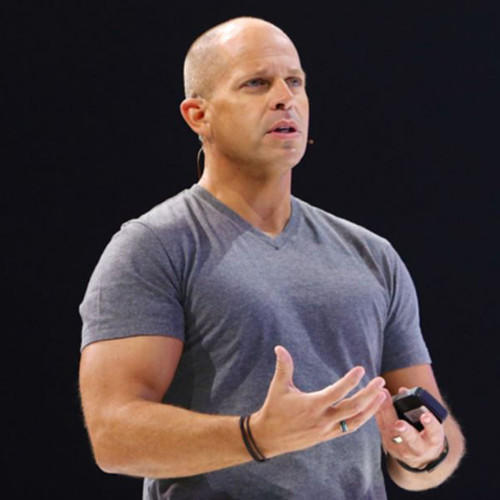
Brad Anderson, Microsoft, at VTUG Winter Warmer 2014 with Dave Vellante and Stu Miniman
@thecube
#VTUG
Brad Anderson, Corporate VP of Windows Server & System Center at Microsoft, discussed the company's cloud and server strategy with theCUBE co-hosts Dave Vellante and Stu Miniman, live from the VTUG Winter Warmer 2014. This year's event was focused on the virtualization market broadening beyond VMware to the likes of Microsoft and Citrix, and it was this topic that Vellante kicked off the interview.
Vellante first commented on VTUG becoming a multi-constituency event and Microsoft moving the virtualization market beyond VMware. He also asked Anderson about the statement according to which Microsoft gets the home run with it's third version, as Windows Server 2012 and Hyper-V seem to be clicking now.
Anderson stated that was a fair assessment, especially when considering Windows Server 2008, the R2 version, etc. He explained that the company moved from Windows Server 2012 to 2012 R2 within a year.
"When we bring a technology to Windows Server, it's been tested first," Anderson said, as the company has a cloud first strategy. "We bring it and prove it in Azure, battle test it, then we deliver to Windows Server."
Anderson said Microsoft did a lot of innovation in storage that pioneered in Azure, then was brought to Windows Server. "Hyper V is what powers Azure," he noted. "We're testing it out at scale before it hits the street into Windows Server."
Building the public cloud to scale
The key message, Anderson explained, was "we are the only organization in the world that is operating and building a public cloud at scale. We back up our SLA financially. If we don't meet our SLA, you don't pay it."
Microsoft focuses on ensuring consistency around private, public, and hosted cloud to ensure customers are not locked into a cloud. They can move without adding any code at all. "We're doing the work to make sure it's consistent," Anderson stated.
"The most innovation that is happening in the cloud industry is happening in a handful of organizations that are operating these clouds at incredible scale," he continued. Microsoft invested 15 billion dollars while building Azure and hosting hundreds of services. "In that environment, we have the opportunity to learn." With 50,ooo networking changes a day, "you have to innovate like crazy," said Anderson.
While Windows Azure started as a separate team, it now works side by side with the Windows Server team. Microsoft offer the Windows Azure Pack which is taking capabilities proven in Azure and delivers them on top of Windows Server. A great use case is hosting high density websites at low costs.
No customer wants to be locked in
The competitive advantage of Microsoft's offering revolves around the fact that "no customer wants to be locked in," said Anderson. When they discuss public cloud, they don't want to be locked in, they want to be secure. "We can promise and prove that when you develop an application to run on Win Server, you can move it across the clouds and you are not locked in any cloud," he said.
Asked if cloud changed channel dynamics, Anderson replied, "I think cloud changes everything." The company offers incentives for the channels, when they sell SaaS offerings, "our channel partners can find more customers to go to, annuities build on top of each other. That annuity comes back to the channel partner."
"The software cots for a service is less than five percent than the cost of ownership," Anderson said, talking about the cloud effect on how Microsoft sees pricing dynamic. The company's strategy is to offer great value at low prices.
"Our definition of the enterprise is very broad," he said, covering organizations with over 500 PCs. One out of four use Office 365. A lot of organizations are concerned about security. "There's a lot of conversation that we have to show what we have done around security," said Anderson. There are also a lot of verticals that are highly regulated, they will keep their assets on premise on a private cloud.
Microsoft's responsibility is to help organizations work on the devices that they love, while keeping IT protected, Anderson explains, commenting on mobility trends and BYOD.
Asked to put a bumper sticker on the 2014 event, Anderson said he focused on helping organizations cloud optimize their business, thus the bumper sticker would be "Cloud Optimized."
Forgot Password
Almost there!
We just sent you a verification email. Please verify your account to gain access to
VTUG Winter Warmer 2014. If you don’t think you received an email check your
spam folder.
In order to sign in, enter the email address you used to registered for the event. Once completed, you will receive an email with a verification link. Open this link to automatically sign into the site.
Register For VTUG Winter Warmer 2014
Please fill out the information below. You will recieve an email with a verification link confirming your registration. Click the link to automatically sign into the site.
You’re almost there!
We just sent you a verification email. Please click the verification button in the email. Once your email address is verified, you will have full access to all event content for VTUG Winter Warmer 2014.
I want my badge and interests to be visible to all attendees.
Checking this box will display your presense on the attendees list, view your profile and allow other attendees to contact you via 1-1 chat. Read the Privacy Policy. At any time, you can choose to disable this preference.
Select your Interests!
add
Upload your photo
Uploading..
OR
Connect via Twitter
Connect via Linkedin
EDIT PASSWORD
Share
Forgot Password
Almost there!
We just sent you a verification email. Please verify your account to gain access to
VTUG Winter Warmer 2014. If you don’t think you received an email check your
spam folder.
In order to sign in, enter the email address you used to registered for the event. Once completed, you will receive an email with a verification link. Open this link to automatically sign into the site.
Sign in to gain access to VTUG Winter Warmer 2014
Please sign in with LinkedIn to continue to VTUG Winter Warmer 2014. Signing in with LinkedIn ensures a professional environment.
Are you sure you want to remove access rights for this user?
Details
Manage Access
email address
Community Invitation
Brad Anderson | VTUG Winter Warmer 2014
Brad Anderson, Microsoft, at VTUG Winter Warmer 2014 with Dave Vellante and Stu Miniman
@thecube
#VTUG
Brad Anderson, Corporate VP of Windows Server & System Center at Microsoft, discussed the company's cloud and server strategy with theCUBE co-hosts Dave Vellante and Stu Miniman, live from the VTUG Winter Warmer 2014. This year's event was focused on the virtualization market broadening beyond VMware to the likes of Microsoft and Citrix, and it was this topic that Vellante kicked off the interview.
Vellante first commented on VTUG becoming a multi-constituency event and Microsoft moving the virtualization market beyond VMware. He also asked Anderson about the statement according to which Microsoft gets the home run with it's third version, as Windows Server 2012 and Hyper-V seem to be clicking now.
Anderson stated that was a fair assessment, especially when considering Windows Server 2008, the R2 version, etc. He explained that the company moved from Windows Server 2012 to 2012 R2 within a year.
"When we bring a technology to Windows Server, it's been tested first," Anderson said, as the company has a cloud first strategy. "We bring it and prove it in Azure, battle test it, then we deliver to Windows Server."
Anderson said Microsoft did a lot of innovation in storage that pioneered in Azure, then was brought to Windows Server. "Hyper V is what powers Azure," he noted. "We're testing it out at scale before it hits the street into Windows Server."
Building the public cloud to scale
The key message, Anderson explained, was "we are the only organization in the world that is operating and building a public cloud at scale. We back up our SLA financially. If we don't meet our SLA, you don't pay it."
Microsoft focuses on ensuring consistency around private, public, and hosted cloud to ensure customers are not locked into a cloud. They can move without adding any code at all. "We're doing the work to make sure it's consistent," Anderson stated.
"The most innovation that is happening in the cloud industry is happening in a handful of organizations that are operating these clouds at incredible scale," he continued. Microsoft invested 15 billion dollars while building Azure and hosting hundreds of services. "In that environment, we have the opportunity to learn." With 50,ooo networking changes a day, "you have to innovate like crazy," said Anderson.
While Windows Azure started as a separate team, it now works side by side with the Windows Server team. Microsoft offer the Windows Azure Pack which is taking capabilities proven in Azure and delivers them on top of Windows Server. A great use case is hosting high density websites at low costs.
No customer wants to be locked in
The competitive advantage of Microsoft's offering revolves around the fact that "no customer wants to be locked in," said Anderson. When they discuss public cloud, they don't want to be locked in, they want to be secure. "We can promise and prove that when you develop an application to run on Win Server, you can move it across the clouds and you are not locked in any cloud," he said.
Asked if cloud changed channel dynamics, Anderson replied, "I think cloud changes everything." The company offers incentives for the channels, when they sell SaaS offerings, "our channel partners can find more customers to go to, annuities build on top of each other. That annuity comes back to the channel partner."
"The software cots for a service is less than five percent than the cost of ownership," Anderson said, talking about the cloud effect on how Microsoft sees pricing dynamic. The company's strategy is to offer great value at low prices.
"Our definition of the enterprise is very broad," he said, covering organizations with over 500 PCs. One out of four use Office 365. A lot of organizations are concerned about security. "There's a lot of conversation that we have to show what we have done around security," said Anderson. There are also a lot of verticals that are highly regulated, they will keep their assets on premise on a private cloud.
Microsoft's responsibility is to help organizations work on the devices that they love, while keeping IT protected, Anderson explains, commenting on mobility trends and BYOD.
Asked to put a bumper sticker on the 2014 event, Anderson said he focused on helping organizations cloud optimize their business, thus the bumper sticker would be "Cloud Optimized."