01. Nelson Nahum, Zadara Storage, Visits #theCUBE!. (00:19)
02. Give Us An Update On Zadara. (00:52)
03. What Do You Do And Why Is It So Relevant. (01:48)
04. Which Clouds Are You Not On. (02:57)
05. Where Do You Fit In With VMware. (04:03)
06. Is There A Set Of Skills A Practitioner Needs To Learn To Use Zadara. (04:42)
07. How Are Your Customers Approaching The New Cloud World. (06:43)
08. How Many Customers Do You Have. (07:59)
09. Do Customers Worry About Using A Lot Of Storage. (09:14)
10. What Is The Story With Flash Storage. (10:47)
11. How Many People Show Up For Your Event. (11:36)
12. What Is The Companies Growth Strategy. (12:55)
13. What Do You See In Amazon. (14:32)
14. Is The Theme Of This Event Multi Cloud. (15:50)
15. How Does It Work With Your Company, Do I Buy A Box. (16:05)
16. How Is The Feedback From Customers. (18:45)
17. What Do You Expect To Learn From VMware this Week. (19:04)
Track List created with http://www.vinjavideo.com.
--- ---
How one company is bringing Storage-as-a-Service to enterprise | #VMworld
by Tim Hawkins | Aug 29, 2016
Many of the VMware, Inc. customers present at this year’s conference are using a fairly new offering in enterprise storage: Storage-as-a-Service. VMware itself has been attempting to get its own version of this type of service off the ground, but for now it is being handled through third-party providers, such as Zadara Storage, Inc.
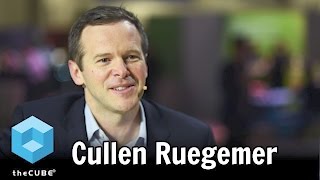
Nelson Nahum, cofounder and CEO of Zadara, sat down with John Furrier (@furrier) and John Troyer (@jtroyer), host and guest host of theCUBE, from the SiliconANGLE Media team, during VMworld in Las Vegas, to discuss the company’s Storage-as-a-Service business model and why it is relevant in today’s enterprise market.
The Storage-as-a-Service model
Zadara is a true pay-as-you-go enterprise storage service provider. The company offers a choice of public cloud through either Amazon or Azure, or private cloud where they ship the customer all the necessary equipment at no charge and manage it remotely. Once the customer is set up on Zadara’s system, they can then replicate and move data easily between public and private cloud, according to Nahum.
“When you we say enterprise storage, it’s primary and secondary storage with the same capabilities that you will find in traditional storage arrays, but because it’s coming to the cloud, this can be provisioned as a service in one minute,” explained Nahum.
The benefits of using Zadara
Many existing VMware enterprise customers are used to more traditional storage solutions, such as SAN or VSAN and direct attached storage solutions. Furthermore, these companies are used to allocating a great deal of overhead for the more traditional methods — not just in hardware, but in staffing teams to manage it.
With Zadara’s Storage-as-a-Service model, any hardware required for private cloud is provided and the system is managed remotely, so there is no need to provide resources for either. Customers can spend their capital and manpower focusing on more worthwhile projects, Nahum explained.
“We manage the system for the customer, even if it’s on premise,” said Nahum. “This is part of the capabilities of the advantages of using Zadara, because they can free up their time to work on more strategic things.”
Forgot Password
Almost there!
We just sent you a verification email. Please verify your account to gain access to
VMworld 2016 | Las Vegas. If you don’t think you received an email check your
spam folder.
In order to sign in, enter the email address you used to registered for the event. Once completed, you will receive an email with a verification link. Open this link to automatically sign into the site.
Register For VMworld 2016 | Las Vegas
Please fill out the information below. You will recieve an email with a verification link confirming your registration. Click the link to automatically sign into the site.
You’re almost there!
We just sent you a verification email. Please click the verification button in the email. Once your email address is verified, you will have full access to all event content for VMworld 2016 | Las Vegas.
I want my badge and interests to be visible to all attendees.
Checking this box will display your presense on the attendees list, view your profile and allow other attendees to contact you via 1-1 chat. Read the Privacy Policy. At any time, you can choose to disable this preference.
Select your Interests!
add
Upload your photo
Uploading..
OR
Connect via Twitter
Connect via Linkedin
EDIT PASSWORD
Share
Forgot Password
Almost there!
We just sent you a verification email. Please verify your account to gain access to
VMworld 2016 | Las Vegas. If you don’t think you received an email check your
spam folder.
In order to sign in, enter the email address you used to registered for the event. Once completed, you will receive an email with a verification link. Open this link to automatically sign into the site.
Sign in to gain access to VMworld 2016 | Las Vegas
Please sign in with LinkedIn to continue to VMworld 2016 | Las Vegas. Signing in with LinkedIn ensures a professional environment.
Are you sure you want to remove access rights for this user?
Details
Manage Access
email address
Community Invitation
Nelson Nahum, Zadara Storage | VMworld 2016
01. Nelson Nahum, Zadara Storage, Visits #theCUBE!. (00:19)
02. Give Us An Update On Zadara. (00:52)
03. What Do You Do And Why Is It So Relevant. (01:48)
04. Which Clouds Are You Not On. (02:57)
05. Where Do You Fit In With VMware. (04:03)
06. Is There A Set Of Skills A Practitioner Needs To Learn To Use Zadara. (04:42)
07. How Are Your Customers Approaching The New Cloud World. (06:43)
08. How Many Customers Do You Have. (07:59)
09. Do Customers Worry About Using A Lot Of Storage. (09:14)
10. What Is The Story With Flash Storage. (10:47)
11. How Many People Show Up For Your Event. (11:36)
12. What Is The Companies Growth Strategy. (12:55)
13. What Do You See In Amazon. (14:32)
14. Is The Theme Of This Event Multi Cloud. (15:50)
15. How Does It Work With Your Company, Do I Buy A Box. (16:05)
16. How Is The Feedback From Customers. (18:45)
17. What Do You Expect To Learn From VMware this Week. (19:04)
Track List created with http://www.vinjavideo.com.
--- ---
How one company is bringing Storage-as-a-Service to enterprise | #VMworld
by Tim Hawkins | Aug 29, 2016
Many of the VMware, Inc. customers present at this year’s conference are using a fairly new offering in enterprise storage: Storage-as-a-Service. VMware itself has been attempting to get its own version of this type of service off the ground, but for now it is being handled through third-party providers, such as Zadara Storage, Inc.
Nelson Nahum, cofounder and CEO of Zadara, sat down with John Furrier (@furrier) and John Troyer (@jtroyer), host and guest host of theCUBE, from the SiliconANGLE Media team, during VMworld in Las Vegas, to discuss the company’s Storage-as-a-Service business model and why it is relevant in today’s enterprise market.
The Storage-as-a-Service model
Zadara is a true pay-as-you-go enterprise storage service provider. The company offers a choice of public cloud through either Amazon or Azure, or private cloud where they ship the customer all the necessary equipment at no charge and manage it remotely. Once the customer is set up on Zadara’s system, they can then replicate and move data easily between public and private cloud, according to Nahum.
“When you we say enterprise storage, it’s primary and secondary storage with the same capabilities that you will find in traditional storage arrays, but because it’s coming to the cloud, this can be provisioned as a service in one minute,” explained Nahum.
The benefits of using Zadara
Many existing VMware enterprise customers are used to more traditional storage solutions, such as SAN or VSAN and direct attached storage solutions. Furthermore, these companies are used to allocating a great deal of overhead for the more traditional methods — not just in hardware, but in staffing teams to manage it.
With Zadara’s Storage-as-a-Service model, any hardware required for private cloud is provided and the system is managed remotely, so there is no need to provide resources for either. Customers can spend their capital and manpower focusing on more worthwhile projects, Nahum explained.
“We manage the system for the customer, even if it’s on premise,” said Nahum. “This is part of the capabilities of the advantages of using Zadara, because they can free up their time to work on more strategic things.”