01. Mike Feld, Baystate Health, visits #theCUBE!. (00:20)
02. The Scope of Baystate Health. (01:20)
03. Hyper Convergence in Health Care. (03:03)
04. What Led Baystate Health to Virtual SAN. (05:14)
05. Baystate Key Metrics and Advantages with Storage Costs with VSAN. (06:35)
06. Operational Issues with VSAN in Healthcare. (08:02)
07. Early Advanages to VSAN and What's Left on the Wish List. (09:17)
08. Imaging Challenges to Baystate and Linear Storage Costs. (10:56)
09. Talking to Peers about Hyper Converged and VSAN. (12:29)
Track List created with http://www.vinjavideo.com.
--- ---
Switching it up: How one health organization replaced its entire infrastructure | #VMworld
by Timothy Walden | Sep 5, 2016
Virtualization has relevance in a number of industries, and one of the biggest is healthcare. Slowly more hospitals and healthcare companies are using VMware’s Virtual SAN (VSAN), an enterprise-class shared storage solution for hyper-converged infrastructure optimized for all-flash performance, in the implementation of their infrastructures. But Baystate not only uses VSAN, but recently replaced its entire infrastructure.
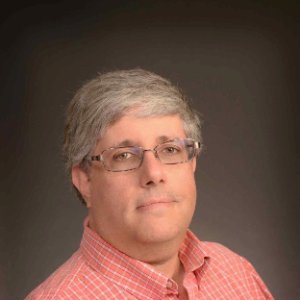
Mike Feld, interim CTO at Baystate Health, talked with John Furrier (@furrier) and John Walls (@johnwalls21), cohosts of theCUBE, from the SiliconANGLE Media team, during VMworld conference about the use of VSAN in the health industry.
Utilizing up time
The most important thing a hospital has to worry about when dealing with technology is up time, according to Feld. It’s important that all machines remain operational and efficient at all times.
Baystate manages thousands of employees and more than a million patients, so it is constantly trying to “chart the direction of technology,” said Feld. By staying ahead of the curve, it can deliver the best and most efficient service to its patients, and VSAN helps them do that.
Hyper-convergence
From a technology perspective,Baystate was most focused on hyper-convergence. The organization wanted to bring every aspect of its digital infrastructure together, so Baystate replaced its old infrastructure with a whole new version “based on VMware’s VSAN products,” said Feld.
Not many hospitals would have been willing to take a risk changing their entire infrastructure, but Baystate has worked with VMware for the past two years, and its CIO was willing to take a risk and thought VSAN had potential, according to Feld.
The Results
Once Baystate moved to an infrastructure utilizing VSAN, it saw a 30-to-40-percent decrease in cost of storage “across all measurements,” according to Feld. Not only did its cost drop, but the staff, who previously were worried about a new infrastructure implementation replacing their jobs, quickly learned new skills.
The various arms of the IT team was brought together, and non-IT staff got involved as well. The staff felt more prepared to handle issues that could arise with the changes, and it was also possible to deploy resources to previously unattended areas since the network needed “less real-time attention,” said Feld.
It may have been a tough transition, but it was one that has yielded Baystate great results. And, in the end, it was “definitely worth it,” said Feld.
Forgot Password
Almost there!
We just sent you a verification email. Please verify your account to gain access to
VMworld 2016 | Las Vegas. If you don’t think you received an email check your
spam folder.
In order to sign in, enter the email address you used to registered for the event. Once completed, you will receive an email with a verification link. Open this link to automatically sign into the site.
Register For VMworld 2016 | Las Vegas
Please fill out the information below. You will recieve an email with a verification link confirming your registration. Click the link to automatically sign into the site.
You’re almost there!
We just sent you a verification email. Please click the verification button in the email. Once your email address is verified, you will have full access to all event content for VMworld 2016 | Las Vegas.
I want my badge and interests to be visible to all attendees.
Checking this box will display your presense on the attendees list, view your profile and allow other attendees to contact you via 1-1 chat. Read the Privacy Policy. At any time, you can choose to disable this preference.
Select your Interests!
add
Upload your photo
Uploading..
OR
Connect via Twitter
Connect via Linkedin
EDIT PASSWORD
Share
Forgot Password
Almost there!
We just sent you a verification email. Please verify your account to gain access to
VMworld 2016 | Las Vegas. If you don’t think you received an email check your
spam folder.
In order to sign in, enter the email address you used to registered for the event. Once completed, you will receive an email with a verification link. Open this link to automatically sign into the site.
Sign in to gain access to VMworld 2016 | Las Vegas
Please sign in with LinkedIn to continue to VMworld 2016 | Las Vegas. Signing in with LinkedIn ensures a professional environment.
Are you sure you want to remove access rights for this user?
Details
Manage Access
email address
Community Invitation
Mike Feld, interim CTO, Baystate Health | VMworld 2016
01. Mike Feld, Baystate Health, visits #theCUBE!. (00:20)
02. The Scope of Baystate Health. (01:20)
03. Hyper Convergence in Health Care. (03:03)
04. What Led Baystate Health to Virtual SAN. (05:14)
05. Baystate Key Metrics and Advantages with Storage Costs with VSAN. (06:35)
06. Operational Issues with VSAN in Healthcare. (08:02)
07. Early Advanages to VSAN and What's Left on the Wish List. (09:17)
08. Imaging Challenges to Baystate and Linear Storage Costs. (10:56)
09. Talking to Peers about Hyper Converged and VSAN. (12:29)
Track List created with http://www.vinjavideo.com.
--- ---
Switching it up: How one health organization replaced its entire infrastructure | #VMworld
by Timothy Walden | Sep 5, 2016
Virtualization has relevance in a number of industries, and one of the biggest is healthcare. Slowly more hospitals and healthcare companies are using VMware’s Virtual SAN (VSAN), an enterprise-class shared storage solution for hyper-converged infrastructure optimized for all-flash performance, in the implementation of their infrastructures. But Baystate not only uses VSAN, but recently replaced its entire infrastructure.
Mike Feld, interim CTO at Baystate Health, talked with John Furrier (@furrier) and John Walls (@johnwalls21), cohosts of theCUBE, from the SiliconANGLE Media team, during VMworld conference about the use of VSAN in the health industry.
Utilizing up time
The most important thing a hospital has to worry about when dealing with technology is up time, according to Feld. It’s important that all machines remain operational and efficient at all times.
Baystate manages thousands of employees and more than a million patients, so it is constantly trying to “chart the direction of technology,” said Feld. By staying ahead of the curve, it can deliver the best and most efficient service to its patients, and VSAN helps them do that.
Hyper-convergence
From a technology perspective,Baystate was most focused on hyper-convergence. The organization wanted to bring every aspect of its digital infrastructure together, so Baystate replaced its old infrastructure with a whole new version “based on VMware’s VSAN products,” said Feld.
Not many hospitals would have been willing to take a risk changing their entire infrastructure, but Baystate has worked with VMware for the past two years, and its CIO was willing to take a risk and thought VSAN had potential, according to Feld.
The Results
Once Baystate moved to an infrastructure utilizing VSAN, it saw a 30-to-40-percent decrease in cost of storage “across all measurements,” according to Feld. Not only did its cost drop, but the staff, who previously were worried about a new infrastructure implementation replacing their jobs, quickly learned new skills.
The various arms of the IT team was brought together, and non-IT staff got involved as well. The staff felt more prepared to handle issues that could arise with the changes, and it was also possible to deploy resources to previously unattended areas since the network needed “less real-time attention,” said Feld.
It may have been a tough transition, but it was one that has yielded Baystate great results. And, in the end, it was “definitely worth it,” said Feld.