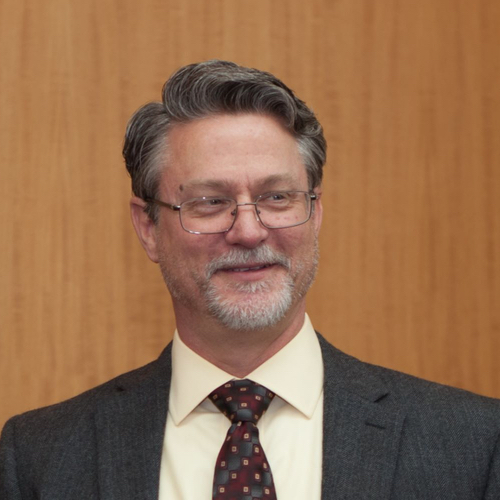
01. Tod Huber, Masterlock Co, Visits #theCUBE. (00:19)
02. Kenny Wilder, Fulton County Schools, Visits #theCUBE. (00:54)
03. Chris Skaling, FusionStorm, Visits #theCUBE. (00:58)
04. Huber's Role at Masterlock. (01:06)
05. Wilder's Role at Fulton County Schools. (02:45)
06. Skaling's Role at FusionStorm. (04:00)
07. What Led to the vSAN Solution. (04:32)
08. Who Ran the vSAN Project. (08:02)
09. FusionStorm Custom Designs Solutions for Customers. (12:03)
10. Easy Sales Pitch to Fulton County Schools and Masterlock. (13:48)
11. Does vSAN Solution Fit all Needs. (15:21)
12. Are Customers Aware of the vSAN Solution. (18:30)
13. Experience and Value Gained at VMworld 2015. (19:26)
Track List created with http://www.vinjavideo.com.
--- ---
Inside VMware’s Virtual SAN | #VMworld
by Teryn O'Brien | Oct 12, 2015
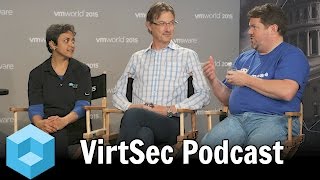
Thinking about implementing VMware, Inc.’s Virtual SAN? During a panel at VMworld 2015, panelists offered some real-life experience from customers who’ve been using Virtual SAN (VSAN) for a year: Kenny Wilder, director of infrastructure at Fulton County Schools; Tod Huber, director of information technology at Master Lock Company LLC; and Chris Skaling, regional practice manager at FusionStorm, Inc.
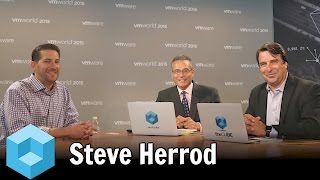
The men spoke with Stu Miniman, cohost of theCUBE, from the SiliconANGLE Media team.
Needed changes to virtualization
The panel began by talking about why they made the switch to VSAN.
“’We were moving toward a hub-and-spokes strategy for our locations,” Huber said. “We had servers in every location, and that wasn’t feasible anymore.”
For Wilder, his school was facing replacing the hardware for its student information system. “So I put my reputation on the line and went ahead and purchased a three-node cluster, scaled on the server,” Wilder said. “And I ran some tests, and I proved to them that it would run fast enough.”
Smooth implementation of VSAN
From the operational standpoint, things ran pretty smoothly. “I ran the project with a couple of engineers — mainly network side and server side,” said Huber. There was no storage team in place at Master Lock, so it was three employees doing the implementation perspective. “We needed to scope it and scale it for the offices we had.”
Wilder said that that the VSAN implementation started off with one three-node and has now evolved to three clusters. “It’s allowing me to buy all this hardware with the same staff without hiring any more,” he noted.
Selling points to new customers
From a selling perspective, Skaling noted that his company designed a catalogue to help customers decide what they might need. “We basically custom-designed three sets of nodes,” Skaling said.
It also helped to communicate the cost savings after implementing the new technology for the long term. “You’re going to save on administration costs, because you’re not hiring anyone new.”
@theCUBE
#VMworld
Forgot Password
Almost there!
We just sent you a verification email. Please verify your account to gain access to
VMworld 2015 | San Francisco. If you don’t think you received an email check your
spam folder.
In order to sign in, enter the email address you used to registered for the event. Once completed, you will receive an email with a verification link. Open this link to automatically sign into the site.
Register For VMworld 2015 | San Francisco
Please fill out the information below. You will recieve an email with a verification link confirming your registration. Click the link to automatically sign into the site.
You’re almost there!
We just sent you a verification email. Please click the verification button in the email. Once your email address is verified, you will have full access to all event content for VMworld 2015 | San Francisco.
I want my badge and interests to be visible to all attendees.
Checking this box will display your presense on the attendees list, view your profile and allow other attendees to contact you via 1-1 chat. Read the Privacy Policy. At any time, you can choose to disable this preference.
Select your Interests!
add
Upload your photo
Uploading..
OR
Connect via Twitter
Connect via Linkedin
EDIT PASSWORD
Share
Forgot Password
Almost there!
We just sent you a verification email. Please verify your account to gain access to
VMworld 2015 | San Francisco. If you don’t think you received an email check your
spam folder.
In order to sign in, enter the email address you used to registered for the event. Once completed, you will receive an email with a verification link. Open this link to automatically sign into the site.
Sign in to gain access to VMworld 2015 | San Francisco
Please sign in with LinkedIn to continue to VMworld 2015 | San Francisco. Signing in with LinkedIn ensures a professional environment.
Are you sure you want to remove access rights for this user?
Details
Manage Access
email address
Community Invitation
Kenny Wilder, Tod Huber, & Chris Skaling | VMworld 2015
01. Tod Huber, Masterlock Co, Visits #theCUBE. (00:19)
02. Kenny Wilder, Fulton County Schools, Visits #theCUBE. (00:54)
03. Chris Skaling, FusionStorm, Visits #theCUBE. (00:58)
04. Huber's Role at Masterlock. (01:06)
05. Wilder's Role at Fulton County Schools. (02:45)
06. Skaling's Role at FusionStorm. (04:00)
07. What Led to the vSAN Solution. (04:32)
08. Who Ran the vSAN Project. (08:02)
09. FusionStorm Custom Designs Solutions for Customers. (12:03)
10. Easy Sales Pitch to Fulton County Schools and Masterlock. (13:48)
11. Does vSAN Solution Fit all Needs. (15:21)
12. Are Customers Aware of the vSAN Solution. (18:30)
13. Experience and Value Gained at VMworld 2015. (19:26)
Track List created with http://www.vinjavideo.com.
--- ---
Inside VMware’s Virtual SAN | #VMworld
by Teryn O'Brien | Oct 12, 2015
Thinking about implementing VMware, Inc.’s Virtual SAN? During a panel at VMworld 2015, panelists offered some real-life experience from customers who’ve been using Virtual SAN (VSAN) for a year: Kenny Wilder, director of infrastructure at Fulton County Schools; Tod Huber, director of information technology at Master Lock Company LLC; and Chris Skaling, regional practice manager at FusionStorm, Inc.
The men spoke with Stu Miniman, cohost of theCUBE, from the SiliconANGLE Media team.
Needed changes to virtualization
The panel began by talking about why they made the switch to VSAN.
“’We were moving toward a hub-and-spokes strategy for our locations,” Huber said. “We had servers in every location, and that wasn’t feasible anymore.”
For Wilder, his school was facing replacing the hardware for its student information system. “So I put my reputation on the line and went ahead and purchased a three-node cluster, scaled on the server,” Wilder said. “And I ran some tests, and I proved to them that it would run fast enough.”
Smooth implementation of VSAN
From the operational standpoint, things ran pretty smoothly. “I ran the project with a couple of engineers — mainly network side and server side,” said Huber. There was no storage team in place at Master Lock, so it was three employees doing the implementation perspective. “We needed to scope it and scale it for the offices we had.”
Wilder said that that the VSAN implementation started off with one three-node and has now evolved to three clusters. “It’s allowing me to buy all this hardware with the same staff without hiring any more,” he noted.
Selling points to new customers
From a selling perspective, Skaling noted that his company designed a catalogue to help customers decide what they might need. “We basically custom-designed three sets of nodes,” Skaling said.
It also helped to communicate the cost savings after implementing the new technology for the long term. “You’re going to save on administration costs, because you’re not hiring anyone new.”
@theCUBE
#VMworld