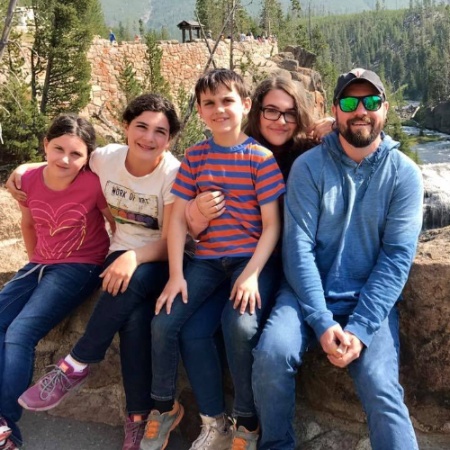
01. Brandon Philips, CoreOS, visits #theCUBE!. (00:18)
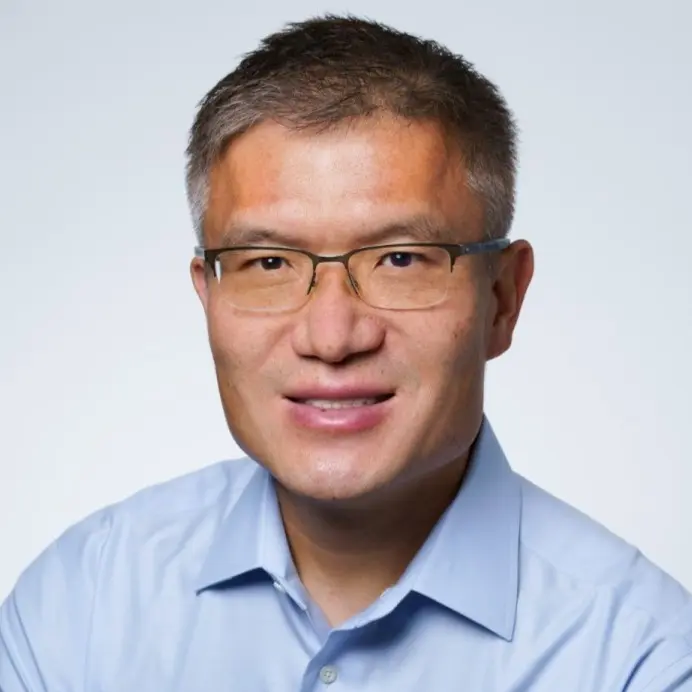
02. Nick Weaver, Intel, visits #theCUBE!. (00:20)
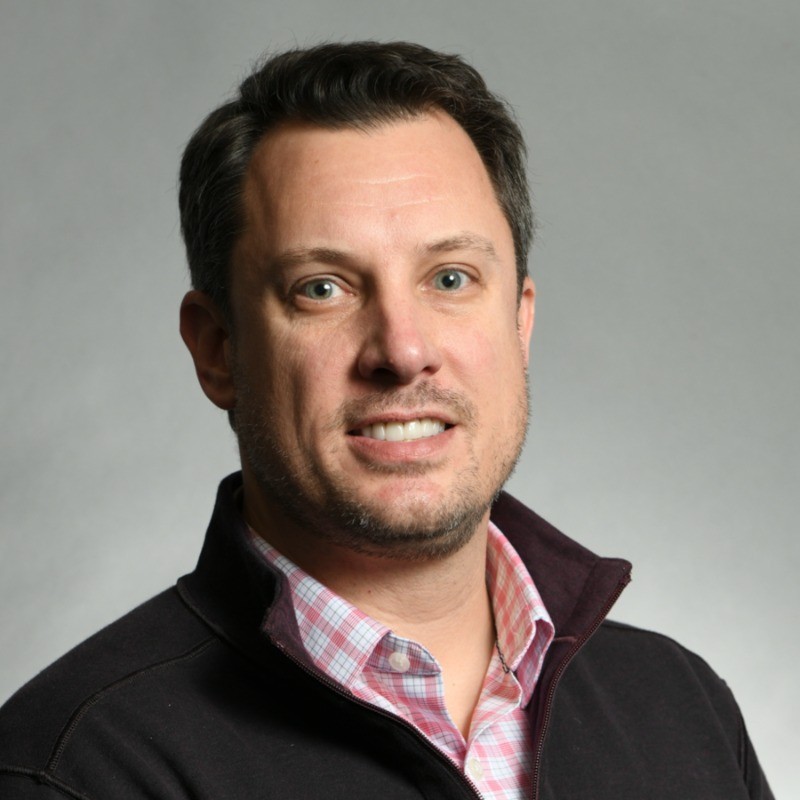
03. Sheng Liang, RancherLabs, visits #theCUBE!. (00:40)
04. Containers at Rancher Labs. (00:56)
05. The Need for New Foundation to Run Containers at CoreOS. (02:01)
06. What Intel is Doing Around Containers. (03:34)
07. How Container Management Has Evolved. (04:52)
08. The Importance of Structured Platforms for Containers. (05:57)
09. Profile of the Customer at CoreOS. (07:00)
10. Hybrid Cloud in the Container EcoSystem. (08:25)
11. The New Container Stack and The Container EcoSystem. (10:00)
12. Discussion on Security for Containers. (12:17)
13. The Current Standard Container Format. (16:18)
14. Racher Labs: Taking Advantage of Containers. (18:24)
15. CoreOS: The Reason for Containers. (20:08)
16. Intel: Introducing Containers to Your Organization. (21:05)
Track List created with http://www.vinjavideo.com.
--- ---
On the cutting-edge of container technology | #VMworld
by Teryn O'Brien | Oct 12, 2015
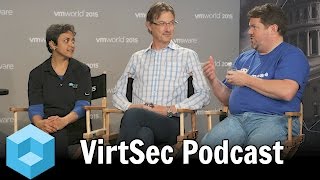
It’s clear that containers are here to stay. At VMworld 2015, a panel of leaders in the container technology revolution sat down to talk about the opportunities with containers. Panelists Brandon Philips, CTO of CoreOS, Inc.; Nick Weaver, director of Intel SDI-X; and Sheng Liang, cofounder and CEO of Rancher Labs Inc., talked with Brian Gracely, cohost of theCUBE, from the SiliconANGLE Media team.
Reinventing operating systems
All three panel members have been on the cutting-edge of container technology. Each person sees the ways containers can be used in operating systems, because there have always been problems with how to put together large systems and maintain them.
“We saw an opportunity to kind of reinvent how operating systems are put together, and in order to do this, containers are necessary,” said Philips.
Opportunities and challenges with containers
There are huge opportunities and challenges to the developing world of containers.
“[Containers are] a universally available, highly efficient packaging and run-time format,” explained Liang. “We can really build everything optimized around it.”
Although containers are easy to package, it will be important to build more structure platforms to manage them in the future, the panel added. And this will be the challenge moving forward. As container usage moves into large-scale production, then the demand for large-scale management will come.
What people want from containers
Containers are allowing people to think about applications in completely different way.
“People want to be able to have the same kind of orchestration happen whether they’re running behind a firewall, a public cloud, or whatever platform they’re on,” said Philips. “With application containers, for the first time we’ve actually have an opportunity to make that happen.”
@theCUBE
#VMworld
Forgot Password
Almost there!
We just sent you a verification email. Please verify your account to gain access to
VMworld 2015 | San Francisco. If you don’t think you received an email check your
spam folder.
In order to sign in, enter the email address you used to registered for the event. Once completed, you will receive an email with a verification link. Open this link to automatically sign into the site.
Register For VMworld 2015 | San Francisco
Please fill out the information below. You will recieve an email with a verification link confirming your registration. Click the link to automatically sign into the site.
You’re almost there!
We just sent you a verification email. Please click the verification button in the email. Once your email address is verified, you will have full access to all event content for VMworld 2015 | San Francisco.
I want my badge and interests to be visible to all attendees.
Checking this box will display your presense on the attendees list, view your profile and allow other attendees to contact you via 1-1 chat. Read the Privacy Policy. At any time, you can choose to disable this preference.
Select your Interests!
add
Upload your photo
Uploading..
OR
Connect via Twitter
Connect via Linkedin
EDIT PASSWORD
Share
Forgot Password
Almost there!
We just sent you a verification email. Please verify your account to gain access to
VMworld 2015 | San Francisco. If you don’t think you received an email check your
spam folder.
In order to sign in, enter the email address you used to registered for the event. Once completed, you will receive an email with a verification link. Open this link to automatically sign into the site.
Sign in to gain access to VMworld 2015 | San Francisco
Please sign in with LinkedIn to continue to VMworld 2015 | San Francisco. Signing in with LinkedIn ensures a professional environment.
Are you sure you want to remove access rights for this user?
Details
Manage Access
email address
Community Invitation
Brandon Philips, Nick Weaver, & Sheng Liang | VMworld 2015
01. Brandon Philips, CoreOS, visits #theCUBE!. (00:18)
02. Nick Weaver, Intel, visits #theCUBE!. (00:20)
03. Sheng Liang, RancherLabs, visits #theCUBE!. (00:40)
04. Containers at Rancher Labs. (00:56)
05. The Need for New Foundation to Run Containers at CoreOS. (02:01)
06. What Intel is Doing Around Containers. (03:34)
07. How Container Management Has Evolved. (04:52)
08. The Importance of Structured Platforms for Containers. (05:57)
09. Profile of the Customer at CoreOS. (07:00)
10. Hybrid Cloud in the Container EcoSystem. (08:25)
11. The New Container Stack and The Container EcoSystem. (10:00)
12. Discussion on Security for Containers. (12:17)
13. The Current Standard Container Format. (16:18)
14. Racher Labs: Taking Advantage of Containers. (18:24)
15. CoreOS: The Reason for Containers. (20:08)
16. Intel: Introducing Containers to Your Organization. (21:05)
Track List created with http://www.vinjavideo.com.
--- ---
On the cutting-edge of container technology | #VMworld
by Teryn O'Brien | Oct 12, 2015
It’s clear that containers are here to stay. At VMworld 2015, a panel of leaders in the container technology revolution sat down to talk about the opportunities with containers. Panelists Brandon Philips, CTO of CoreOS, Inc.; Nick Weaver, director of Intel SDI-X; and Sheng Liang, cofounder and CEO of Rancher Labs Inc., talked with Brian Gracely, cohost of theCUBE, from the SiliconANGLE Media team.
Reinventing operating systems
All three panel members have been on the cutting-edge of container technology. Each person sees the ways containers can be used in operating systems, because there have always been problems with how to put together large systems and maintain them.
“We saw an opportunity to kind of reinvent how operating systems are put together, and in order to do this, containers are necessary,” said Philips.
Opportunities and challenges with containers
There are huge opportunities and challenges to the developing world of containers.
“[Containers are] a universally available, highly efficient packaging and run-time format,” explained Liang. “We can really build everything optimized around it.”
Although containers are easy to package, it will be important to build more structure platforms to manage them in the future, the panel added. And this will be the challenge moving forward. As container usage moves into large-scale production, then the demand for large-scale management will come.
What people want from containers
Containers are allowing people to think about applications in completely different way.
“People want to be able to have the same kind of orchestration happen whether they’re running behind a firewall, a public cloud, or whatever platform they’re on,” said Philips. “With application containers, for the first time we’ve actually have an opportunity to make that happen.”
@theCUBE
#VMworld