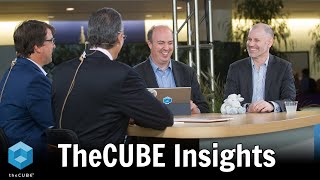
Igor Zaika, Director of IT at Sensiba San Filippo and Sazzala Reddy, CTO and Co-Founder of Datrium, sit down with John Furrier & Dave Vellante at VMworld 2019 in San Francisco, CA.
#theCUBE #Datrium #VMware @SiliconANGLE theCUBE @VMware
https://siliconangle.com/2019/09/05/qa-sensiba-streamlines-virtual-desktop-infrastructure-bakes-dr-solution-vmworld/
Q&A: Sensiba streamlines virtual desktop infrastructure, ‘bakes in’ DR solution
Traditional data recovery models are delicate and hard to test, putting the information-technology department in an uncomfortable spotlight. When critical restore is required, everything rides on the button push that may (or may not) restore data.
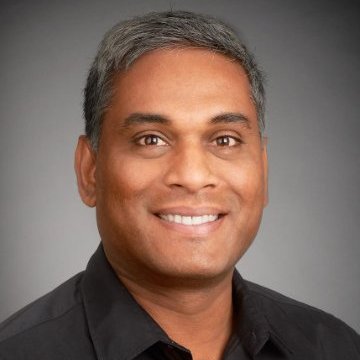
“No customer I have ever met has said it’s amazing that DR works for them. Nobody’s ever said that,” stated Sazzala Reddy (pictured, right), co-founder and chief technology officer of Datrium Inc. “If you push the button one day and there’s a disaster, everybody’s watching the IT person actually do this. It’s very fragile. It’s very scary.”
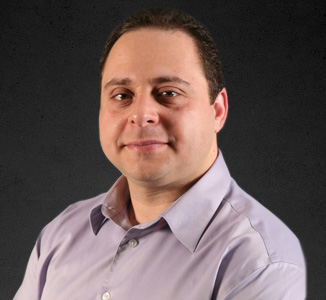
Reddy and Igor Zaika (pictured, left), IT director at Sensiba San Filippo LLP, spoke with Dave Vellante (@dvellante) and John Furrier (@furrier), co-hosts of theCUBE, SiliconANGLE Media’s mobile livestreaming studio, during the VMworld event in San Francisco. They discussed the issues with traditional data backup and recovery, as well as Datrium’s Automatrix DRaaS platform (see the full interview with transcript here). (* Disclosure below.)
[Editor’s note: The following answers have been condensed for clarity.]
Furrier: Sensiba has been a Datrium customer since the very beginning. Tell us about your experience.
Zaika: [Sensiba is] one of the largest California north-based accounting firms. [Our technology] is VMware-based; we’re also [virtual desktop infrastructure]-based. So, everybody works from a digital workspace. Our strong focus has been to provide a robust and high-performance digital workspace for our employees so they can have peace of mind and work anytime they want.
We’ve been using Datrium for three years. Started with 1.0; we’re now on 5.3, I believe. It’s been really good. It’s been innovative, it’s been challenging … working towards the data transformation internally in order to get to cloud, but we’re almost there so we are pretty excited.
Vellante: Give us a before and after. What prompted you to go with Datrium?
Zaika: The challenge of the VDI is we have to provide a very robust platform so people feel they work on their local machines. So, our challenges were provisioning VDI machines within the timeframe … deploying all the master images, deploying provisional services, and it was taking a very long period of time.
Datrium changed that … [from an hour and a half] to 15 minutes. That was a pretty dramatic moment of truth when we deployed Datrium and we started the imaging process, and it was finished, and, to be honest, I thought that it’s broken! It actually was that fast.
Vellante: I think people misunderstand Datrium. In the early days, it wasn’t clear that you are really changing the way in which people approach storage. Can you explain what is unique about Datrium?
Reddy: As you know, disaster recovery is really mostly a disaster for everybody. So, what we have done is that we are able to offer cloud disaster recovery as a service. [The] idea is that you can have backups in the cloud, on Amazon. And when you push a button, you can failover and bring up your VMware servers on demand. So you can run your workloads right away. And then you push a button, it will bring it down and bring data back to you on-prem. So we call it Cloud DR as a Service to VMware Cloud on Amazon.
The reason why [traditional] DR doesn’t work is because you end up with five different products. One is primary, one is backup, one is DR orchestration, and some other things like encryption, fine optimization. You buy all these products to manage your data in one data center, and then you replicate the same five things on your second data center. Now, if that’s not Murphy’s Law, I don’t know what it is. It’s very scary for a lot of people, which is why it doesn’t really work.
Vellante: And almost all customers say they can’t test DR because it’s too dangerous.
Zaika: Yes. You can’t actually fully test the DR. You have to put a lot of effort, a lot of thought, and develop a really strong game plan in order to execute DR flawlessly. So, [our goal] when we are journeying towards the Datrium DR solution is to actually have a solution that’s going to be baked in, that we can press a button and have our vision of DR and meet our objectives.
Vellante: How does Datrium do that? What tech is behind it?
Reddy: So the technology’s basically local flash, software and host, and that’s what gives you the low latency.
...
(* Disclosure: Datrium Inc. sponsored this segment of theCUBE. Neither Datrium nor other sponsors have editorial control over content on theCUBE or SiliconANGLE.)
Forgot Password
Almost there!
We just sent you a verification email. Please verify your account to gain access to
VMworld 2019 | San Francisco. If you don’t think you received an email check your
spam folder.
In order to sign in, enter the email address you used to registered for the event. Once completed, you will receive an email with a verification link. Open this link to automatically sign into the site.
Register For VMworld 2019 | San Francisco
Please fill out the information below. You will recieve an email with a verification link confirming your registration. Click the link to automatically sign into the site.
You’re almost there!
We just sent you a verification email. Please click the verification button in the email. Once your email address is verified, you will have full access to all event content for VMworld 2019 | San Francisco.
I want my badge and interests to be visible to all attendees.
Checking this box will display your presense on the attendees list, view your profile and allow other attendees to contact you via 1-1 chat. Read the Privacy Policy. At any time, you can choose to disable this preference.
Select your Interests!
add
Upload your photo
Uploading..
OR
Connect via Twitter
Connect via Linkedin
EDIT PASSWORD
Share
Forgot Password
Almost there!
We just sent you a verification email. Please verify your account to gain access to
VMworld 2019 | San Francisco. If you don’t think you received an email check your
spam folder.
In order to sign in, enter the email address you used to registered for the event. Once completed, you will receive an email with a verification link. Open this link to automatically sign into the site.
Sign in to gain access to VMworld 2019 | San Francisco
Please sign in with LinkedIn to continue to VMworld 2019 | San Francisco. Signing in with LinkedIn ensures a professional environment.
Are you sure you want to remove access rights for this user?
Details
Manage Access
email address
Community Invitation
Igor Zaika, Sensiba San Filippo & Sazzala Reddy, Datrium | VMworld 2019
Igor Zaika, Director of IT at Sensiba San Filippo and Sazzala Reddy, CTO and Co-Founder of Datrium, sit down with John Furrier & Dave Vellante at VMworld 2019 in San Francisco, CA.
#theCUBE #Datrium #VMware @SiliconANGLE theCUBE @VMware
https://siliconangle.com/2019/09/05/qa-sensiba-streamlines-virtual-desktop-infrastructure-bakes-dr-solution-vmworld/
Q&A: Sensiba streamlines virtual desktop infrastructure, ‘bakes in’ DR solution
Traditional data recovery models are delicate and hard to test, putting the information-technology department in an uncomfortable spotlight. When critical restore is required, everything rides on the button push that may (or may not) restore data.
“No customer I have ever met has said it’s amazing that DR works for them. Nobody’s ever said that,” stated Sazzala Reddy (pictured, right), co-founder and chief technology officer of Datrium Inc. “If you push the button one day and there’s a disaster, everybody’s watching the IT person actually do this. It’s very fragile. It’s very scary.”
Reddy and Igor Zaika (pictured, left), IT director at Sensiba San Filippo LLP, spoke with Dave Vellante (@dvellante) and John Furrier (@furrier), co-hosts of theCUBE, SiliconANGLE Media’s mobile livestreaming studio, during the VMworld event in San Francisco. They discussed the issues with traditional data backup and recovery, as well as Datrium’s Automatrix DRaaS platform (see the full interview with transcript here). (* Disclosure below.)
[Editor’s note: The following answers have been condensed for clarity.]
Furrier: Sensiba has been a Datrium customer since the very beginning. Tell us about your experience.
Zaika: [Sensiba is] one of the largest California north-based accounting firms. [Our technology] is VMware-based; we’re also [virtual desktop infrastructure]-based. So, everybody works from a digital workspace. Our strong focus has been to provide a robust and high-performance digital workspace for our employees so they can have peace of mind and work anytime they want.
We’ve been using Datrium for three years. Started with 1.0; we’re now on 5.3, I believe. It’s been really good. It’s been innovative, it’s been challenging … working towards the data transformation internally in order to get to cloud, but we’re almost there so we are pretty excited.
Vellante: Give us a before and after. What prompted you to go with Datrium?
Zaika: The challenge of the VDI is we have to provide a very robust platform so people feel they work on their local machines. So, our challenges were provisioning VDI machines within the timeframe … deploying all the master images, deploying provisional services, and it was taking a very long period of time.
Datrium changed that … [from an hour and a half] to 15 minutes. That was a pretty dramatic moment of truth when we deployed Datrium and we started the imaging process, and it was finished, and, to be honest, I thought that it’s broken! It actually was that fast.
Vellante: I think people misunderstand Datrium. In the early days, it wasn’t clear that you are really changing the way in which people approach storage. Can you explain what is unique about Datrium?
Reddy: As you know, disaster recovery is really mostly a disaster for everybody. So, what we have done is that we are able to offer cloud disaster recovery as a service. [The] idea is that you can have backups in the cloud, on Amazon. And when you push a button, you can failover and bring up your VMware servers on demand. So you can run your workloads right away. And then you push a button, it will bring it down and bring data back to you on-prem. So we call it Cloud DR as a Service to VMware Cloud on Amazon.
The reason why [traditional] DR doesn’t work is because you end up with five different products. One is primary, one is backup, one is DR orchestration, and some other things like encryption, fine optimization. You buy all these products to manage your data in one data center, and then you replicate the same five things on your second data center. Now, if that’s not Murphy’s Law, I don’t know what it is. It’s very scary for a lot of people, which is why it doesn’t really work.
Vellante: And almost all customers say they can’t test DR because it’s too dangerous.
Zaika: Yes. You can’t actually fully test the DR. You have to put a lot of effort, a lot of thought, and develop a really strong game plan in order to execute DR flawlessly. So, [our goal] when we are journeying towards the Datrium DR solution is to actually have a solution that’s going to be baked in, that we can press a button and have our vision of DR and meet our objectives.
Vellante: How does Datrium do that? What tech is behind it?
Reddy: So the technology’s basically local flash, software and host, and that’s what gives you the low latency.
...
(* Disclosure: Datrium Inc. sponsored this segment of theCUBE. Neither Datrium nor other sponsors have editorial control over content on theCUBE or SiliconANGLE.)