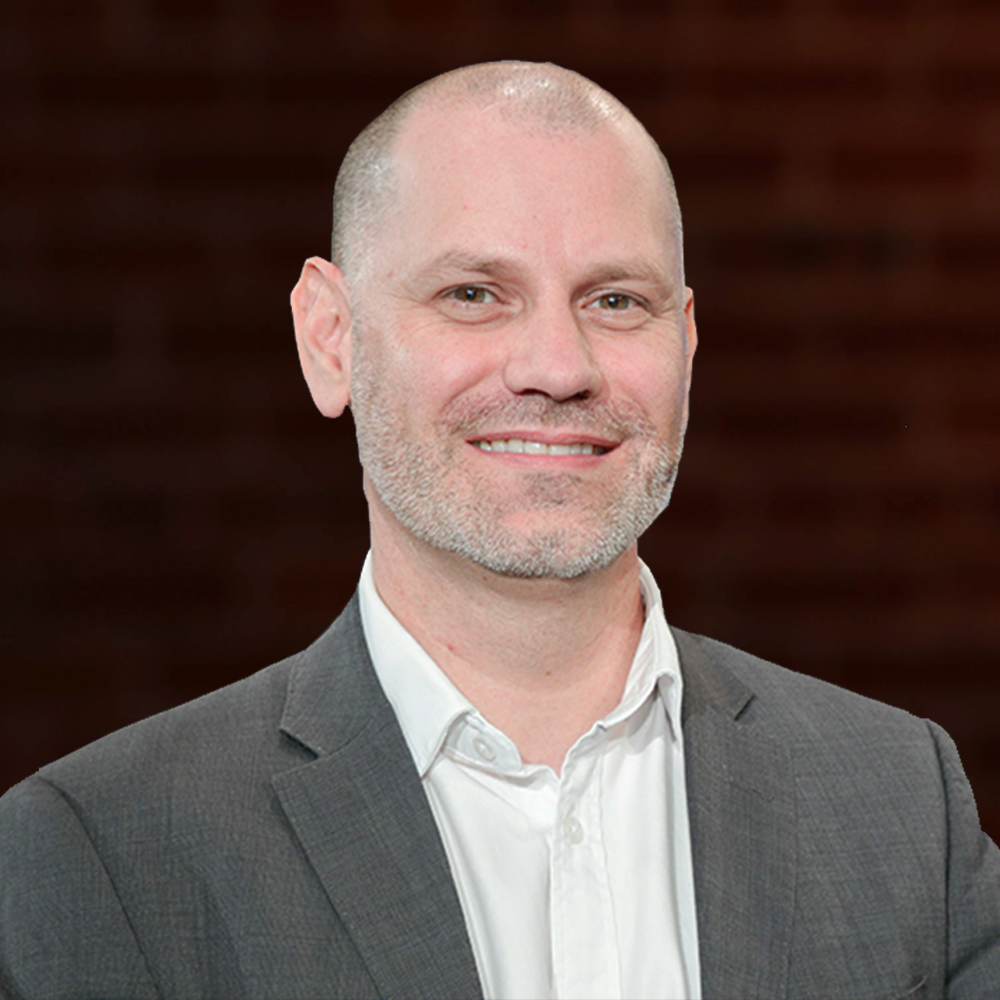
Suresh Sathyamurthy, @sureshcs, VP Cloud and Infrastructure Solutions Marketing at Dell EMC sits with Lisa Martin @LuccaZara and Justin Warren @jpwarren from VMworld 2018 Las Vegas, NV.
#VMworld #theCUBE
https://siliconangle.com/2018/08/28/answering-call-power-multicloud-world-vmworld/
Answering the call for the power of a multicloud world
According to many recent surveys, including those from International Data Corp., approximately 83 percent of information technology customers currently have a multi-cloud infrastructure. On average, they run four-and-a-half clouds, with anywhere from 3,000 to 5,000 apps, according to Suresh Sathyamurthy (pictured), global vice president of cloud and infrastructure solutions marketing at Dell Technologies Inc.
Many times, these software applications reside in different places; some in the core data center, and some in multiple clouds. It’s also common for the app to be located in one place while its data is backed up elsewhere — or interfacing with other data in multiple clouds.
“Over the past 12 to 18 months, the adoptions [we have] seen [are] multicloud,” Sathyamurthy said.
Sathyamurthy spoke with Lisa Martin (@Luccazara), co-host of theCUBE, SiliconANGLE Media’s mobile livestreaming studio, and guest host Justin Warren (@jpwarren), chief analyst at PivotNine Pty Ltd., during the VMworld conference in Las Vegas, Nevada. They discussed how Dell is supporting its clients in multicloud, as well as the concept of data continuum. (* Disclosure below.)
The importance of listening
Dell is looking to offer technologies that provide customers with more flexibility in the choice of clouds they choose for data and workload capabilities. As such, it is offering four main cloud competencies: turnkey cloud platforms, cloud-enabled infrastructure, cloud consumption model, and cloud consulting services.
While Dell offers turnkey, well-integrated products — such as VMware and Pivotal cloud management tools on Dell EMC infrastructure — to be truly multicloud, Dell has to listen to what clients are specifically looking for and tailor their cloud experience to their specifications, according to Sathyamurthy.
As an example, if a client is looking to go onto Azure, then Dell offers Dell EMC Cloud for Azure Stack. It works on-premises and also with Azure services in the cloud. Should a client want to access Pivotal Software Inc.’s container as a service offering, then Dell offers Pivotal-ready infrastructure. More recently, Dell announced Isilon data services, which works with the Google Cloud Platform.
“For us, each of these clouds are computing resources that customers can use, and we want to provide them with the technology to use them seamlessly through one interface with our cloud management tools,” Sathyamurthy said.
Another important concept is that of data continuum, or the changing role of data, according to Sathyamurthy. It started with data storage and then expanded into user analytics. Data used to come from legacy applications; now it’s coming from cloud-native applications and devices on the internet of things, he added, explaining that companies now can mine their own data, with the help of artificial intelligence or machine learning, to help make business decisions.
“Data used to be stored for compliance and regulatory reasons. Now it is stored for the purposes of insight,” Sathyamurthy concluded.
Watch the complete video interview below, and be sure to check out more of SiliconANGLE’s and theCUBE’s coverage of the VMworld conference. (* Disclosure: Dell Technologies Inc. sponsored this segment, with additional broadcast sponsorship from VMware Inc. Dell, VMware, and other sponsors do not have editorial control over content on theCUBE or SiliconANGLE.)
Forgot Password
Almost there!
We just sent you a verification email. Please verify your account to gain access to
VMworld 2018 | Las Vegas. If you don’t think you received an email check your
spam folder.
In order to sign in, enter the email address you used to registered for the event. Once completed, you will receive an email with a verification link. Open this link to automatically sign into the site.
Register For VMworld 2018 | Las Vegas
Please fill out the information below. You will recieve an email with a verification link confirming your registration. Click the link to automatically sign into the site.
You’re almost there!
We just sent you a verification email. Please click the verification button in the email. Once your email address is verified, you will have full access to all event content for VMworld 2018 | Las Vegas.
I want my badge and interests to be visible to all attendees.
Checking this box will display your presense on the attendees list, view your profile and allow other attendees to contact you via 1-1 chat. Read the Privacy Policy. At any time, you can choose to disable this preference.
Select your Interests!
add
Upload your photo
Uploading..
OR
Connect via Twitter
Connect via Linkedin
EDIT PASSWORD
Share
Forgot Password
Almost there!
We just sent you a verification email. Please verify your account to gain access to
VMworld 2018 | Las Vegas. If you don’t think you received an email check your
spam folder.
In order to sign in, enter the email address you used to registered for the event. Once completed, you will receive an email with a verification link. Open this link to automatically sign into the site.
Sign in to gain access to VMworld 2018 | Las Vegas
Please sign in with LinkedIn to continue to VMworld 2018 | Las Vegas. Signing in with LinkedIn ensures a professional environment.
Are you sure you want to remove access rights for this user?
Details
Manage Access
email address
Community Invitation
Suresh Sathyamurthy, Dell EMC | VMworld 2018
Suresh Sathyamurthy, @sureshcs, VP Cloud and Infrastructure Solutions Marketing at Dell EMC sits with Lisa Martin @LuccaZara and Justin Warren @jpwarren from VMworld 2018 Las Vegas, NV.
#VMworld #theCUBE
https://siliconangle.com/2018/08/28/answering-call-power-multicloud-world-vmworld/
Answering the call for the power of a multicloud world
According to many recent surveys, including those from International Data Corp., approximately 83 percent of information technology customers currently have a multi-cloud infrastructure. On average, they run four-and-a-half clouds, with anywhere from 3,000 to 5,000 apps, according to Suresh Sathyamurthy (pictured), global vice president of cloud and infrastructure solutions marketing at Dell Technologies Inc.
Many times, these software applications reside in different places; some in the core data center, and some in multiple clouds. It’s also common for the app to be located in one place while its data is backed up elsewhere — or interfacing with other data in multiple clouds.
“Over the past 12 to 18 months, the adoptions [we have] seen [are] multicloud,” Sathyamurthy said.
Sathyamurthy spoke with Lisa Martin (@Luccazara), co-host of theCUBE, SiliconANGLE Media’s mobile livestreaming studio, and guest host Justin Warren (@jpwarren), chief analyst at PivotNine Pty Ltd., during the VMworld conference in Las Vegas, Nevada. They discussed how Dell is supporting its clients in multicloud, as well as the concept of data continuum. (* Disclosure below.)
The importance of listening
Dell is looking to offer technologies that provide customers with more flexibility in the choice of clouds they choose for data and workload capabilities. As such, it is offering four main cloud competencies: turnkey cloud platforms, cloud-enabled infrastructure, cloud consumption model, and cloud consulting services.
While Dell offers turnkey, well-integrated products — such as VMware and Pivotal cloud management tools on Dell EMC infrastructure — to be truly multicloud, Dell has to listen to what clients are specifically looking for and tailor their cloud experience to their specifications, according to Sathyamurthy.
As an example, if a client is looking to go onto Azure, then Dell offers Dell EMC Cloud for Azure Stack. It works on-premises and also with Azure services in the cloud. Should a client want to access Pivotal Software Inc.’s container as a service offering, then Dell offers Pivotal-ready infrastructure. More recently, Dell announced Isilon data services, which works with the Google Cloud Platform.
“For us, each of these clouds are computing resources that customers can use, and we want to provide them with the technology to use them seamlessly through one interface with our cloud management tools,” Sathyamurthy said.
Another important concept is that of data continuum, or the changing role of data, according to Sathyamurthy. It started with data storage and then expanded into user analytics. Data used to come from legacy applications; now it’s coming from cloud-native applications and devices on the internet of things, he added, explaining that companies now can mine their own data, with the help of artificial intelligence or machine learning, to help make business decisions.
“Data used to be stored for compliance and regulatory reasons. Now it is stored for the purposes of insight,” Sathyamurthy concluded.
Watch the complete video interview below, and be sure to check out more of SiliconANGLE’s and theCUBE’s coverage of the VMworld conference. (* Disclosure: Dell Technologies Inc. sponsored this segment, with additional broadcast sponsorship from VMware Inc. Dell, VMware, and other sponsors do not have editorial control over content on theCUBE or SiliconANGLE.)