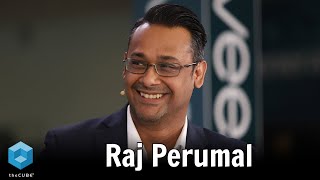
Nathan Hughes, IT Director, Flex-N-Gate, & Jason Buffington, VP Solutions Strategy, Veeam, sit with Dave Vellante & Justin Warren at VeeamON 2019 in Miami Beach, FL.
#VeeamON #FlexNGate #theCUBE @SiliconANGLE theCUBE @Veeam
https://siliconangle.com/2019/05/30/qa-intelligent-data-recovery-reaches-blessing-status-veeamon2019/
Q&A: When intelligent data recovery reaches ‘blessing’ status
Veeam Software Inc. is known for quick data recovery and backup skills, but to truly take advantage of its cloud-connected data management services is to fully understand what kind of data you’re storing. You can’t simply put the data away and never use it; you must be aware of what the data is and how it can assist you. Veeam looks to make data management a more intelligent and automated process.
These are the perks that attracted Flex-N-Gate Corp., an automotive parts manufacturer. After years of inferior data recovery solutions, Flex-N-Gate would have saved time and energy had they moved to Veeam sooner, according to the company’s director of information technology.
Nathan Hughes (pictured, left), IT director at Flex-N-Gate, and Jason Buffington (pictured, right), vice president of solutions strategy at Veeam, spoke with Dave Vellante (@dvellante), co-host of theCUBE, SiliconANGLE Media’s mobile livestreaming studio, and guest host Justin Warren (@jpwarren) during the VeeamON event in Miami Beach, Florida. They discussed the relationship between both companies, the challenges associated with data recovery and backup, and the importance of data to virtually every organization today (see the full interview with transcript here). (* Disclosure below.)
[Editor’s note: The following answers have been condensed for clarity.]
Vellante: What are the big trends you’re seeing in the market that are really driving this next era?
Buffington: Every 10 years or so, when the industry shifts the platform of choice, the data protection vendors almost always reset, right? The people that led in NetWare don’t lead in Windows. The people that led in Windows didn’t lead in Vert. The next wave is we’re moving from servers to services. We’re going from on-prem into the cloud. The problem is that every time the secret sauce doesn’t line up. You must reinvent yourself each time, and what we saw with the past generations and what we learned is you can’t be so busy taking care of your install basis.
You forget to keep innovating on what that next platform is, so for us, Act Two is all about the cloud. We’re going to take everything we know about reliability and move it into the cloud. The difference is that in virtualization there was one hero scenario: VMs. This time around its IaaS, SaaS, iPaaS; it’s using cloud storage. There’s not a single hero scenario, which means we have a lot more innovation.
Warren: What are you using Veeam for today, and where do you see yourself going with Veeam?
Hughes: Right now, we’re primarily using Veeam as backup and recovery. That’s how we started with it. We came from another product that was great conceptually. But in the real world it had terrible reliability, and its performance was poor. When Veeam came onto the scene, it was a breath of fresh air because we got to the place where we knew that what we had was dependable. It was reliable. We got to understand how the product worked and how to improve the way we’d implement it.
One of the key features of Veeam that really excited us are its instant recovery options. We were used to the idea of having to write down a VM out of snapshot storage and then being put in a position where it would take an hour, two hours, three hours before you could get something back online. Now, to be able to launch something right out of snapshot storage within a five-minute range is a blessing.
Vellante: You’ve talked about full automation. Is that something that’s kind of near-term, mid-term, long-term? Where is that?
Buffington: We’ve talked about the sequencing side, which is where you focus on [recovery time objective]. How fast you can get back in the running again? Think of it like a zipper. You’ve got the bumper that’s coming in to a line of cars, and if either side slows down, everything breaks. At the end is the truck. Everything must come at the same time and at the same rate. If there’s downtime on either side of the source, you’re done, but that’s an RTO problem.
...
(* Disclosure: Veeam Software Inc. sponsored this segment of theCUBE. Neither Veeam nor other sponsors have editorial control over content on theCUBE or SiliconANGLE.)
Forgot Password
Almost there!
We just sent you a verification email. Please verify your account to gain access to
VeeamON 2019 | Miami Beach. If you don’t think you received an email check your
spam folder.
In order to sign in, enter the email address you used to registered for the event. Once completed, you will receive an email with a verification link. Open this link to automatically sign into the site.
Register For VeeamON 2019 | Miami Beach
Please fill out the information below. You will recieve an email with a verification link confirming your registration. Click the link to automatically sign into the site.
You’re almost there!
We just sent you a verification email. Please click the verification button in the email. Once your email address is verified, you will have full access to all event content for VeeamON 2019 | Miami Beach.
I want my badge and interests to be visible to all attendees.
Checking this box will display your presense on the attendees list, view your profile and allow other attendees to contact you via 1-1 chat. Read the Privacy Policy. At any time, you can choose to disable this preference.
Select your Interests!
add
Upload your photo
Uploading..
OR
Connect via Twitter
Connect via Linkedin
EDIT PASSWORD
Share
Forgot Password
Almost there!
We just sent you a verification email. Please verify your account to gain access to
VeeamON 2019 | Miami Beach. If you don’t think you received an email check your
spam folder.
In order to sign in, enter the email address you used to registered for the event. Once completed, you will receive an email with a verification link. Open this link to automatically sign into the site.
Sign in to gain access to VeeamON 2019 | Miami Beach
Please sign in with LinkedIn to continue to VeeamON 2019 | Miami Beach. Signing in with LinkedIn ensures a professional environment.
Are you sure you want to remove access rights for this user?
Details
Manage Access
email address
Community Invitation
Nathan Hughes, Flex-N-Gate & Jason Buffington, Veeam | VeeamON 2019
Nathan Hughes, IT Director, Flex-N-Gate, & Jason Buffington, VP Solutions Strategy, Veeam, sit with Dave Vellante & Justin Warren at VeeamON 2019 in Miami Beach, FL.
#VeeamON #FlexNGate #theCUBE @SiliconANGLE theCUBE @Veeam
https://siliconangle.com/2019/05/30/qa-intelligent-data-recovery-reaches-blessing-status-veeamon2019/
Q&A: When intelligent data recovery reaches ‘blessing’ status
Veeam Software Inc. is known for quick data recovery and backup skills, but to truly take advantage of its cloud-connected data management services is to fully understand what kind of data you’re storing. You can’t simply put the data away and never use it; you must be aware of what the data is and how it can assist you. Veeam looks to make data management a more intelligent and automated process.
These are the perks that attracted Flex-N-Gate Corp., an automotive parts manufacturer. After years of inferior data recovery solutions, Flex-N-Gate would have saved time and energy had they moved to Veeam sooner, according to the company’s director of information technology.
Nathan Hughes (pictured, left), IT director at Flex-N-Gate, and Jason Buffington (pictured, right), vice president of solutions strategy at Veeam, spoke with Dave Vellante (@dvellante), co-host of theCUBE, SiliconANGLE Media’s mobile livestreaming studio, and guest host Justin Warren (@jpwarren) during the VeeamON event in Miami Beach, Florida. They discussed the relationship between both companies, the challenges associated with data recovery and backup, and the importance of data to virtually every organization today (see the full interview with transcript here). (* Disclosure below.)
[Editor’s note: The following answers have been condensed for clarity.]
Vellante: What are the big trends you’re seeing in the market that are really driving this next era?
Buffington: Every 10 years or so, when the industry shifts the platform of choice, the data protection vendors almost always reset, right? The people that led in NetWare don’t lead in Windows. The people that led in Windows didn’t lead in Vert. The next wave is we’re moving from servers to services. We’re going from on-prem into the cloud. The problem is that every time the secret sauce doesn’t line up. You must reinvent yourself each time, and what we saw with the past generations and what we learned is you can’t be so busy taking care of your install basis.
You forget to keep innovating on what that next platform is, so for us, Act Two is all about the cloud. We’re going to take everything we know about reliability and move it into the cloud. The difference is that in virtualization there was one hero scenario: VMs. This time around its IaaS, SaaS, iPaaS; it’s using cloud storage. There’s not a single hero scenario, which means we have a lot more innovation.
Warren: What are you using Veeam for today, and where do you see yourself going with Veeam?
Hughes: Right now, we’re primarily using Veeam as backup and recovery. That’s how we started with it. We came from another product that was great conceptually. But in the real world it had terrible reliability, and its performance was poor. When Veeam came onto the scene, it was a breath of fresh air because we got to the place where we knew that what we had was dependable. It was reliable. We got to understand how the product worked and how to improve the way we’d implement it.
One of the key features of Veeam that really excited us are its instant recovery options. We were used to the idea of having to write down a VM out of snapshot storage and then being put in a position where it would take an hour, two hours, three hours before you could get something back online. Now, to be able to launch something right out of snapshot storage within a five-minute range is a blessing.
Vellante: You’ve talked about full automation. Is that something that’s kind of near-term, mid-term, long-term? Where is that?
Buffington: We’ve talked about the sequencing side, which is where you focus on [recovery time objective]. How fast you can get back in the running again? Think of it like a zipper. You’ve got the bumper that’s coming in to a line of cars, and if either side slows down, everything breaks. At the end is the truck. Everything must come at the same time and at the same rate. If there’s downtime on either side of the source, you’re done, but that’s an RTO problem.
...
(* Disclosure: Veeam Software Inc. sponsored this segment of theCUBE. Neither Veeam nor other sponsors have editorial control over content on theCUBE or SiliconANGLE.)