Protecting data with security at the point of storage | #StructureConf
by Nelson Williams | Nov 18, 2015
The digital revolution is driven by data, and that information is valuable. Not only to the companies who collect it, but also to outsiders who can steal the data or hold it for ransom. Computer security is a vital and necessary part of the modern business world. However, not all data is equal when it comes to security. Deciding what data to secure, what data to leave open and who should have access to any given piece of information is a huge challenge.
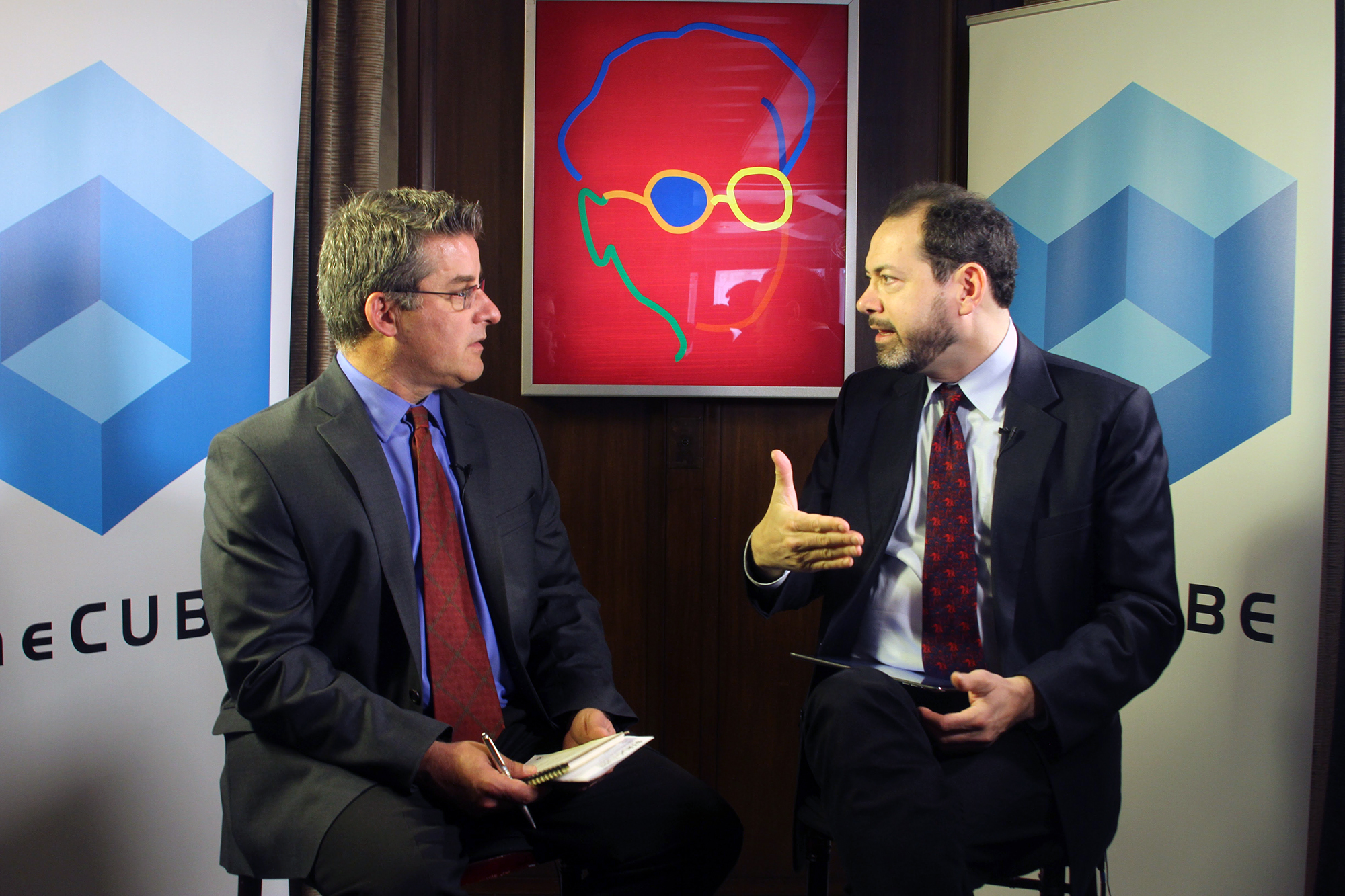
To talk about data security and storage, George Gilbert cohost of theCUBE, from the SiliconANGLE Media team, sat down with Paula Long, CEO of DataGravity, Inc., during the Structure 2015 conference.
Rules and focus
The conversation started with a look at DataGravity and its products, which Long described as security at the point of storage. The idea was to apply rules and context to stored data to figure out what kind of security should apply.
Long explained a typical use case, where unstructured data could be filled with any sort of information, some valuable, some private, and some restricted to certain users. The company’s products would use context and tags to help secure this information. Customers, she said, included people with sensitive data like medical records and business intellectual property.
Context and application
The security process involves user-created classifications and profiles, combined with automatic tags and context-aware systems. The result is a set of rules about who can access what data, applied directly to the data itself. This prevents classified data from spilling out into the wrong parts of the company.
The end user being responsible for tagging is problematic, Long mentioned, adding that the company’s products scan the data dynamically and classify it based on context. She said the software knows what the content is, who the users are and the content’s purpose. Not everyone will have a security officer, she said, so why not have software do it for you?
@theCUBE
#StructureConf
Forgot Password
Almost there!
We just sent you a verification email. Please verify your account to gain access to
Structure 2015 | San Francisco. If you don’t think you received an email check your
spam folder.
In order to sign in, enter the email address you used to registered for the event. Once completed, you will receive an email with a verification link. Open this link to automatically sign into the site.
Register For Structure 2015 | San Francisco
Please fill out the information below. You will recieve an email with a verification link confirming your registration. Click the link to automatically sign into the site.
You’re almost there!
We just sent you a verification email. Please click the verification button in the email. Once your email address is verified, you will have full access to all event content for Structure 2015 | San Francisco.
I want my badge and interests to be visible to all attendees.
Checking this box will display your presense on the attendees list, view your profile and allow other attendees to contact you via 1-1 chat. Read the Privacy Policy. At any time, you can choose to disable this preference.
Select your Interests!
add
Upload your photo
Uploading..
OR
Connect via Twitter
Connect via Linkedin
EDIT PASSWORD
Share
Forgot Password
Almost there!
We just sent you a verification email. Please verify your account to gain access to
Structure 2015 | San Francisco. If you don’t think you received an email check your
spam folder.
In order to sign in, enter the email address you used to registered for the event. Once completed, you will receive an email with a verification link. Open this link to automatically sign into the site.
Sign in to gain access to Structure 2015 | San Francisco
Please sign in with LinkedIn to continue to Structure 2015 | San Francisco. Signing in with LinkedIn ensures a professional environment.
Are you sure you want to remove access rights for this user?
Details
Manage Access
email address
Community Invitation
Paula Long - Structure 2015 - theCUBE - #structureconf
Protecting data with security at the point of storage | #StructureConf
by Nelson Williams | Nov 18, 2015
The digital revolution is driven by data, and that information is valuable. Not only to the companies who collect it, but also to outsiders who can steal the data or hold it for ransom. Computer security is a vital and necessary part of the modern business world. However, not all data is equal when it comes to security. Deciding what data to secure, what data to leave open and who should have access to any given piece of information is a huge challenge.
To talk about data security and storage, George Gilbert cohost of theCUBE, from the SiliconANGLE Media team, sat down with Paula Long, CEO of DataGravity, Inc., during the Structure 2015 conference.
Rules and focus
The conversation started with a look at DataGravity and its products, which Long described as security at the point of storage. The idea was to apply rules and context to stored data to figure out what kind of security should apply.
Long explained a typical use case, where unstructured data could be filled with any sort of information, some valuable, some private, and some restricted to certain users. The company’s products would use context and tags to help secure this information. Customers, she said, included people with sensitive data like medical records and business intellectual property.
Context and application
The security process involves user-created classifications and profiles, combined with automatic tags and context-aware systems. The result is a set of rules about who can access what data, applied directly to the data itself. This prevents classified data from spilling out into the wrong parts of the company.
The end user being responsible for tagging is problematic, Long mentioned, adding that the company’s products scan the data dynamically and classify it based on context. She said the software knows what the content is, who the users are and the content’s purpose. Not everyone will have a security officer, she said, so why not have software do it for you?
@theCUBE
#StructureConf