How CoreOS took Google-style infrastructure to new heights
#theCUBE #StructureConf #CoreOS
by Tim Hawkins | Nov 18, 2015
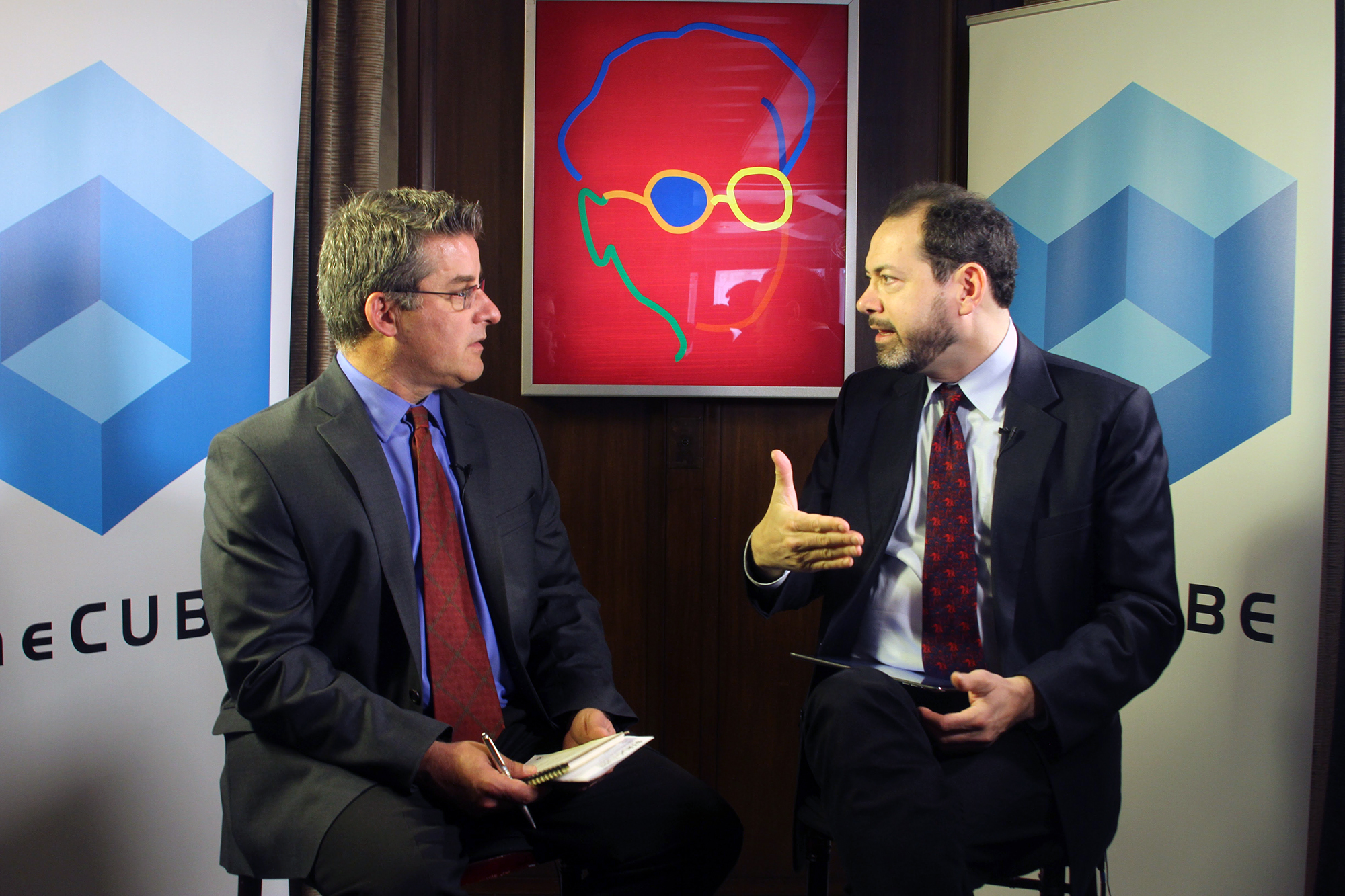
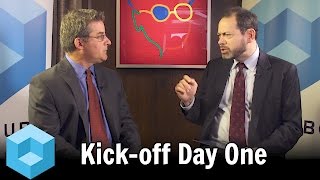
Improving Internet security continues to be a priority for companies who want to run applications securely in any environment. And for CoreOS, Inc., its mission is to help organizations do just that. Alex Polvi, CEO of CoreOS Inc., a developer of Linux-based platforms and applications, spoke to George Gilbert, Wikibon’s Big Data analyst and cohost of theCUBE, from the SiliconANGLE Media team, during Structure 2015 in San Francisco.
CoreOS was founded in 2013 to “fundamentally improve the security of the internet by allowing companies to run infrastructure in such a way that allows it to be much more serviceable and have better security,” according to the company’s website. The company uses a method that was designed to resemble Google’s hyperscale technology, but in a simpler fashion. This method is referred to by Polvi as “Google’s Infrastructure For Everyone Else.”
Driving new business
“The technology has been very, very exciting,” said Polvi. “The past two years we’ve seen this whole space explode in interest.”
The plethora of technologies involved in the creation of CoreOS (its open-source operating system based on Linux and designed for providing infrastructure to clustered deployments) and Tectonic (its commercial Kubernetes platform that combines the power of the CoreOS portfolio and the Kubernetes project to any cloud or on-premise environment) has stimulated discussion of where the technology is going.
In early December of this year, in New York, CoreOS will be hosting the Tectonic Summit to display and demonstrate these technologies, as well as to generate dialog about the technologies.
CoreOS’ future roadmap
The driving force behind CoreOS products is the Google-style infrastructure. Tectonic is CoreOS’ platform for customers that want this technology but prefer the simplicity of letting someone else manage the details.
“We’re all modeling Google’s infrastructure,” said Polvi. “We think that once people adopt Tectonic, just this general style of infrastructure, we can give them all the benefits of this … but we also think we can dramatically improve the security of their infrastructure as well.”
“That’s where we’re investing in our roadmap … is to leverage this kind of change, and then with that change we can do some things to the infrastructure that was never possible before,” he concluded.
@theCUBE
#StructureConf
Forgot Password
Almost there!
We just sent you a verification email. Please verify your account to gain access to
Structure 2015 | San Francisco. If you don’t think you received an email check your
spam folder.
In order to sign in, enter the email address you used to registered for the event. Once completed, you will receive an email with a verification link. Open this link to automatically sign into the site.
Register For Structure 2015 | San Francisco
Please fill out the information below. You will recieve an email with a verification link confirming your registration. Click the link to automatically sign into the site.
You’re almost there!
We just sent you a verification email. Please click the verification button in the email. Once your email address is verified, you will have full access to all event content for Structure 2015 | San Francisco.
I want my badge and interests to be visible to all attendees.
Checking this box will display your presense on the attendees list, view your profile and allow other attendees to contact you via 1-1 chat. Read the Privacy Policy. At any time, you can choose to disable this preference.
Select your Interests!
add
Upload your photo
Uploading..
OR
Connect via Twitter
Connect via Linkedin
EDIT PASSWORD
Share
Forgot Password
Almost there!
We just sent you a verification email. Please verify your account to gain access to
Structure 2015 | San Francisco. If you don’t think you received an email check your
spam folder.
In order to sign in, enter the email address you used to registered for the event. Once completed, you will receive an email with a verification link. Open this link to automatically sign into the site.
Sign in to gain access to Structure 2015 | San Francisco
Please sign in with LinkedIn to continue to Structure 2015 | San Francisco. Signing in with LinkedIn ensures a professional environment.
Are you sure you want to remove access rights for this user?
Details
Manage Access
email address
Community Invitation
Alex Polvi, CoreOS | Structure 2015
How CoreOS took Google-style infrastructure to new heights
#theCUBE #StructureConf #CoreOS
by Tim Hawkins | Nov 18, 2015
Improving Internet security continues to be a priority for companies who want to run applications securely in any environment. And for CoreOS, Inc., its mission is to help organizations do just that. Alex Polvi, CEO of CoreOS Inc., a developer of Linux-based platforms and applications, spoke to George Gilbert, Wikibon’s Big Data analyst and cohost of theCUBE, from the SiliconANGLE Media team, during Structure 2015 in San Francisco.
CoreOS was founded in 2013 to “fundamentally improve the security of the internet by allowing companies to run infrastructure in such a way that allows it to be much more serviceable and have better security,” according to the company’s website. The company uses a method that was designed to resemble Google’s hyperscale technology, but in a simpler fashion. This method is referred to by Polvi as “Google’s Infrastructure For Everyone Else.”
Driving new business
“The technology has been very, very exciting,” said Polvi. “The past two years we’ve seen this whole space explode in interest.”
The plethora of technologies involved in the creation of CoreOS (its open-source operating system based on Linux and designed for providing infrastructure to clustered deployments) and Tectonic (its commercial Kubernetes platform that combines the power of the CoreOS portfolio and the Kubernetes project to any cloud or on-premise environment) has stimulated discussion of where the technology is going.
In early December of this year, in New York, CoreOS will be hosting the Tectonic Summit to display and demonstrate these technologies, as well as to generate dialog about the technologies.
CoreOS’ future roadmap
The driving force behind CoreOS products is the Google-style infrastructure. Tectonic is CoreOS’ platform for customers that want this technology but prefer the simplicity of letting someone else manage the details.
“We’re all modeling Google’s infrastructure,” said Polvi. “We think that once people adopt Tectonic, just this general style of infrastructure, we can give them all the benefits of this … but we also think we can dramatically improve the security of their infrastructure as well.”
“That’s where we’re investing in our roadmap … is to leverage this kind of change, and then with that change we can do some things to the infrastructure that was never possible before,” he concluded.
@theCUBE
#StructureConf