How to anticipate SDI roadblocks and bypass them | #StructureConf
by Gabriel Pesek | Nov 18, 2015
In the first day of Structure, LLC’s Structure 2015 conference, discussions and examinations of services for cloud utilities and architecture were covering a wide array of topics and specifics. From consumer applications to enterprise solutions, new developments were being eagerly assessed and explored.
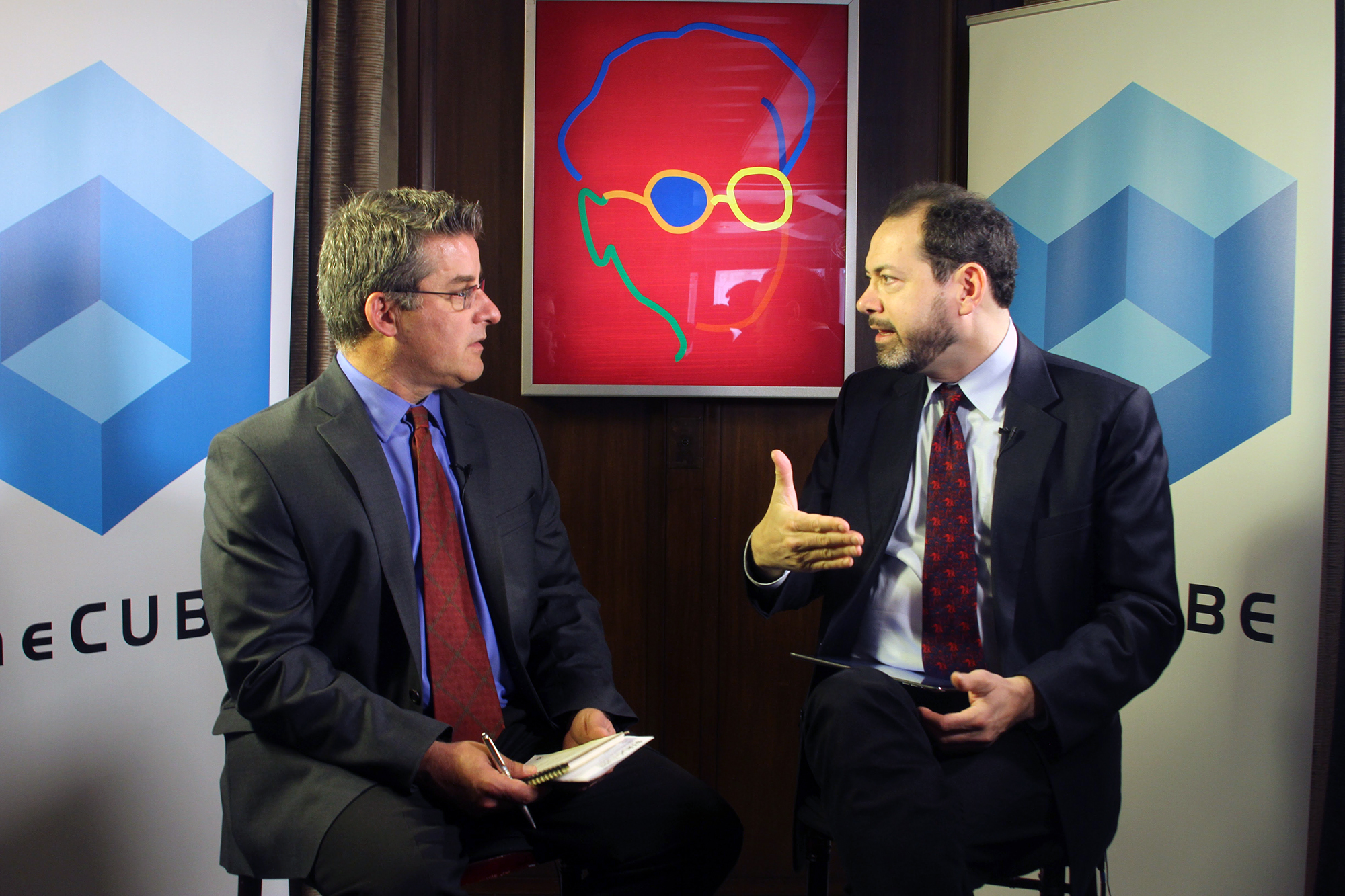
Jonathan Donaldson, VP and GM of software-defined infrastructure at Intel, met with George Gilbert, cohost of theCUBE, from the SiliconANGLE Media team, to talk about some of the challenging developments for Software-Defined Infrastructure (SDI), its history and what might be expected in the future.
Operational cost and orchestration
From virtualization of the computer itself to networking and organizing those virtual machines over server connectivity, the components of SDI have presented a special set of difficulties since their beginnings.
Paralleled by the rise of software-defined networking (SDN), and new trends in storage, the programmatic computation of these components calls for careful assessment and management. Happily, Dynamic Resource Scheduling (DRS) came into service as an answer to these needs, though further complications of the services arise as it evolves.
Importance to enterprises
As Donaldson pointed out, the likeliness that using these organizational tools will contribute to a businesses revenue generation is highly influential on how likely they’ll be to use them. As he saw it, customers become more proficient with and see more benefit from adoption of SDI the further along they are, putting early adopters far ahead of the curve.
But with as widespread adoption sets in, new problems will likely emerge. “When you start to make the per-unit cost incredibly low, of a resource, and also at the same time create the barrier to entry as very low, or the ease of access of those very easy to get to, Jevons paradox kicks in, and then you actually see a massive growth in those, because the innovation cycle kicks in,” he said.
@theCUBE
#StructureConf
Forgot Password
Almost there!
We just sent you a verification email. Please verify your account to gain access to
Structure 2015 | San Francisco. If you don’t think you received an email check your
spam folder.
In order to sign in, enter the email address you used to registered for the event. Once completed, you will receive an email with a verification link. Open this link to automatically sign into the site.
Register For Structure 2015 | San Francisco
Please fill out the information below. You will recieve an email with a verification link confirming your registration. Click the link to automatically sign into the site.
You’re almost there!
We just sent you a verification email. Please click the verification button in the email. Once your email address is verified, you will have full access to all event content for Structure 2015 | San Francisco.
I want my badge and interests to be visible to all attendees.
Checking this box will display your presense on the attendees list, view your profile and allow other attendees to contact you via 1-1 chat. Read the Privacy Policy. At any time, you can choose to disable this preference.
Select your Interests!
add
Upload your photo
Uploading..
OR
Connect via Twitter
Connect via Linkedin
EDIT PASSWORD
Share
Forgot Password
Almost there!
We just sent you a verification email. Please verify your account to gain access to
Structure 2015 | San Francisco. If you don’t think you received an email check your
spam folder.
In order to sign in, enter the email address you used to registered for the event. Once completed, you will receive an email with a verification link. Open this link to automatically sign into the site.
Sign in to gain access to Structure 2015 | San Francisco
Please sign in with LinkedIn to continue to Structure 2015 | San Francisco. Signing in with LinkedIn ensures a professional environment.
Are you sure you want to remove access rights for this user?
Details
Manage Access
email address
Community Invitation
Jonathan Donaldson - Structure 2015 - theCUBE - #structureconf
How to anticipate SDI roadblocks and bypass them | #StructureConf
by Gabriel Pesek | Nov 18, 2015
In the first day of Structure, LLC’s Structure 2015 conference, discussions and examinations of services for cloud utilities and architecture were covering a wide array of topics and specifics. From consumer applications to enterprise solutions, new developments were being eagerly assessed and explored.
Jonathan Donaldson, VP and GM of software-defined infrastructure at Intel, met with George Gilbert, cohost of theCUBE, from the SiliconANGLE Media team, to talk about some of the challenging developments for Software-Defined Infrastructure (SDI), its history and what might be expected in the future.
Operational cost and orchestration
From virtualization of the computer itself to networking and organizing those virtual machines over server connectivity, the components of SDI have presented a special set of difficulties since their beginnings.
Paralleled by the rise of software-defined networking (SDN), and new trends in storage, the programmatic computation of these components calls for careful assessment and management. Happily, Dynamic Resource Scheduling (DRS) came into service as an answer to these needs, though further complications of the services arise as it evolves.
Importance to enterprises
As Donaldson pointed out, the likeliness that using these organizational tools will contribute to a businesses revenue generation is highly influential on how likely they’ll be to use them. As he saw it, customers become more proficient with and see more benefit from adoption of SDI the further along they are, putting early adopters far ahead of the curve.
But with as widespread adoption sets in, new problems will likely emerge. “When you start to make the per-unit cost incredibly low, of a resource, and also at the same time create the barrier to entry as very low, or the ease of access of those very easy to get to, Jevons paradox kicks in, and then you actually see a massive growth in those, because the innovation cycle kicks in,” he said.
@theCUBE
#StructureConf