How SAP helped streamline modern database response time | #StructureConf
by Tim Hawkins | Nov 19, 2015
Decades ago, in-memory databases were divided into two distinct components: transactional databases and analytic databases. This was done because, in terms of response time, the analytic databases began to seriously outpace their transactional counterparts. However, because of SAP SE’s HANA database management system, analytic and transactional databases are being reunified, because HANA allows them to function together in real-time, according to Quentin Clark, chief business officer at SAP.
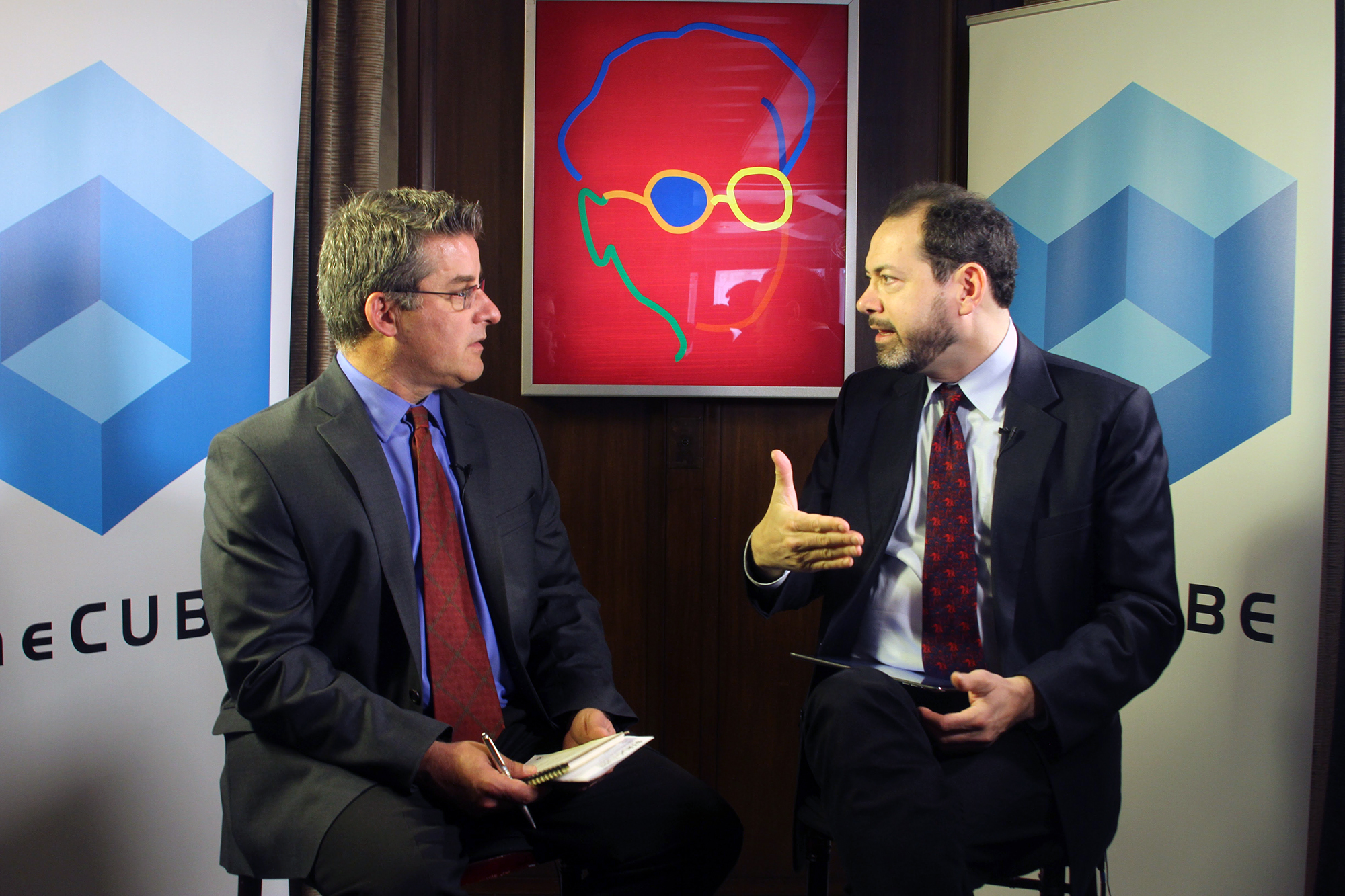
Clark spoke to George Gilbert, Wikibon’s Big Data analyst and cohost of theCUBE, from the SiliconANGLE Media team, during Structure 2015 in San Francisco.
SAP S/4HANA and new features in supply management
Although transitional and analytic databases have been reunified, other issues, such as duplicate data and certain user inputs, have meant that newer reunified databases do not always function in real-time.
“This month we released this version of S/4HANA that supports all our logistics, manufacturing, supply management, that functionality, in addition to finance,” Clark said. “And in that space, (with) the supply optimization that can be done, with the prediction capabilities that are in HANA, in that integrated hole between what has happened, and what is currently going on, has produced new features in supply management.”
Database pricing: Traditional vs. logical tier
As modern data capture volumes change compared to past levels, traditional database pricing is seen by some as excessive, Clark explained. Logical tier pricing is an option, although some companies are unsure about this approach because it would require changes in how applications treat the data.
“The HANA system, because it’s married together the transactional/analytic side, is allowing us to build our applications with new value,” said Clark, “and leveraging the in-memory data structures and leveraging the in-memories per revolution if you will … to achieve that, the value is there. And customers will always pay for the great value.”
@theCUBE
#StructureConf
Forgot Password
Almost there!
We just sent you a verification email. Please verify your account to gain access to
Structure 2015 | San Francisco. If you don’t think you received an email check your
spam folder.
In order to sign in, enter the email address you used to registered for the event. Once completed, you will receive an email with a verification link. Open this link to automatically sign into the site.
Register For Structure 2015 | San Francisco
Please fill out the information below. You will recieve an email with a verification link confirming your registration. Click the link to automatically sign into the site.
You’re almost there!
We just sent you a verification email. Please click the verification button in the email. Once your email address is verified, you will have full access to all event content for Structure 2015 | San Francisco.
I want my badge and interests to be visible to all attendees.
Checking this box will display your presense on the attendees list, view your profile and allow other attendees to contact you via 1-1 chat. Read the Privacy Policy. At any time, you can choose to disable this preference.
Select your Interests!
add
Upload your photo
Uploading..
OR
Connect via Twitter
Connect via Linkedin
EDIT PASSWORD
Share
Forgot Password
Almost there!
We just sent you a verification email. Please verify your account to gain access to
Structure 2015 | San Francisco. If you don’t think you received an email check your
spam folder.
In order to sign in, enter the email address you used to registered for the event. Once completed, you will receive an email with a verification link. Open this link to automatically sign into the site.
Sign in to gain access to Structure 2015 | San Francisco
Please sign in with LinkedIn to continue to Structure 2015 | San Francisco. Signing in with LinkedIn ensures a professional environment.
Are you sure you want to remove access rights for this user?
Details
Manage Access
email address
Community Invitation
Quentin Clark - Structure 2015 - theCUBE - #structureconf
How SAP helped streamline modern database response time | #StructureConf
by Tim Hawkins | Nov 19, 2015
Decades ago, in-memory databases were divided into two distinct components: transactional databases and analytic databases. This was done because, in terms of response time, the analytic databases began to seriously outpace their transactional counterparts. However, because of SAP SE’s HANA database management system, analytic and transactional databases are being reunified, because HANA allows them to function together in real-time, according to Quentin Clark, chief business officer at SAP.
Clark spoke to George Gilbert, Wikibon’s Big Data analyst and cohost of theCUBE, from the SiliconANGLE Media team, during Structure 2015 in San Francisco.
SAP S/4HANA and new features in supply management
Although transitional and analytic databases have been reunified, other issues, such as duplicate data and certain user inputs, have meant that newer reunified databases do not always function in real-time.
“This month we released this version of S/4HANA that supports all our logistics, manufacturing, supply management, that functionality, in addition to finance,” Clark said. “And in that space, (with) the supply optimization that can be done, with the prediction capabilities that are in HANA, in that integrated hole between what has happened, and what is currently going on, has produced new features in supply management.”
Database pricing: Traditional vs. logical tier
As modern data capture volumes change compared to past levels, traditional database pricing is seen by some as excessive, Clark explained. Logical tier pricing is an option, although some companies are unsure about this approach because it would require changes in how applications treat the data.
“The HANA system, because it’s married together the transactional/analytic side, is allowing us to build our applications with new value,” said Clark, “and leveraging the in-memory data structures and leveraging the in-memories per revolution if you will … to achieve that, the value is there. And customers will always pay for the great value.”
@theCUBE
#StructureConf