How to move past old restrictions in stack organization | #StructureConf
by Gabriel Pesek | Nov 19, 2015
In San Francisco, CA, the Structure 2015 conference, hosted by Structure, LLC., is allowing its attendees to network with each other and explore ways of organizing data, cloud interfaces, and more.
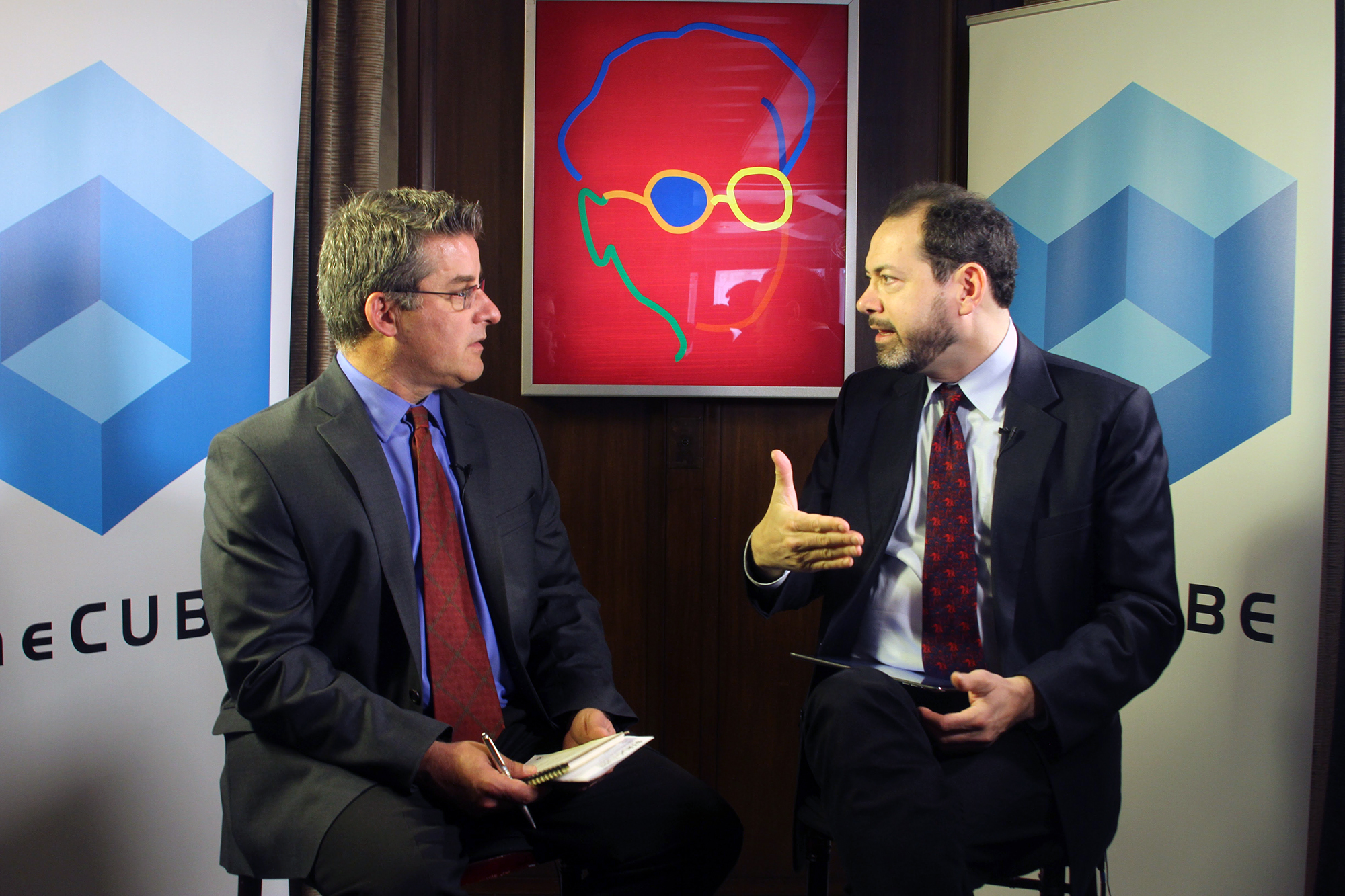
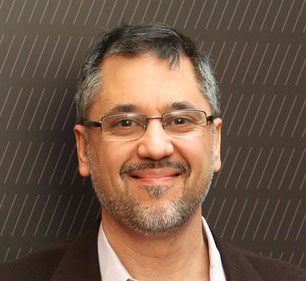
Dave Duggal, cofounder and managing director of EnterpriseWeb, LLC, sat down with George Gilbert, cohost of theCUBE, from the SiliconANGLE Media team, to talk about some of the ways he sees data stacks and operations organization evolving, as well as old ways of thinking that may need to be challenged.
Reforming old structures
For Duggal, the adoption and expansion of cloud utilities has been a step toward the future, but he still sees problems with the way companies are choosing to implement their available options.
“It’s the 21st century… and we’re still building stacks,” he said. “We’re building all these stacks, and then we’re wondering why our data’s still siloed. We’re essentially rebuilding our silos in the cloud.”
From his perspective, modes of operation in the tech world could do with some shaking up to avoid being chained to old ways of handling things. Pointing to how switch-board operators eventually had to be jettisoned from communications systems in order to achieve modern connectivity, he acknowledged that for many, IT is an afterthought at best.
“The business doesn’t really love IT,” he said. “IT is infrastructure, it’s a resource, it’s utility. It should be in the background.”
Bringing things forward
“When we formed the company in 2009 … I was looking at the technology; IT, instead of being a service to me, was becoming a rate-limiter business. I wanted technology to be more flexible from the business down,” Duggal said.
One example he put forth in identifying ways that companies could streamline their processes was the problem of pipeline middleware, physical boxes that support each step, creating indirection, systems complexity, latency and other hang-ups.
Taking a more generalized approach from the base up, EnterpriseWeb has been able to go into old systems struggling to modernize and rethink their infrastructure.
@theCUBE
#StructureConf
Forgot Password
Almost there!
We just sent you a verification email. Please verify your account to gain access to
Structure 2015 | San Francisco. If you don’t think you received an email check your
spam folder.
In order to sign in, enter the email address you used to registered for the event. Once completed, you will receive an email with a verification link. Open this link to automatically sign into the site.
Register For Structure 2015 | San Francisco
Please fill out the information below. You will recieve an email with a verification link confirming your registration. Click the link to automatically sign into the site.
You’re almost there!
We just sent you a verification email. Please click the verification button in the email. Once your email address is verified, you will have full access to all event content for Structure 2015 | San Francisco.
I want my badge and interests to be visible to all attendees.
Checking this box will display your presense on the attendees list, view your profile and allow other attendees to contact you via 1-1 chat. Read the Privacy Policy. At any time, you can choose to disable this preference.
Select your Interests!
add
Upload your photo
Uploading..
OR
Connect via Twitter
Connect via Linkedin
EDIT PASSWORD
Share
Forgot Password
Almost there!
We just sent you a verification email. Please verify your account to gain access to
Structure 2015 | San Francisco. If you don’t think you received an email check your
spam folder.
In order to sign in, enter the email address you used to registered for the event. Once completed, you will receive an email with a verification link. Open this link to automatically sign into the site.
Sign in to gain access to Structure 2015 | San Francisco
Please sign in with LinkedIn to continue to Structure 2015 | San Francisco. Signing in with LinkedIn ensures a professional environment.
Are you sure you want to remove access rights for this user?
Details
Manage Access
email address
Community Invitation
Dave Duggal - Structure 2015 - theCUBE - #structureconf
How to move past old restrictions in stack organization | #StructureConf
by Gabriel Pesek | Nov 19, 2015
In San Francisco, CA, the Structure 2015 conference, hosted by Structure, LLC., is allowing its attendees to network with each other and explore ways of organizing data, cloud interfaces, and more.
Dave Duggal, cofounder and managing director of EnterpriseWeb, LLC, sat down with George Gilbert, cohost of theCUBE, from the SiliconANGLE Media team, to talk about some of the ways he sees data stacks and operations organization evolving, as well as old ways of thinking that may need to be challenged.
Reforming old structures
For Duggal, the adoption and expansion of cloud utilities has been a step toward the future, but he still sees problems with the way companies are choosing to implement their available options.
“It’s the 21st century… and we’re still building stacks,” he said. “We’re building all these stacks, and then we’re wondering why our data’s still siloed. We’re essentially rebuilding our silos in the cloud.”
From his perspective, modes of operation in the tech world could do with some shaking up to avoid being chained to old ways of handling things. Pointing to how switch-board operators eventually had to be jettisoned from communications systems in order to achieve modern connectivity, he acknowledged that for many, IT is an afterthought at best.
“The business doesn’t really love IT,” he said. “IT is infrastructure, it’s a resource, it’s utility. It should be in the background.”
Bringing things forward
“When we formed the company in 2009 … I was looking at the technology; IT, instead of being a service to me, was becoming a rate-limiter business. I wanted technology to be more flexible from the business down,” Duggal said.
One example he put forth in identifying ways that companies could streamline their processes was the problem of pipeline middleware, physical boxes that support each step, creating indirection, systems complexity, latency and other hang-ups.
Taking a more generalized approach from the base up, EnterpriseWeb has been able to go into old systems struggling to modernize and rethink their infrastructure.
@theCUBE
#StructureConf