Telecoms face increased security risks | #splunkconf
by Betsy Amy-Vogt | Sep 23, 2015
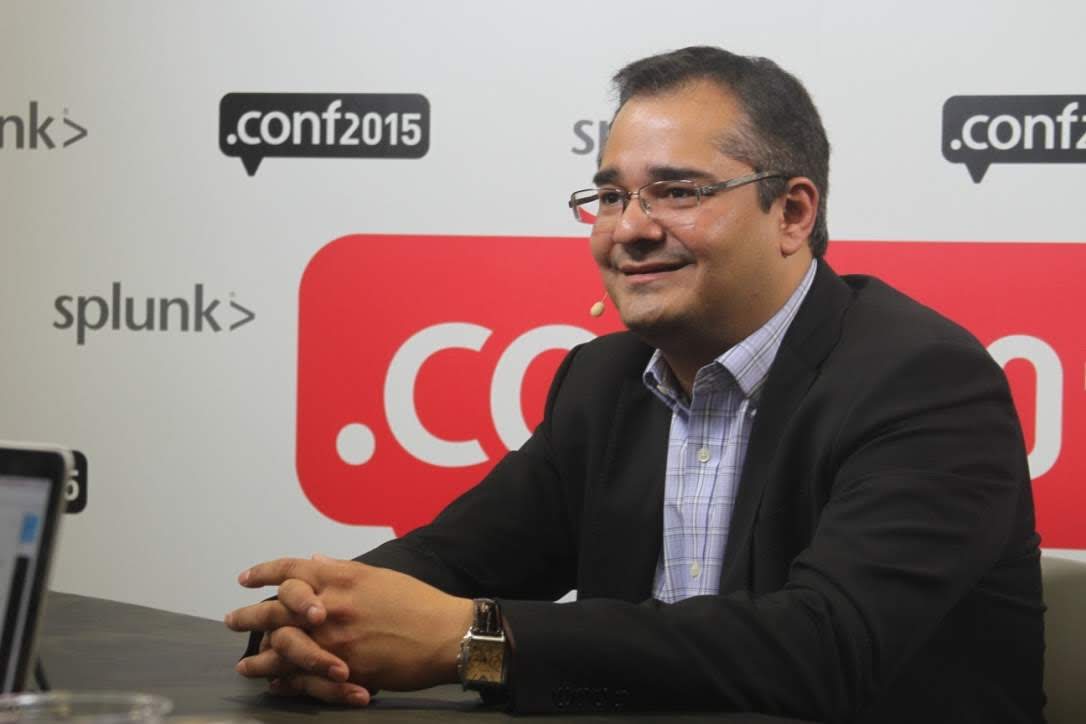
“If you want to buy a phone that is safe, buy a 10-year old Nokia!” is the advice given by Christof Jungo, head of security architecture for telecoms provider Swisscom AG.
Speaking with John Furrier of theCUBE, from the SiliconANGLE Media team, at Splunk .conf 2015 in Las Vegas, Jungo talked about the increased security risks faced by large telecoms such as Swisscom. With an average of 1 million attacks daily, and with attacks no longer only from vandals but from more sophisticated, organized groups, Swisscom has moved from a defensive security approach to one where it assumes it has been breached.
“We are not focused on prevention. We are focused on detection,” Jungo told Furrier.
iPhones as likely to be infected by malware as Android devices
Taking a bottom-up approach, Swisscom designs the system as securely as possible, but from that point acts on the assumption that there is a breach and spends the resources looking for breaches rather than trying to prevent them.
Attacks occur on both the network and application levels across all devices. Jungo surprised theCUBE by announcing that according to Swisscom’s data, iPhones are as likely to be infected by malware as Android-based devices. Jungo joked that the only safe phones now are older models.
Benefits of machine learning
Jungo also spoke about the “three clicks” ease of new Splunk cyber-security features and the benefits of machine learning. When Furrier asked about the impact of the Internet of Things on security, Jungo discussed potential security issues, saying, “The perimeter will be defined by the things you own or rent.”
@theCUBE
#splunkconf
Forgot Password
Almost there!
We just sent you a verification email. Please verify your account to gain access to
Splunk.conf 2015 | Las Vegas. If you don’t think you received an email check your
spam folder.
In order to sign in, enter the email address you used to registered for the event. Once completed, you will receive an email with a verification link. Open this link to automatically sign into the site.
Register For Splunk.conf 2015 | Las Vegas
Please fill out the information below. You will recieve an email with a verification link confirming your registration. Click the link to automatically sign into the site.
You’re almost there!
We just sent you a verification email. Please click the verification button in the email. Once your email address is verified, you will have full access to all event content for Splunk.conf 2015 | Las Vegas.
I want my badge and interests to be visible to all attendees.
Checking this box will display your presense on the attendees list, view your profile and allow other attendees to contact you via 1-1 chat. Read the Privacy Policy. At any time, you can choose to disable this preference.
Select your Interests!
add
Upload your photo
Uploading..
OR
Connect via Twitter
Connect via Linkedin
EDIT PASSWORD
Share
Forgot Password
Almost there!
We just sent you a verification email. Please verify your account to gain access to
Splunk.conf 2015 | Las Vegas. If you don’t think you received an email check your
spam folder.
In order to sign in, enter the email address you used to registered for the event. Once completed, you will receive an email with a verification link. Open this link to automatically sign into the site.
Sign in to gain access to Splunk.conf 2015 | Las Vegas
Please sign in with LinkedIn to continue to Splunk.conf 2015 | Las Vegas. Signing in with LinkedIn ensures a professional environment.
Are you sure you want to remove access rights for this user?
Details
Manage Access
email address
Community Invitation
Christof Jungo, Swisscon | Splunk .conf2015
Telecoms face increased security risks | #splunkconf
by Betsy Amy-Vogt | Sep 23, 2015
“If you want to buy a phone that is safe, buy a 10-year old Nokia!” is the advice given by Christof Jungo, head of security architecture for telecoms provider Swisscom AG.
Speaking with John Furrier of theCUBE, from the SiliconANGLE Media team, at Splunk .conf 2015 in Las Vegas, Jungo talked about the increased security risks faced by large telecoms such as Swisscom. With an average of 1 million attacks daily, and with attacks no longer only from vandals but from more sophisticated, organized groups, Swisscom has moved from a defensive security approach to one where it assumes it has been breached.
“We are not focused on prevention. We are focused on detection,” Jungo told Furrier.
iPhones as likely to be infected by malware as Android devices
Taking a bottom-up approach, Swisscom designs the system as securely as possible, but from that point acts on the assumption that there is a breach and spends the resources looking for breaches rather than trying to prevent them.
Attacks occur on both the network and application levels across all devices. Jungo surprised theCUBE by announcing that according to Swisscom’s data, iPhones are as likely to be infected by malware as Android-based devices. Jungo joked that the only safe phones now are older models.
Benefits of machine learning
Jungo also spoke about the “three clicks” ease of new Splunk cyber-security features and the benefits of machine learning. When Furrier asked about the impact of the Internet of Things on security, Jungo discussed potential security issues, saying, “The perimeter will be defined by the things you own or rent.”
@theCUBE
#splunkconf