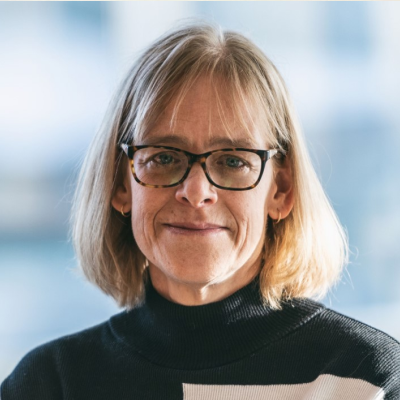
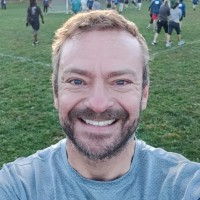
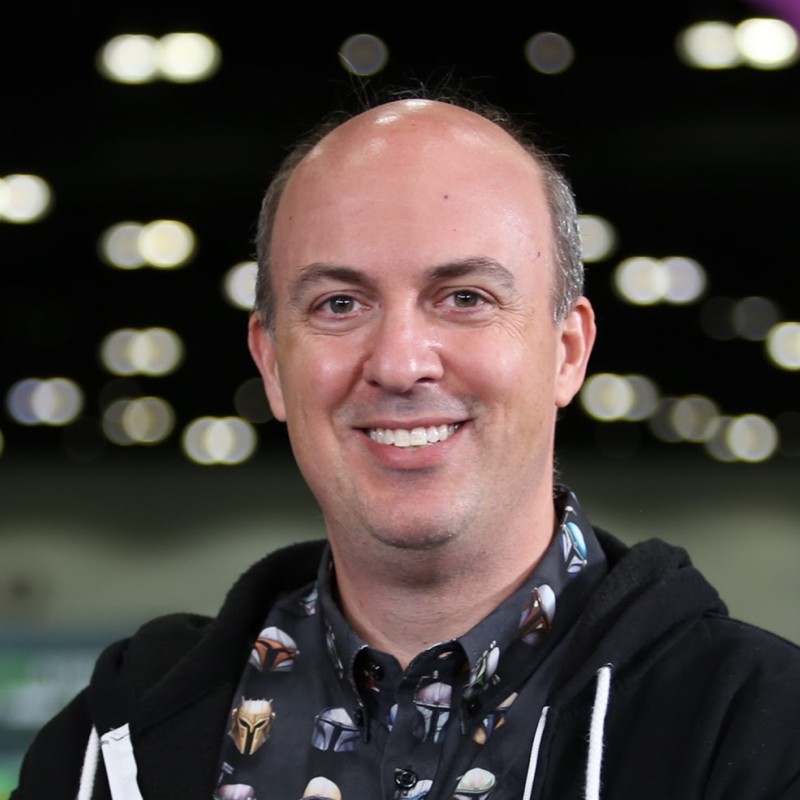
Dr. Rudolph Pienaar, Technical Director, FNNDSC, Instructor in Radiology, Harvard Medical School & Dr. Ellen Grant, Director, Fetal-Neonatal Neuroimaging and Developmental Science Center (FNNDSC), Boston Children's Hospital Professor of Radiology and Pediatrics, Harvard Medical School talk with John Walls and Stu Miniman at Red Hat Summit 2019 in Boston, MA.
#RHSummit #WomenInTech #theCUBE
https://siliconangle.com/2019/05/13/qa-the-chris-project-takes-imaging-analysis-to-the-bedside-courtesy-of-the-cloud-rhsummit/
Q&A: The ChRIS Project takes imaging analysis to the bedside, courtesy of the cloud
When a regulated industry looks to public cloud computing, the number of deal breakers can run high. For the ChRIS Project (Research Integration Service), the challenges are many to create an open-source platform that maintains patient scans for medical practitioners to access, compare and analyze images quickly and remotely. This type of project requires a compliant cloud platform, as well as hefty computing power at the edge of the network, to allow for continuous updates and highly secure data storage.
“For the price of a cellphone and a cell signal, you can use this kind of technology anywhere,” said Dr. Rudolph Pienaar (pictured, left), technical director of the Fetal-Neonatal Neuroimaging and Developmental Science Center at Boston Children’s Hospital and instructor at Harvard Medical School. “You can compare images that are collected, wherever it might be, just for the price of connecting to the internet.”
Pienaar and Dr. Ellen Grant (pictured, right), director of the FNNDSC and professor at Harvard Medical School, spoke with John Walls (@JohnWalls21) and Stu Miniman (@stu), co-hosts of theCUBE, SiliconANGLE Media’s mobile livestreaming studio, during the Red Hat Summit in Boston. They discussed the ChRIS Project and how both patients and clinicians can benefit from technology innovation (see the full interview with transcript here). (* Disclosure below.)
[Editor’s note: The following answers have been condensed for clarity.]
Walls: We’re talking about what’s called the ChRIS Project, which was a technically based project at Boston Children’s Hospital. Dr. Grant, if you would, talk about the genesis of this project, what its goal was, and how it’s been carried out.
Grant: The goal of the ChRIS Project was to bring innovative imaging analysis to the bedside, to the front end where clinicians like me are working all the time but aren’t sophisticated enough or don’t have enough memory to remember how to do line code in Linux.
When I was reading clinical studies and I wanted to run a complex analysis, but there was no way to do it easily, I’d have to call up someone to log into a different computer, bring the images over, and it took lots of complex steps to run that analysis. Even to do any of these analyses, you have to download the program and set up your environment. I would rather deal with the interpretation and understanding the meaning of those images than all the infrastructure steps to bring it together.
That was the genesis of ChRIS, trying to have a simple Windows point-and-click way for a physician, such as myself, to be able to rapidly do something interesting and then be able to show it to a clinician in a conference or at the bedside.
Walls: Who was supplying what kind of manpower to the project?
Pienaar: In the beginning I would say that we wanted to bring this research software, which lives mostly on Linux, onto a Windows world, right? So, the people developing that software were researchers or computational researchers who do a lot of amazing stuff with image processing. But those tools just never really make it from the research lab outside of that.
One of the reasons is because someone like Ellen might not ever want to fire up a terminal and type in these commands. So people working on it are this huge population of researchers making these tools. What I try to help with is how we get those tools really easily usable and accessible, and to make a difference. That was the need that we had in the beginning. It started out as a bunch of shell scripts. Gradually with time, we tried to move to the web. Then it began to grow. Then from the web, stretching to the cloud. That’s kind of the trajectory in a nutshell. As each step moved along, more and more people came into play.
Miniman: Let’s talk about the patient side of things. We talk about order of magnitude that cloud can make things faster and easier, but what does this mean to patient care and quality of service?
...
Watch the complete video interview below, and be sure to check out more of SiliconANGLE’s and theCUBE’s coverage of Red Hat Summit 2019. (* Disclosure: TheCUBE is a paid media partner for Red Hat Summit. Neither Red Hat Inc., the sponsor for theCUBE’s event coverage, nor other sponsors have editorial control over content on theCUBE or SiliconANGLE.)
Forgot Password
Almost there!
We just sent you a verification email. Please verify your account to gain access to
Red Hat Summit 2019 | Boston. If you don’t think you received an email check your
spam folder.
In order to sign in, enter the email address you used to registered for the event. Once completed, you will receive an email with a verification link. Open this link to automatically sign into the site.
Register For Red Hat Summit 2019 | Boston
Please fill out the information below. You will recieve an email with a verification link confirming your registration. Click the link to automatically sign into the site.
You’re almost there!
We just sent you a verification email. Please click the verification button in the email. Once your email address is verified, you will have full access to all event content for Red Hat Summit 2019 | Boston.
I want my badge and interests to be visible to all attendees.
Checking this box will display your presense on the attendees list, view your profile and allow other attendees to contact you via 1-1 chat. Read the Privacy Policy. At any time, you can choose to disable this preference.
Select your Interests!
add
Upload your photo
Uploading..
OR
Connect via Twitter
Connect via Linkedin
EDIT PASSWORD
Share
Forgot Password
Almost there!
We just sent you a verification email. Please verify your account to gain access to
Red Hat Summit 2019 | Boston. If you don’t think you received an email check your
spam folder.
In order to sign in, enter the email address you used to registered for the event. Once completed, you will receive an email with a verification link. Open this link to automatically sign into the site.
Sign in to gain access to Red Hat Summit 2019 | Boston
Please sign in with LinkedIn to continue to Red Hat Summit 2019 | Boston. Signing in with LinkedIn ensures a professional environment.
Are you sure you want to remove access rights for this user?
Details
Manage Access
email address
Community Invitation
Dr. Rudolph Pienaar, & Dr. Ellen Grant & Harvard Medical School | Red Hat Summit 2019
Dr. Rudolph Pienaar, Technical Director, FNNDSC, Instructor in Radiology, Harvard Medical School & Dr. Ellen Grant, Director, Fetal-Neonatal Neuroimaging and Developmental Science Center (FNNDSC), Boston Children's Hospital Professor of Radiology and Pediatrics, Harvard Medical School talk with John Walls and Stu Miniman at Red Hat Summit 2019 in Boston, MA.
#RHSummit #WomenInTech #theCUBE
https://siliconangle.com/2019/05/13/qa-the-chris-project-takes-imaging-analysis-to-the-bedside-courtesy-of-the-cloud-rhsummit/
Q&A: The ChRIS Project takes imaging analysis to the bedside, courtesy of the cloud
When a regulated industry looks to public cloud computing, the number of deal breakers can run high. For the ChRIS Project (Research Integration Service), the challenges are many to create an open-source platform that maintains patient scans for medical practitioners to access, compare and analyze images quickly and remotely. This type of project requires a compliant cloud platform, as well as hefty computing power at the edge of the network, to allow for continuous updates and highly secure data storage.
“For the price of a cellphone and a cell signal, you can use this kind of technology anywhere,” said Dr. Rudolph Pienaar (pictured, left), technical director of the Fetal-Neonatal Neuroimaging and Developmental Science Center at Boston Children’s Hospital and instructor at Harvard Medical School. “You can compare images that are collected, wherever it might be, just for the price of connecting to the internet.”
Pienaar and Dr. Ellen Grant (pictured, right), director of the FNNDSC and professor at Harvard Medical School, spoke with John Walls (@JohnWalls21) and Stu Miniman (@stu), co-hosts of theCUBE, SiliconANGLE Media’s mobile livestreaming studio, during the Red Hat Summit in Boston. They discussed the ChRIS Project and how both patients and clinicians can benefit from technology innovation (see the full interview with transcript here). (* Disclosure below.)
[Editor’s note: The following answers have been condensed for clarity.]
Walls: We’re talking about what’s called the ChRIS Project, which was a technically based project at Boston Children’s Hospital. Dr. Grant, if you would, talk about the genesis of this project, what its goal was, and how it’s been carried out.
Grant: The goal of the ChRIS Project was to bring innovative imaging analysis to the bedside, to the front end where clinicians like me are working all the time but aren’t sophisticated enough or don’t have enough memory to remember how to do line code in Linux.
When I was reading clinical studies and I wanted to run a complex analysis, but there was no way to do it easily, I’d have to call up someone to log into a different computer, bring the images over, and it took lots of complex steps to run that analysis. Even to do any of these analyses, you have to download the program and set up your environment. I would rather deal with the interpretation and understanding the meaning of those images than all the infrastructure steps to bring it together.
That was the genesis of ChRIS, trying to have a simple Windows point-and-click way for a physician, such as myself, to be able to rapidly do something interesting and then be able to show it to a clinician in a conference or at the bedside.
Walls: Who was supplying what kind of manpower to the project?
Pienaar: In the beginning I would say that we wanted to bring this research software, which lives mostly on Linux, onto a Windows world, right? So, the people developing that software were researchers or computational researchers who do a lot of amazing stuff with image processing. But those tools just never really make it from the research lab outside of that.
One of the reasons is because someone like Ellen might not ever want to fire up a terminal and type in these commands. So people working on it are this huge population of researchers making these tools. What I try to help with is how we get those tools really easily usable and accessible, and to make a difference. That was the need that we had in the beginning. It started out as a bunch of shell scripts. Gradually with time, we tried to move to the web. Then it began to grow. Then from the web, stretching to the cloud. That’s kind of the trajectory in a nutshell. As each step moved along, more and more people came into play.
Miniman: Let’s talk about the patient side of things. We talk about order of magnitude that cloud can make things faster and easier, but what does this mean to patient care and quality of service?
...
Watch the complete video interview below, and be sure to check out more of SiliconANGLE’s and theCUBE’s coverage of Red Hat Summit 2019. (* Disclosure: TheCUBE is a paid media partner for Red Hat Summit. Neither Red Hat Inc., the sponsor for theCUBE’s event coverage, nor other sponsors have editorial control over content on theCUBE or SiliconANGLE.)