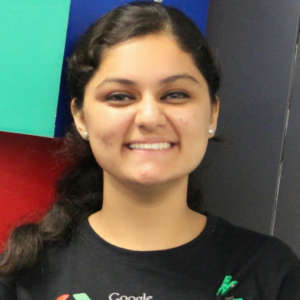
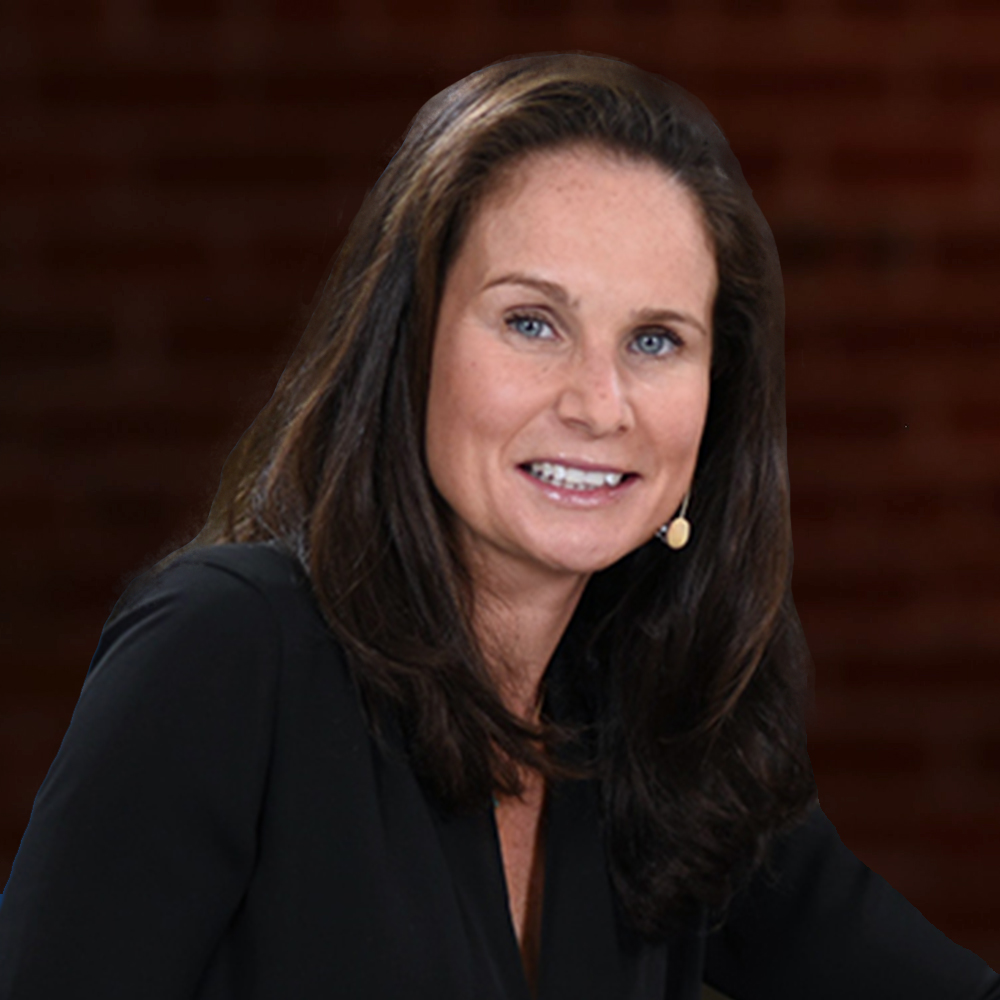
DeLisa Alexander, EVP & Chief People Officer at Red Hat, Avni Khatri, Women in Open Source Academic Award Winner, & Jigyasa Grover Women in Open Source Community Winner sit down with theCUBE at Red Hat Summit 2017 in Boston, MA
#OSSummit #theCUBE
https://siliconangle.com/2017/05/05/life-imitates-tech-red-hat-awards-womens-open-source-social-education-efforts-rhsummit-womenintech/
Life imitates tech: Red Hat awards women’s open-source social and education efforts
Open source is more than technology. It’s a mentality and a set of principles that may, in fact, be applied to realms outside of technology. Open-source technology and philosophy together may be a potent combo for attacking real-world issues, as this year’s Red Hat’s Women in Open Source Award winners suggest.
“It’s a way of doing things and thinking about the world with transparency, using the best ideas, innovating rapidly,” said DeLisa Alexander (pictured, right), executive vice president and chief people officer at Red Hat Inc.
Alexander joined awards winners Jigyasa Grover (left) and Avni Khatri (middle) in an interview with Rebecca Knight (@knightrm), host of theCUBE, SiliconANGLE Media’s mobile live streaming studio, during this week’s Red Hat Summit in Boston, Massachusetts. (* Disclosure below.)
Grover is director of Women Who Code in Delhi, India, and the winner of Red Hat’s 2017 Academic Award. Kharti, president of Kids on Computers, took home this year’s Community Award.
This week, theCUBE’s spotlights Jigyasa Grover and Avni Khatri in our Women In Tech feature.
The dearth of women in technology is an issue that an increasing number of technology companies are examining; Red Hat decided to do so in its own way, focusing on open source in particular. “As the open-source leader, we felt like we had a responsibility to make a difference in that way,” Alexander said.
Nominees and winners of this year’s Women in Open Source were chosen, as all things open-source, through blind meritocracy. “It’s community based; it’s the power of participation; it is the open-source way,” Alexander said.
Anyone was allowed to enter a nominee for consideration; then a panel of judges — five for the academic award and five for the community award — selected the finalists. Finally, the open-source community voted on the winners.
Tech charity strives for community change
Clever, unexpected and innovative uses of open source were nominated for consideration, as were those wrapped in social initiatives, as in the case of Avni Khatri. The winner of this year’s community award was working at Yahoo when her plan to bring tech education to underserved populations sprouted.
“My boss at that time had asked us to make one-year, five-year and 10-year goals,” she said. For her five-year goal, she decided she’d like to bring computer labs to regions of the world with low-tech literacy.
And then a funny thing happened when Khatri attended the Grace Hopper Celebration of Women in Computing conference. The encouragement of other attendees inspired her to take initiate and start manifesting her talent in real projects right away.
“I came back, and I was looking at my goals, and I was like, ‘Why do I have to wait five years to do this?'” Khatri said.
After an email exchange with Stormy Peters, founder of Kids on Computers, a nonprofit that provides computing facilities to underprivileged students, Khatri was on her way.
Khatri just returned from a week in Oaxaca, Mexico, where she worked with Kids on Computers to set up labs in two schools, aided by a grant from Red Hat. “Some of the teachers have never used a computer before. Some of the kids have, but most of them have not,” Khatri said, adding that Oaxaca has one of the highest illiteracy rates in all of Mexico.
Open-source communities makes computing and coding educational resources easily accessible, which is extremely helpful to communities like Oaxaca, Khatri stated. “I think education is one of the most sustainable ways to improve communities, and I think open source is an avenue to get them there,” she said.
On the other end of the spectrum, open-source technology can benefit those at the university level finding that inclusion is more of a cultural problem, according to the academic award winner, Jigyasa Grover.
..
Watch the complete video interview below, and be sure to check out more of SiliconANGLE’s and theCUBE’s independent editorial coverage of Red Hat Summit 2017. (* Disclosure: Red Hat Inc. sponsors some Red Hat Summit segments on SiliconANGLE Media’s theCUBE. Neither Red Hat nor other sponsors have editorial control over content on theCUBE or SiliconANGLE.)
Forgot Password
Almost there!
We just sent you a verification email. Please verify your account to gain access to
Red Hat Summit 2017 | Boston. If you don’t think you received an email check your
spam folder.
In order to sign in, enter the email address you used to registered for the event. Once completed, you will receive an email with a verification link. Open this link to automatically sign into the site.
Register For Red Hat Summit 2017 | Boston
Please fill out the information below. You will recieve an email with a verification link confirming your registration. Click the link to automatically sign into the site.
You’re almost there!
We just sent you a verification email. Please click the verification button in the email. Once your email address is verified, you will have full access to all event content for Red Hat Summit 2017 | Boston.
I want my badge and interests to be visible to all attendees.
Checking this box will display your presense on the attendees list, view your profile and allow other attendees to contact you via 1-1 chat. Read the Privacy Policy. At any time, you can choose to disable this preference.
Select your Interests!
add
Upload your photo
Uploading..
OR
Connect via Twitter
Connect via Linkedin
EDIT PASSWORD
Share
Forgot Password
Almost there!
We just sent you a verification email. Please verify your account to gain access to
Red Hat Summit 2017 | Boston. If you don’t think you received an email check your
spam folder.
In order to sign in, enter the email address you used to registered for the event. Once completed, you will receive an email with a verification link. Open this link to automatically sign into the site.
Sign in to gain access to Red Hat Summit 2017 | Boston
Please sign in with LinkedIn to continue to Red Hat Summit 2017 | Boston. Signing in with LinkedIn ensures a professional environment.
Are you sure you want to remove access rights for this user?
Details
Manage Access
email address
Community Invitation
DeLisa Alexander, Avni Khatri, Jigyasa Grover, Women In Open Source Winners | Red Hat Summit 2017
DeLisa Alexander, EVP & Chief People Officer at Red Hat, Avni Khatri, Women in Open Source Academic Award Winner, & Jigyasa Grover Women in Open Source Community Winner sit down with theCUBE at Red Hat Summit 2017 in Boston, MA
#OSSummit #theCUBE
https://siliconangle.com/2017/05/05/life-imitates-tech-red-hat-awards-womens-open-source-social-education-efforts-rhsummit-womenintech/
Life imitates tech: Red Hat awards women’s open-source social and education efforts
Open source is more than technology. It’s a mentality and a set of principles that may, in fact, be applied to realms outside of technology. Open-source technology and philosophy together may be a potent combo for attacking real-world issues, as this year’s Red Hat’s Women in Open Source Award winners suggest.
“It’s a way of doing things and thinking about the world with transparency, using the best ideas, innovating rapidly,” said DeLisa Alexander (pictured, right), executive vice president and chief people officer at Red Hat Inc.
Alexander joined awards winners Jigyasa Grover (left) and Avni Khatri (middle) in an interview with Rebecca Knight (@knightrm), host of theCUBE, SiliconANGLE Media’s mobile live streaming studio, during this week’s Red Hat Summit in Boston, Massachusetts. (* Disclosure below.)
Grover is director of Women Who Code in Delhi, India, and the winner of Red Hat’s 2017 Academic Award. Kharti, president of Kids on Computers, took home this year’s Community Award.
This week, theCUBE’s spotlights Jigyasa Grover and Avni Khatri in our Women In Tech feature.
The dearth of women in technology is an issue that an increasing number of technology companies are examining; Red Hat decided to do so in its own way, focusing on open source in particular. “As the open-source leader, we felt like we had a responsibility to make a difference in that way,” Alexander said.
Nominees and winners of this year’s Women in Open Source were chosen, as all things open-source, through blind meritocracy. “It’s community based; it’s the power of participation; it is the open-source way,” Alexander said.
Anyone was allowed to enter a nominee for consideration; then a panel of judges — five for the academic award and five for the community award — selected the finalists. Finally, the open-source community voted on the winners.
Tech charity strives for community change
Clever, unexpected and innovative uses of open source were nominated for consideration, as were those wrapped in social initiatives, as in the case of Avni Khatri. The winner of this year’s community award was working at Yahoo when her plan to bring tech education to underserved populations sprouted.
“My boss at that time had asked us to make one-year, five-year and 10-year goals,” she said. For her five-year goal, she decided she’d like to bring computer labs to regions of the world with low-tech literacy.
And then a funny thing happened when Khatri attended the Grace Hopper Celebration of Women in Computing conference. The encouragement of other attendees inspired her to take initiate and start manifesting her talent in real projects right away.
“I came back, and I was looking at my goals, and I was like, ‘Why do I have to wait five years to do this?'” Khatri said.
After an email exchange with Stormy Peters, founder of Kids on Computers, a nonprofit that provides computing facilities to underprivileged students, Khatri was on her way.
Khatri just returned from a week in Oaxaca, Mexico, where she worked with Kids on Computers to set up labs in two schools, aided by a grant from Red Hat. “Some of the teachers have never used a computer before. Some of the kids have, but most of them have not,” Khatri said, adding that Oaxaca has one of the highest illiteracy rates in all of Mexico.
Open-source communities makes computing and coding educational resources easily accessible, which is extremely helpful to communities like Oaxaca, Khatri stated. “I think education is one of the most sustainable ways to improve communities, and I think open source is an avenue to get them there,” she said.
On the other end of the spectrum, open-source technology can benefit those at the university level finding that inclusion is more of a cultural problem, according to the academic award winner, Jigyasa Grover.
..
Watch the complete video interview below, and be sure to check out more of SiliconANGLE’s and theCUBE’s independent editorial coverage of Red Hat Summit 2017. (* Disclosure: Red Hat Inc. sponsors some Red Hat Summit segments on SiliconANGLE Media’s theCUBE. Neither Red Hat nor other sponsors have editorial control over content on theCUBE or SiliconANGLE.)