01. Sven Loberg, Accenture, visits #theCUBE!. (00:16)
02. Accenture OpenSource Partnerships, Red Hat and Beyond. (01:45)
03. The Accenture Journey and the Road Map Forward. (03:30)
04. The Customer Landscape for OpenSource Initiatives. (06:43)
05. Radical Changes in the Definition of "Proprietary". (10:20)
06. Cyber Security and the Linux Foundation Announcement. (11:23)
07. Accenture's Role in the Red Hat Summit. (13:32)
Track List created with http://www.vinjavideo.com.
--- ---
Community engagement key to open-source projects | #RHSummit
by Gabriel Pesek | Jun 29, 2016
As Microsoft partners with Red Hat, Inc. to improve the toolsets available for open-source development, it’s becoming clear that fully proprietary solutions are no longer as dominant in the market as they once were. Today, many companies on both sides of the proprietary/open-source divide are looking to bridge the gap, with a variety of solutions being devised.
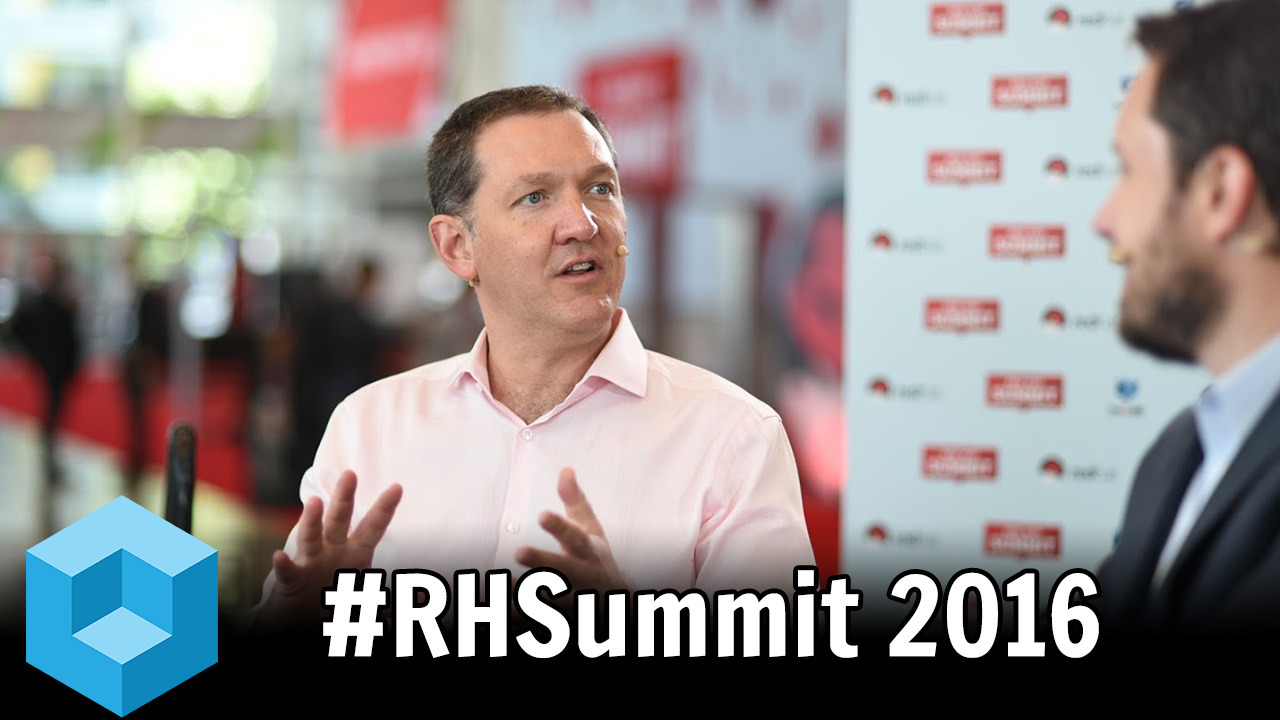
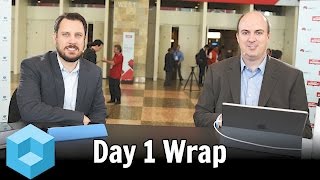
Sven Loberg, global open source lead at Accenture, LLP, joined Stu Miniman (@stu) and Brian Gracely (@bgracely), cohosts of theCUBE, from the SiliconANGLE Media team, at this year’s Red Hat Summit in San Francisco, to discuss the drive toward open-source from Accenture and its partners and the engagement it has undertaken with open-source communities.
The open-source appeal
The move to incorporate open-source technology in development and products is a matter of pragmatism, Loberg explained: “Part of our emerging technology practice … as we’re looking to the future to develop new technologies … we’re also looking to where a lot of those technologies are coming from, and open-source is [a major part of that].” As Accenture sees it, open-source technologies are the prime driving force behind the technology trends of today.
As discussed in Accenture’s keynote, its video services and several other offerings are driven by open-source, and in return, Accenture is “contributing a lot of those things to the community,” Loberg said. “Driving that transparency and collaboration … that’s what’s exciting,” he added, noting that Accenture is looking to “accelerate what we’re doing in the community” while also improving the processes of the company’s community-driven development.
Drawing interest
The benefits from going open-source have been showing in more than just the implementation ease for Accenture. “As we’ve opened [projects] into the broader community … we’ve seen an increase internally as to the contributions to those projects,” Loberg noted. “We’ve got a whole new group of people within Accenture who are excited about contributing to those projects.”
To build on this interest, and improve its understanding of open-source’s potential, Accenture is now asking: “How can we take a lot of those things that were previously proprietary … and use more open-source?” Loberg said. Looking to build an “end-to-end solution that’s open-source-based,” to serve the needs of Accenture’s customers, Loberg also mentioned that “next-generation application architectures” are what he hears about when talking to clients, while partners are saying, “We now need more full-stack developers.”
Loberg attributed these changing attitudes to a realistic assessment of the future of programming, with consideration of the people who will make up that programmer base also factoring into it. “They understand that the technology that the Millennials are working on is coming from an open-source [base],” he said.
Community service
But with these open-source solutions, there’s more to the transactions than money. “There’s an expectation that you’re not just a user of an open-source component … but that you’re contributing to those communities,” Loberg explained. While Accenture has been benefiting from engagement with these communities, other companies looking to capitalize on the available tools may not fare as well if they’re not open to these interactions.
“Frankly, a lot of the proprietary development companies today … are adopting open-source as well,” Loberg said. “We’d like to be the ones disrupting versus being the ones disrupted.”
Other topics covered in the conversation addressed the need to care about security even when specific vulnerabilities aren’t in the news and Accenture’s drive to build open-source recognition internally and externally. Speaking in regard to the conference’s turnout, Loberg was quite positive. “The summit’s been a fantastic event this year; certainly lots of participation,” he said, something he’d hoped would be the case when dealing with the proactive users of open-source.
Forgot Password
Almost there!
We just sent you a verification email. Please verify your account to gain access to
Red Hat Summit 2016 | San Francisco. If you don’t think you received an email check your
spam folder.
In order to sign in, enter the email address you used to registered for the event. Once completed, you will receive an email with a verification link. Open this link to automatically sign into the site.
Register For Red Hat Summit 2016 | San Francisco
Please fill out the information below. You will recieve an email with a verification link confirming your registration. Click the link to automatically sign into the site.
You’re almost there!
We just sent you a verification email. Please click the verification button in the email. Once your email address is verified, you will have full access to all event content for Red Hat Summit 2016 | San Francisco.
I want my badge and interests to be visible to all attendees.
Checking this box will display your presense on the attendees list, view your profile and allow other attendees to contact you via 1-1 chat. Read the Privacy Policy. At any time, you can choose to disable this preference.
Select your Interests!
add
Upload your photo
Uploading..
OR
Connect via Twitter
Connect via Linkedin
EDIT PASSWORD
Share
Forgot Password
Almost there!
We just sent you a verification email. Please verify your account to gain access to
Red Hat Summit 2016 | San Francisco. If you don’t think you received an email check your
spam folder.
In order to sign in, enter the email address you used to registered for the event. Once completed, you will receive an email with a verification link. Open this link to automatically sign into the site.
Sign in to gain access to Red Hat Summit 2016 | San Francisco
Please sign in with LinkedIn to continue to Red Hat Summit 2016 | San Francisco. Signing in with LinkedIn ensures a professional environment.
Are you sure you want to remove access rights for this user?
Details
Manage Access
email address
Community Invitation
Sven Loberg, Accenture - Red Hat Summit 2016 - #theCUBE #RHSummit
01. Sven Loberg, Accenture, visits #theCUBE!. (00:16)
02. Accenture OpenSource Partnerships, Red Hat and Beyond. (01:45)
03. The Accenture Journey and the Road Map Forward. (03:30)
04. The Customer Landscape for OpenSource Initiatives. (06:43)
05. Radical Changes in the Definition of "Proprietary". (10:20)
06. Cyber Security and the Linux Foundation Announcement. (11:23)
07. Accenture's Role in the Red Hat Summit. (13:32)
Track List created with http://www.vinjavideo.com.
--- ---
Community engagement key to open-source projects | #RHSummit
by Gabriel Pesek | Jun 29, 2016
As Microsoft partners with Red Hat, Inc. to improve the toolsets available for open-source development, it’s becoming clear that fully proprietary solutions are no longer as dominant in the market as they once were. Today, many companies on both sides of the proprietary/open-source divide are looking to bridge the gap, with a variety of solutions being devised.
Sven Loberg, global open source lead at Accenture, LLP, joined Stu Miniman (@stu) and Brian Gracely (@bgracely), cohosts of theCUBE, from the SiliconANGLE Media team, at this year’s Red Hat Summit in San Francisco, to discuss the drive toward open-source from Accenture and its partners and the engagement it has undertaken with open-source communities.
The open-source appeal
The move to incorporate open-source technology in development and products is a matter of pragmatism, Loberg explained: “Part of our emerging technology practice … as we’re looking to the future to develop new technologies … we’re also looking to where a lot of those technologies are coming from, and open-source is [a major part of that].” As Accenture sees it, open-source technologies are the prime driving force behind the technology trends of today.
As discussed in Accenture’s keynote, its video services and several other offerings are driven by open-source, and in return, Accenture is “contributing a lot of those things to the community,” Loberg said. “Driving that transparency and collaboration … that’s what’s exciting,” he added, noting that Accenture is looking to “accelerate what we’re doing in the community” while also improving the processes of the company’s community-driven development.
Drawing interest
The benefits from going open-source have been showing in more than just the implementation ease for Accenture. “As we’ve opened [projects] into the broader community … we’ve seen an increase internally as to the contributions to those projects,” Loberg noted. “We’ve got a whole new group of people within Accenture who are excited about contributing to those projects.”
To build on this interest, and improve its understanding of open-source’s potential, Accenture is now asking: “How can we take a lot of those things that were previously proprietary … and use more open-source?” Loberg said. Looking to build an “end-to-end solution that’s open-source-based,” to serve the needs of Accenture’s customers, Loberg also mentioned that “next-generation application architectures” are what he hears about when talking to clients, while partners are saying, “We now need more full-stack developers.”
Loberg attributed these changing attitudes to a realistic assessment of the future of programming, with consideration of the people who will make up that programmer base also factoring into it. “They understand that the technology that the Millennials are working on is coming from an open-source [base],” he said.
Community service
But with these open-source solutions, there’s more to the transactions than money. “There’s an expectation that you’re not just a user of an open-source component … but that you’re contributing to those communities,” Loberg explained. While Accenture has been benefiting from engagement with these communities, other companies looking to capitalize on the available tools may not fare as well if they’re not open to these interactions.
“Frankly, a lot of the proprietary development companies today … are adopting open-source as well,” Loberg said. “We’d like to be the ones disrupting versus being the ones disrupted.”
Other topics covered in the conversation addressed the need to care about security even when specific vulnerabilities aren’t in the news and Accenture’s drive to build open-source recognition internally and externally. Speaking in regard to the conference’s turnout, Loberg was quite positive. “The summit’s been a fantastic event this year; certainly lots of participation,” he said, something he’d hoped would be the case when dealing with the proactive users of open-source.