01. David Ward, Cisco, visits #theCUBE!. (00:16)
02. Chris Wright, Red Hat, visits #theCUBE!. (00:39)
03. The "No Stack" Revolution. (01:25)
04. Red Hat's Application Focus. (03:33)
05. How Containers Fit in the No-Stack Discussion. (05:06)
06. Talking to Developers About the Network. (06:24)
07. Boiling it Down to Distributed Systems and Connectivity. (08:33)
08. The Magic of OpenSource in the Container Space. (09:56)
09. The Centralized Activities in Networking Still Exist. (13:46)
10. "NetOps". (14:51)
11. What's Next in Emerging Technologies. (16:36)
Track List created with http://www.vinjavideo.com.
--- ---
Container networking closing the gap on virtualization | #RHSummit
by Brittany Greaner | Jun 30, 2016
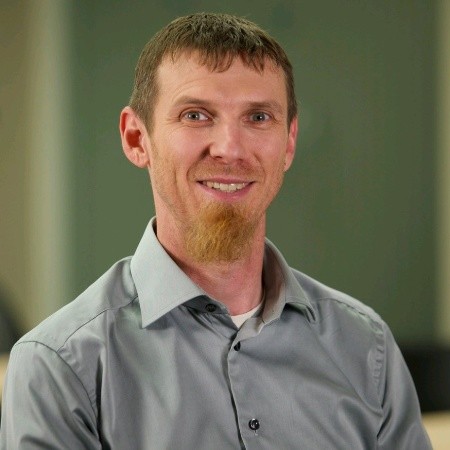
In order to be a great application developer, do you need to understand the stacks and orchestration? David Ward, CTO of Engineering and chief architect at Cisco Systems, Inc., argued that is not the goal. The underlying infrastructure is very complex, and if exposed to too much of it, an application developer may not write applications. Exposing that infrastructure is not the goal at Cisco Systems.
“The goal is that someone who’s building an application and designing services for customers can be a no-stack developer and all layers can go away, letting the infrastructure do their work,” said Ward.
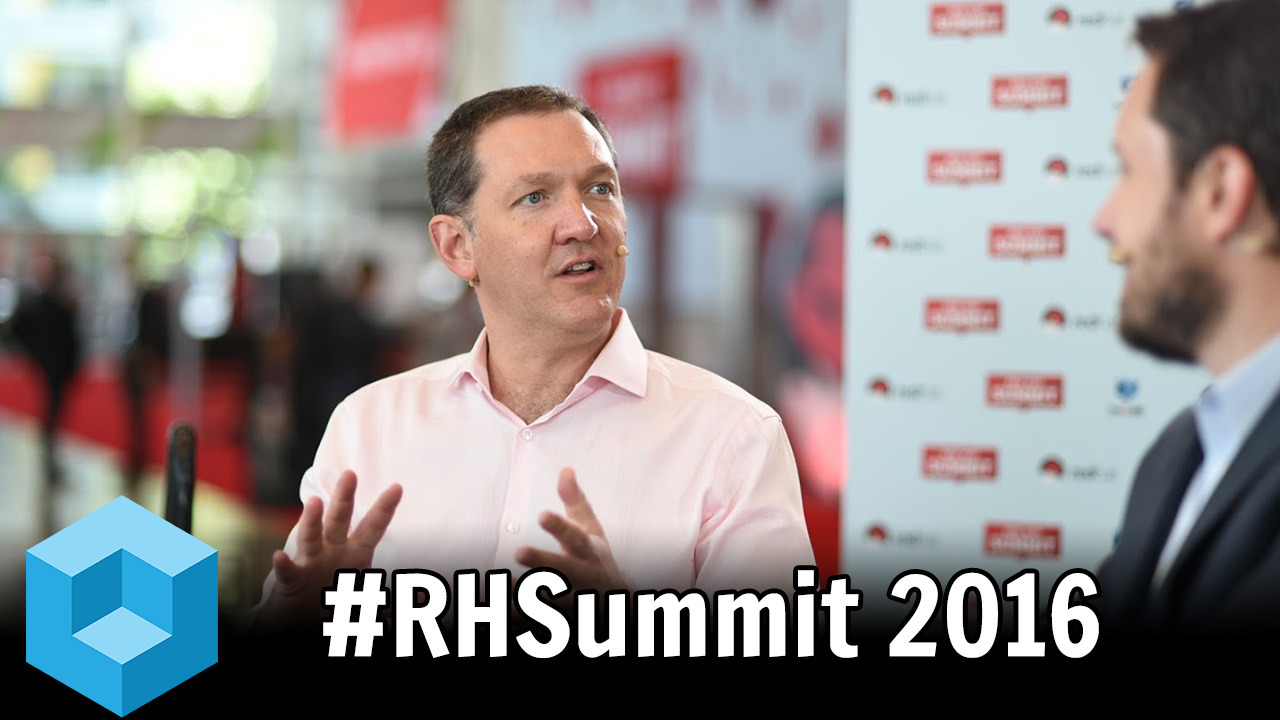
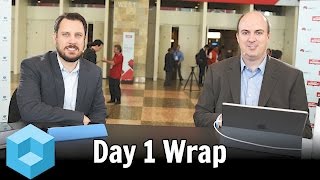
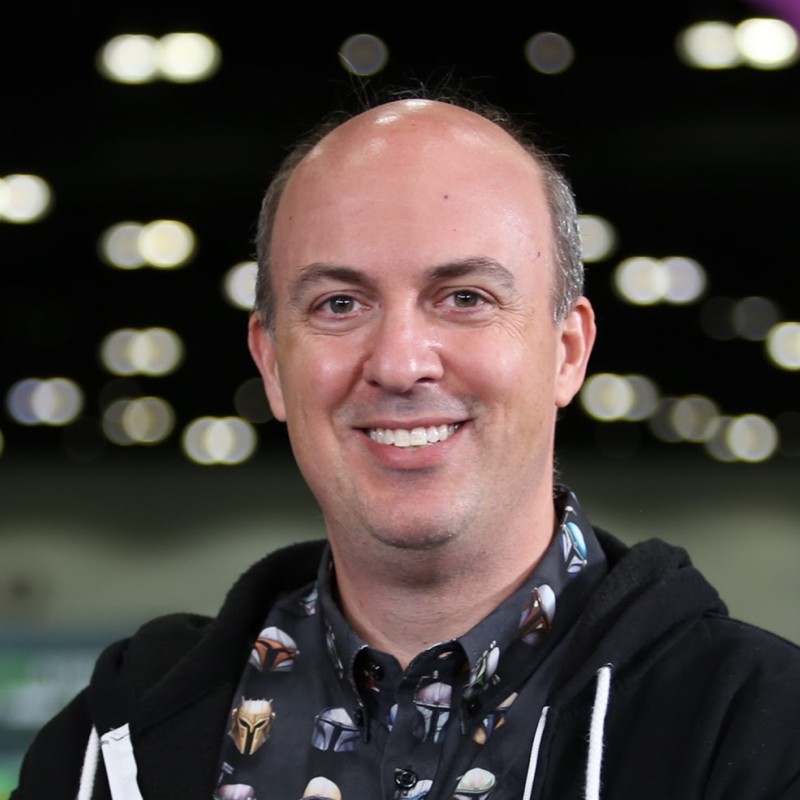
Ward was joined Chris Wright, VP and chief technologist, Office of Technology, at Red Hat, Inc. The pair were interviewed by Stu Miniman (@stu) and Brian Gracely (@bgracely), cohosts of theCUBE, from the SiliconANGLE Media team, during Red Hat Summit at the Moscone N & W in San Francisco, CA.
Development of containers in the open-source community
Open source was another theme of their discussion.
“All of development in container space is being done open source, and that’s one reason why we’re moving so fast. The pace of innovation is staggering,” said Wright. “The other reason is we’re leveraging 10 years of experience.”
The container networking may be a couple years behind virtualization, but that gap is quickly closing, especially with the innovation being done in the open-source community.
New careers emerging
In this rapidly developing industry, the way the jobs themselves look is also changing. There are jobs opening up that never existed before now, distributed across different organizations.
“There are careers emerging between the developers in the operationalizing orchestration stack and the services and workloads coming out. Networking engineers need to go in that space and learn fundamentally new skills,” said Ward. It’s truly an exciting and innovating time in the industry.
Forgot Password
Almost there!
We just sent you a verification email. Please verify your account to gain access to
Red Hat Summit 2016 | San Francisco. If you don’t think you received an email check your
spam folder.
In order to sign in, enter the email address you used to registered for the event. Once completed, you will receive an email with a verification link. Open this link to automatically sign into the site.
Register For Red Hat Summit 2016 | San Francisco
Please fill out the information below. You will recieve an email with a verification link confirming your registration. Click the link to automatically sign into the site.
You’re almost there!
We just sent you a verification email. Please click the verification button in the email. Once your email address is verified, you will have full access to all event content for Red Hat Summit 2016 | San Francisco.
I want my badge and interests to be visible to all attendees.
Checking this box will display your presense on the attendees list, view your profile and allow other attendees to contact you via 1-1 chat. Read the Privacy Policy. At any time, you can choose to disable this preference.
Select your Interests!
add
Upload your photo
Uploading..
OR
Connect via Twitter
Connect via Linkedin
EDIT PASSWORD
Share
Forgot Password
Almost there!
We just sent you a verification email. Please verify your account to gain access to
Red Hat Summit 2016 | San Francisco. If you don’t think you received an email check your
spam folder.
In order to sign in, enter the email address you used to registered for the event. Once completed, you will receive an email with a verification link. Open this link to automatically sign into the site.
Sign in to gain access to Red Hat Summit 2016 | San Francisco
Please sign in with LinkedIn to continue to Red Hat Summit 2016 | San Francisco. Signing in with LinkedIn ensures a professional environment.
Are you sure you want to remove access rights for this user?
Details
Manage Access
email address
Community Invitation
David Ward, Cisco & Chris Wright, Red Hat | Red Hat Summit 2016
01. David Ward, Cisco, visits #theCUBE!. (00:16)
02. Chris Wright, Red Hat, visits #theCUBE!. (00:39)
03. The "No Stack" Revolution. (01:25)
04. Red Hat's Application Focus. (03:33)
05. How Containers Fit in the No-Stack Discussion. (05:06)
06. Talking to Developers About the Network. (06:24)
07. Boiling it Down to Distributed Systems and Connectivity. (08:33)
08. The Magic of OpenSource in the Container Space. (09:56)
09. The Centralized Activities in Networking Still Exist. (13:46)
10. "NetOps". (14:51)
11. What's Next in Emerging Technologies. (16:36)
Track List created with http://www.vinjavideo.com.
--- ---
Container networking closing the gap on virtualization | #RHSummit
by Brittany Greaner | Jun 30, 2016
In order to be a great application developer, do you need to understand the stacks and orchestration? David Ward, CTO of Engineering and chief architect at Cisco Systems, Inc., argued that is not the goal. The underlying infrastructure is very complex, and if exposed to too much of it, an application developer may not write applications. Exposing that infrastructure is not the goal at Cisco Systems.
“The goal is that someone who’s building an application and designing services for customers can be a no-stack developer and all layers can go away, letting the infrastructure do their work,” said Ward.
Ward was joined Chris Wright, VP and chief technologist, Office of Technology, at Red Hat, Inc. The pair were interviewed by Stu Miniman (@stu) and Brian Gracely (@bgracely), cohosts of theCUBE, from the SiliconANGLE Media team, during Red Hat Summit at the Moscone N & W in San Francisco, CA.
Development of containers in the open-source community
Open source was another theme of their discussion.
“All of development in container space is being done open source, and that’s one reason why we’re moving so fast. The pace of innovation is staggering,” said Wright. “The other reason is we’re leveraging 10 years of experience.”
The container networking may be a couple years behind virtualization, but that gap is quickly closing, especially with the innovation being done in the open-source community.
New careers emerging
In this rapidly developing industry, the way the jobs themselves look is also changing. There are jobs opening up that never existed before now, distributed across different organizations.
“There are careers emerging between the developers in the operationalizing orchestration stack and the services and workloads coming out. Networking engineers need to go in that space and learn fundamentally new skills,” said Ward. It’s truly an exciting and innovating time in the industry.