01. Amy Fellows, Beth Isreal Deaconess , Visits #theCUBE!. (00:20)
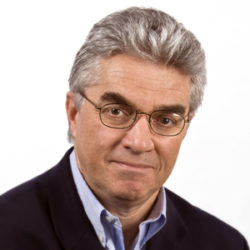
02. Doctor John Santa ,Beth Isreal Deaconess , Visits #theCUBE!. (00:34)
03. Liz Salmi, Brain Cancer Blogger, Visits #theCUBE!. (00:47)
04. Liz Give Us A Little About Your Background. (00:59)
05. Doctor Santa Tell Us About Open Notes. (01:59)
06. Amy Can You Tell Us About Open Patient Story And How You've Gotten Involved. (02:53)
07. What Conversations Are You Having With Doctors About Open Notes. (03:50)
08. Give Us The Patient Side Of This. (05:23)
09. Any Other Benefits From The Health Care Side Of Open Notes. (07:07)
10. How Do You Get More People Into This Program. (08:27)
11. How Important Is The Trust Factor. (10:09)
12. How Do People Find More Information. (12:13)
Track List created with http://www.vinjavideo.com.
--- ---
OpenNotes impacts quality of healthcare through data access | #RHSummit
by Brittany Greaner | Jun 28, 2016
Even the most routine visit to the doctor’s office can cause many people to worry, much less managing a serious chronic health condition. Oftentimes this nervousness combined with complicated instructions can cause patients leaving their appointments feeling overwhelmed and underprepared. A national initiative called OpenNotes is working to change that by allowing patients access to their doctor’s notes once they leave their appointment.
“It is a movement to bring openness to the healthcare system,” said John Santa, director of OpenNotes dissemination at Beth Israel Deaconess.
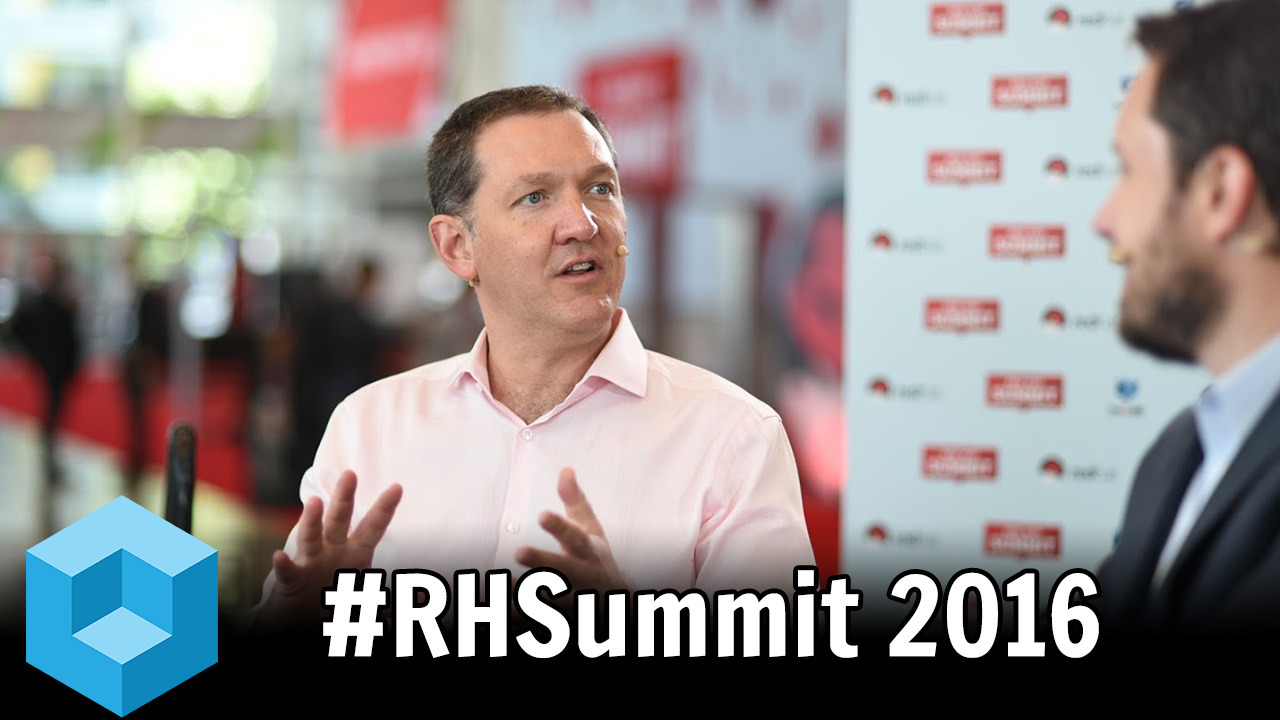
A panel of those working with OpenNotes joined Stu Miniman (@stu) and Brian Gracely (@bgracely), cohosts of theCUBE, from the SiliconANGLE Media team, during Red Hat Summit. Also joining Santa on the panel were Amy Fellows, owner and principal consultant of Fellows Health Connect, LLC; and Liz Salmi, a brain cancer blogger and director of communications for the Coalition for Compassionate Care of California.
Signs of success
OpenNotes certainly had an impressive test run, with 99 percent of the initial patients deciding they wanted to keep that access. They felt more engaged in their care, better able to take their medications as prescribed, and in the end, even the providers themselves decided to keep their notes open.
In terms of quality of care and safety, it even allows patients to catch errors in their own medical records, added Fellows. Now 7 million patients take advantage of the software.
Forming a partnership with your providers
After being diagnosed with brain cancer, Liz Salmi scourged the Internet looking for more information. Just like shopping for a big item, many people will look for opinions and experiences of people that had the same condition. Having the OpenNotes allows patients to compare what they were told with what they found elsewhere, instead of simply trying to recall the conversation. It keeps patients engaged and lets them “go back and have a two-way conversation [with their provider] about what [they’re] learning,” said Salmi.
Because of this, the relationship becomes more of a partnership toward a common goal, and more trust is formed. OpenNotes “works out well. Getting people to trust it is hard,” said Santa. “It involves [doctors] giving up control, which goes against their nature. We are working to overcome that.”
In the end, it’s the patients who have control, and Santa urges any patient to ask for their notes. Individual patients can have the most impact on whether or not providers try this new way of operating.
Forgot Password
Almost there!
We just sent you a verification email. Please verify your account to gain access to
Red Hat Summit 2016 | San Francisco. If you don’t think you received an email check your
spam folder.
In order to sign in, enter the email address you used to registered for the event. Once completed, you will receive an email with a verification link. Open this link to automatically sign into the site.
Register For Red Hat Summit 2016 | San Francisco
Please fill out the information below. You will recieve an email with a verification link confirming your registration. Click the link to automatically sign into the site.
You’re almost there!
We just sent you a verification email. Please click the verification button in the email. Once your email address is verified, you will have full access to all event content for Red Hat Summit 2016 | San Francisco.
I want my badge and interests to be visible to all attendees.
Checking this box will display your presense on the attendees list, view your profile and allow other attendees to contact you via 1-1 chat. Read the Privacy Policy. At any time, you can choose to disable this preference.
Select your Interests!
add
Upload your photo
Uploading..
OR
Connect via Twitter
Connect via Linkedin
EDIT PASSWORD
Share
Forgot Password
Almost there!
We just sent you a verification email. Please verify your account to gain access to
Red Hat Summit 2016 | San Francisco. If you don’t think you received an email check your
spam folder.
In order to sign in, enter the email address you used to registered for the event. Once completed, you will receive an email with a verification link. Open this link to automatically sign into the site.
Sign in to gain access to Red Hat Summit 2016 | San Francisco
Please sign in with LinkedIn to continue to Red Hat Summit 2016 | San Francisco. Signing in with LinkedIn ensures a professional environment.
Are you sure you want to remove access rights for this user?
Details
Manage Access
email address
Community Invitation
Amy Fellows, John Santa & Liz Salmi - Red Hat Summit 2016 - #theCUBE
01. Amy Fellows, Beth Isreal Deaconess , Visits #theCUBE!. (00:20)
02. Doctor John Santa ,Beth Isreal Deaconess , Visits #theCUBE!. (00:34)
03. Liz Salmi, Brain Cancer Blogger, Visits #theCUBE!. (00:47)
04. Liz Give Us A Little About Your Background. (00:59)
05. Doctor Santa Tell Us About Open Notes. (01:59)
06. Amy Can You Tell Us About Open Patient Story And How You've Gotten Involved. (02:53)
07. What Conversations Are You Having With Doctors About Open Notes. (03:50)
08. Give Us The Patient Side Of This. (05:23)
09. Any Other Benefits From The Health Care Side Of Open Notes. (07:07)
10. How Do You Get More People Into This Program. (08:27)
11. How Important Is The Trust Factor. (10:09)
12. How Do People Find More Information. (12:13)
Track List created with http://www.vinjavideo.com.
--- ---
OpenNotes impacts quality of healthcare through data access | #RHSummit
by Brittany Greaner | Jun 28, 2016
Even the most routine visit to the doctor’s office can cause many people to worry, much less managing a serious chronic health condition. Oftentimes this nervousness combined with complicated instructions can cause patients leaving their appointments feeling overwhelmed and underprepared. A national initiative called OpenNotes is working to change that by allowing patients access to their doctor’s notes once they leave their appointment.
“It is a movement to bring openness to the healthcare system,” said John Santa, director of OpenNotes dissemination at Beth Israel Deaconess.
A panel of those working with OpenNotes joined Stu Miniman (@stu) and Brian Gracely (@bgracely), cohosts of theCUBE, from the SiliconANGLE Media team, during Red Hat Summit. Also joining Santa on the panel were Amy Fellows, owner and principal consultant of Fellows Health Connect, LLC; and Liz Salmi, a brain cancer blogger and director of communications for the Coalition for Compassionate Care of California.
Signs of success
OpenNotes certainly had an impressive test run, with 99 percent of the initial patients deciding they wanted to keep that access. They felt more engaged in their care, better able to take their medications as prescribed, and in the end, even the providers themselves decided to keep their notes open.
In terms of quality of care and safety, it even allows patients to catch errors in their own medical records, added Fellows. Now 7 million patients take advantage of the software.
Forming a partnership with your providers
After being diagnosed with brain cancer, Liz Salmi scourged the Internet looking for more information. Just like shopping for a big item, many people will look for opinions and experiences of people that had the same condition. Having the OpenNotes allows patients to compare what they were told with what they found elsewhere, instead of simply trying to recall the conversation. It keeps patients engaged and lets them “go back and have a two-way conversation [with their provider] about what [they’re] learning,” said Salmi.
Because of this, the relationship becomes more of a partnership toward a common goal, and more trust is formed. OpenNotes “works out well. Getting people to trust it is hard,” said Santa. “It involves [doctors] giving up control, which goes against their nature. We are working to overcome that.”
In the end, it’s the patients who have control, and Santa urges any patient to ask for their notes. Individual patients can have the most impact on whether or not providers try this new way of operating.