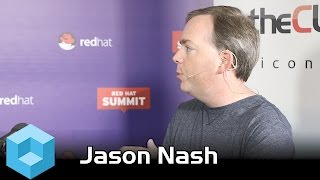
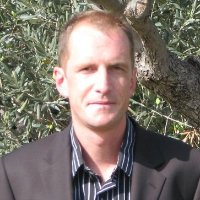
01. Dietmar Fauser, Amadeus, Visits #theCUBE. (00:20)
02. Amadeus Provides IT Solutions to the Travel Industry. (00:39)
03. Ensuring Amadeus Is Ready for the New Tehnology. (02:18)
04. Tying Together DevOps and Existing Apps and Infrastructure. (03:50)
05. Benefits of Using Docker at Amadeus. (06:44)
06. Containers Won't Add Additional Security Risks. (09:06)
07. Simplification and Automation of Operational Environments. (10:03)
08. Database Technology and Oracle Offerings. (12:51)
09. Customers Trust in Amadeus. (18:08)
10. Evaluating and Validating Vendor Solutions. (19:57)
11. Using Hadoop as Part of the Data Strategy. (25:010)
Track List created with http://www.vinjavideo.com.
--- ---
Technology massively disrupts travel industry | #RHSummit
by Elizabeth Kays | Jun 30, 2015
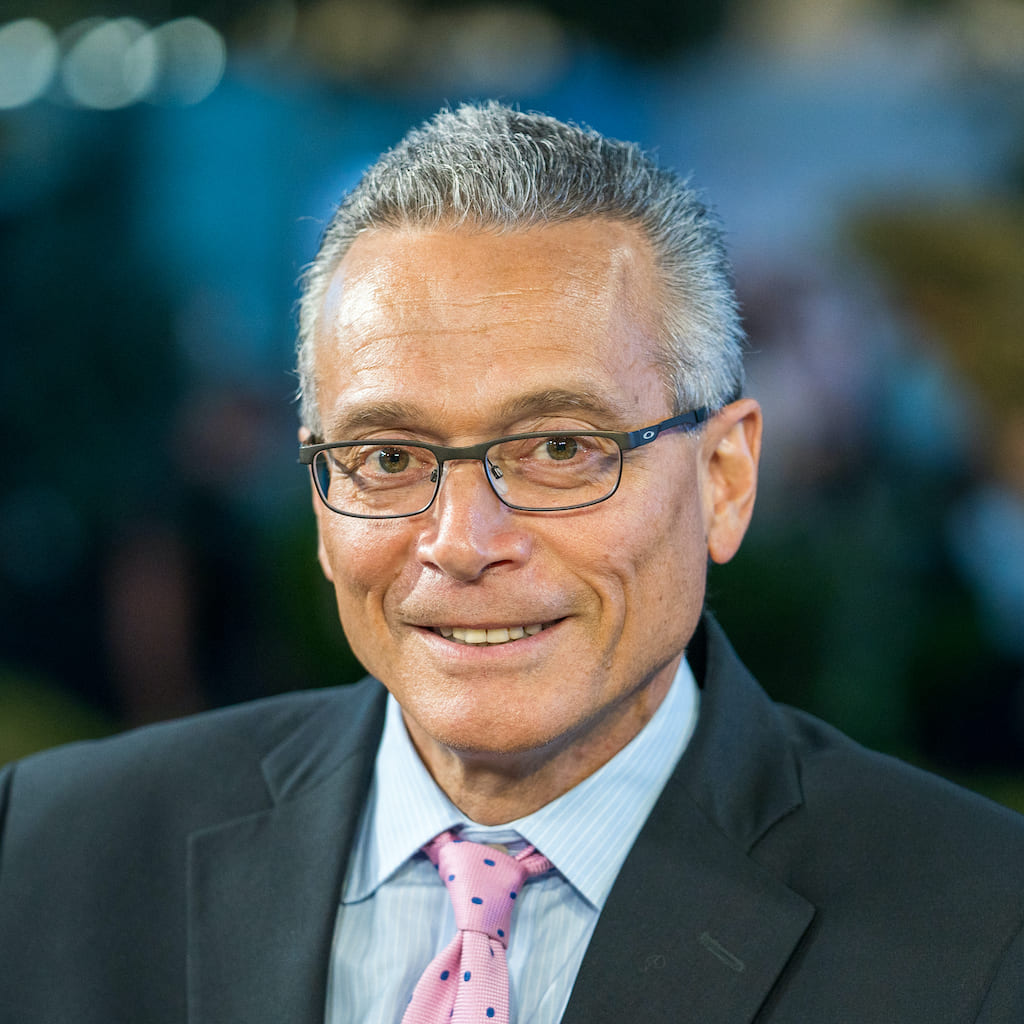
Technology is massively disrupting the travel industry by connecting consumers and providers more and more directly. Companies like Airbnb, Inc. get all the press, but Dietmar Fauser, VP of Architecture, Quality and Governance at Amadeus IT Group, said in an interview with theCUBE during Red Hat Summit 2015 that his company is also responding to changes in the market.
“We are a company providing IT solutions to the travel industry,” Fauser said. “Traditionally, Amadeus is what we call a distribution system, so we link what we call providers and subscribers, so travel agencies, online travel agencies, TMCs (Travel Management Companies) … with the providers that are essentially airlines, hotel chains, car rental companies, cruise lines, whoever has a product to sell. So it’s really a kind of an electronic marketplace that matches the demand and the offering in the industry.”
Simplification and automation of operational environment
Amadeus has been around for decades and used to provide connection terminals before the Internet became mainstream.
“So the principle objective is simplification and automation of our operational environment,” Fauser said.
Its main focus is reducing the number of decisions that human operators have to make about workload balancing and other IT tasks using containers and open-source operating systems.
Fauser also addressed the question of whether open-source and Cloud can ever match the reliability of full-stack architecture.
“The biggest Cloud environments are built on open technology, so Google Compute Engine, AWS, there is a lot of open-source technology in there,” he explained. “Secondly, there are indications that in the future, some of our giants might ask us to run the solutions not in our data center, but closer to a given booking source, for example. Like a lot of other companies, there might be a need to distribute the computing and not to master the infrastructure over which you run it ultimately … and it’s really important to decouple the applications from the underlying infrastructure.”
Forgot Password
Almost there!
We just sent you a verification email. Please verify your account to gain access to
Red Hat Summit 2015 | Boston. If you don’t think you received an email check your
spam folder.
In order to sign in, enter the email address you used to registered for the event. Once completed, you will receive an email with a verification link. Open this link to automatically sign into the site.
Register For Red Hat Summit 2015 | Boston
Please fill out the information below. You will recieve an email with a verification link confirming your registration. Click the link to automatically sign into the site.
You’re almost there!
We just sent you a verification email. Please click the verification button in the email. Once your email address is verified, you will have full access to all event content for Red Hat Summit 2015 | Boston.
I want my badge and interests to be visible to all attendees.
Checking this box will display your presense on the attendees list, view your profile and allow other attendees to contact you via 1-1 chat. Read the Privacy Policy. At any time, you can choose to disable this preference.
Select your Interests!
add
Upload your photo
Uploading..
OR
Connect via Twitter
Connect via Linkedin
EDIT PASSWORD
Share
Forgot Password
Almost there!
We just sent you a verification email. Please verify your account to gain access to
Red Hat Summit 2015 | Boston. If you don’t think you received an email check your
spam folder.
In order to sign in, enter the email address you used to registered for the event. Once completed, you will receive an email with a verification link. Open this link to automatically sign into the site.
Sign in to gain access to Red Hat Summit 2015 | Boston
Please sign in with LinkedIn to continue to Red Hat Summit 2015 | Boston. Signing in with LinkedIn ensures a professional environment.
Are you sure you want to remove access rights for this user?
Details
Manage Access
email address
Community Invitation
Dietmar Fauser - Red Hat Summit 2015 - theCUBE
01. Dietmar Fauser, Amadeus, Visits #theCUBE. (00:20)
02. Amadeus Provides IT Solutions to the Travel Industry. (00:39)
03. Ensuring Amadeus Is Ready for the New Tehnology. (02:18)
04. Tying Together DevOps and Existing Apps and Infrastructure. (03:50)
05. Benefits of Using Docker at Amadeus. (06:44)
06. Containers Won't Add Additional Security Risks. (09:06)
07. Simplification and Automation of Operational Environments. (10:03)
08. Database Technology and Oracle Offerings. (12:51)
09. Customers Trust in Amadeus. (18:08)
10. Evaluating and Validating Vendor Solutions. (19:57)
11. Using Hadoop as Part of the Data Strategy. (25:010)
Track List created with http://www.vinjavideo.com.
--- ---
Technology massively disrupts travel industry | #RHSummit
by Elizabeth Kays | Jun 30, 2015
Technology is massively disrupting the travel industry by connecting consumers and providers more and more directly. Companies like Airbnb, Inc. get all the press, but Dietmar Fauser, VP of Architecture, Quality and Governance at Amadeus IT Group, said in an interview with theCUBE during Red Hat Summit 2015 that his company is also responding to changes in the market.
“We are a company providing IT solutions to the travel industry,” Fauser said. “Traditionally, Amadeus is what we call a distribution system, so we link what we call providers and subscribers, so travel agencies, online travel agencies, TMCs (Travel Management Companies) … with the providers that are essentially airlines, hotel chains, car rental companies, cruise lines, whoever has a product to sell. So it’s really a kind of an electronic marketplace that matches the demand and the offering in the industry.”
Simplification and automation of operational environment
Amadeus has been around for decades and used to provide connection terminals before the Internet became mainstream.
“So the principle objective is simplification and automation of our operational environment,” Fauser said.
Its main focus is reducing the number of decisions that human operators have to make about workload balancing and other IT tasks using containers and open-source operating systems.
Fauser also addressed the question of whether open-source and Cloud can ever match the reliability of full-stack architecture.
“The biggest Cloud environments are built on open technology, so Google Compute Engine, AWS, there is a lot of open-source technology in there,” he explained. “Secondly, there are indications that in the future, some of our giants might ask us to run the solutions not in our data center, but closer to a given booking source, for example. Like a lot of other companies, there might be a need to distribute the computing and not to master the infrastructure over which you run it ultimately … and it’s really important to decouple the applications from the underlying infrastructure.”