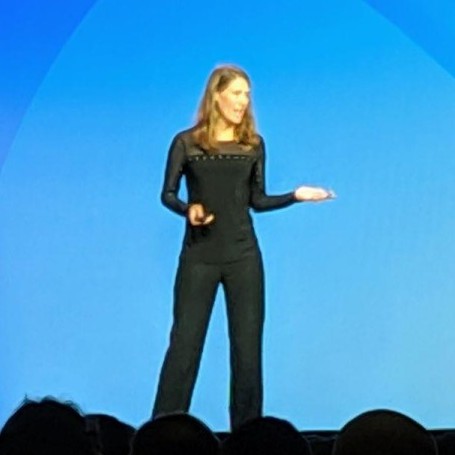
DeLisa Alexander, EVP and Chief People Officer at Red Hat,
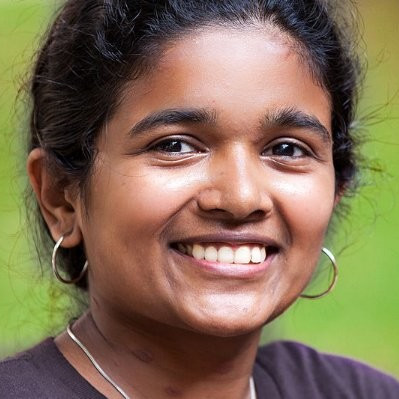
Netha Hussain, Doctor and Ph.D. candidate in Clinical Neuroscience at University of Gothenberg,
and Megan Byrd-Sanicki, Manager, Research and Operations, Open Source Program Office at Google sit down with Stu Miniman for Red Hat Summit 2020.
#RHSummit #RedHat #theCUBE
https://siliconangle.com/2020/04/29/red-hat-honors-womens-contributions-to-open-source-community-rhsummit-womenintech/
Red Hat honors women’s contributions to open-source community
A couple of decades ago, the thought of open-source software being embraced by traditional enterprise was almost laughable. But, as the value of collaboration becomes accepted by the corporate world, companies are increasingly putting diverse sets’ of open-source experts on the payroll.
“Open source is no longer the disruptor,” said DeLisa Alexander (pictured, left), executive vice president and chief people officer at Red Hat Inc. “Now, you think about most companies, there is some form of open source that is part of their infrastructure.”
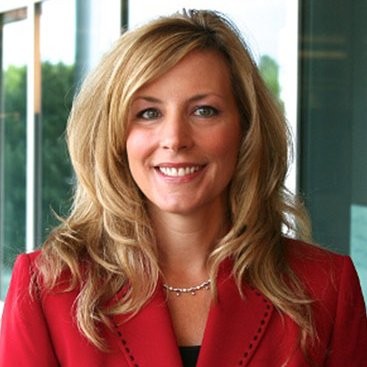
Alexander spoke with Stu Miniman, host of theCUBE, SiliconANGLE Media’s mobile livestreaming studio, during the Red Hat Summit Virtual Experience. They introduced the recipients of the 2020 Women in Open Source Awards and discussed how Red Hat is encouraging diversity and inclusion in open-source communities. During the interview, Miniman also spoke with award winners Megan Byrd-Sanicki (right), manager of research and operations for Google LLC’s Open Source Program Office and Netha Hussain (center), Ph.D. candidate in clinical neuroscience at the University of Gothenburg in Sweden. (* Disclosure below.)
“As the open source leader, we wanted to shine a light on the contributions that some of our underrepresented populations are making in open source,” Alexander said. “The tech industry is a great industry for diverse populations, but a lot of diverse population don’t realize that.”
This week theCUBE spotlights Women in Open Source Award winners Megan Byrd-Sanicki and Netha Hussa in its Women in Tech feature.
Byrd-Sanicki honored for creating sustainable open-source communities
The Women in Open Source Awards are presented in two categories: Community and Student. Byrd-Sanicki was selected as this year’s Community award winner based on her commitment to open source over more than a decade, both in her current position at Google and her past work at educational non-profit Drupal Association.
“I had been with Drupal for eight years helping to build that foundation and supporting that community in lots of different ways from fundraising to community events, running sprints, and helping with their developer tools,” she said.
Google is “an expression of open-source,” with “thousands of people using thousands of projects” according to Byrd-Sanicki. Her current responsibilities at the Open Source Program Office include making sure all open-source contributors within Google feel supported, do quality work, and are good citizens within the projects they participate in.
Hussain advocates for open research
Student award winner Hussain was recognized for her involvement with open-source projects started long before her current research.
“There are multiple ways by which I have engaged with open source,” she said, describing how she started by editing Wikipedia entries and contributing articles on medicine and healthcare before moving onto collecting study data on stroke patient recovery for her Ph.D. Study participants wear virtual reality headsets to play a “game” that involves reaching out to touch virtual objects in space. The data is then analyzed to track the patient’s recovery. To improve her research, Hussain uses an open-source tool that enables her to look inside the code of the VR app for detailed statistics.
“For example, [if] I would like to know the size of the target that is shown in the original space, I can know that correctly to the millimeter because it’s available to me in open source,” she explained.
Alongside tools that assist research, Hussain is part of a group of academics that advocate making all research open source. Not only is there a call for papers to be available in open-access journals, but “researchers want to have their data put in some open data repository so that everybody can have a look at it and do analysis on the data and build up on that data,” Hussain stated.
Open source and COVID-19 research
Both Byrd-Sanicki and Hussain are working on open-source projects to help gather and disseminate data on the SARS-CoV-2 virus strain.
...
Here’s the complete video interview, part of SiliconANGLE’s and theCUBE’s coverage of the Red Hat Summit Virtual Experience. (* Disclosure: TheCUBE is a paid media partner for the Red Hat Summit Virtual Experience. Neither Red Hat, the sponsor for theCUBE’s event coverage, nor other sponsors have editorial control over content on theCUBE or SiliconANGLE.)
Forgot Password
Almost there!
We just sent you a verification email. Please verify your account to gain access to
Red Hat Summit 2020 | Digital. If you don’t think you received an email check your
spam folder.
In order to sign in, enter the email address you used to registered for the event. Once completed, you will receive an email with a verification link. Open this link to automatically sign into the site.
Register For Red Hat Summit 2020 | Digital
Please fill out the information below. You will recieve an email with a verification link confirming your registration. Click the link to automatically sign into the site.
You’re almost there!
We just sent you a verification email. Please click the verification button in the email. Once your email address is verified, you will have full access to all event content for Red Hat Summit 2020 | Digital.
I want my badge and interests to be visible to all attendees.
Checking this box will display your presense on the attendees list, view your profile and allow other attendees to contact you via 1-1 chat. Read the Privacy Policy. At any time, you can choose to disable this preference.
Select your Interests!
add
Upload your photo
Uploading..
OR
Connect via Twitter
Connect via Linkedin
EDIT PASSWORD
Share
Forgot Password
Almost there!
We just sent you a verification email. Please verify your account to gain access to
Red Hat Summit 2020 | Digital. If you don’t think you received an email check your
spam folder.
In order to sign in, enter the email address you used to registered for the event. Once completed, you will receive an email with a verification link. Open this link to automatically sign into the site.
Sign in to gain access to Red Hat Summit 2020 | Digital
Please sign in with LinkedIn to continue to Red Hat Summit 2020 | Digital. Signing in with LinkedIn ensures a professional environment.
Are you sure you want to remove access rights for this user?
Details
Manage Access
email address
Community Invitation
DeLisa Alexander, Netha Hussain, Megan Byrd-Sanicki | Red Hat Summit 2020
DeLisa Alexander, EVP and Chief People Officer at Red Hat,
Netha Hussain, Doctor and Ph.D. candidate in Clinical Neuroscience at University of Gothenberg,
and Megan Byrd-Sanicki, Manager, Research and Operations, Open Source Program Office at Google sit down with Stu Miniman for Red Hat Summit 2020.
#RHSummit #RedHat #theCUBE
https://siliconangle.com/2020/04/29/red-hat-honors-womens-contributions-to-open-source-community-rhsummit-womenintech/
Red Hat honors women’s contributions to open-source community
A couple of decades ago, the thought of open-source software being embraced by traditional enterprise was almost laughable. But, as the value of collaboration becomes accepted by the corporate world, companies are increasingly putting diverse sets’ of open-source experts on the payroll.
“Open source is no longer the disruptor,” said DeLisa Alexander (pictured, left), executive vice president and chief people officer at Red Hat Inc. “Now, you think about most companies, there is some form of open source that is part of their infrastructure.”
Alexander spoke with Stu Miniman, host of theCUBE, SiliconANGLE Media’s mobile livestreaming studio, during the Red Hat Summit Virtual Experience. They introduced the recipients of the 2020 Women in Open Source Awards and discussed how Red Hat is encouraging diversity and inclusion in open-source communities. During the interview, Miniman also spoke with award winners Megan Byrd-Sanicki (right), manager of research and operations for Google LLC’s Open Source Program Office and Netha Hussain (center), Ph.D. candidate in clinical neuroscience at the University of Gothenburg in Sweden. (* Disclosure below.)
“As the open source leader, we wanted to shine a light on the contributions that some of our underrepresented populations are making in open source,” Alexander said. “The tech industry is a great industry for diverse populations, but a lot of diverse population don’t realize that.”
This week theCUBE spotlights Women in Open Source Award winners Megan Byrd-Sanicki and Netha Hussa in its Women in Tech feature.
Byrd-Sanicki honored for creating sustainable open-source communities
The Women in Open Source Awards are presented in two categories: Community and Student. Byrd-Sanicki was selected as this year’s Community award winner based on her commitment to open source over more than a decade, both in her current position at Google and her past work at educational non-profit Drupal Association.
“I had been with Drupal for eight years helping to build that foundation and supporting that community in lots of different ways from fundraising to community events, running sprints, and helping with their developer tools,” she said.
Google is “an expression of open-source,” with “thousands of people using thousands of projects” according to Byrd-Sanicki. Her current responsibilities at the Open Source Program Office include making sure all open-source contributors within Google feel supported, do quality work, and are good citizens within the projects they participate in.
Hussain advocates for open research
Student award winner Hussain was recognized for her involvement with open-source projects started long before her current research.
“There are multiple ways by which I have engaged with open source,” she said, describing how she started by editing Wikipedia entries and contributing articles on medicine and healthcare before moving onto collecting study data on stroke patient recovery for her Ph.D. Study participants wear virtual reality headsets to play a “game” that involves reaching out to touch virtual objects in space. The data is then analyzed to track the patient’s recovery. To improve her research, Hussain uses an open-source tool that enables her to look inside the code of the VR app for detailed statistics.
“For example, [if] I would like to know the size of the target that is shown in the original space, I can know that correctly to the millimeter because it’s available to me in open source,” she explained.
Alongside tools that assist research, Hussain is part of a group of academics that advocate making all research open source. Not only is there a call for papers to be available in open-access journals, but “researchers want to have their data put in some open data repository so that everybody can have a look at it and do analysis on the data and build up on that data,” Hussain stated.
Open source and COVID-19 research
Both Byrd-Sanicki and Hussain are working on open-source projects to help gather and disseminate data on the SARS-CoV-2 virus strain.
...
Here’s the complete video interview, part of SiliconANGLE’s and theCUBE’s coverage of the Red Hat Summit Virtual Experience. (* Disclosure: TheCUBE is a paid media partner for the Red Hat Summit Virtual Experience. Neither Red Hat, the sponsor for theCUBE’s event coverage, nor other sponsors have editorial control over content on theCUBE or SiliconANGLE.)