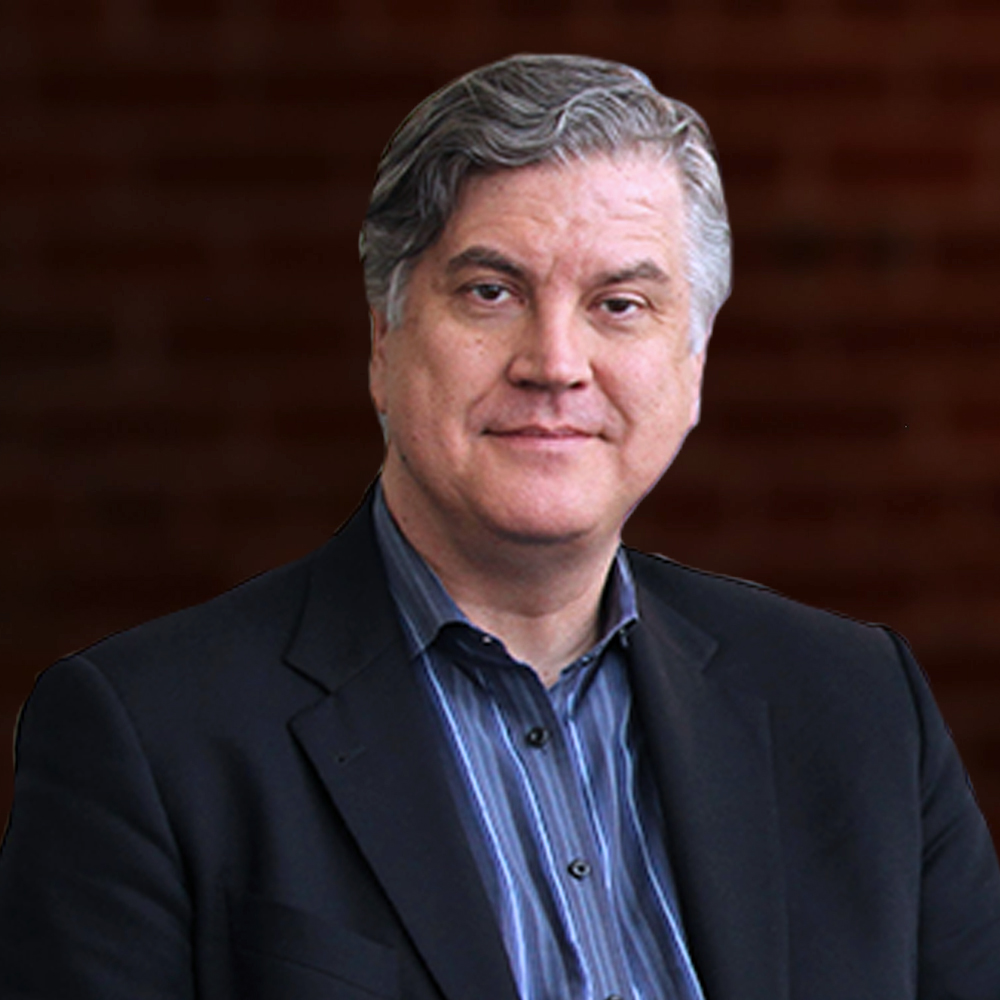
Larry Socher joins theCUBE John Troyer (@jtroyer) live from Red Hat Summit 2018
#RHSummit #theCUBE
https://siliconangle.com/2018/05/15/accenture-leverages-own-platform-to-integrate-public-and-private-cloud-services-rhsummit/
Accenture leverages own platform to integrate public and private cloud services
As one of the world’s leading global professional services companies, Accenture has a ringside seat to the changes taking place in today’s information technology industry. Clients ranging from small businesses to the largest multinationals are looking for ways to drive agile application development in both the public and private cloud-based worlds at scale and quickly.
Accenture’s multicloud management platform is designed to manage business services across multiple cloud environments on demand and at speed, because data centers are not going away anytime soon.
“A lot of our clients have significant investments in their data centers and infrastructures,” said Larry Socher (pictured), global managing director of infrastructure services growth and strategy at Accenture. “We’ve been using our Accenture Cloud Platform to integrate the public providers now into the private side with OpenShift and VMware. Ultimately, our clients are going to end up with hybrid environments.”
Socher spoke with John Troyer (@jtroyer), guest host of theCUBE, SiliconANGLE Media’s mobile livestreaming studio, at Red Hat Summit in San Francisco. They discussed the use of Red Hat Inc.’s tools to create agile networks for Accenture clients and challenges faced by chief information officers in managing infrastructure demands. (* Disclosure below.)
Not exactly lift and shift
Accenture’s experience in cloud migration for its clients runs counter to the notion of “lift and shift,” a process where information technology departments can simply move entire application portfolios and operations from one environment to another. The firm has integrated the Red Hat OpenShift Container Platform with Accenture’s DevOps Platform to help clients create more agile architectures.
“Either for data gravity or compliance reasons, there’s certain applications they just can’t move into public environments,” Socher explained. “OpenShift becomes a very attractive alternative to start developing applications that can then run in a private environment, as well as bringing up Amazon and Azure.”
Working with CIOs in many different industries, Socher has seen firsthand the difficulties encountered in balancing the needs of application developers with the infrastructure to run the business.
“Their biggest challenges are the culture and the operating model,” Socher said. “You could have an app team doing two-week sprints, they’re ready to drop code, and all of sudden they have to wait 12 weeks for the infrastructure to catch up. We’ve been spending time looking at how to enable software-defined infrastructure now to do infrastructure as code.”
Watch the complete video interview below, and be sure to check out more of SiliconANGLE’s and theCUBE’s coverage of the Red Hat Summit event. (* Disclosure: TheCUBE is a paid media partner for Red Hat Summit. Neither Red Hat Inc., the event sponsor, nor other sponsors have editorial control over content on theCUBE or SiliconANGLE.)
Forgot Password
Almost there!
We just sent you a verification email. Please verify your account to gain access to
Red Hat Summit 2018 | San Francisco. If you don’t think you received an email check your
spam folder.
In order to sign in, enter the email address you used to registered for the event. Once completed, you will receive an email with a verification link. Open this link to automatically sign into the site.
Register For Red Hat Summit 2018 | San Francisco
Please fill out the information below. You will recieve an email with a verification link confirming your registration. Click the link to automatically sign into the site.
You’re almost there!
We just sent you a verification email. Please click the verification button in the email. Once your email address is verified, you will have full access to all event content for Red Hat Summit 2018 | San Francisco.
I want my badge and interests to be visible to all attendees.
Checking this box will display your presense on the attendees list, view your profile and allow other attendees to contact you via 1-1 chat. Read the Privacy Policy. At any time, you can choose to disable this preference.
Select your Interests!
add
Upload your photo
Uploading..
OR
Connect via Twitter
Connect via Linkedin
EDIT PASSWORD
Share
Forgot Password
Almost there!
We just sent you a verification email. Please verify your account to gain access to
Red Hat Summit 2018 | San Francisco. If you don’t think you received an email check your
spam folder.
In order to sign in, enter the email address you used to registered for the event. Once completed, you will receive an email with a verification link. Open this link to automatically sign into the site.
Sign in to gain access to Red Hat Summit 2018 | San Francisco
Please sign in with LinkedIn to continue to Red Hat Summit 2018 | San Francisco. Signing in with LinkedIn ensures a professional environment.
Are you sure you want to remove access rights for this user?
Details
Manage Access
email address
Community Invitation
Larry Socher, Accenture | Red Hat Summit 2018
Larry Socher joins theCUBE John Troyer (@jtroyer) live from Red Hat Summit 2018
#RHSummit #theCUBE
https://siliconangle.com/2018/05/15/accenture-leverages-own-platform-to-integrate-public-and-private-cloud-services-rhsummit/
Accenture leverages own platform to integrate public and private cloud services
As one of the world’s leading global professional services companies, Accenture has a ringside seat to the changes taking place in today’s information technology industry. Clients ranging from small businesses to the largest multinationals are looking for ways to drive agile application development in both the public and private cloud-based worlds at scale and quickly.
Accenture’s multicloud management platform is designed to manage business services across multiple cloud environments on demand and at speed, because data centers are not going away anytime soon.
“A lot of our clients have significant investments in their data centers and infrastructures,” said Larry Socher (pictured), global managing director of infrastructure services growth and strategy at Accenture. “We’ve been using our Accenture Cloud Platform to integrate the public providers now into the private side with OpenShift and VMware. Ultimately, our clients are going to end up with hybrid environments.”
Socher spoke with John Troyer (@jtroyer), guest host of theCUBE, SiliconANGLE Media’s mobile livestreaming studio, at Red Hat Summit in San Francisco. They discussed the use of Red Hat Inc.’s tools to create agile networks for Accenture clients and challenges faced by chief information officers in managing infrastructure demands. (* Disclosure below.)
Not exactly lift and shift
Accenture’s experience in cloud migration for its clients runs counter to the notion of “lift and shift,” a process where information technology departments can simply move entire application portfolios and operations from one environment to another. The firm has integrated the Red Hat OpenShift Container Platform with Accenture’s DevOps Platform to help clients create more agile architectures.
“Either for data gravity or compliance reasons, there’s certain applications they just can’t move into public environments,” Socher explained. “OpenShift becomes a very attractive alternative to start developing applications that can then run in a private environment, as well as bringing up Amazon and Azure.”
Working with CIOs in many different industries, Socher has seen firsthand the difficulties encountered in balancing the needs of application developers with the infrastructure to run the business.
“Their biggest challenges are the culture and the operating model,” Socher said. “You could have an app team doing two-week sprints, they’re ready to drop code, and all of sudden they have to wait 12 weeks for the infrastructure to catch up. We’ve been spending time looking at how to enable software-defined infrastructure now to do infrastructure as code.”
Watch the complete video interview below, and be sure to check out more of SiliconANGLE’s and theCUBE’s coverage of the Red Hat Summit event. (* Disclosure: TheCUBE is a paid media partner for Red Hat Summit. Neither Red Hat Inc., the event sponsor, nor other sponsors have editorial control over content on theCUBE or SiliconANGLE.)