David Tennenhouse, Chief Research Officer, VMware, sits down with John Furrier at VMware Radio 2018 in San Francisco, CA
#Radio #theCUBE
https://siliconangle.com/2018/06/04/vmwares-radio-playlist-rd-gateways-containers-blockchain-radio/
On VMware’s Radio playlist: R&D gateways, containers and blockchain
Technology companies by nature generally prefer to keep research and development projects pretty close to the vest. Silicon Valley R&D labs usually have more layers of security than weapons of world domination in a “Mission Impossible” film, and the public rarely sees what goes on behind the curtain until a company is ready to reveal new products or innovative advances to the global community.
By this standard, VMware Inc. made a recent decision to be anything but typical. Since 2001, the cloud computing and virtualization software provider has brought only engineers to Radio, the company’s “Research And Development Innovation Offsite.” This year, the company pulled back the curtain and invited media and analysts to join the fun for the first time at its Radio 2018 event in San Francisco.
While visitors to Radio’s expo floor had to sign non-disclosure agreements, VMware held keynote sessions and made executives available to talk in general terms about future projects under consideration. And one of the company’s top research executives made it clear the growth of Radio to now include over 1,700 attendees from 25 countries was a positive and necessary step for future innovation.
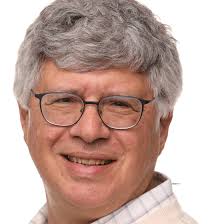
“This is really for the developers, by the developers,” said David Tennenhouse (pictured), chief research officer of VMware. “When you’re working on innovation, you want a breadth component. You want everybody doing a little.”
Tennenhouse spoke with John Furrier (@furrier), host of theCUBE, SiliconANGLE Media’s mobile livestreaming studio, during the Radio 2018 event. They discussed enterprise mobility technology, the company’s foray into the public cloud, a project to clone virtual machines, blockchain’s potential, and the need for risk taking. (* Disclosure below.)
This week theCUBE features David Tennenhouse as our Guest of the Week.
AirWatch powers enterprise mobility
To better understand where VMware may be headed, it’s instructive to look at where the company has been. One guidepost can be found in the company’s 2014 acquisition of AirWatch, a specialist in the management of apps and data on mobile devices.
Since the purchase, AirWatch has become a key element of VMware’s enterprise mobility management strategy, which has grown in significance as more connected devices move to the edge and the “internet of things” generates increasing amounts of valuable data.
“We’re working hard … to get that presence right at the edge of the gateways that bridge between the things that connect to the physical world and bring it into the virtual world,” Tennenhouse said. “I think that’s strategically really key because it gives us a little bit of presence on the edge devices that touch people.”
vCloud Air built partnerships
Another glance back in time looks at VMware’s decision to become a public cloud provider. vCloud Air was designed to provide hybrid cloud service and was rebranded in 2014.
The cloud venture did not go well. In 2015, Wikibon published a report that raised questions about the platform’s long-term viability. VMware sold its vCloud Air division to the French hosting firm OVH two years later.
Yet, VMware was able to channel its growing cloud services business into the relationships it built while running vCloud Air. Rather than offering one public cloud to many, the company today provides services to thousands in the cloud space.
“We’ve got literally thousands of people running public clouds in either specialized markets or particular countries that are running on our platform,” Tennenhouse pointed out. “That whole vCloud effort helped push that forward.”
Too soon for machine cloning
There were also ideas incubated out of Radio that had the potential to advance forward significantly, only to be shelved because customers weren’t ready for the technology yet. One example of that is VM Fork, a project to rapidly clone and deploy virtual machines 10 times faster than currently possible.
The proposal originated four years ago and was based on a belief that container users would welcome the faster technology. But VM Fork wasn’t quite ready for early adoption.
...
Watch the complete video interview below, and be sure to check out more of SiliconANGLE’s and theCUBE’s coverage of Radio 2018. (* Disclosure: TheCUBE is a paid media partner for Radio 2018. Neither VMware Inc., the event sponsor, nor other sponsors have editorial control over content on theCUBE or SiliconANGLE.)
Forgot Password
Almost there!
We just sent you a verification email. Please verify your account to gain access to
VMware Radio 2018 | Palo Alto. If you don’t think you received an email check your
spam folder.
In order to sign in, enter the email address you used to registered for the event. Once completed, you will receive an email with a verification link. Open this link to automatically sign into the site.
Register For VMware Radio 2018 | Palo Alto
Please fill out the information below. You will recieve an email with a verification link confirming your registration. Click the link to automatically sign into the site.
You’re almost there!
We just sent you a verification email. Please click the verification button in the email. Once your email address is verified, you will have full access to all event content for VMware Radio 2018 | Palo Alto.
I want my badge and interests to be visible to all attendees.
Checking this box will display your presense on the attendees list, view your profile and allow other attendees to contact you via 1-1 chat. Read the Privacy Policy. At any time, you can choose to disable this preference.
Select your Interests!
add
Upload your photo
Uploading..
OR
Connect via Twitter
Connect via Linkedin
EDIT PASSWORD
Share
Forgot Password
Almost there!
We just sent you a verification email. Please verify your account to gain access to
VMware Radio 2018 | Palo Alto. If you don’t think you received an email check your
spam folder.
In order to sign in, enter the email address you used to registered for the event. Once completed, you will receive an email with a verification link. Open this link to automatically sign into the site.
Sign in to gain access to VMware Radio 2018 | Palo Alto
Please sign in with LinkedIn to continue to VMware Radio 2018 | Palo Alto. Signing in with LinkedIn ensures a professional environment.
Are you sure you want to remove access rights for this user?
Details
Manage Access
email address
Community Invitation
David Tennenhouse, VMware | VMware Radio 2018
David Tennenhouse, Chief Research Officer, VMware, sits down with John Furrier at VMware Radio 2018 in San Francisco, CA
#Radio #theCUBE
https://siliconangle.com/2018/06/04/vmwares-radio-playlist-rd-gateways-containers-blockchain-radio/
On VMware’s Radio playlist: R&D gateways, containers and blockchain
Technology companies by nature generally prefer to keep research and development projects pretty close to the vest. Silicon Valley R&D labs usually have more layers of security than weapons of world domination in a “Mission Impossible” film, and the public rarely sees what goes on behind the curtain until a company is ready to reveal new products or innovative advances to the global community.
By this standard, VMware Inc. made a recent decision to be anything but typical. Since 2001, the cloud computing and virtualization software provider has brought only engineers to Radio, the company’s “Research And Development Innovation Offsite.” This year, the company pulled back the curtain and invited media and analysts to join the fun for the first time at its Radio 2018 event in San Francisco.
While visitors to Radio’s expo floor had to sign non-disclosure agreements, VMware held keynote sessions and made executives available to talk in general terms about future projects under consideration. And one of the company’s top research executives made it clear the growth of Radio to now include over 1,700 attendees from 25 countries was a positive and necessary step for future innovation.
“This is really for the developers, by the developers,” said David Tennenhouse (pictured), chief research officer of VMware. “When you’re working on innovation, you want a breadth component. You want everybody doing a little.”
Tennenhouse spoke with John Furrier (@furrier), host of theCUBE, SiliconANGLE Media’s mobile livestreaming studio, during the Radio 2018 event. They discussed enterprise mobility technology, the company’s foray into the public cloud, a project to clone virtual machines, blockchain’s potential, and the need for risk taking. (* Disclosure below.)
This week theCUBE features David Tennenhouse as our Guest of the Week.
AirWatch powers enterprise mobility
To better understand where VMware may be headed, it’s instructive to look at where the company has been. One guidepost can be found in the company’s 2014 acquisition of AirWatch, a specialist in the management of apps and data on mobile devices.
Since the purchase, AirWatch has become a key element of VMware’s enterprise mobility management strategy, which has grown in significance as more connected devices move to the edge and the “internet of things” generates increasing amounts of valuable data.
“We’re working hard … to get that presence right at the edge of the gateways that bridge between the things that connect to the physical world and bring it into the virtual world,” Tennenhouse said. “I think that’s strategically really key because it gives us a little bit of presence on the edge devices that touch people.”
vCloud Air built partnerships
Another glance back in time looks at VMware’s decision to become a public cloud provider. vCloud Air was designed to provide hybrid cloud service and was rebranded in 2014.
The cloud venture did not go well. In 2015, Wikibon published a report that raised questions about the platform’s long-term viability. VMware sold its vCloud Air division to the French hosting firm OVH two years later.
Yet, VMware was able to channel its growing cloud services business into the relationships it built while running vCloud Air. Rather than offering one public cloud to many, the company today provides services to thousands in the cloud space.
“We’ve got literally thousands of people running public clouds in either specialized markets or particular countries that are running on our platform,” Tennenhouse pointed out. “That whole vCloud effort helped push that forward.”
Too soon for machine cloning
There were also ideas incubated out of Radio that had the potential to advance forward significantly, only to be shelved because customers weren’t ready for the technology yet. One example of that is VM Fork, a project to rapidly clone and deploy virtual machines 10 times faster than currently possible.
The proposal originated four years ago and was based on a belief that container users would welcome the faster technology. But VM Fork wasn’t quite ready for early adoption.
...
Watch the complete video interview below, and be sure to check out more of SiliconANGLE’s and theCUBE’s coverage of Radio 2018. (* Disclosure: TheCUBE is a paid media partner for Radio 2018. Neither VMware Inc., the event sponsor, nor other sponsors have editorial control over content on theCUBE or SiliconANGLE.)