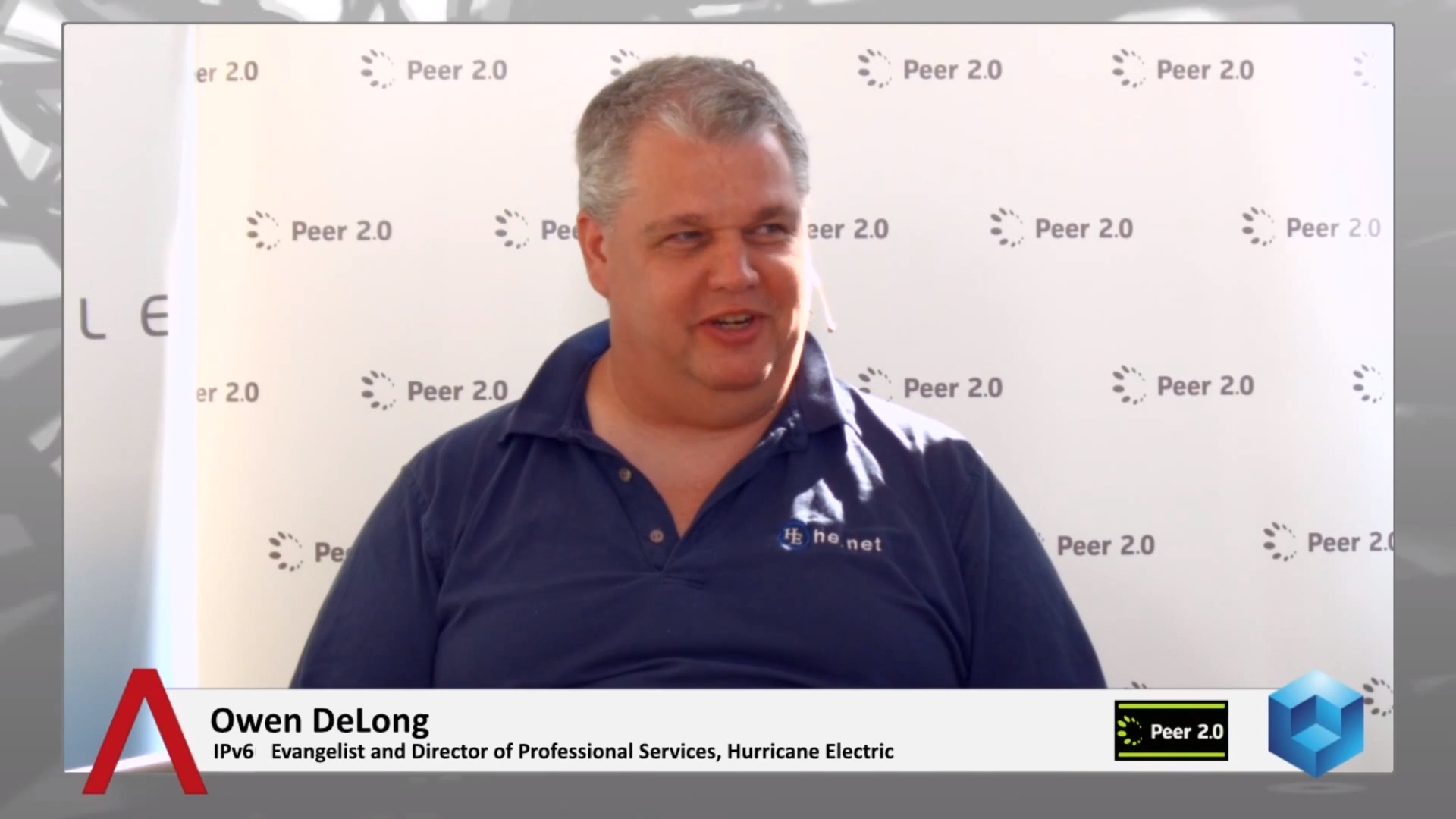
Owen DeLong, IPV^, at Peer 2.0 with John Furrier and Jeff Frick
@theCUBE
#Peer2
A lawmaker in the Philippines has proposed the creation of a digital currency under the “E-Peso Act of 2014,”.
The bill was proposed by Pangasinan Representative Kimi Cojuangco, and seeks to create the “E-Peso”, a digital currency to be used as a medium of exchange for online transactions. It will be legal tender in the country, and could be used to pay debts, taxes, buy goods and services, and be readily available in all bank branches operating in the country.
If passed into law, the Banko Sentral ng Pilipinas (Central Bank of the Philippines) will be mandated to study Bitcoin and other cryptocurrencies so the government can better decide what technology to use for this government-backed digital currency. It will also be the entity responsible for minting the E-Peso.
“The BSP will also choose a system that uses peer to peer processing of the log chain and shall exert its utmost to leverage existing hardware being used by the other leading cryptocurrencies such as bitcoin,” the bill stated.
In addition to studying other cryptocurrencies, the BSP will mandate all bank branches to have at least one computer that is able to meet the needs of E-Peso and act as a local peer.
E-Peso will share some Bitcoin characteristics, such as having a limited amount of coins available. For the first two years, only one billion E-Pesos will be in circulation.
The move to have a legal digital currency in the country comes after a report illustrated how the Philippines would greatly benefit from using a digital currency given the amount of remittances it recieves each year.
Forgot Password
Almost there!
We just sent you a verification email. Please verify your account to gain access to
Peer 2.0 2014 | Palo Alto. If you don’t think you received an email check your
spam folder.
In order to sign in, enter the email address you used to registered for the event. Once completed, you will receive an email with a verification link. Open this link to automatically sign into the site.
Register For Peer 2.0 2014 | Palo Alto
Please fill out the information below. You will recieve an email with a verification link confirming your registration. Click the link to automatically sign into the site.
You’re almost there!
We just sent you a verification email. Please click the verification button in the email. Once your email address is verified, you will have full access to all event content for Peer 2.0 2014 | Palo Alto.
I want my badge and interests to be visible to all attendees.
Checking this box will display your presense on the attendees list, view your profile and allow other attendees to contact you via 1-1 chat. Read the Privacy Policy. At any time, you can choose to disable this preference.
Select your Interests!
add
Upload your photo
Uploading..
OR
Connect via Twitter
Connect via Linkedin
EDIT PASSWORD
Share
Forgot Password
Almost there!
We just sent you a verification email. Please verify your account to gain access to
Peer 2.0 2014 | Palo Alto. If you don’t think you received an email check your
spam folder.
In order to sign in, enter the email address you used to registered for the event. Once completed, you will receive an email with a verification link. Open this link to automatically sign into the site.
Sign in to gain access to Peer 2.0 2014 | Palo Alto
Please sign in with LinkedIn to continue to Peer 2.0 2014 | Palo Alto. Signing in with LinkedIn ensures a professional environment.
Are you sure you want to remove access rights for this user?
Details
Manage Access
email address
Community Invitation
Owen DeLong, IPV | Peer 2.0 2014
Owen DeLong, IPV^, at Peer 2.0 with John Furrier and Jeff Frick
@theCUBE
#Peer2
A lawmaker in the Philippines has proposed the creation of a digital currency under the “E-Peso Act of 2014,”.
The bill was proposed by Pangasinan Representative Kimi Cojuangco, and seeks to create the “E-Peso”, a digital currency to be used as a medium of exchange for online transactions. It will be legal tender in the country, and could be used to pay debts, taxes, buy goods and services, and be readily available in all bank branches operating in the country.
If passed into law, the Banko Sentral ng Pilipinas (Central Bank of the Philippines) will be mandated to study Bitcoin and other cryptocurrencies so the government can better decide what technology to use for this government-backed digital currency. It will also be the entity responsible for minting the E-Peso.
“The BSP will also choose a system that uses peer to peer processing of the log chain and shall exert its utmost to leverage existing hardware being used by the other leading cryptocurrencies such as bitcoin,” the bill stated.
In addition to studying other cryptocurrencies, the BSP will mandate all bank branches to have at least one computer that is able to meet the needs of E-Peso and act as a local peer.
E-Peso will share some Bitcoin characteristics, such as having a limited amount of coins available. For the first two years, only one billion E-Pesos will be in circulation.
The move to have a legal digital currency in the country comes after a report illustrated how the Philippines would greatly benefit from using a digital currency given the amount of remittances it recieves each year.