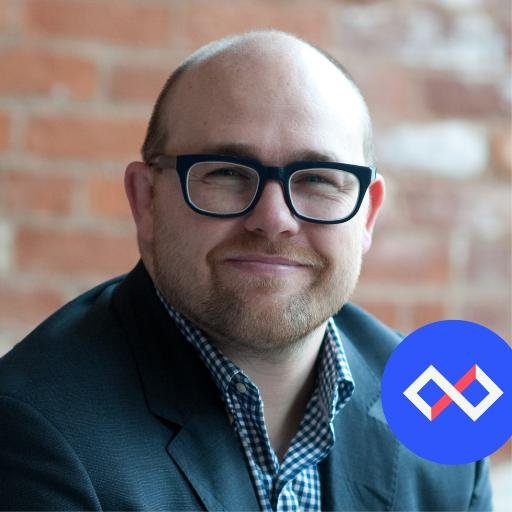
Charlie Key, Modulus, at O'Reilly Fluent Conference 2013, with John Furrier and Jeff Frick
In SiliconANGLE's ongoing coverage of the O'Reilly Fluent conference, John Furrier spoke with Charlie Key, Modulus CEO, in theCube. The two discussed Modulus' impetus, mission and philosophy when it comes to innovation and collaboration with developers. Key also shares his thoughts on the popularity of NodeJS and what it will take to keep its momentum.
Charlie Key states Modulus was created to fulfill one mission: "to enable developers to get back to building products." To this end, Modulus gives developers a place to host their applications and the performance metrics to analyze and solve problems. Key notes that Modulus and their developers have a mutually beneficial relationship as many developers' usage of the platform helped determine it's features and new releases.
When it comes to platform as a service for node, Key notes an increased pick up in the last couple of months as they have added "hundreds of developers and hundreds of products." He notes that last year, NPM installs were running around 20 million per month and now have reached approximately 40 million per month in node with NodeJS. According to Key, this popularity is attributable to a developer's ability to use a single language to build both a high-quality front end and powerful back-end. Also, NodeJS uses the minted i/o paradigm of running actual code, allowing users to scale up. As Key puts it, this allows users to "build very scalable applications on a simple JavaScript server side language."
For NodeJS to truly become the standard, Key believes enterprises will need to take the lead. As large companies like PayPal and LinkedIn have take steps towards NodeJS it is important that similar enterprises like WalMart and Microsoft follow suit. If larger companies have a vested interest in the development of NodeJS, it can become the norm for all types of businesses. Additionally, dialogue and education amongst developers will be crucial to further growth. Key suggests: "PayPal and LinkedIn need to discuss how they've used the tools and what they've seen good and bad. If we learn that stuff, more developers will be headed in the right direction."
So, with all the new and exciting opportunities within technology, Furrier askas, "What can a developer do to get started?" Key suggests the age old wisdom of putting in 10,000 hours to gain expertise is the most practical approach. He responds: "First thing is open up your code editor, if you already know JavaScript, open up a text editor and decide to build something with it. Find the developers and communities around you [like] NodeJS and JavaScript meetups...Join the online communities, like the Google group mailing list. Decide that you're going to build something, it doesn't matter what it is. You've gotta put in the hours to learn the technology."
Forgot Password
Almost there!
We just sent you a verification email. Please verify your account to gain access to
O'Reilly Fluent Conference 2013 | San Francisco. If you don’t think you received an email check your
spam folder.
Sign in to O'Reilly Fluent Conference 2013 | San Francisco.
In order to sign in, enter the email address you used to registered for the event. Once completed, you will receive an email with a verification link. Open this link to automatically sign into the site.
Register For O'Reilly Fluent Conference 2013 | San Francisco
Please fill out the information below. You will recieve an email with a verification link confirming your registration. Click the link to automatically sign into the site.
You’re almost there!
We just sent you a verification email. Please click the verification button in the email. Once your email address is verified, you will have full access to all event content for O'Reilly Fluent Conference 2013 | San Francisco.
I want my badge and interests to be visible to all attendees.
Checking this box will display your presense on the attendees list, view your profile and allow other attendees to contact you via 1-1 chat. Read the Privacy Policy. At any time, you can choose to disable this preference.
Select your Interests!
add
Upload your photo
Uploading..
OR
Connect via Twitter
Connect via Linkedin
EDIT PASSWORD
Share
Forgot Password
Almost there!
We just sent you a verification email. Please verify your account to gain access to
O'Reilly Fluent Conference 2013 | San Francisco. If you don’t think you received an email check your
spam folder.
Sign in to O'Reilly Fluent Conference 2013 | San Francisco.
In order to sign in, enter the email address you used to registered for the event. Once completed, you will receive an email with a verification link. Open this link to automatically sign into the site.
Sign in to gain access to O'Reilly Fluent Conference 2013 | San Francisco
Please sign in with LinkedIn to continue to O'Reilly Fluent Conference 2013 | San Francisco. Signing in with LinkedIn ensures a professional environment.
Are you sure you want to remove access rights for this user?
Details
Manage Access
email address
Community Invitation
Charlie Key | O'Reilly Fluent Conference 2013
Charlie Key, Modulus, at O'Reilly Fluent Conference 2013, with John Furrier and Jeff Frick
In SiliconANGLE's ongoing coverage of the O'Reilly Fluent conference, John Furrier spoke with Charlie Key, Modulus CEO, in theCube. The two discussed Modulus' impetus, mission and philosophy when it comes to innovation and collaboration with developers. Key also shares his thoughts on the popularity of NodeJS and what it will take to keep its momentum.
Charlie Key states Modulus was created to fulfill one mission: "to enable developers to get back to building products." To this end, Modulus gives developers a place to host their applications and the performance metrics to analyze and solve problems. Key notes that Modulus and their developers have a mutually beneficial relationship as many developers' usage of the platform helped determine it's features and new releases.
When it comes to platform as a service for node, Key notes an increased pick up in the last couple of months as they have added "hundreds of developers and hundreds of products." He notes that last year, NPM installs were running around 20 million per month and now have reached approximately 40 million per month in node with NodeJS. According to Key, this popularity is attributable to a developer's ability to use a single language to build both a high-quality front end and powerful back-end. Also, NodeJS uses the minted i/o paradigm of running actual code, allowing users to scale up. As Key puts it, this allows users to "build very scalable applications on a simple JavaScript server side language."
For NodeJS to truly become the standard, Key believes enterprises will need to take the lead. As large companies like PayPal and LinkedIn have take steps towards NodeJS it is important that similar enterprises like WalMart and Microsoft follow suit. If larger companies have a vested interest in the development of NodeJS, it can become the norm for all types of businesses. Additionally, dialogue and education amongst developers will be crucial to further growth. Key suggests: "PayPal and LinkedIn need to discuss how they've used the tools and what they've seen good and bad. If we learn that stuff, more developers will be headed in the right direction."
So, with all the new and exciting opportunities within technology, Furrier askas, "What can a developer do to get started?" Key suggests the age old wisdom of putting in 10,000 hours to gain expertise is the most practical approach. He responds: "First thing is open up your code editor, if you already know JavaScript, open up a text editor and decide to build something with it. Find the developers and communities around you [like] NodeJS and JavaScript meetups...Join the online communities, like the Google group mailing list. Decide that you're going to build something, it doesn't matter what it is. You've gotta put in the hours to learn the technology."