Do you have a business or a hobby? Open source versus proprietary in the real world | #OOW
by R. Danes | Sep 19, 2016
The open-source world is an endlessly interesting and exciting place for developers. The inventory of technologies is always growing, and bleeding-edge software platforms often debut in open source marketplaces. For these same reasons, however, enterprises can grow weary of open source, a seemingly endless tweaking and tinkering game to customize software for business purposes. Some say a proprietary solution that utilizes open source is preferable for businesses that need to make moves in real life.
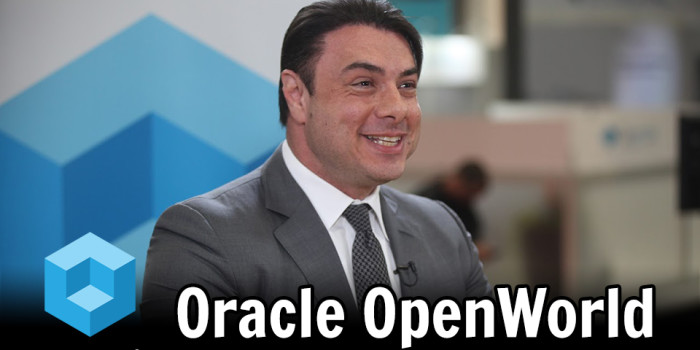
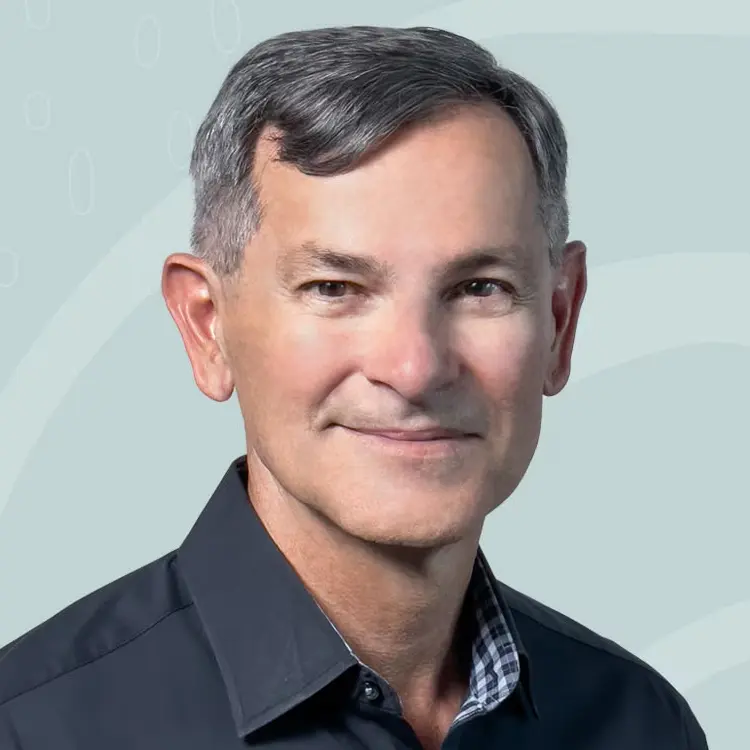
Juan Loaiza, Senior VP at Oracle, explained the situation this way: “There are some people that are hobbyists. There are people who want to build their own log cabin. They want to cut their own trees, kind of build their own planks, and build together their log cabin. That’s kind of how Hadoop started; it was kind of a hobbyist’s model,” he told John Furrier (@furrier) and Peter Burris (@plburris), co-host of theCUBE, from the SiliconANGLE Media team, during Oracle OpenWorld. “Now it’s people that want to get stuff done. It’s like, ‘I don’t want to chop trees … just give me a house!'”
Haute coutre vs. ready-to-wear
Loaiza contended that however fascinating open source may be, by itself, it’s not a practical solution for enterprises.
“So that’s where [Oracle’s] Big Data Appliance comes in, because it’s a complete solution. It’s close to the hardware, it’s pre-tuned, pre-optimized, it includes the Cloudera software, it includes all our connectors,” he explained. “And it includes support for the whole thing, because that’s the other part of it. When you put together your own house, who are you going to call when it leaks?”
The multi-tenant database future
Loaiza spoke enthusiastically about the work Oracle is doing in database multi-tenancy. He likened it to what VMware does with virtual machines — only here, it’s virtual databases. So users have a “small number of physical databases, lots of virtual databases — completely saves costs, it’s more agile, opex lower, capex lower — that’s the new world of multi-tenant cloud databases,” he said.
Forgot Password
Almost there!
We just sent you a verification email. Please verify your account to gain access to
Oracle OpenWorld 2016 | San Francisco. If you don’t think you received an email check your
spam folder.
In order to sign in, enter the email address you used to registered for the event. Once completed, you will receive an email with a verification link. Open this link to automatically sign into the site.
Register For Oracle OpenWorld 2016 | San Francisco
Please fill out the information below. You will recieve an email with a verification link confirming your registration. Click the link to automatically sign into the site.
You’re almost there!
We just sent you a verification email. Please click the verification button in the email. Once your email address is verified, you will have full access to all event content for Oracle OpenWorld 2016 | San Francisco.
I want my badge and interests to be visible to all attendees.
Checking this box will display your presense on the attendees list, view your profile and allow other attendees to contact you via 1-1 chat. Read the Privacy Policy. At any time, you can choose to disable this preference.
Select your Interests!
add
Upload your photo
Uploading..
OR
Connect via Twitter
Connect via Linkedin
EDIT PASSWORD
Share
Forgot Password
Almost there!
We just sent you a verification email. Please verify your account to gain access to
Oracle OpenWorld 2016 | San Francisco. If you don’t think you received an email check your
spam folder.
In order to sign in, enter the email address you used to registered for the event. Once completed, you will receive an email with a verification link. Open this link to automatically sign into the site.
Sign in to gain access to Oracle OpenWorld 2016 | San Francisco
Please sign in with LinkedIn to continue to Oracle OpenWorld 2016 | San Francisco. Signing in with LinkedIn ensures a professional environment.
Are you sure you want to remove access rights for this user?
Details
Manage Access
email address
Community Invitation
Juan Loaiza, Oracle - Oracle OpenWorld - #oow16 - #theCUBE
Do you have a business or a hobby? Open source versus proprietary in the real world | #OOW
by R. Danes | Sep 19, 2016
The open-source world is an endlessly interesting and exciting place for developers. The inventory of technologies is always growing, and bleeding-edge software platforms often debut in open source marketplaces. For these same reasons, however, enterprises can grow weary of open source, a seemingly endless tweaking and tinkering game to customize software for business purposes. Some say a proprietary solution that utilizes open source is preferable for businesses that need to make moves in real life.
Juan Loaiza, Senior VP at Oracle, explained the situation this way: “There are some people that are hobbyists. There are people who want to build their own log cabin. They want to cut their own trees, kind of build their own planks, and build together their log cabin. That’s kind of how Hadoop started; it was kind of a hobbyist’s model,” he told John Furrier (@furrier) and Peter Burris (@plburris), co-host of theCUBE, from the SiliconANGLE Media team, during Oracle OpenWorld. “Now it’s people that want to get stuff done. It’s like, ‘I don’t want to chop trees … just give me a house!'”
Haute coutre vs. ready-to-wear
Loaiza contended that however fascinating open source may be, by itself, it’s not a practical solution for enterprises.
“So that’s where [Oracle’s] Big Data Appliance comes in, because it’s a complete solution. It’s close to the hardware, it’s pre-tuned, pre-optimized, it includes the Cloudera software, it includes all our connectors,” he explained. “And it includes support for the whole thing, because that’s the other part of it. When you put together your own house, who are you going to call when it leaks?”
The multi-tenant database future
Loaiza spoke enthusiastically about the work Oracle is doing in database multi-tenancy. He likened it to what VMware does with virtual machines — only here, it’s virtual databases. So users have a “small number of physical databases, lots of virtual databases — completely saves costs, it’s more agile, opex lower, capex lower — that’s the new world of multi-tenant cloud databases,” he said.