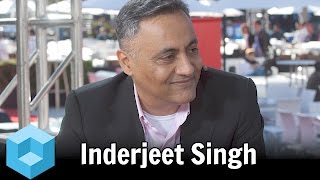
01. Edward Screven, Oracle, visits #theCUBE!. (00:17)
02. Is Oracle Where It Wanted to Be?. (00:47)
03. How Security Will Enable Agility. (03:14)
04. The Security Concerns of Multi-Tenant. (04:59)
05. The Dedicated Approach for Those Most Concerned with Security. (07:01)
06. What Differentiates Oracle from Competitors. (08:46)
07. The Oracle Perspective on Open Standards. (10:46)
08. Oracle and the New Application Market. (12:35)
09. The Development of Oracle's Cloud Architecture in Java. (16:51)
Track List created with http://www.vinjavideo.com.
--- ---
Oracle leverages security, open standards to take commanding position in Cloud computing | #oow15
by Nelson Williams | Oct 28, 2015
Computer industry giant Oracle has been in the Cloud business ever since there was a Cloud, but the company has recently reconfirmed its commitment toward remote computing technologies with a suite of new products and services. The core of these offerings rests firmly on a foundation of hardware-enabled security and open-standards software. This represents a somewhat new trend for Oracle.
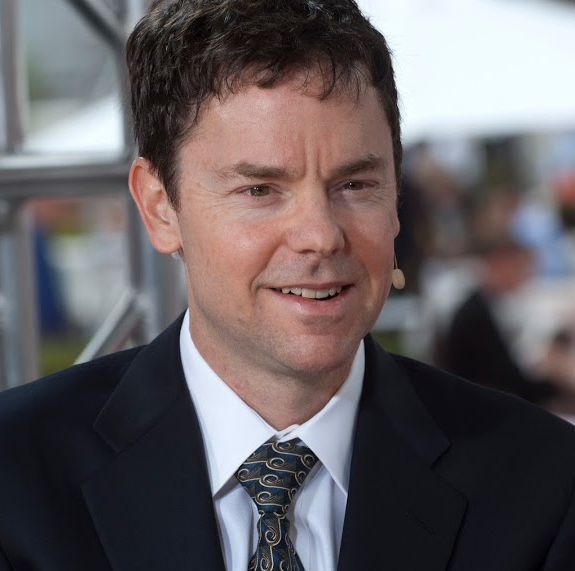
To open a window on these new developments, John Furrier and Dave Vellante of theCUBE, from the SiliconANGLE Media team, spoke with Edward Screven, chief corporate architect at Oracle, during the Oracle OpenWorld 2015 conference. Edward Screven is the Chief Corporate Architect at Oracle.
Agility versus security
The conversation started with a look at the balancing act between agility and security. A system that’s thoroughly locked down is one that’s hard to adapt and change. Screven said he didn’t believe security implied a lack of agility. Rather, he suggested, building security into the stack itself, rather than applications, would make development easier.
He then described Oracle’s dedicated compute option, which would give a company exclusive access to certain Cloud hardware, also a way to strengthen security. This option, he said, would guarantee the switch, processor, hardware and traffic all belonged to the customer and would not be shared with anyone else.
Open standards benefit from an open market
Cloud applications can come from anywhere: big vendors, startup companies and open-source developers. Screven explained that open standards would allow Oracle to leverage innovation from these outside developers. He said that Oracle focused on building a complete stack, but didn’t want to limit the system to Oracle-only products. The plan, he said, was to use open standards to guide the company toward sustained innovation.
Open standards and the cloud are creating a new market for applications. Screven pointed out this new market will have two segments: Software-as-a-Service providers like Oracle and then an endless array of new and interesting apps from other developers. Because Oracle builds on the same standards, all those applications, Screven said, can run in Oracle’s Cloud.
@theCUBE
#oow15
Forgot Password
Almost there!
We just sent you a verification email. Please verify your account to gain access to
Oracle OpenWorld 2015 | San Francisco. If you don’t think you received an email check your
spam folder.
In order to sign in, enter the email address you used to registered for the event. Once completed, you will receive an email with a verification link. Open this link to automatically sign into the site.
Register For Oracle OpenWorld 2015 | San Francisco
Please fill out the information below. You will recieve an email with a verification link confirming your registration. Click the link to automatically sign into the site.
You’re almost there!
We just sent you a verification email. Please click the verification button in the email. Once your email address is verified, you will have full access to all event content for Oracle OpenWorld 2015 | San Francisco.
I want my badge and interests to be visible to all attendees.
Checking this box will display your presense on the attendees list, view your profile and allow other attendees to contact you via 1-1 chat. Read the Privacy Policy. At any time, you can choose to disable this preference.
Select your Interests!
add
Upload your photo
Uploading..
OR
Connect via Twitter
Connect via Linkedin
EDIT PASSWORD
Share
Forgot Password
Almost there!
We just sent you a verification email. Please verify your account to gain access to
Oracle OpenWorld 2015 | San Francisco. If you don’t think you received an email check your
spam folder.
In order to sign in, enter the email address you used to registered for the event. Once completed, you will receive an email with a verification link. Open this link to automatically sign into the site.
Sign in to gain access to Oracle OpenWorld 2015 | San Francisco
Please sign in with LinkedIn to continue to Oracle OpenWorld 2015 | San Francisco. Signing in with LinkedIn ensures a professional environment.
01. Edward Screven, Oracle, visits #theCUBE!. (00:17)
02. Is Oracle Where It Wanted to Be?. (00:47)
03. How Security Will Enable Agility. (03:14)
04. The Security Concerns of Multi-Tenant. (04:59)
05. The Dedicated Approach for Those Most Concerned with Security. (07:01)
06. What Differentiates Oracle from Competitors. (08:46)
07. The Oracle Perspective on Open Standards. (10:46)
08. Oracle and the New Application Market. (12:35)
09. The Development of Oracle's Cloud Architecture in Java. (16:51)
Track List created with http://www.vinjavideo.com.
--- ---
Oracle leverages security, open standards to take commanding position in Cloud computing | #oow15
by Nelson Williams | Oct 28, 2015
Computer industry giant Oracle has been in the Cloud business ever since there was a Cloud, but the company has recently reconfirmed its commitment toward remote computing technologies with a suite of new products and services. The core of these offerings rests firmly on a foundation of hardware-enabled security and open-standards software. This represents a somewhat new trend for Oracle.
To open a window on these new developments, John Furrier and Dave Vellante of theCUBE, from the SiliconANGLE Media team, spoke with Edward Screven, chief corporate architect at Oracle, during the Oracle OpenWorld 2015 conference. Edward Screven is the Chief Corporate Architect at Oracle.
Agility versus security
The conversation started with a look at the balancing act between agility and security. A system that’s thoroughly locked down is one that’s hard to adapt and change. Screven said he didn’t believe security implied a lack of agility. Rather, he suggested, building security into the stack itself, rather than applications, would make development easier.
He then described Oracle’s dedicated compute option, which would give a company exclusive access to certain Cloud hardware, also a way to strengthen security. This option, he said, would guarantee the switch, processor, hardware and traffic all belonged to the customer and would not be shared with anyone else.
Open standards benefit from an open market
Cloud applications can come from anywhere: big vendors, startup companies and open-source developers. Screven explained that open standards would allow Oracle to leverage innovation from these outside developers. He said that Oracle focused on building a complete stack, but didn’t want to limit the system to Oracle-only products. The plan, he said, was to use open standards to guide the company toward sustained innovation.
Open standards and the cloud are creating a new market for applications. Screven pointed out this new market will have two segments: Software-as-a-Service providers like Oracle and then an endless array of new and interesting apps from other developers. Because Oracle builds on the same standards, all those applications, Screven said, can run in Oracle’s Cloud.
@theCUBE
#oow15