01. Reinoud Reynders, UZ Leuven, Visits #theCUBE!. (00:21)
02. Tell Us What You Do At UZ Leuven. (00:52)
03. What Was The Old Way Of Keeping Data For Hospitals. (02:32)
04. How Do You Think About Creating Great User Experience. (03:21)
05. Tell Us About Some Of The Things You've Done With The New M7 Beta. (05:17)
06. Was There Added Functionality That You Got From The M7. (07:00)
07. How Much Do Your Developers Care About Hardware. (08:34)
08. What's The Sentiment With Your Team With The New Capability. (09:32)
09. Are You Excited About Doing Development In The Cloud. (10:58)
10. How Do Infrastructure Guys Do Agile. (12:10)
11. How Do You Recruit The New Full Stack Developers. (14:21)
12. What Would Have To Happen For You To Put Data In The Cloud. (16:19)
13. Summerize Your Experience With The Bata And What You've Learned Here. (18:08)
Track List created with http://www.vinjavideo.com.
--- ---
The Cloud and new infrastructure hardware power superior hospital outcomes | #oow15
by Nelson Williams | Oct 26, 2015
Hospitals aren’t front and center in the Big Data game, but they are major players. Medical records and personal information are the lifeblood of hospitals, while drug and treatment data can be invaluable for doctors and patients. All of this information must pass through secured networks to the right people at the right time. As Big Data and the Cloud goes, so goes the medical world.
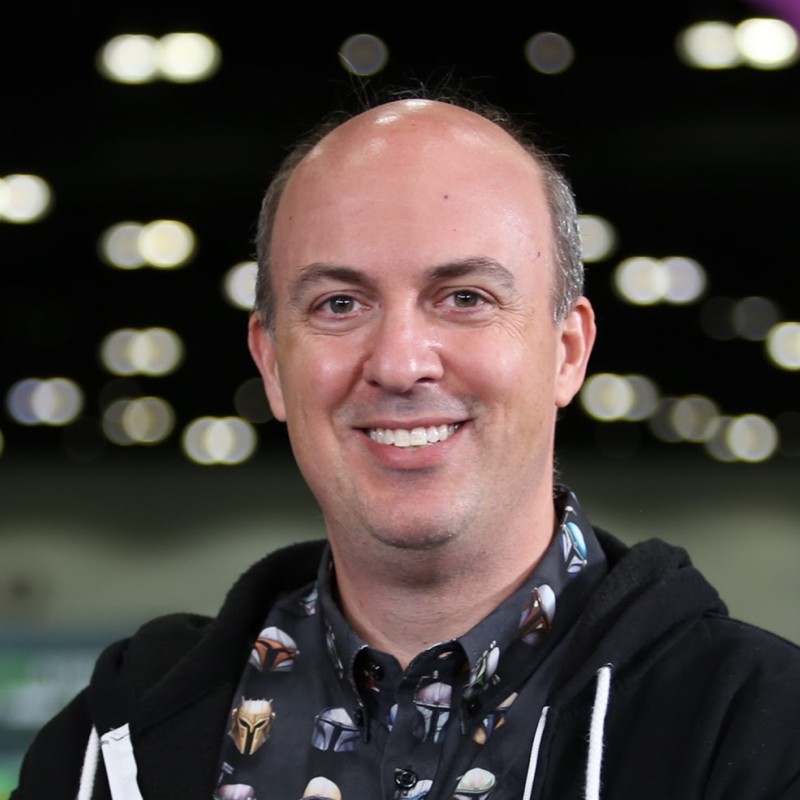
To talk about this merger of the tech and medical industries, John Furrier and Brian Gracely, cohosts of theCUBE, from the SiliconANGLE Media team, met with Reinoud Reynders, IT manager of infrastructure and operations at UZ Leuven hospital in Belgium, during the Oracle Open World 2015 conference.
Data exchange behind the doctor’s curtain
The conversation opened with a look at what the UZ Leuven hospital does with its information technology. Reynders explained how the hospital uses electronic patient records to do away with paper, using a system they built in-house. This system controls orders, workflow and records. These records are often shared with other doctors and hospitals, so the system also ensures it remain accurate after changing hands.
Because so much of this data relates to people with real-world problems, and real-world consequences, getting the user experience right is vital. The physicians and nurses are the first customers, Reynders said, because they need the right data whereever they are in the hospital. A doctor, Reynders explained, wants information on the immediate situation, but also needs access to the patient’s years-old medical history.
Creating agile infrastructure
Powerful new hardware has given software developers powers beyond what they’ve seen before. Reynders pointed out that his team was very interested in exploring the use of security systems built-in to the hardware. Software security is hard enough, he said, with thousands of users on the system, so the developer team was thrilled with the idea of bolstering their security with hardware support.
Reynders then revealed the secret to creating agile infrastructure: The tech teams in his company work together. They created a close integration of developers, database admins and other tech people to produce a team that helps each other. The result is a very flexible group that can handle the necessary ups and downs of the hospital business.
@theCUBE
#oow15
Forgot Password
Almost there!
We just sent you a verification email. Please verify your account to gain access to
Oracle OpenWorld 2015 | San Francisco. If you don’t think you received an email check your
spam folder.
In order to sign in, enter the email address you used to registered for the event. Once completed, you will receive an email with a verification link. Open this link to automatically sign into the site.
Register For Oracle OpenWorld 2015 | San Francisco
Please fill out the information below. You will recieve an email with a verification link confirming your registration. Click the link to automatically sign into the site.
You’re almost there!
We just sent you a verification email. Please click the verification button in the email. Once your email address is verified, you will have full access to all event content for Oracle OpenWorld 2015 | San Francisco.
I want my badge and interests to be visible to all attendees.
Checking this box will display your presense on the attendees list, view your profile and allow other attendees to contact you via 1-1 chat. Read the Privacy Policy. At any time, you can choose to disable this preference.
Select your Interests!
add
Upload your photo
Uploading..
OR
Connect via Twitter
Connect via Linkedin
EDIT PASSWORD
Share
Forgot Password
Almost there!
We just sent you a verification email. Please verify your account to gain access to
Oracle OpenWorld 2015 | San Francisco. If you don’t think you received an email check your
spam folder.
In order to sign in, enter the email address you used to registered for the event. Once completed, you will receive an email with a verification link. Open this link to automatically sign into the site.
Sign in to gain access to Oracle OpenWorld 2015 | San Francisco
Please sign in with LinkedIn to continue to Oracle OpenWorld 2015 | San Francisco. Signing in with LinkedIn ensures a professional environment.
01. Reinoud Reynders, UZ Leuven, Visits #theCUBE!. (00:21)
02. Tell Us What You Do At UZ Leuven. (00:52)
03. What Was The Old Way Of Keeping Data For Hospitals. (02:32)
04. How Do You Think About Creating Great User Experience. (03:21)
05. Tell Us About Some Of The Things You've Done With The New M7 Beta. (05:17)
06. Was There Added Functionality That You Got From The M7. (07:00)
07. How Much Do Your Developers Care About Hardware. (08:34)
08. What's The Sentiment With Your Team With The New Capability. (09:32)
09. Are You Excited About Doing Development In The Cloud. (10:58)
10. How Do Infrastructure Guys Do Agile. (12:10)
11. How Do You Recruit The New Full Stack Developers. (14:21)
12. What Would Have To Happen For You To Put Data In The Cloud. (16:19)
13. Summerize Your Experience With The Bata And What You've Learned Here. (18:08)
Track List created with http://www.vinjavideo.com.
--- ---
The Cloud and new infrastructure hardware power superior hospital outcomes | #oow15
by Nelson Williams | Oct 26, 2015
Hospitals aren’t front and center in the Big Data game, but they are major players. Medical records and personal information are the lifeblood of hospitals, while drug and treatment data can be invaluable for doctors and patients. All of this information must pass through secured networks to the right people at the right time. As Big Data and the Cloud goes, so goes the medical world.
To talk about this merger of the tech and medical industries, John Furrier and Brian Gracely, cohosts of theCUBE, from the SiliconANGLE Media team, met with Reinoud Reynders, IT manager of infrastructure and operations at UZ Leuven hospital in Belgium, during the Oracle Open World 2015 conference.
Data exchange behind the doctor’s curtain
The conversation opened with a look at what the UZ Leuven hospital does with its information technology. Reynders explained how the hospital uses electronic patient records to do away with paper, using a system they built in-house. This system controls orders, workflow and records. These records are often shared with other doctors and hospitals, so the system also ensures it remain accurate after changing hands.
Because so much of this data relates to people with real-world problems, and real-world consequences, getting the user experience right is vital. The physicians and nurses are the first customers, Reynders said, because they need the right data whereever they are in the hospital. A doctor, Reynders explained, wants information on the immediate situation, but also needs access to the patient’s years-old medical history.
Creating agile infrastructure
Powerful new hardware has given software developers powers beyond what they’ve seen before. Reynders pointed out that his team was very interested in exploring the use of security systems built-in to the hardware. Software security is hard enough, he said, with thousands of users on the system, so the developer team was thrilled with the idea of bolstering their security with hardware support.
Reynders then revealed the secret to creating agile infrastructure: The tech teams in his company work together. They created a close integration of developers, database admins and other tech people to produce a team that helps each other. The result is a very flexible group that can handle the necessary ups and downs of the hospital business.
@theCUBE
#oow15