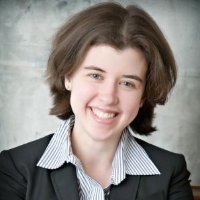
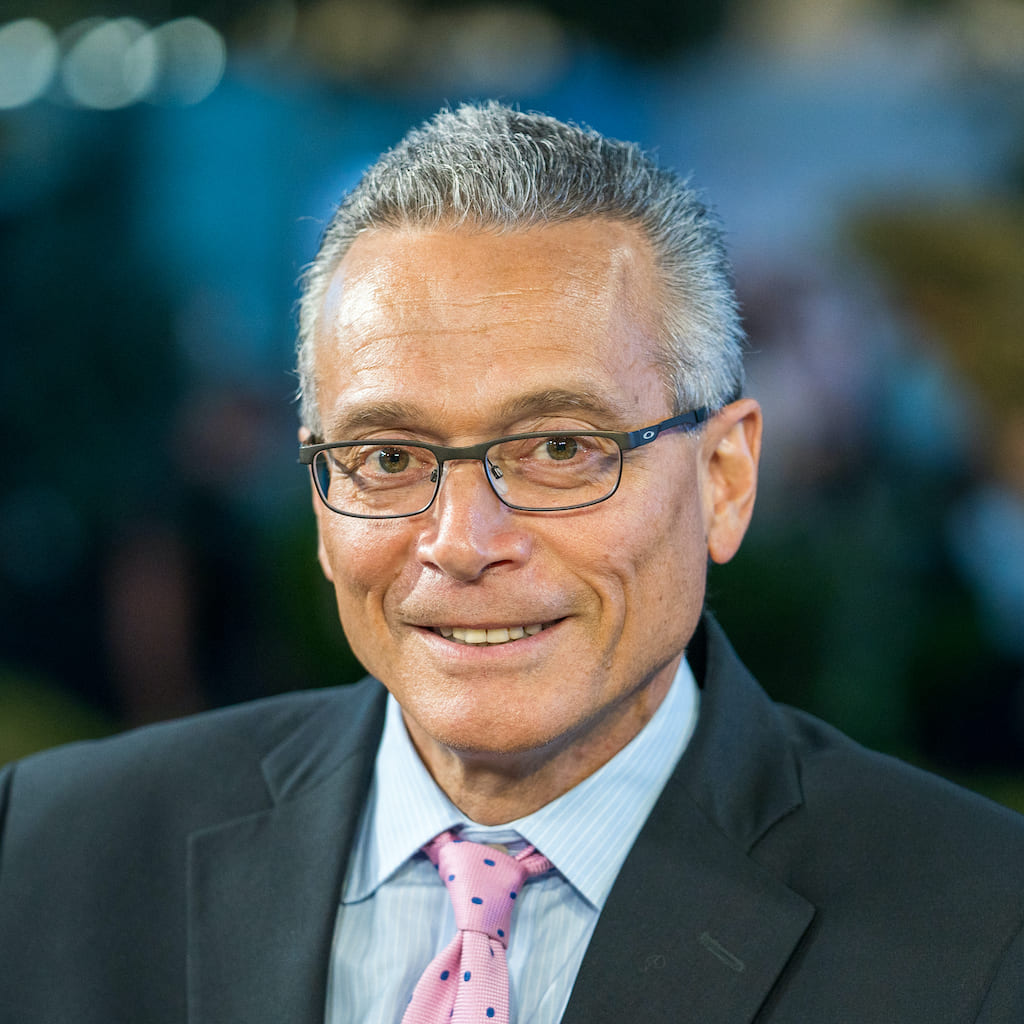
During the last day of Oracle OpenWorld 2013, John Furrier and Dave Vellante, theCUBE co-hosts, interviewed Elizabeth Hedstrom Henlin, Enterprise Software Analyst with TBR. For the first time on theCUBE, Henlin attempted to answer a couple of questions regarding the Oracle customer's experience. Vellante kicked off the interview noting that "Customer experience is something that Oracle has always been criticized about," and pointed out that TBR is somewhere at "the intersection of technology and finance." (Full video below.)
Henlin agreed: "We are really looking at the intersection of business and technology; it's about understanding how vendors are making money in technology and using that analysis to start projecting where vendors are going for their next steps."
Oracle's pain points
Asked for on her take on Oracle, Henlin explained: "Oracle is a company where I can't ever underestimate the power of command and control from the executive team and their ability to evaluate where their company really is.
"One of Larry Ellison's quotes from last year's OpenWorld conference is 'It takes time to turn a battleship' -- and I think that's exactly where Oracle is right now. They have a portfolio full of point products, they are really good, but they aren't at the point of telling a good business story."
Henlin points out that in April, at the Industry Analyst Summit, Oracle started telling a story about "simplifying IT," and promoting launches such as the Customer Experience Suite and the slow rising, slow penetration of the engineered systems business are really about "how Oracle can take this deep, broad portfolio -- integrated into the R&D side -- and get it packaged and sold to the customer."
This last step is, in Henlin's opinion, the point where they've been struggling. But finally they have "the right pieces in the right place at the right time", so right now "it only comes down to sales."
Is Oracle better off with Sun Microsystems?
"Is Oracle better off post-Sun acquisition?" Vellante asked. Despite Oracle officials calling it "the most profitable acquisition they made," Henlin doesn't agree just yet, as the numbers don't bear that out. "What they've gained from it is the ability to package some of their higher value applications and databases on some of the systems, to get them out to market in a plug and play appeal to the line of business buyer (as well as the IT buyer) point of view," she said.
Furrier then prodded Henlin to talk a little bit about the advantages of Oracle Engineered Systems. She replied:
"When we look at the technology business research's BI benchmark, we do model revenue and performance for some select select engineer's vendors in that segment, and the way we define that is 'How much of a company's (software) revenue is being delivered on top of a box?'. Right now that's where I see the strength of Oracle's Engineered Systems business. It really comes down to how do you effectively maximize distribution."
What's working for Oracle -- integrated approach
"Workday is a thorn in everybody's side right now, but it's worth noting that their install base is only about 500 customers," explained Henlin. "What they are doing right is an integrated platform approach to keeping its install base protected and defended.
"For SAP's movement to the cloud, I think when you run a separate business -- like they did with the SuccessFactors business -- that makes it a little more difficult to tell an integrated story. You're integrating business by design, which was their legacy product, with a lot of offerings that came in via the SuccessFactors acquisition, and I think it took them time to get their narrative together. When you look at how they've integrated on- and off-premise development, that's where you really see the opportunity for SAP: it's not just a cloud story anymore, it's how do you tell an on- to off-premise migration story."
As far as Oracle being relatively late to the cloud, they got out in front with the idea of a seamless customer experience -- it doesn't matter where the customer is accessing his data from, he shouldn't see any disruption. That message and that package is, in Henlin's point of view, why everybody's going to be chasing Oracle for a while.
Elizabeth Hedstrom Henlin, TBR, at Oracle OpenWorld 2013 with John Furrier and Dave Vellante
@thecube
#oow13
Forgot Password
Almost there!
We just sent you a verification email. Please verify your account to gain access to
Oracle OpenWorld 2013 | San Francisco. If you don’t think you received an email check your
spam folder.
In order to sign in, enter the email address you used to registered for the event. Once completed, you will receive an email with a verification link. Open this link to automatically sign into the site.
Register For Oracle OpenWorld 2013 | San Francisco
Please fill out the information below. You will recieve an email with a verification link confirming your registration. Click the link to automatically sign into the site.
You’re almost there!
We just sent you a verification email. Please click the verification button in the email. Once your email address is verified, you will have full access to all event content for Oracle OpenWorld 2013 | San Francisco.
I want my badge and interests to be visible to all attendees.
Checking this box will display your presense on the attendees list, view your profile and allow other attendees to contact you via 1-1 chat. Read the Privacy Policy. At any time, you can choose to disable this preference.
Select your Interests!
add
Upload your photo
Uploading..
OR
Connect via Twitter
Connect via Linkedin
EDIT PASSWORD
Share
Forgot Password
Almost there!
We just sent you a verification email. Please verify your account to gain access to
Oracle OpenWorld 2013 | San Francisco. If you don’t think you received an email check your
spam folder.
In order to sign in, enter the email address you used to registered for the event. Once completed, you will receive an email with a verification link. Open this link to automatically sign into the site.
Sign in to gain access to Oracle OpenWorld 2013 | San Francisco
Please sign in with LinkedIn to continue to Oracle OpenWorld 2013 | San Francisco. Signing in with LinkedIn ensures a professional environment.
Are you sure you want to remove access rights for this user?
Details
Manage Access
email address
Community Invitation
Elizabeth Hedstrom Henlin | Oracle OpenWorld 2013
During the last day of Oracle OpenWorld 2013, John Furrier and Dave Vellante, theCUBE co-hosts, interviewed Elizabeth Hedstrom Henlin, Enterprise Software Analyst with TBR. For the first time on theCUBE, Henlin attempted to answer a couple of questions regarding the Oracle customer's experience. Vellante kicked off the interview noting that "Customer experience is something that Oracle has always been criticized about," and pointed out that TBR is somewhere at "the intersection of technology and finance." (Full video below.)
Henlin agreed: "We are really looking at the intersection of business and technology; it's about understanding how vendors are making money in technology and using that analysis to start projecting where vendors are going for their next steps."
Oracle's pain points
Asked for on her take on Oracle, Henlin explained: "Oracle is a company where I can't ever underestimate the power of command and control from the executive team and their ability to evaluate where their company really is.
"One of Larry Ellison's quotes from last year's OpenWorld conference is 'It takes time to turn a battleship' -- and I think that's exactly where Oracle is right now. They have a portfolio full of point products, they are really good, but they aren't at the point of telling a good business story."
Henlin points out that in April, at the Industry Analyst Summit, Oracle started telling a story about "simplifying IT," and promoting launches such as the Customer Experience Suite and the slow rising, slow penetration of the engineered systems business are really about "how Oracle can take this deep, broad portfolio -- integrated into the R&D side -- and get it packaged and sold to the customer."
This last step is, in Henlin's opinion, the point where they've been struggling. But finally they have "the right pieces in the right place at the right time", so right now "it only comes down to sales."
Is Oracle better off with Sun Microsystems?
"Is Oracle better off post-Sun acquisition?" Vellante asked. Despite Oracle officials calling it "the most profitable acquisition they made," Henlin doesn't agree just yet, as the numbers don't bear that out. "What they've gained from it is the ability to package some of their higher value applications and databases on some of the systems, to get them out to market in a plug and play appeal to the line of business buyer (as well as the IT buyer) point of view," she said.
Furrier then prodded Henlin to talk a little bit about the advantages of Oracle Engineered Systems. She replied:
"When we look at the technology business research's BI benchmark, we do model revenue and performance for some select select engineer's vendors in that segment, and the way we define that is 'How much of a company's (software) revenue is being delivered on top of a box?'. Right now that's where I see the strength of Oracle's Engineered Systems business. It really comes down to how do you effectively maximize distribution."
What's working for Oracle -- integrated approach
"Workday is a thorn in everybody's side right now, but it's worth noting that their install base is only about 500 customers," explained Henlin. "What they are doing right is an integrated platform approach to keeping its install base protected and defended.
"For SAP's movement to the cloud, I think when you run a separate business -- like they did with the SuccessFactors business -- that makes it a little more difficult to tell an integrated story. You're integrating business by design, which was their legacy product, with a lot of offerings that came in via the SuccessFactors acquisition, and I think it took them time to get their narrative together. When you look at how they've integrated on- and off-premise development, that's where you really see the opportunity for SAP: it's not just a cloud story anymore, it's how do you tell an on- to off-premise migration story."
As far as Oracle being relatively late to the cloud, they got out in front with the idea of a seamless customer experience -- it doesn't matter where the customer is accessing his data from, he shouldn't see any disruption. That message and that package is, in Henlin's point of view, why everybody's going to be chasing Oracle for a while.
Elizabeth Hedstrom Henlin, TBR, at Oracle OpenWorld 2013 with John Furrier and Dave Vellante
@thecube
#oow13