The Cube - Oracle Open World 2011 - Ray Wang, Constellation Research, with John Furrier and Dave Vellante
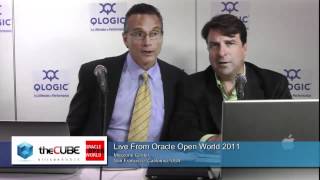
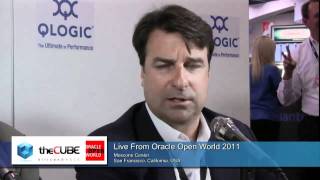
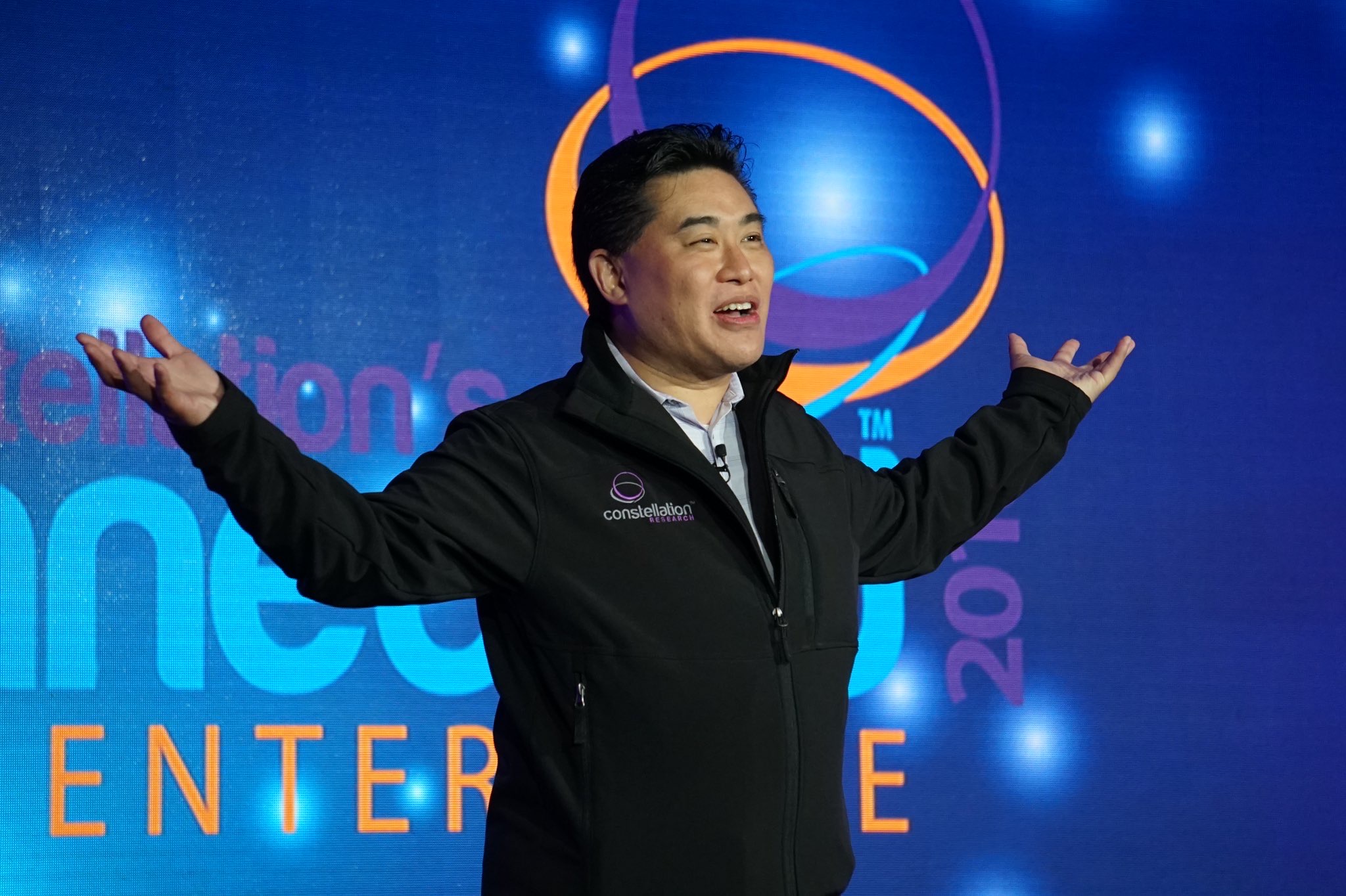
Constellation Research founder Ray Wang is a favorite guest on theCube, and he didn’t disappoint during his visit at Oracle OpenWorld this week. Sitting down with SiliconAngle founder John Furrier and Wikibon founder Dave Vellante to discuss the overall vibe at Oracle OpenWorld the company’s take on mobile and how it stacks up to SAP’s efforts, Wang provides some useful insight to the current and future state of Oracle and the disruption taking place in the industry.
Wang describes Oracle OpenWorld this year as having two parallel universes, where one is all about the keynote, which he says is slightly better than last year as it ended on time, and the other universe being one that really captures the ethos of the event: JavaOne’s on fire, there’s fusion apps, middleware and developer tools related to social and collaboration. “The keynote isn’t reflective of what’s going on on the ground,” Wang says.
His assessment of the event so far isn’t too far from the consensus, and it indicates a lost vision from Oracle as it tackles some big issues in just three short days. There’s a big data problem, so how do you get people excited about it?
Mobile may be one way that’s easy to relate to the 45k attendees of Oracle OpenWorld, but this is an area that’s lacking at the event. And considering how outwardly competitive Oracle CEO Larry Ellison has been regarding his company’s standing against SAP, the differences between these two powerhouses has become an important point of comparison. Just a few weeks after SAP’s annual SAPphire event, Oracle’s mobile strategy falters.
“SAP did a great job talking about mobile,” Wang recalls. “Not much on the cloud side, but you got the message. At Oracle, we’re missing a gap on social and mobile.”
The mobile landscape is a torrential one for companies like Oracle and SAP, and Wang goes on to discuss some of the ways in which the industry is dealing with mobile databases. “What’s happening is db wars are moving to appliances and cloud,” he explains.
“How do you surface mobile data? When you get that level of efficiency, that’s where mobile makes sense. What’s happening, though, is if you look at Oracle, we haven’t seen a clear story yet. On SAP, because of the Sybase acquisition, they’ve had a much better story with more products to show.”
Mergers and acquisitions play an important role for Oracle to build its product offerings, and with an impressive cash flow and massive market share, Oracle’s one of the leaders driving industry consolidation. But what’s really important here is the level of integration that takes place after a company’s taken in. Wang highlights the differences between Oracle and SAP’s strategies in mergers and acquisitions, saying it boils down to differing management styles. The result is that Oracle’s gone back and done the hard engineering work of rewriting. “If you don’t do the rewrite, you don’t get the full benefits of that merger integration,” Wang says.
The ongoing industry consolidation also says a lot about Oracle’s R&D efforts, which counters claims that Oracle doesn’t innovate. Wang notes two pieces to the R&D structure for a company like Oracle (or IBM), one being the direct spending that goes into internal R&D, and then figuring out what they’re not good at, so they can arrange an acquisition around these weak points.
So are there any companies out there that can disrupt a resource-laden institution like Oracle? Wang names a few companies in the mobile space that are changing the game, including Skytech, making it easier to take information from the enterprise and put it on a mobile device. There’s also some opportunities in the social space, with the likes of Yammer and SocialCast leading innovation in this arena. “Will Oracle have the same traction, will it be as easy to use, and as secure?” Wang asks. These, along with the cloud, where vendors are displacing the need for a stack, are areas of disruption that Oracle will need to keep an eye on moving forward.
Forgot Password
Almost there!
We just sent you a verification email. Please verify your account to gain access to
Oracle OpenWorld 2011 | San Francisco. If you don’t think you received an email check your
spam folder.
In order to sign in, enter the email address you used to registered for the event. Once completed, you will receive an email with a verification link. Open this link to automatically sign into the site.
Register For Oracle OpenWorld 2011 | San Francisco
Please fill out the information below. You will recieve an email with a verification link confirming your registration. Click the link to automatically sign into the site.
You’re almost there!
We just sent you a verification email. Please click the verification button in the email. Once your email address is verified, you will have full access to all event content for Oracle OpenWorld 2011 | San Francisco.
I want my badge and interests to be visible to all attendees.
Checking this box will display your presense on the attendees list, view your profile and allow other attendees to contact you via 1-1 chat. Read the Privacy Policy. At any time, you can choose to disable this preference.
Select your Interests!
add
Upload your photo
Uploading..
OR
Connect via Twitter
Connect via Linkedin
EDIT PASSWORD
Share
Forgot Password
Almost there!
We just sent you a verification email. Please verify your account to gain access to
Oracle OpenWorld 2011 | San Francisco. If you don’t think you received an email check your
spam folder.
In order to sign in, enter the email address you used to registered for the event. Once completed, you will receive an email with a verification link. Open this link to automatically sign into the site.
Sign in to gain access to Oracle OpenWorld 2011 | San Francisco
Please sign in with LinkedIn to continue to Oracle OpenWorld 2011 | San Francisco. Signing in with LinkedIn ensures a professional environment.
Are you sure you want to remove access rights for this user?
Details
Manage Access
email address
Community Invitation
R "Ray" Wang, Constellation Research - Oracle OpenWorld 2011 #OOW #theCUBE
The Cube - Oracle Open World 2011 - Ray Wang, Constellation Research, with John Furrier and Dave Vellante
Constellation Research founder Ray Wang is a favorite guest on theCube, and he didn’t disappoint during his visit at Oracle OpenWorld this week. Sitting down with SiliconAngle founder John Furrier and Wikibon founder Dave Vellante to discuss the overall vibe at Oracle OpenWorld the company’s take on mobile and how it stacks up to SAP’s efforts, Wang provides some useful insight to the current and future state of Oracle and the disruption taking place in the industry.
Wang describes Oracle OpenWorld this year as having two parallel universes, where one is all about the keynote, which he says is slightly better than last year as it ended on time, and the other universe being one that really captures the ethos of the event: JavaOne’s on fire, there’s fusion apps, middleware and developer tools related to social and collaboration. “The keynote isn’t reflective of what’s going on on the ground,” Wang says.
His assessment of the event so far isn’t too far from the consensus, and it indicates a lost vision from Oracle as it tackles some big issues in just three short days. There’s a big data problem, so how do you get people excited about it?
Mobile may be one way that’s easy to relate to the 45k attendees of Oracle OpenWorld, but this is an area that’s lacking at the event. And considering how outwardly competitive Oracle CEO Larry Ellison has been regarding his company’s standing against SAP, the differences between these two powerhouses has become an important point of comparison. Just a few weeks after SAP’s annual SAPphire event, Oracle’s mobile strategy falters.
“SAP did a great job talking about mobile,” Wang recalls. “Not much on the cloud side, but you got the message. At Oracle, we’re missing a gap on social and mobile.”
The mobile landscape is a torrential one for companies like Oracle and SAP, and Wang goes on to discuss some of the ways in which the industry is dealing with mobile databases. “What’s happening is db wars are moving to appliances and cloud,” he explains.
“How do you surface mobile data? When you get that level of efficiency, that’s where mobile makes sense. What’s happening, though, is if you look at Oracle, we haven’t seen a clear story yet. On SAP, because of the Sybase acquisition, they’ve had a much better story with more products to show.”
Mergers and acquisitions play an important role for Oracle to build its product offerings, and with an impressive cash flow and massive market share, Oracle’s one of the leaders driving industry consolidation. But what’s really important here is the level of integration that takes place after a company’s taken in. Wang highlights the differences between Oracle and SAP’s strategies in mergers and acquisitions, saying it boils down to differing management styles. The result is that Oracle’s gone back and done the hard engineering work of rewriting. “If you don’t do the rewrite, you don’t get the full benefits of that merger integration,” Wang says.
The ongoing industry consolidation also says a lot about Oracle’s R&D efforts, which counters claims that Oracle doesn’t innovate. Wang notes two pieces to the R&D structure for a company like Oracle (or IBM), one being the direct spending that goes into internal R&D, and then figuring out what they’re not good at, so they can arrange an acquisition around these weak points.
So are there any companies out there that can disrupt a resource-laden institution like Oracle? Wang names a few companies in the mobile space that are changing the game, including Skytech, making it easier to take information from the enterprise and put it on a mobile device. There’s also some opportunities in the social space, with the likes of Yammer and SocialCast leading innovation in this arena. “Will Oracle have the same traction, will it be as easy to use, and as secure?” Wang asks. These, along with the cloud, where vendors are displacing the need for a stack, are areas of disruption that Oracle will need to keep an eye on moving forward.