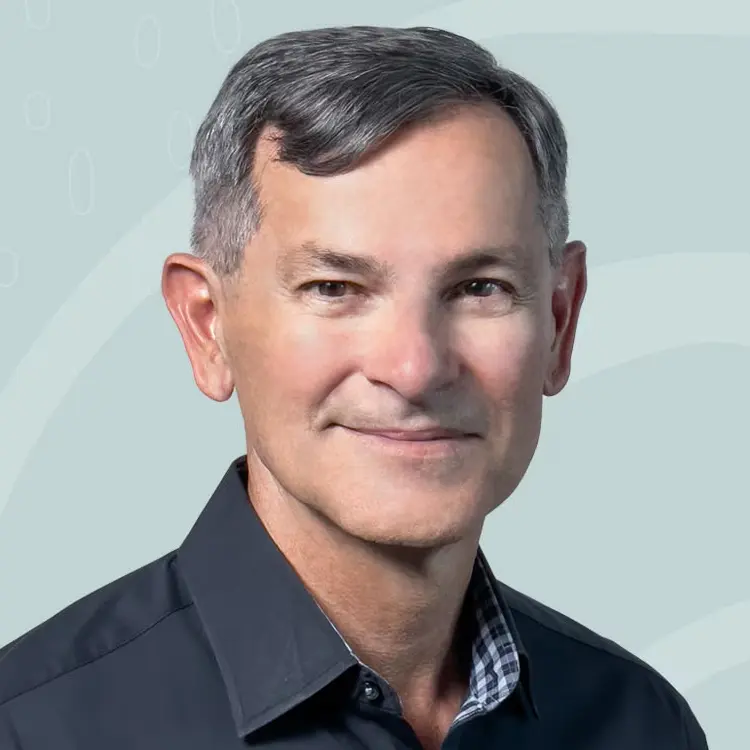
Juan Loaiza, Oracle, at Oracle Next Generation Engineered Systems Launch with John Furrier and Dave Vellante
@theCUBE
#datacenter
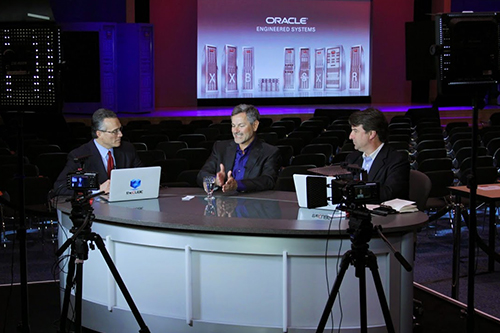
Juan Loaiza, Senior Vice President of Oracle Corporation‘s Systems Group, said that Oracle Exadata Database Machines have never been faster — in fact, they are faster than anything else currently on the market. He sat down with Dave Vellante and John Furrier on theCUBE at the Oracle Next Generation Engineered Systems Launch to offer insight into what Oracle calls the “new generation of database machines.”
In one of Oracle’s “biggest releases ever,” Loaiza said the tech behemoth has made “vast improvements to the hardware” and added “specific software features.” For Exadata, Loaiza said this includes all flash memory, virtualization, columnar compression (a system of high level data compression designed to take advantage of an optimized column-and-row storage format), and fault-tolerant in-memory processing. These changes, Loaiza explained, take performance to a whole new level. Improvements like these have been made possible, he said, because Oracle owns the “entire system.”
Because Oracle controls, as Loaiza stated, “the database software, as well as the OS, as well as the storage, as well as the networking,” it’s free to move functions between these features. Loaiza cited an example: “We can put network protocols directly into our databases, instead of an OS. We can put storage protocols directly into our database. We can move database functions into storage.” All this interconnectivity means that Oracle Engineered Systems function more efficiently and with less expense than a combination of an Oracle database on top of “generic radar, generic network, and generic storage.” Loaiza explained.
Tight integration, Loaiza said, enables Exadata to take advantage of technologies in a new and exciting way. In Exadata, he said enthusiastically, “the chip talks directly to the Flash.” Oracle promises 260 gigabytes of data throughput with this new configuration,
This type of interconnectivity between hardware and software is where Oracle wants to leave a lasting mark. They’ve already mastered bringing together hardware and software teams to optimize the whole system, and Loaiza said that this change will help Oracle move forward by “optimizing the formats for the database” as well as specializing hardware and chips to create the next generation of engineered database systems.
Watch the full interview with Loaiza below, and be sure to check out even more from SiliconANGLE’s and theCUBE’s Coverage of Oracle’s Next Generation Engineered Systems Launch.
Forgot Password
Almost there!
We just sent you a verification email. Please verify your account to gain access to
Oracle Next Gen Engineered Systems Launch 2015 | Redwood City. If you don’t think you received an email check your
spam folder.
Sign in to Oracle Next Gen Engineered Systems Launch 2015 | Redwood City.
In order to sign in, enter the email address you used to registered for the event. Once completed, you will receive an email with a verification link. Open this link to automatically sign into the site.
Register For Oracle Next Gen Engineered Systems Launch 2015 | Redwood City
Please fill out the information below. You will recieve an email with a verification link confirming your registration. Click the link to automatically sign into the site.
You’re almost there!
We just sent you a verification email. Please click the verification button in the email. Once your email address is verified, you will have full access to all event content for Oracle Next Gen Engineered Systems Launch 2015 | Redwood City.
I want my badge and interests to be visible to all attendees.
Checking this box will display your presense on the attendees list, view your profile and allow other attendees to contact you via 1-1 chat. Read the Privacy Policy. At any time, you can choose to disable this preference.
Select your Interests!
add
Upload your photo
Uploading..
OR
Connect via Twitter
Connect via Linkedin
EDIT PASSWORD
Share
Forgot Password
Almost there!
We just sent you a verification email. Please verify your account to gain access to
Oracle Next Gen Engineered Systems Launch 2015 | Redwood City. If you don’t think you received an email check your
spam folder.
Sign in to Oracle Next Gen Engineered Systems Launch 2015 | Redwood City.
In order to sign in, enter the email address you used to registered for the event. Once completed, you will receive an email with a verification link. Open this link to automatically sign into the site.
Sign in to gain access to Oracle Next Gen Engineered Systems Launch 2015 | Redwood City
Please sign in with LinkedIn to continue to Oracle Next Gen Engineered Systems Launch 2015 | Redwood City. Signing in with LinkedIn ensures a professional environment.
Are you sure you want to remove access rights for this user?
Details
Manage Access
email address
Community Invitation
Juan Loaiza - Oracle Next Generation Engineered Systems Launch - theCUBE
Juan Loaiza, Oracle, at Oracle Next Generation Engineered Systems Launch with John Furrier and Dave Vellante
@theCUBE
#datacenter
Juan Loaiza, Senior Vice President of Oracle Corporation‘s Systems Group, said that Oracle Exadata Database Machines have never been faster — in fact, they are faster than anything else currently on the market. He sat down with Dave Vellante and John Furrier on theCUBE at the Oracle Next Generation Engineered Systems Launch to offer insight into what Oracle calls the “new generation of database machines.”
In one of Oracle’s “biggest releases ever,” Loaiza said the tech behemoth has made “vast improvements to the hardware” and added “specific software features.” For Exadata, Loaiza said this includes all flash memory, virtualization, columnar compression (a system of high level data compression designed to take advantage of an optimized column-and-row storage format), and fault-tolerant in-memory processing. These changes, Loaiza explained, take performance to a whole new level. Improvements like these have been made possible, he said, because Oracle owns the “entire system.”
Because Oracle controls, as Loaiza stated, “the database software, as well as the OS, as well as the storage, as well as the networking,” it’s free to move functions between these features. Loaiza cited an example: “We can put network protocols directly into our databases, instead of an OS. We can put storage protocols directly into our database. We can move database functions into storage.” All this interconnectivity means that Oracle Engineered Systems function more efficiently and with less expense than a combination of an Oracle database on top of “generic radar, generic network, and generic storage.” Loaiza explained.
Tight integration, Loaiza said, enables Exadata to take advantage of technologies in a new and exciting way. In Exadata, he said enthusiastically, “the chip talks directly to the Flash.” Oracle promises 260 gigabytes of data throughput with this new configuration,
This type of interconnectivity between hardware and software is where Oracle wants to leave a lasting mark. They’ve already mastered bringing together hardware and software teams to optimize the whole system, and Loaiza said that this change will help Oracle move forward by “optimizing the formats for the database” as well as specializing hardware and chips to create the next generation of engineered database systems.
Watch the full interview with Loaiza below, and be sure to check out even more from SiliconANGLE’s and theCUBE’s Coverage of Oracle’s Next Generation Engineered Systems Launch.