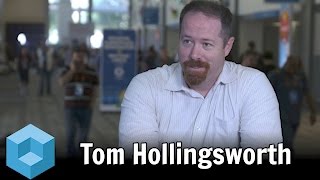
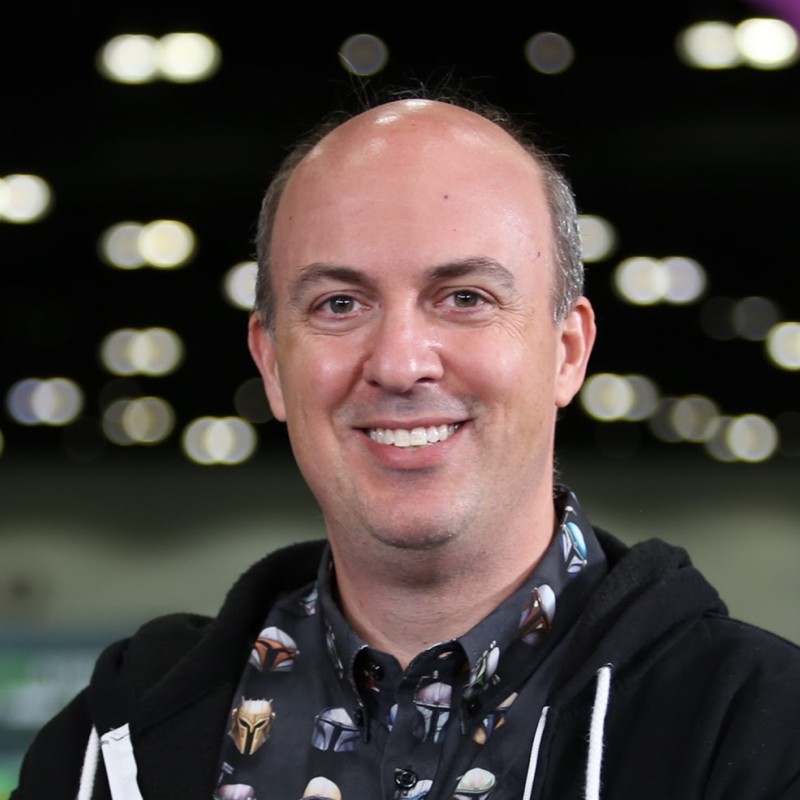
01. Chris Emmons, Verizon, visits #theCUBE!. (00:17)
02. Kyle Forster, Big Switch, visits #theCUBE!. (00:37)
03. OpenStack at Verizon and Chris Emmons' Role. (00:50)
04. Decoding the NFV / SDN Distinction. (02:16)
05. The Journey to Verizon's Solution. (04:25)
06. The Team at Network Infrastructure Planning. (06:32)
07. Big Switch's Experience with Verizon. (09:05)
08. Bringing Changes to Verizon. (10:45)
09. Partnership Learnings with Big Switch and Verizon. (13:39)
10. Peer Advice from Chris Emmons. (15:26)
Track List created with http://www.vinjavideo.com.
--- ---
Navigating network upgrades with NFV | #OpenStack
by Gabriel Pesek | Apr 27, 2016
At the 2016 OpenStack Summit taking place in Austin, TX, enterprise representatives from diverse backgrounds are meeting to share their goals and innovations, but it’s also a place for companies with established connections to demonstrate some of the fruits of their collaborations.
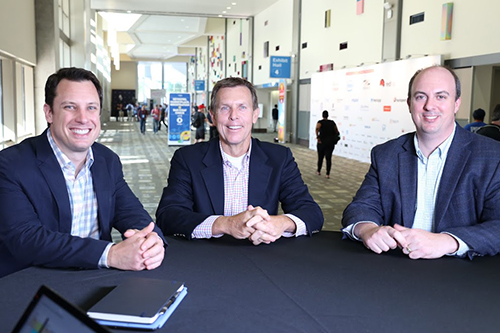
Chris Emmons, director of network infrastructure planning at Verizon, and Kyle Forster, founder of Big Switch Networks, Inc., met with Stu Miniman (@stu), cohost of theCUBE, from the SiliconANGLE Media team, to talk about the work of their partnership to upgrade Verizon’s infrastructure and the challenges met along the way.
Deploying new infrastructure
Network Functions Virtualization (NFV) was a big part of the discussion, as it helps to meet the needs of Verizon’s networks by managing stressloads and optimizing handling. As routing capacity has to be able to handle surges and regular heavy loads, these aspects are nothing to skimp on, and as Emmons pointed out, “Verizon’s been involved in NFV since its inception.”
Forster laid out the timeline of progress for the two companies as they worked to implement the upgrade, covering a nine-month period (with groundwork prior to that) “from first conversation to full production.” While Big Switch Networks had to partner with additional companies in order to reach the needed speeds, this was not an unwelcome move to them. As an example of the help from this move, it avoided going full whitebox initially, instead using similar functionality provided by Dell, with the security of Dell’s support in those early stages.
The big step up
Forster also described Verizon’s aim of using only the best, explaining, “It’s absolutely critical for us to work with the ones who are leaders in the industry. … This, to me, is what success looks like.”
Emmons was similarly positive, saying, “To speak to the people part, it really has been … a good challenge, because we’re changing, fundamentally, the way we run our telco networks. … When you’re changing a big organization with a pretty significant technology change like this, it’s challenging, but we’re working through it.”
Emmons also outlined some of the results Verizon anticipated from the upgrade, such as reductions in Capex and Opex costs, but noted, “The thing maybe we’re most excited about, making our network programmable, will allow us to launch things faster, quicker time to market, faster reaction to demands on the network.”
Forgot Password
Almost there!
We just sent you a verification email. Please verify your account to gain access to
OpenStack Summit 2016 | Austin, TX. If you don’t think you received an email check your
spam folder.
In order to sign in, enter the email address you used to registered for the event. Once completed, you will receive an email with a verification link. Open this link to automatically sign into the site.
Register For OpenStack Summit 2016 | Austin, TX
Please fill out the information below. You will recieve an email with a verification link confirming your registration. Click the link to automatically sign into the site.
You’re almost there!
We just sent you a verification email. Please click the verification button in the email. Once your email address is verified, you will have full access to all event content for OpenStack Summit 2016 | Austin, TX.
I want my badge and interests to be visible to all attendees.
Checking this box will display your presense on the attendees list, view your profile and allow other attendees to contact you via 1-1 chat. Read the Privacy Policy. At any time, you can choose to disable this preference.
Select your Interests!
add
Upload your photo
Uploading..
OR
Connect via Twitter
Connect via Linkedin
EDIT PASSWORD
Share
Forgot Password
Almost there!
We just sent you a verification email. Please verify your account to gain access to
OpenStack Summit 2016 | Austin, TX. If you don’t think you received an email check your
spam folder.
In order to sign in, enter the email address you used to registered for the event. Once completed, you will receive an email with a verification link. Open this link to automatically sign into the site.
Sign in to gain access to OpenStack Summit 2016 | Austin, TX
Please sign in with LinkedIn to continue to OpenStack Summit 2016 | Austin, TX. Signing in with LinkedIn ensures a professional environment.
01. Chris Emmons, Verizon, visits #theCUBE!. (00:17)
02. Kyle Forster, Big Switch, visits #theCUBE!. (00:37)
03. OpenStack at Verizon and Chris Emmons' Role. (00:50)
04. Decoding the NFV / SDN Distinction. (02:16)
05. The Journey to Verizon's Solution. (04:25)
06. The Team at Network Infrastructure Planning. (06:32)
07. Big Switch's Experience with Verizon. (09:05)
08. Bringing Changes to Verizon. (10:45)
09. Partnership Learnings with Big Switch and Verizon. (13:39)
10. Peer Advice from Chris Emmons. (15:26)
Track List created with http://www.vinjavideo.com.
--- ---
Navigating network upgrades with NFV | #OpenStack
by Gabriel Pesek | Apr 27, 2016
At the 2016 OpenStack Summit taking place in Austin, TX, enterprise representatives from diverse backgrounds are meeting to share their goals and innovations, but it’s also a place for companies with established connections to demonstrate some of the fruits of their collaborations.
Chris Emmons, director of network infrastructure planning at Verizon, and Kyle Forster, founder of Big Switch Networks, Inc., met with Stu Miniman (@stu), cohost of theCUBE, from the SiliconANGLE Media team, to talk about the work of their partnership to upgrade Verizon’s infrastructure and the challenges met along the way.
Deploying new infrastructure
Network Functions Virtualization (NFV) was a big part of the discussion, as it helps to meet the needs of Verizon’s networks by managing stressloads and optimizing handling. As routing capacity has to be able to handle surges and regular heavy loads, these aspects are nothing to skimp on, and as Emmons pointed out, “Verizon’s been involved in NFV since its inception.”
Forster laid out the timeline of progress for the two companies as they worked to implement the upgrade, covering a nine-month period (with groundwork prior to that) “from first conversation to full production.” While Big Switch Networks had to partner with additional companies in order to reach the needed speeds, this was not an unwelcome move to them. As an example of the help from this move, it avoided going full whitebox initially, instead using similar functionality provided by Dell, with the security of Dell’s support in those early stages.
The big step up
Forster also described Verizon’s aim of using only the best, explaining, “It’s absolutely critical for us to work with the ones who are leaders in the industry. … This, to me, is what success looks like.”
Emmons was similarly positive, saying, “To speak to the people part, it really has been … a good challenge, because we’re changing, fundamentally, the way we run our telco networks. … When you’re changing a big organization with a pretty significant technology change like this, it’s challenging, but we’re working through it.”
Emmons also outlined some of the results Verizon anticipated from the upgrade, such as reductions in Capex and Opex costs, but noted, “The thing maybe we’re most excited about, making our network programmable, will allow us to launch things faster, quicker time to market, faster reaction to demands on the network.”