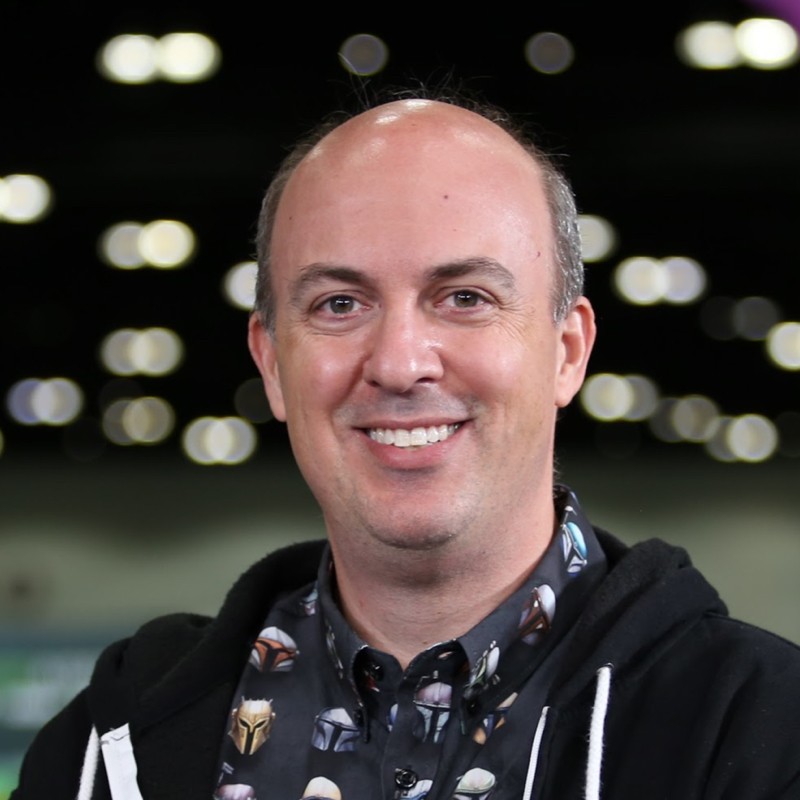
Guillaume Aubuchon, DigitalFilm Tree at Openstack Summit Atlanta 2014 with John Furrier and Stu Miniman
@thecube
#openstacksummit
At the #openstacksummit 2014, Stu Miniman and John Furrier, theCUBE co-hosts, interviewed Guillaume Aubuchon, CTO of DigitalFilm Tree to get his take on how OpenStack is serving the film industry.
Furrier first asked Aubuchon to talk about how he first found his way to OpenStack and cloud storage as a filmmaker. Aubuchon explained that just under a decade ago he and his colleagues saw that they needed to write their own software in order to “further our business and continue innovating in post production.”
This prompted Furrier to ask exactly what type of cutting edge technology is at play in Hollywood.
“In this day and age,” Aubuchon said, “to be a cutting-edge filmmaker, you have to be a superlative technologist as well.” He mentioned that Hollywood has begun shooting and adding effects digitally, and that they’re filming all over the world and therefore need to access that data regardless of where they are.
Furrier inquired whether coding was also a factor. Aubuchon replied that yes, in order to manipulate the pipeline, serve the creative process in the most efficient way possible, and get the most from the money when filming, they have to write custom code.
Where technology & creativity intersect
.
Next, Furrier asked Aubuchon to consider the education process in film and journalism, and to explain where technology intersects with the creative process. Aubuchon reflected on how video has been democratized through technology, and believes that students now can communicate with video just like filmmakers.
Furrier inquired, “Is the tooling sufficient right now?”
Aubuchon replied with a resounding affirmative, explaining that iPhones and DSLRs have given amateurs access to the same tools that filmmakers use to create multimillion dollar TV shows and feature films.
The infrastructure of modern filmmaking
.
Then, Miniman wondered how difficult it has been for DigitalFilm Tree to maintain building their own software.
Aubuchon laid out his company’s original motivators that pushed them to create their own software: “We had grown weary of being battered around by companies changing their software or going to out business.” He agreed that it is difficult to maintain, but that he and his colleagues decided that it was the best way to grow their business — to “deliver a unique experience.”
Curious about the infrastructure that supports DigitalFilm Tree, Furrier asked Aubuchon to take theCUBE co-hosts through “the sausage factory that is your business.”
Aubuchon explained that their original need was for cheap, reliable storage, “so we started by implementing swift storage as a way to not only build out large amounts of storage at digital film tree, but also to build out nodes of that storage on site.”
He explained that they work with two shows right now, and each show has a swift node in editorial that’ snacking up the RAW camera data, so that creatives have access to their footage that’s sunk back to DigitalFilm Tree. He stressed that instantaneous access was a key factor to them, that they wanted to provide creatives with the “same feel as vine or twitter, but in [a] professional creative environment.”
Furrier then asked how creatives find the clips in question, whether they are indexed and if DigitalFlim Tree wrote that software themselves. Aubuchon said that they use NoSQL databasing and OpenStack tools that allow them to sift through metadata. “The key,” he elaborated, “is that we have an infrastructure with OpenStack that we’re aggregating all that meta data to.” He explained that they use said metadata to build associations that make it extremely simple for their creatives to search for what they want.
When asked about his wish list for technology in the coming years, Aubuchon said simply, “Bandwidth, bandwidth, bandwidth.” He said that while storage technologies are maturing, transporting 60 to 70 terabytes of material was cost prohibitive.
Forgot Password
Almost there!
We just sent you a verification email. Please verify your account to gain access to
OpenStack Summit 2014 | Atlanta. If you don’t think you received an email check your
spam folder.
In order to sign in, enter the email address you used to registered for the event. Once completed, you will receive an email with a verification link. Open this link to automatically sign into the site.
Register For OpenStack Summit 2014 | Atlanta
Please fill out the information below. You will recieve an email with a verification link confirming your registration. Click the link to automatically sign into the site.
You’re almost there!
We just sent you a verification email. Please click the verification button in the email. Once your email address is verified, you will have full access to all event content for OpenStack Summit 2014 | Atlanta.
I want my badge and interests to be visible to all attendees.
Checking this box will display your presense on the attendees list, view your profile and allow other attendees to contact you via 1-1 chat. Read the Privacy Policy. At any time, you can choose to disable this preference.
Select your Interests!
add
Upload your photo
Uploading..
OR
Connect via Twitter
Connect via Linkedin
EDIT PASSWORD
Share
Forgot Password
Almost there!
We just sent you a verification email. Please verify your account to gain access to
OpenStack Summit 2014 | Atlanta. If you don’t think you received an email check your
spam folder.
In order to sign in, enter the email address you used to registered for the event. Once completed, you will receive an email with a verification link. Open this link to automatically sign into the site.
Sign in to gain access to OpenStack Summit 2014 | Atlanta
Please sign in with LinkedIn to continue to OpenStack Summit 2014 | Atlanta. Signing in with LinkedIn ensures a professional environment.
Are you sure you want to remove access rights for this user?
Details
Manage Access
email address
Community Invitation
Guillaume Aubuchon | Openstack Summit 2014 [ Atlanta, GA ]
Guillaume Aubuchon, DigitalFilm Tree at Openstack Summit Atlanta 2014 with John Furrier and Stu Miniman
@thecube
#openstacksummit
At the #openstacksummit 2014, Stu Miniman and John Furrier, theCUBE co-hosts, interviewed Guillaume Aubuchon, CTO of DigitalFilm Tree to get his take on how OpenStack is serving the film industry.
Furrier first asked Aubuchon to talk about how he first found his way to OpenStack and cloud storage as a filmmaker. Aubuchon explained that just under a decade ago he and his colleagues saw that they needed to write their own software in order to “further our business and continue innovating in post production.”
This prompted Furrier to ask exactly what type of cutting edge technology is at play in Hollywood.
“In this day and age,” Aubuchon said, “to be a cutting-edge filmmaker, you have to be a superlative technologist as well.” He mentioned that Hollywood has begun shooting and adding effects digitally, and that they’re filming all over the world and therefore need to access that data regardless of where they are.
Furrier inquired whether coding was also a factor. Aubuchon replied that yes, in order to manipulate the pipeline, serve the creative process in the most efficient way possible, and get the most from the money when filming, they have to write custom code.
Where technology & creativity intersect
.
Next, Furrier asked Aubuchon to consider the education process in film and journalism, and to explain where technology intersects with the creative process. Aubuchon reflected on how video has been democratized through technology, and believes that students now can communicate with video just like filmmakers.
Furrier inquired, “Is the tooling sufficient right now?”
Aubuchon replied with a resounding affirmative, explaining that iPhones and DSLRs have given amateurs access to the same tools that filmmakers use to create multimillion dollar TV shows and feature films.
The infrastructure of modern filmmaking
.
Then, Miniman wondered how difficult it has been for DigitalFilm Tree to maintain building their own software.
Aubuchon laid out his company’s original motivators that pushed them to create their own software: “We had grown weary of being battered around by companies changing their software or going to out business.” He agreed that it is difficult to maintain, but that he and his colleagues decided that it was the best way to grow their business — to “deliver a unique experience.”
Curious about the infrastructure that supports DigitalFilm Tree, Furrier asked Aubuchon to take theCUBE co-hosts through “the sausage factory that is your business.”
Aubuchon explained that their original need was for cheap, reliable storage, “so we started by implementing swift storage as a way to not only build out large amounts of storage at digital film tree, but also to build out nodes of that storage on site.”
He explained that they work with two shows right now, and each show has a swift node in editorial that’ snacking up the RAW camera data, so that creatives have access to their footage that’s sunk back to DigitalFilm Tree. He stressed that instantaneous access was a key factor to them, that they wanted to provide creatives with the “same feel as vine or twitter, but in [a] professional creative environment.”
Furrier then asked how creatives find the clips in question, whether they are indexed and if DigitalFlim Tree wrote that software themselves. Aubuchon said that they use NoSQL databasing and OpenStack tools that allow them to sift through metadata. “The key,” he elaborated, “is that we have an infrastructure with OpenStack that we’re aggregating all that meta data to.” He explained that they use said metadata to build associations that make it extremely simple for their creatives to search for what they want.
When asked about his wish list for technology in the coming years, Aubuchon said simply, “Bandwidth, bandwidth, bandwidth.” He said that while storage technologies are maturing, transporting 60 to 70 terabytes of material was cost prohibitive.