‘Wrangling in’ the herd of containers | #OpenStackSV
by Marlene Den Bleyker | Aug 10, 2016
During the development process of Rancher Labs, Inc., the founders of the open-source container project were not sure if the platform would take off quickly or at a longer-burning pace. Their research showed that many companies large and small had containers on their radar, and saw the project instantly build steam.
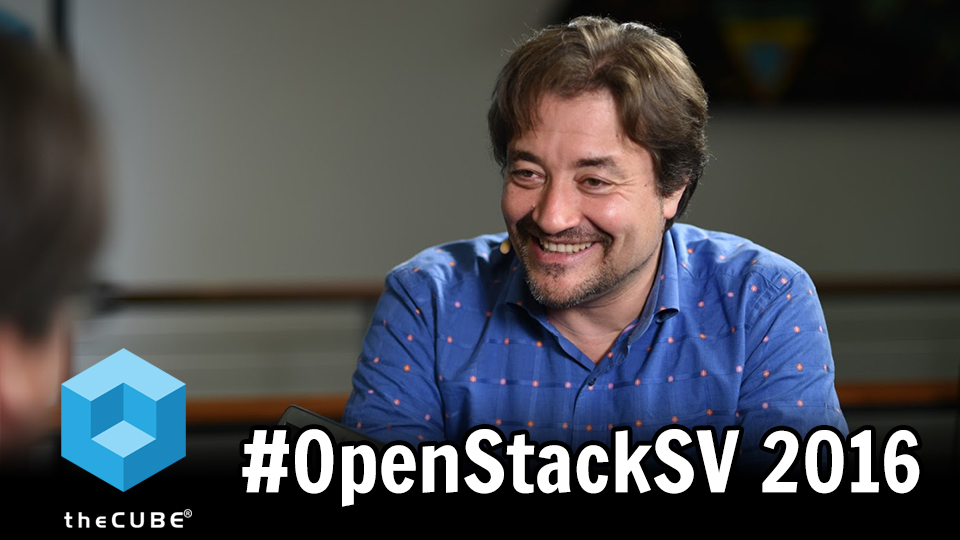
During OpenStack Days: Silicon Valley 2016, held at the Computer History Museum in Mountain View, CA, Shannon Williams, cofounder of Rancher Labs, sat down with John Furrier (@furrier) and Lisa Martin (@Luccazara), cohosts of theCUBE, from the SiliconANGLE Media team, to talk about the project and what they have learned.
Hot space
According to Williams, when the cofounders started building Rancher, the vision was to build an infrastructure platform that could consume cloud resources from any source. Whether the customer was using virtual machines, physical machines, Amazon Web Services (AWS), Google Kubernetes or Apache Mesos, the platform would implement container management on top of it.
“[Beginning] early in the space, developing allowed us to get our feet dirty with tools like Kubernetes and Mesos when they were just in their early stage,” said Williams. He noted that by contributing to and learning about tools like Kubernetes, Docker Swarm and Mesos when they were just in their early stage of development helped jumpstart the project, which began as a nine-month alpha program in 2014.
Soon Rancher Labs was hearing from people who were interested in using containers, and the company found itself being pushed to move faster. Williams stated that it spiraled from there.
In the eye of the tornado
Furrier sees a tornado of activity in the industry and believes there is a need for revenue models in the container space. He referred to the Rancher Labs’ management platform as “the sweet spot” for containers.
“In the middle of the tornado is a good place as a startup, because you want to get to work with a lot of customers. By implementing a platform that supports Docker’s native orchestration form, as well as Mesos and Kubernetes, we really appeal to a lot of the larger organizations that like the direction of where containers are going, but they don’t want to pick one tool to use across all the different projects,” clarified Williams.
The platform has been well received, and the company is getting rave reviews from its customers. Williams explained that the revenue comes from support and other services. Once customers use the tool, they are more willing to invest in the company’s services.
Try and buy
The enterprise is moving toward open source because it is finding it hard to commit to one type of technology. Williams sees two types of projects: the small team that has an app going live and they need to move quickly or the team in larger companies that are strategically building containers and are taking time to analyze what they need. He sees both happening: companies that want to build with control and support a central vision and other companies that are picking a project and running with it.
“In a lot of way, those projects are turning out to be quite successful because, as always, if the team believes in the tools they are using, they will defend them and make them work,” said Williams.
Forgot Password
Almost there!
We just sent you a verification email. Please verify your account to gain access to
OpenStack Days Silicon Valley 2016 | Mountain View. If you don’t think you received an email check your
spam folder.
Sign in to OpenStack Days Silicon Valley 2016 | Mountain View.
In order to sign in, enter the email address you used to registered for the event. Once completed, you will receive an email with a verification link. Open this link to automatically sign into the site.
Register For OpenStack Days Silicon Valley 2016 | Mountain View
Please fill out the information below. You will recieve an email with a verification link confirming your registration. Click the link to automatically sign into the site.
You’re almost there!
We just sent you a verification email. Please click the verification button in the email. Once your email address is verified, you will have full access to all event content for OpenStack Days Silicon Valley 2016 | Mountain View.
I want my badge and interests to be visible to all attendees.
Checking this box will display your presense on the attendees list, view your profile and allow other attendees to contact you via 1-1 chat. Read the Privacy Policy. At any time, you can choose to disable this preference.
Select your Interests!
add
Upload your photo
Uploading..
OR
Connect via Twitter
Connect via Linkedin
EDIT PASSWORD
Share
Forgot Password
Almost there!
We just sent you a verification email. Please verify your account to gain access to
OpenStack Days Silicon Valley 2016 | Mountain View. If you don’t think you received an email check your
spam folder.
Sign in to OpenStack Days Silicon Valley 2016 | Mountain View.
In order to sign in, enter the email address you used to registered for the event. Once completed, you will receive an email with a verification link. Open this link to automatically sign into the site.
Sign in to gain access to OpenStack Days Silicon Valley 2016 | Mountain View
Please sign in with LinkedIn to continue to OpenStack Days Silicon Valley 2016 | Mountain View. Signing in with LinkedIn ensures a professional environment.
‘Wrangling in’ the herd of containers | #OpenStackSV
by Marlene Den Bleyker | Aug 10, 2016
During the development process of Rancher Labs, Inc., the founders of the open-source container project were not sure if the platform would take off quickly or at a longer-burning pace. Their research showed that many companies large and small had containers on their radar, and saw the project instantly build steam.
During OpenStack Days: Silicon Valley 2016, held at the Computer History Museum in Mountain View, CA, Shannon Williams, cofounder of Rancher Labs, sat down with John Furrier (@furrier) and Lisa Martin (@Luccazara), cohosts of theCUBE, from the SiliconANGLE Media team, to talk about the project and what they have learned.
Hot space
According to Williams, when the cofounders started building Rancher, the vision was to build an infrastructure platform that could consume cloud resources from any source. Whether the customer was using virtual machines, physical machines, Amazon Web Services (AWS), Google Kubernetes or Apache Mesos, the platform would implement container management on top of it.
“[Beginning] early in the space, developing allowed us to get our feet dirty with tools like Kubernetes and Mesos when they were just in their early stage,” said Williams. He noted that by contributing to and learning about tools like Kubernetes, Docker Swarm and Mesos when they were just in their early stage of development helped jumpstart the project, which began as a nine-month alpha program in 2014.
Soon Rancher Labs was hearing from people who were interested in using containers, and the company found itself being pushed to move faster. Williams stated that it spiraled from there.
In the eye of the tornado
Furrier sees a tornado of activity in the industry and believes there is a need for revenue models in the container space. He referred to the Rancher Labs’ management platform as “the sweet spot” for containers.
“In the middle of the tornado is a good place as a startup, because you want to get to work with a lot of customers. By implementing a platform that supports Docker’s native orchestration form, as well as Mesos and Kubernetes, we really appeal to a lot of the larger organizations that like the direction of where containers are going, but they don’t want to pick one tool to use across all the different projects,” clarified Williams.
The platform has been well received, and the company is getting rave reviews from its customers. Williams explained that the revenue comes from support and other services. Once customers use the tool, they are more willing to invest in the company’s services.
Try and buy
The enterprise is moving toward open source because it is finding it hard to commit to one type of technology. Williams sees two types of projects: the small team that has an app going live and they need to move quickly or the team in larger companies that are strategically building containers and are taking time to analyze what they need. He sees both happening: companies that want to build with control and support a central vision and other companies that are picking a project and running with it.
“In a lot of way, those projects are turning out to be quite successful because, as always, if the team believes in the tools they are using, they will defend them and make them work,” said Williams.