01. Leo Leung, Scality, Visits theCUBE . (00:17)
02. Breakdown of Scality and Easy Conversations. (00:50)
03. Two Patterns of Change. (02:32)
04. Addressing Storage and Capacity. (04:38)
05. How Software Fits In. (07:010)
06. Flash Enables Consistency. (07:59)
07. Strong Relationship with HPE and Dell. (09:03)
08. Scality's Presence at OCP and OpenStack Summits. (11:16)
09. Scality's Growth and Upcoming Projects. (13:36)
#theCUBE #OCPSummit #Scality #OCPSummit16 #SiliconANGLE #OpenComputeProject
--- ---
Is open computing penetrating into mainstream enterprises? | #OCPSummit16
by Gabriel Pesek | Mar 11, 2016
Among the attendees at the OCP U.S. Summit 2016, scalable infrastructure is generating some energized conversations, as new developments in its implementation and new uses for its utilities are creating big disruption in established practices.
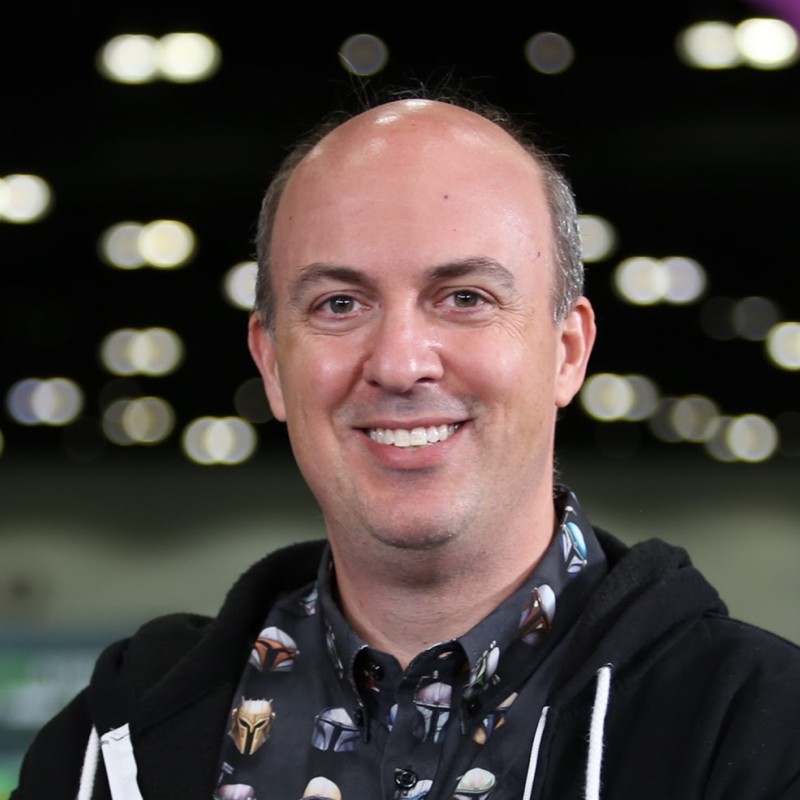
Leo Leung, VP of corporate marketing at Scality, Inc., joined Jeff Frick and Stu Miniman, cohosts of theCUBE, from the SiliconANGLE Media team, to discuss some of the ways in which his company is joining with open computing to push its services and the market forward.
Tech in and out
Leung had positive words for the OCP event, which his company has been attending for a number of years. “It’s one of our best shows; it’s the easiest conversations we have, because everyone understands scale-out. So we can get right into the meat of what we do, on top of hardware,” he said.
He also felt that, beyond the welcoming atmosphere, OCP’s presence year after year was having a significant effect on the business world for tech-savvy enterprises. “I think OCP has been very important to push all the manufacturers down the path … It’s forced everybody to change. But there is adoption, now, outside of the hyperscale providers,” he said, adding that, whether enterprises buy OCP hardware or not, they need to understand the implications of its presence in the marketplace.
Improvements and awareness
Going through a wide array of issues and benefits from open computing’s impact, Leung noted that in the excitement surrounding it, some basic but important qualities of hardware and software were ending up somewhat obscured. As an example, he picked out latency improvement, once a much more high-profile priority for developers. “Maybe people think the [latency] problem is solved, but it’s not, not entirely.”
However, that didn’t keep him from being enthused about the more frequently highlighted improvements that had surfaced in recent years. “With flash, with MvM, there’s going to be some new applications that previously weren’t possible,” he said, and gave the move of indexing functions to flash as just one way in which Scality “can provide the kind of performance that people are looking for.”
Overall, the positive points seemed to outweigh worries that consumers and developers were ending up too dazzled by possibilities. “Customers win at the end of the day … they have a broad, broad choice of options,” Leung stated. For Scality, and other enterprises in similar sectors, that points to a bright future in new environments. “I think that we’re continuing to grow … starting to get real penetration into the mainstream enterprises.”
@theCUBE
#OCPSummit16
Forgot Password
Almost there!
We just sent you a verification email. Please verify your account to gain access to
Open Compute Project Summit 2016 | San Jose. If you don’t think you received an email check your
spam folder.
Sign in to Open Compute Project Summit 2016 | San Jose.
In order to sign in, enter the email address you used to registered for the event. Once completed, you will receive an email with a verification link. Open this link to automatically sign into the site.
Register For Open Compute Project Summit 2016 | San Jose
Please fill out the information below. You will recieve an email with a verification link confirming your registration. Click the link to automatically sign into the site.
You’re almost there!
We just sent you a verification email. Please click the verification button in the email. Once your email address is verified, you will have full access to all event content for Open Compute Project Summit 2016 | San Jose.
I want my badge and interests to be visible to all attendees.
Checking this box will display your presense on the attendees list, view your profile and allow other attendees to contact you via 1-1 chat. Read the Privacy Policy. At any time, you can choose to disable this preference.
Select your Interests!
add
Upload your photo
Uploading..
OR
Connect via Twitter
Connect via Linkedin
EDIT PASSWORD
Share
Forgot Password
Almost there!
We just sent you a verification email. Please verify your account to gain access to
Open Compute Project Summit 2016 | San Jose. If you don’t think you received an email check your
spam folder.
Sign in to Open Compute Project Summit 2016 | San Jose.
In order to sign in, enter the email address you used to registered for the event. Once completed, you will receive an email with a verification link. Open this link to automatically sign into the site.
Sign in to gain access to Open Compute Project Summit 2016 | San Jose
Please sign in with LinkedIn to continue to Open Compute Project Summit 2016 | San Jose. Signing in with LinkedIn ensures a professional environment.
Are you sure you want to remove access rights for this user?
Details
Manage Access
email address
Community Invitation
Leo Leung, Scality | Open Compute Project Summit 2016
01. Leo Leung, Scality, Visits theCUBE . (00:17)
02. Breakdown of Scality and Easy Conversations. (00:50)
03. Two Patterns of Change. (02:32)
04. Addressing Storage and Capacity. (04:38)
05. How Software Fits In. (07:010)
06. Flash Enables Consistency. (07:59)
07. Strong Relationship with HPE and Dell. (09:03)
08. Scality's Presence at OCP and OpenStack Summits. (11:16)
09. Scality's Growth and Upcoming Projects. (13:36)
#theCUBE #OCPSummit #Scality #OCPSummit16 #SiliconANGLE #OpenComputeProject
--- ---
Is open computing penetrating into mainstream enterprises? | #OCPSummit16
by Gabriel Pesek | Mar 11, 2016
Among the attendees at the OCP U.S. Summit 2016, scalable infrastructure is generating some energized conversations, as new developments in its implementation and new uses for its utilities are creating big disruption in established practices.
Leo Leung, VP of corporate marketing at Scality, Inc., joined Jeff Frick and Stu Miniman, cohosts of theCUBE, from the SiliconANGLE Media team, to discuss some of the ways in which his company is joining with open computing to push its services and the market forward.
Tech in and out
Leung had positive words for the OCP event, which his company has been attending for a number of years. “It’s one of our best shows; it’s the easiest conversations we have, because everyone understands scale-out. So we can get right into the meat of what we do, on top of hardware,” he said.
He also felt that, beyond the welcoming atmosphere, OCP’s presence year after year was having a significant effect on the business world for tech-savvy enterprises. “I think OCP has been very important to push all the manufacturers down the path … It’s forced everybody to change. But there is adoption, now, outside of the hyperscale providers,” he said, adding that, whether enterprises buy OCP hardware or not, they need to understand the implications of its presence in the marketplace.
Improvements and awareness
Going through a wide array of issues and benefits from open computing’s impact, Leung noted that in the excitement surrounding it, some basic but important qualities of hardware and software were ending up somewhat obscured. As an example, he picked out latency improvement, once a much more high-profile priority for developers. “Maybe people think the [latency] problem is solved, but it’s not, not entirely.”
However, that didn’t keep him from being enthused about the more frequently highlighted improvements that had surfaced in recent years. “With flash, with MvM, there’s going to be some new applications that previously weren’t possible,” he said, and gave the move of indexing functions to flash as just one way in which Scality “can provide the kind of performance that people are looking for.”
Overall, the positive points seemed to outweigh worries that consumers and developers were ending up too dazzled by possibilities. “Customers win at the end of the day … they have a broad, broad choice of options,” Leung stated. For Scality, and other enterprises in similar sectors, that points to a bright future in new environments. “I think that we’re continuing to grow … starting to get real penetration into the mainstream enterprises.”
@theCUBE
#OCPSummit16