Ross Turk sits down with John Furrier & Stu Miniman at Open Source Summit 2017 in Los Angeles, CA
#OSSummit #theCUBE
https://siliconangle.com/2017/09/15/new-tech-leads-evolving-dev-styles-software-defined-systems-keep-pace-ossummit/
New tech leads to evolving dev styles as software-defined systems keep pace
In the days of old, the infrastructure underlying information technology was all about hardware. Big, expensive boxes humming away in a very cold room somewhere. Today’s technology is about software, mobility, options and simplicity. Thanks to its non-proprietary status and community-led contributions, open-source software is a vital part of this new way of computing.
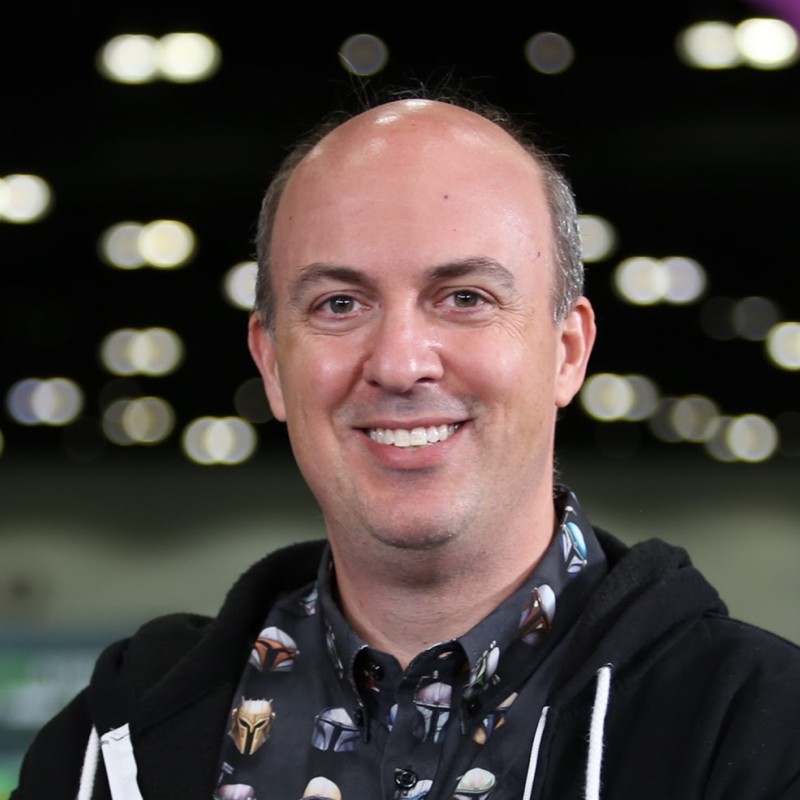
“We’re trying to tell stories about how people operate infrastructure in today’s modern world. It’s about dealing with ephemeral infrastructure, containerized applications, that sort of thing,” said Ross Turk (pictured), director of portfolio evangelism at Red Hat Inc.
Turk spoke with John Furrier (@furrier) and Stu Miniman (@stu), co-hosts of theCUBE, SiliconANGLE’s mobile livestreaming studio, during Open Source Summit in Los Angeles. They discussed open-source evangelism, the changing nature of modern software and software-defined storage. (* Disclosure below.)
Leaning into the new style of development
People are building technology differently from how they did in the past. Likewise, they’re deploying that technology in new ways. Modern operations deal with applications that spill over across multiple machines, and customers want systems that work without hand-holding or wiring things together. Open source is at the forefront of this change, according to Turk.
Red Hat, an open-source software company, aims to give customers a stable, secure operating environment. This environment then sits underneath all the chaos of modern computing, Turk explained. Customers need a reliable foundation on which to build, something that will be running long after the technology up above changes.
Even then, some hardware trends tend to stay the same. “You talk to people … and they talk about this really elaborate infrastructure; well, where is your data being stored? Oh, it’s sitting in Oracle,” Turk said. Red Hat believes storage should be another microservice alongside all the other microservices that make up a virtually managed application, he added.
“What software-defined storage does is it implements those same services and the same capabilities [as traditional storage], but it does it entirely in software,” Turk said. The advantage is that a company can build its storage on any hardware. This includes the cloud. That means a company can be more flexible with their storage solutions, Turk concluded.
Watch the complete video interview below, and be sure to check out more of SiliconANGLE’s and theCUBE’s coverage of Open Source Summit 2017. (* Disclosure: TheCUBE is a paid media partner for Open Source Summit 2017. Neither The Linux Foundation nor Red Hat Inc. have editorial control over content on theCUBE or SiliconANGLE.)
Forgot Password
Almost there!
We just sent you a verification email. Please verify your account to gain access to
Open Source Summit 2017 | Los Angeles. If you don’t think you received an email check your
spam folder.
In order to sign in, enter the email address you used to registered for the event. Once completed, you will receive an email with a verification link. Open this link to automatically sign into the site.
Register For Open Source Summit 2017 | Los Angeles
Please fill out the information below. You will recieve an email with a verification link confirming your registration. Click the link to automatically sign into the site.
You’re almost there!
We just sent you a verification email. Please click the verification button in the email. Once your email address is verified, you will have full access to all event content for Open Source Summit 2017 | Los Angeles.
I want my badge and interests to be visible to all attendees.
Checking this box will display your presense on the attendees list, view your profile and allow other attendees to contact you via 1-1 chat. Read the Privacy Policy. At any time, you can choose to disable this preference.
Select your Interests!
add
Upload your photo
Uploading..
OR
Connect via Twitter
Connect via Linkedin
EDIT PASSWORD
Share
Forgot Password
Almost there!
We just sent you a verification email. Please verify your account to gain access to
Open Source Summit 2017 | Los Angeles. If you don’t think you received an email check your
spam folder.
In order to sign in, enter the email address you used to registered for the event. Once completed, you will receive an email with a verification link. Open this link to automatically sign into the site.
Sign in to gain access to Open Source Summit 2017 | Los Angeles
Please sign in with LinkedIn to continue to Open Source Summit 2017 | Los Angeles. Signing in with LinkedIn ensures a professional environment.
Are you sure you want to remove access rights for this user?
Details
Manage Access
email address
Community Invitation
Ross Turk, Red Hat | Open Source Summit 2017
Ross Turk sits down with John Furrier & Stu Miniman at Open Source Summit 2017 in Los Angeles, CA
#OSSummit #theCUBE
https://siliconangle.com/2017/09/15/new-tech-leads-evolving-dev-styles-software-defined-systems-keep-pace-ossummit/
New tech leads to evolving dev styles as software-defined systems keep pace
In the days of old, the infrastructure underlying information technology was all about hardware. Big, expensive boxes humming away in a very cold room somewhere. Today’s technology is about software, mobility, options and simplicity. Thanks to its non-proprietary status and community-led contributions, open-source software is a vital part of this new way of computing.
“We’re trying to tell stories about how people operate infrastructure in today’s modern world. It’s about dealing with ephemeral infrastructure, containerized applications, that sort of thing,” said Ross Turk (pictured), director of portfolio evangelism at Red Hat Inc.
Turk spoke with John Furrier (@furrier) and Stu Miniman (@stu), co-hosts of theCUBE, SiliconANGLE’s mobile livestreaming studio, during Open Source Summit in Los Angeles. They discussed open-source evangelism, the changing nature of modern software and software-defined storage. (* Disclosure below.)
Leaning into the new style of development
People are building technology differently from how they did in the past. Likewise, they’re deploying that technology in new ways. Modern operations deal with applications that spill over across multiple machines, and customers want systems that work without hand-holding or wiring things together. Open source is at the forefront of this change, according to Turk.
Red Hat, an open-source software company, aims to give customers a stable, secure operating environment. This environment then sits underneath all the chaos of modern computing, Turk explained. Customers need a reliable foundation on which to build, something that will be running long after the technology up above changes.
Even then, some hardware trends tend to stay the same. “You talk to people … and they talk about this really elaborate infrastructure; well, where is your data being stored? Oh, it’s sitting in Oracle,” Turk said. Red Hat believes storage should be another microservice alongside all the other microservices that make up a virtually managed application, he added.
“What software-defined storage does is it implements those same services and the same capabilities [as traditional storage], but it does it entirely in software,” Turk said. The advantage is that a company can build its storage on any hardware. This includes the cloud. That means a company can be more flexible with their storage solutions, Turk concluded.
Watch the complete video interview below, and be sure to check out more of SiliconANGLE’s and theCUBE’s coverage of Open Source Summit 2017. (* Disclosure: TheCUBE is a paid media partner for Open Source Summit 2017. Neither The Linux Foundation nor Red Hat Inc. have editorial control over content on theCUBE or SiliconANGLE.)