Chris Aniszczyk sits down with John Furrier & Stu Miniman at Open Source Summit 2017 in Los Angeles, CA
#OSSummit #theCUBE
https://siliconangle.com/2017/09/13/kubernetes-for-dummies-cncf-tries-to-make-container-orchestration-easy-ossummit/
Kubernetes for dummies: CNCF tries to make container orchestration easy
Kubernetes — a hot orchestration management platform for containers (a virtualized method for running distributed applications) — typically gets lots of hurrahs at developer conferences. Then a small voice in the crowd asks, Have you guys actually tried using this thing?
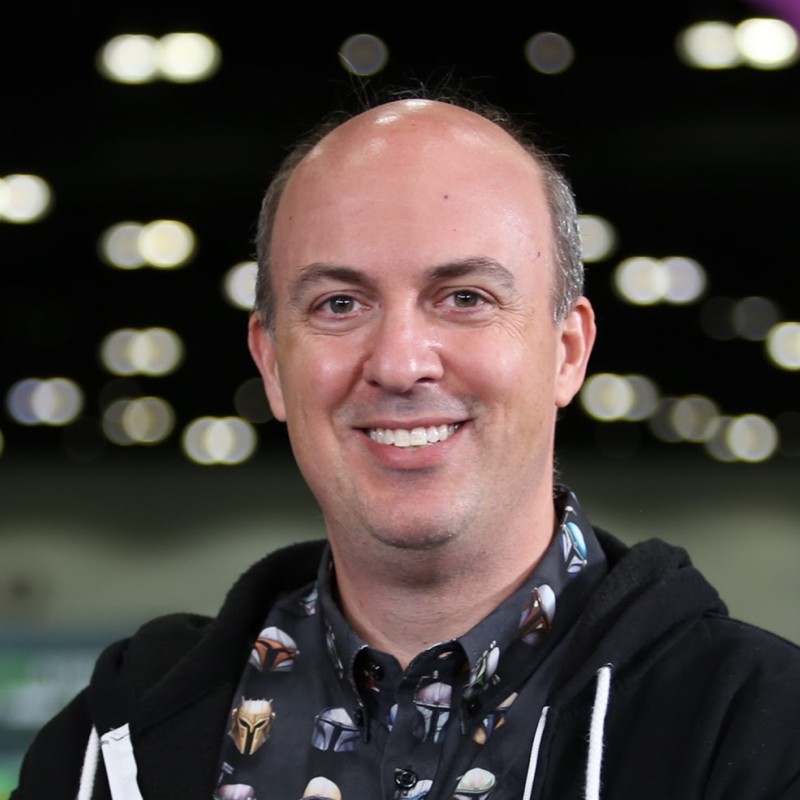
Kubernetes’ complexity is forgivable once users realize that it’s still under construction. “We [the Cloud Native Computing Foundation] have different levels of projects. We have inception, incubation and graduation. Believe it or not, Kubernetes has not graduated yet,” said Chris Aniszczyk (pictured), chief operating officer of CNCF and vice president of developer relations at The Linux Foundation. He is also the executive director of the Open Container Initiative, a collaborative project hosted by The Linux Foundation.
Linux hosts CNCF, which operates the Kubernetes open-source project. Though the project already has tons of users, CNCF is still finalizing its governance, Aniszczyk told John Furrier (@furrier) and Stu Miniman (@stu), co-hosts of theCUBE, SiliconANGLE Media’s mobile livestreaming studio, during Open Source Summit in Los Angeles. (* Disclosure below.)
Kubernetes is increasing efforts to simply; likewise, CNCF is introducing initiatives to make Kubernetes and container orchestration in general, more user friendly, according to Aniszczyk.
UI or die
Last July, CNCF released Open Container Initiative version 1.0 to simplify a small set of container processes, including life cycle and image format specifications. OCI 1.0 was developed in tandem with Kubernetes. With 1.0 out the door, “We’re going to see kind of an abundance of people building tools and other things. I think you’ll see more end users out there exploring containers,” Aniszczyk said.
The development of easy tools and interfaces will up container and Kunernetes adoption, Aniszczyk believes. “There’s a lot of folks out there that may not dive into container technology until there’s actually a mature standard,” he said.
An additional CNCF body — the Container Networking Interface — is untangling deeper infrastructure issues. And CNCF has just launched the Container Storage Interface. “It’s no fun rewriting storage drivers for all the different orchestration systems out there. So why not get together and build out a standard that is used by Kubernetes, by Mesos, by Cloud Foundry, by Docker — and just have it so they all work across these things,” Aniszczyk said.
Lastly, CNCF is discussing the possibility of standardizing container distribution with a common Application User Interface. “Each contain registry has […] a different set of APIs — and wouldn’t it be nice if we could all kind of easily work together and have maybe one way to kind of distribute these things?” Aniszczyk stated.
We can expect progress updates on these initiatives at the KubeCon + CloudNativeCon North America event in Austin, Texas, this December, Aniszczyk added.
Watch the complete video interview below, and be sure to check out more of SiliconANGLE’s and theCUBE’s coverage of Open Source Summit 2017. (* Disclosure: TheCUBE is a paid media partner for Open Source Summit 2017. Neither The Linux Foundation nor Red Hat Inc. have editorial control over content on theCUBE or SiliconANGLE.)
Forgot Password
Almost there!
We just sent you a verification email. Please verify your account to gain access to
Open Source Summit 2017 | Los Angeles. If you don’t think you received an email check your
spam folder.
In order to sign in, enter the email address you used to registered for the event. Once completed, you will receive an email with a verification link. Open this link to automatically sign into the site.
Register For Open Source Summit 2017 | Los Angeles
Please fill out the information below. You will recieve an email with a verification link confirming your registration. Click the link to automatically sign into the site.
You’re almost there!
We just sent you a verification email. Please click the verification button in the email. Once your email address is verified, you will have full access to all event content for Open Source Summit 2017 | Los Angeles.
I want my badge and interests to be visible to all attendees.
Checking this box will display your presense on the attendees list, view your profile and allow other attendees to contact you via 1-1 chat. Read the Privacy Policy. At any time, you can choose to disable this preference.
Select your Interests!
add
Upload your photo
Uploading..
OR
Connect via Twitter
Connect via Linkedin
EDIT PASSWORD
Share
Forgot Password
Almost there!
We just sent you a verification email. Please verify your account to gain access to
Open Source Summit 2017 | Los Angeles. If you don’t think you received an email check your
spam folder.
In order to sign in, enter the email address you used to registered for the event. Once completed, you will receive an email with a verification link. Open this link to automatically sign into the site.
Sign in to gain access to Open Source Summit 2017 | Los Angeles
Please sign in with LinkedIn to continue to Open Source Summit 2017 | Los Angeles. Signing in with LinkedIn ensures a professional environment.
Are you sure you want to remove access rights for this user?
Details
Manage Access
email address
Community Invitation
Chris Aniszczyk, CNCF | Open Source Summit 2017
Chris Aniszczyk sits down with John Furrier & Stu Miniman at Open Source Summit 2017 in Los Angeles, CA
#OSSummit #theCUBE
https://siliconangle.com/2017/09/13/kubernetes-for-dummies-cncf-tries-to-make-container-orchestration-easy-ossummit/
Kubernetes for dummies: CNCF tries to make container orchestration easy
Kubernetes — a hot orchestration management platform for containers (a virtualized method for running distributed applications) — typically gets lots of hurrahs at developer conferences. Then a small voice in the crowd asks, Have you guys actually tried using this thing?
Kubernetes’ complexity is forgivable once users realize that it’s still under construction. “We [the Cloud Native Computing Foundation] have different levels of projects. We have inception, incubation and graduation. Believe it or not, Kubernetes has not graduated yet,” said Chris Aniszczyk (pictured), chief operating officer of CNCF and vice president of developer relations at The Linux Foundation. He is also the executive director of the Open Container Initiative, a collaborative project hosted by The Linux Foundation.
Linux hosts CNCF, which operates the Kubernetes open-source project. Though the project already has tons of users, CNCF is still finalizing its governance, Aniszczyk told John Furrier (@furrier) and Stu Miniman (@stu), co-hosts of theCUBE, SiliconANGLE Media’s mobile livestreaming studio, during Open Source Summit in Los Angeles. (* Disclosure below.)
Kubernetes is increasing efforts to simply; likewise, CNCF is introducing initiatives to make Kubernetes and container orchestration in general, more user friendly, according to Aniszczyk.
UI or die
Last July, CNCF released Open Container Initiative version 1.0 to simplify a small set of container processes, including life cycle and image format specifications. OCI 1.0 was developed in tandem with Kubernetes. With 1.0 out the door, “We’re going to see kind of an abundance of people building tools and other things. I think you’ll see more end users out there exploring containers,” Aniszczyk said.
The development of easy tools and interfaces will up container and Kunernetes adoption, Aniszczyk believes. “There’s a lot of folks out there that may not dive into container technology until there’s actually a mature standard,” he said.
An additional CNCF body — the Container Networking Interface — is untangling deeper infrastructure issues. And CNCF has just launched the Container Storage Interface. “It’s no fun rewriting storage drivers for all the different orchestration systems out there. So why not get together and build out a standard that is used by Kubernetes, by Mesos, by Cloud Foundry, by Docker — and just have it so they all work across these things,” Aniszczyk said.
Lastly, CNCF is discussing the possibility of standardizing container distribution with a common Application User Interface. “Each contain registry has […] a different set of APIs — and wouldn’t it be nice if we could all kind of easily work together and have maybe one way to kind of distribute these things?” Aniszczyk stated.
We can expect progress updates on these initiatives at the KubeCon + CloudNativeCon North America event in Austin, Texas, this December, Aniszczyk added.
Watch the complete video interview below, and be sure to check out more of SiliconANGLE’s and theCUBE’s coverage of Open Source Summit 2017. (* Disclosure: TheCUBE is a paid media partner for Open Source Summit 2017. Neither The Linux Foundation nor Red Hat Inc. have editorial control over content on theCUBE or SiliconANGLE.)