01. Jon Forster, Fitness First, visits #theCUBE!. (00:15)
02. The Move to Infrastructure and Storage with Speed and Purpose. (02:26)
03. Measuring the Business Impact of Effective Infrastructure. (05:18)
04. Daily Operations After the Transition. (07:06)
05. Cloud Talk: What Cloud is Right for You. (10:22)
06. Advantages of Standardization with Nutanix. (12:27)
07. Cloud Changes to the Operating Model. (13:33)
08. An Example of the Transformation with Nutanix. (16:11)
09. Selling the New Platform to the CFO. (18:57)
Track List created with http://www.vinjavideo.com.
--- ---
Evolving infrastructures and operations: A story of hyper-convergence | #NEXTConf
by Brittany Greaner | Jun 21, 2016
Like so many aspects of the digital world, infrastructure is advancing rapidly. Fitness First Ltd.’s Jon Forster, transitional services program manager, reminisced about how when he first started. He said IT infrastructure was a classic three-tier system and you just ran what was there. Now he sees big changes with everything being virtualized.
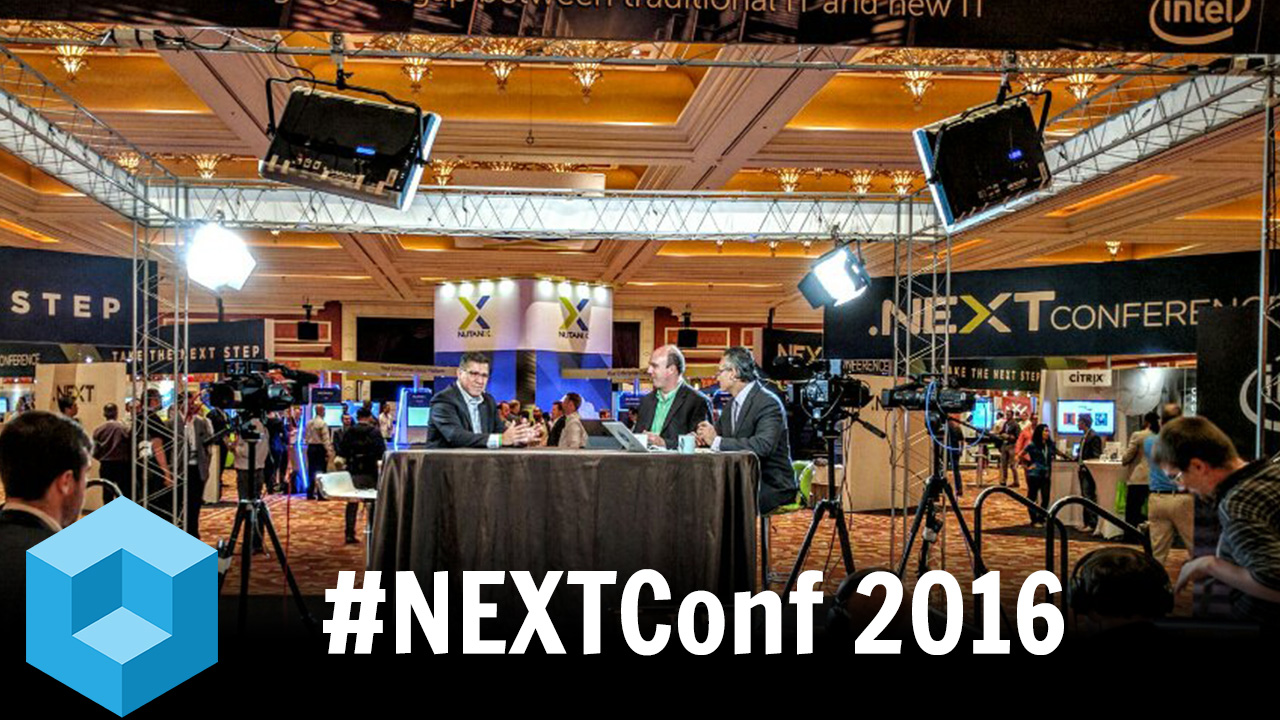
Forster spoke to Stu Miniman (@stu) and Dave Vellante (@dvellante), cohosts of theCUBE, from the SiliconANGLE Media team, during the Nutanix .NEXT Conference 2016.
He said that an additional change to the infrastructure is the introduction of hyper-convergence models. With the old system, it was only possible to move as fast as the slowest part, and that, argued Forster, killed the business. With the move to hyper-convergence, it’s now a unit of computing without needing engineers to make sure each individual piece works. It also has cut down the time involved to 10 percent of what it previously cost.
Changes to operations
With such a big shift, what happens to operations?
“When I first worked with Fitness First and they said they’d use new architecture, many people asked, ‘How is it going to affect their jobs? What does this mean?’ And I said, it’s going to mean you’re going to have a far more interesting job,” Forster recalled.
He asked his employees to think about the parts of their job they dislike and enable them to do things more quickly. Through training employees on the new systems, he managed to keep his core IT team of people who were skilled and found themselves more than capable of learning and adjusting to the new system.
The other change in operations revealed itself in what is traditionally considered to be a sign of a failing business – closing down offices. But in this case, it’s because the new way things are run allows people to access work and collaborate from anywhere. And if you can do that, why pay for admin and offices?
“You can flex, you can move, you’re not tied back,” Forster said. This way, true to Fitness First form, if you want to go to the gym at lunch time, you can do so and still get the work done outside of regular business hours but still in time for a morning meeting.
Forgot Password
Almost there!
We just sent you a verification email. Please verify your account to gain access to
Nutanix .NEXT US 2016 | Las Vegas. If you don’t think you received an email check your
spam folder.
In order to sign in, enter the email address you used to registered for the event. Once completed, you will receive an email with a verification link. Open this link to automatically sign into the site.
Register For Nutanix .NEXT US 2016 | Las Vegas
Please fill out the information below. You will recieve an email with a verification link confirming your registration. Click the link to automatically sign into the site.
You’re almost there!
We just sent you a verification email. Please click the verification button in the email. Once your email address is verified, you will have full access to all event content for Nutanix .NEXT US 2016 | Las Vegas.
I want my badge and interests to be visible to all attendees.
Checking this box will display your presense on the attendees list, view your profile and allow other attendees to contact you via 1-1 chat. Read the Privacy Policy. At any time, you can choose to disable this preference.
Select your Interests!
add
Upload your photo
Uploading..
OR
Connect via Twitter
Connect via Linkedin
EDIT PASSWORD
Share
Forgot Password
Almost there!
We just sent you a verification email. Please verify your account to gain access to
Nutanix .NEXT US 2016 | Las Vegas. If you don’t think you received an email check your
spam folder.
In order to sign in, enter the email address you used to registered for the event. Once completed, you will receive an email with a verification link. Open this link to automatically sign into the site.
Sign in to gain access to Nutanix .NEXT US 2016 | Las Vegas
Please sign in with LinkedIn to continue to Nutanix .NEXT US 2016 | Las Vegas. Signing in with LinkedIn ensures a professional environment.
Are you sure you want to remove access rights for this user?
Details
Manage Access
email address
Community Invitation
Jon Forster, Fitness First - #NEXTConf - #theCUBE
01. Jon Forster, Fitness First, visits #theCUBE!. (00:15)
02. The Move to Infrastructure and Storage with Speed and Purpose. (02:26)
03. Measuring the Business Impact of Effective Infrastructure. (05:18)
04. Daily Operations After the Transition. (07:06)
05. Cloud Talk: What Cloud is Right for You. (10:22)
06. Advantages of Standardization with Nutanix. (12:27)
07. Cloud Changes to the Operating Model. (13:33)
08. An Example of the Transformation with Nutanix. (16:11)
09. Selling the New Platform to the CFO. (18:57)
Track List created with http://www.vinjavideo.com.
--- ---
Evolving infrastructures and operations: A story of hyper-convergence | #NEXTConf
by Brittany Greaner | Jun 21, 2016
Like so many aspects of the digital world, infrastructure is advancing rapidly. Fitness First Ltd.’s Jon Forster, transitional services program manager, reminisced about how when he first started. He said IT infrastructure was a classic three-tier system and you just ran what was there. Now he sees big changes with everything being virtualized.
Forster spoke to Stu Miniman (@stu) and Dave Vellante (@dvellante), cohosts of theCUBE, from the SiliconANGLE Media team, during the Nutanix .NEXT Conference 2016.
He said that an additional change to the infrastructure is the introduction of hyper-convergence models. With the old system, it was only possible to move as fast as the slowest part, and that, argued Forster, killed the business. With the move to hyper-convergence, it’s now a unit of computing without needing engineers to make sure each individual piece works. It also has cut down the time involved to 10 percent of what it previously cost.
Changes to operations
With such a big shift, what happens to operations?
“When I first worked with Fitness First and they said they’d use new architecture, many people asked, ‘How is it going to affect their jobs? What does this mean?’ And I said, it’s going to mean you’re going to have a far more interesting job,” Forster recalled.
He asked his employees to think about the parts of their job they dislike and enable them to do things more quickly. Through training employees on the new systems, he managed to keep his core IT team of people who were skilled and found themselves more than capable of learning and adjusting to the new system.
The other change in operations revealed itself in what is traditionally considered to be a sign of a failing business – closing down offices. But in this case, it’s because the new way things are run allows people to access work and collaborate from anywhere. And if you can do that, why pay for admin and offices?
“You can flex, you can move, you’re not tied back,” Forster said. This way, true to Fitness First form, if you want to go to the gym at lunch time, you can do so and still get the work done outside of regular business hours but still in time for a morning meeting.