Glenn Nethercutt, Chief Architect and Technical Fellow, Genesys talks with Stu Miniman from New Relic FutureStack 2019 at the Grand Hyatt in New York, NY.
#futurestack #theCUBE
https://siliconangle.com/2019/09/26/qa-new-relic-one-advances-application-performance-monitoring-futurestack/
Q&A: New Relic One advances application performance monitoring
It would be nearly impossible to use legacy monitoring practices in the new hybrid cloud deployments or dynamic microservices architectures. Modern software development teams know this, and have evolved the way they keep track of their applications and infrastructure. Now, these teams are leveraging observability capabilities.
The application performance monitoring space is changing. DevOps teams no longer “have” to monitor their resources. They use observability, which is a proactive introspection of distributed systems, to discover facts. Observability is not monitoring; it is, however, the property of a system to externalize their internal state. New Relic Inc., a software analytics company, has been in the APM game for a while and now is stepping up by promising full observability to its customers. One of those promises is the New Relic One connected entity-centric observability platform.
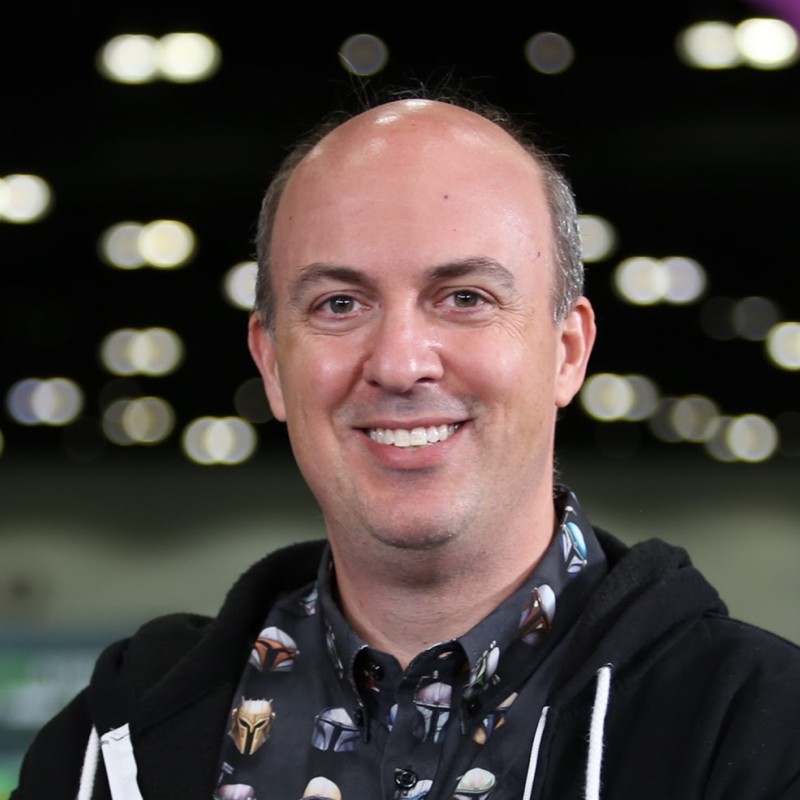
“So I was a firm believer that you need to invest early in observability and metrics, so we’ve been a day-one kind of New Relic subscriber in the PureCloud space,” said Glenn Nethercutt (pictured), chief architect and technical fellow at Genesys Telecommunications Laboratories Inc. “New Relic’s always been a partner … not just a vendor. We believe so deeply in the observability message that I want to be part of shaping that narrative.”
Nethercutt spoke with Stu Miniman (@stu), host of theCUBE, SiliconANGLE Media’s mobile livestreaming studio, during the New Relic FutureStack event in New York City. They discussed Genesys Cloud (formerly called PureCloud), New Relic One, and the APM space (see the full interview with transcript here). (* Disclosure below.)
[Editor’s note: The following answers have been condensed for clarity.]
Miniman: So, as the chief architect of [Genesys], give us a little bit about what you have your arms around and are responsible for.
Nethercutt: I have the project Genesys Cloud. So we are a public cloud offering as a [customer experience] platform. We like to think of ourselves as CX as a service. We’ve had some that use us still like a product, all shrink-wrapped, ready to go; others that want to extend us, either writing their own [user interfaces], writing their own back ends, their own integration points — we make all of that possible.
Miniman: Tell us your thoughts about New Relic One, as they said today, the first and only … observability platform.
Nethercutt: We have a fairly rigorous continuous delivery pipeline, and we are very big believers in infrastructure as code and DevOps principles. So, for us, the engineering teams don’t just own the code that they write, but they own the infrastructure definitions. They even own alert definitions, dashboard configurations, and we push that information directly into New Relic One.
Miniman: How do these modern architectures enable you to run a team?
Nethercutt: We can’t improve what we don’t measure. Everyone likes to say that, but it’s true. I have a little bit of an APM background from places past, so I was a firm believer that you need to invest early in observability and metrics, so we’ve been a day-one kind of New Relic subscriber in the PureCloud space.
Miniman: Where are you with all these various sources of data and harnessing the value of that?
Nethercutt: So we went fairly early toward the tracing part before New Relic had it as a managed thing. They had cross-app tracing … and we leverage that pretty heavily. So we do things like having correlation IDs that let us tag and follow things around. Now we just get to offload that from our team as being responsible for it, and now the platform gives it to us.
Miniman: Share a little bit if you can about what you’re talking about here at the show.
Nethercutt: So one of the big bits is entity-centric observability. The idea that we’re not just looking at servers and static infrastructure. We’re looking at things that are very ephemeral. We have a lot of dynamic scale on our platform, and we need ways to actually frame what we’re looking at at the level of microservices — and often at the level of business applications.
Miniman: Is there anything that you’re looking for beyond what was announced today from New Relic or from the ecosystem at large?
...
(* Disclosure: TheCUBE is a paid media partner for the New Relic FutureStack event. Neither New Relic Inc., the sponsor for theCUBE’s event coverage, nor other sponsors have editorial control over content on theCUBE or SiliconANGLE.)
Forgot Password
Almost there!
We just sent you a verification email. Please verify your account to gain access to
New Relic FutureStack '19. If you don’t think you received an email check your
spam folder.
In order to sign in, enter the email address you used to registered for the event. Once completed, you will receive an email with a verification link. Open this link to automatically sign into the site.
Register For New Relic FutureStack '19
Please fill out the information below. You will recieve an email with a verification link confirming your registration. Click the link to automatically sign into the site.
You’re almost there!
We just sent you a verification email. Please click the verification button in the email. Once your email address is verified, you will have full access to all event content for New Relic FutureStack '19.
I want my badge and interests to be visible to all attendees.
Checking this box will display your presense on the attendees list, view your profile and allow other attendees to contact you via 1-1 chat. Read the Privacy Policy. At any time, you can choose to disable this preference.
Select your Interests!
add
Upload your photo
Uploading..
OR
Connect via Twitter
Connect via Linkedin
EDIT PASSWORD
Share
Forgot Password
Almost there!
We just sent you a verification email. Please verify your account to gain access to
New Relic FutureStack '19. If you don’t think you received an email check your
spam folder.
In order to sign in, enter the email address you used to registered for the event. Once completed, you will receive an email with a verification link. Open this link to automatically sign into the site.
Sign in to gain access to New Relic FutureStack '19
Please sign in with LinkedIn to continue to New Relic FutureStack '19. Signing in with LinkedIn ensures a professional environment.
Are you sure you want to remove access rights for this user?
Details
Manage Access
email address
Community Invitation
Glenn Nethercutt, Genesys | New Relic FutureStack 2019
Glenn Nethercutt, Chief Architect and Technical Fellow, Genesys talks with Stu Miniman from New Relic FutureStack 2019 at the Grand Hyatt in New York, NY.
#futurestack #theCUBE
https://siliconangle.com/2019/09/26/qa-new-relic-one-advances-application-performance-monitoring-futurestack/
Q&A: New Relic One advances application performance monitoring
It would be nearly impossible to use legacy monitoring practices in the new hybrid cloud deployments or dynamic microservices architectures. Modern software development teams know this, and have evolved the way they keep track of their applications and infrastructure. Now, these teams are leveraging observability capabilities.
The application performance monitoring space is changing. DevOps teams no longer “have” to monitor their resources. They use observability, which is a proactive introspection of distributed systems, to discover facts. Observability is not monitoring; it is, however, the property of a system to externalize their internal state. New Relic Inc., a software analytics company, has been in the APM game for a while and now is stepping up by promising full observability to its customers. One of those promises is the New Relic One connected entity-centric observability platform.
“So I was a firm believer that you need to invest early in observability and metrics, so we’ve been a day-one kind of New Relic subscriber in the PureCloud space,” said Glenn Nethercutt (pictured), chief architect and technical fellow at Genesys Telecommunications Laboratories Inc. “New Relic’s always been a partner … not just a vendor. We believe so deeply in the observability message that I want to be part of shaping that narrative.”
Nethercutt spoke with Stu Miniman (@stu), host of theCUBE, SiliconANGLE Media’s mobile livestreaming studio, during the New Relic FutureStack event in New York City. They discussed Genesys Cloud (formerly called PureCloud), New Relic One, and the APM space (see the full interview with transcript here). (* Disclosure below.)
[Editor’s note: The following answers have been condensed for clarity.]
Miniman: So, as the chief architect of [Genesys], give us a little bit about what you have your arms around and are responsible for.
Nethercutt: I have the project Genesys Cloud. So we are a public cloud offering as a [customer experience] platform. We like to think of ourselves as CX as a service. We’ve had some that use us still like a product, all shrink-wrapped, ready to go; others that want to extend us, either writing their own [user interfaces], writing their own back ends, their own integration points — we make all of that possible.
Miniman: Tell us your thoughts about New Relic One, as they said today, the first and only … observability platform.
Nethercutt: We have a fairly rigorous continuous delivery pipeline, and we are very big believers in infrastructure as code and DevOps principles. So, for us, the engineering teams don’t just own the code that they write, but they own the infrastructure definitions. They even own alert definitions, dashboard configurations, and we push that information directly into New Relic One.
Miniman: How do these modern architectures enable you to run a team?
Nethercutt: We can’t improve what we don’t measure. Everyone likes to say that, but it’s true. I have a little bit of an APM background from places past, so I was a firm believer that you need to invest early in observability and metrics, so we’ve been a day-one kind of New Relic subscriber in the PureCloud space.
Miniman: Where are you with all these various sources of data and harnessing the value of that?
Nethercutt: So we went fairly early toward the tracing part before New Relic had it as a managed thing. They had cross-app tracing … and we leverage that pretty heavily. So we do things like having correlation IDs that let us tag and follow things around. Now we just get to offload that from our team as being responsible for it, and now the platform gives it to us.
Miniman: Share a little bit if you can about what you’re talking about here at the show.
Nethercutt: So one of the big bits is entity-centric observability. The idea that we’re not just looking at servers and static infrastructure. We’re looking at things that are very ephemeral. We have a lot of dynamic scale on our platform, and we need ways to actually frame what we’re looking at at the level of microservices — and often at the level of business applications.
Miniman: Is there anything that you’re looking for beyond what was announced today from New Relic or from the ecosystem at large?
...
(* Disclosure: TheCUBE is a paid media partner for the New Relic FutureStack event. Neither New Relic Inc., the sponsor for theCUBE’s event coverage, nor other sponsors have editorial control over content on theCUBE or SiliconANGLE.)