Education and innovation in Europe | #MITIDE
by Elizabeth Kays | Apr 28, 2015
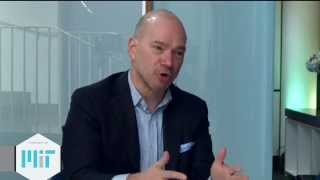
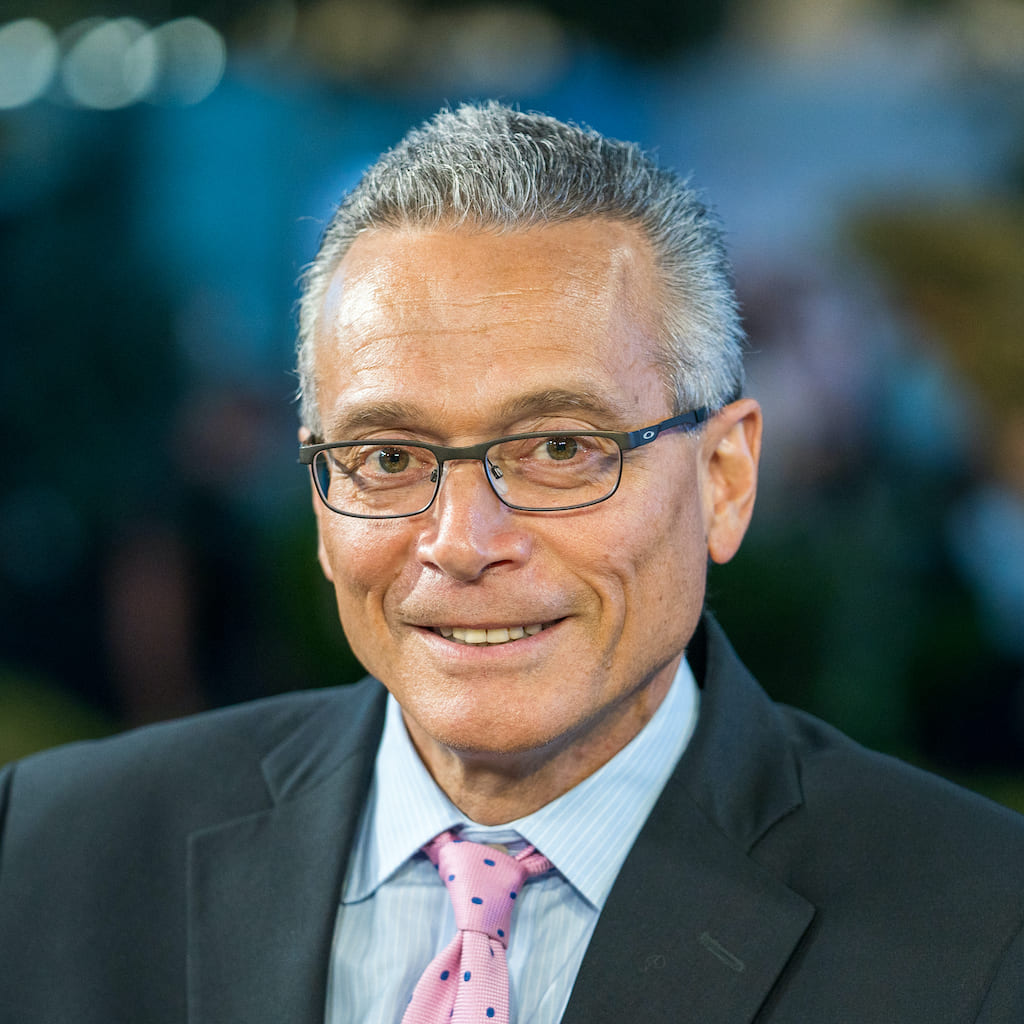
As an MIT alumnus, Jean-Jacques Degroof is passionate about education and the potential of new technology to improve the world for our children. Degroof sat down to talk to theCUBE during the MIT IDE 2015 Conference in London.
“I came out of this conference with tons of ideas in my head, of course, but one of them is about the implication of this new digital economy on education and how we need to teach our children.”
Teaching our children about the new digital economy
But before we can change our systems of education to foster more creativity, Degroof said, we also have to find ways to improve retention. In Spain, former home of Degroof’s wife, up to 35% of students drop out of high school, a statistic that is not uncommon in Southern Europe, according to Degroof.
“The way we educate children hasn’t changed much in the last 200 years,” he said, “and is no longer well adapted to this new economy. Our model of education was built when we needed to produce clerks and workers in the food factories, so basically people who repeated mechanically day after day what they were told to do. Nowadays, we need another profile of workers that have more initiative [and] creativity, but the educational methods and models have not much changed. So I think young people are indeed bored at school. So that could be one explanation, but just one small part of the story.”
More troubling is the fact that many families are entering their third generation of unemployment, even in relatively prosperous countries. When young people have never seen their parents or grandparents work, partially due to the de-industrialization in Europe, it breeds desperation. “I hear some of these young people say, ‘Why study if there is no future?’” It’s a logical, if incorrect, analysis.
Embracing the new economy
As for increasing innovation and embracing the new economy, Degroof believes this will take a major sea change across Europe. Currently, universities often try to profit from startups through high royalties or large percentages of ownership, limiting their potential for commercial success. Further, many policy makers think of entrepreneurship only as self-employment.
“It’s not to create, to grab that huge opportunity, create a company, try to make it grow, become a global leader.” There’s nothing wrong with “lifestyle companies” that provide a good living for their owners, but in order to stay competitive, Degroof remains convinced that “what our economies need, what our societies need in Europe, are growth-oriented startups.”
@theCUBE
#MITIDE
Forgot Password
Almost there!
We just sent you a verification email. Please verify your account to gain access to
MIT Initiative on the Digital Economy (IDE) "The 2nd Machine Age" 2015 | London. If you don’t think you received an email check your
spam folder.
Sign in to MIT Initiative on the Digital Economy (IDE) "The 2nd Machine Age" 2015 | London.
In order to sign in, enter the email address you used to registered for the event. Once completed, you will receive an email with a verification link. Open this link to automatically sign into the site.
Register For MIT Initiative on the Digital Economy (IDE) "The 2nd Machine Age" 2015 | London
Please fill out the information below. You will recieve an email with a verification link confirming your registration. Click the link to automatically sign into the site.
You’re almost there!
We just sent you a verification email. Please click the verification button in the email. Once your email address is verified, you will have full access to all event content for MIT Initiative on the Digital Economy (IDE) "The 2nd Machine Age" 2015 | London.
Thanks for confirming your account. Now you can access MIT Initiative on the Digital Economy (IDE) "The 2nd Machine Age" 2015 | London with this email address.
I want my badge and interests to be visible to all attendees.
Checking this box will display your presense on the attendees list, view your profile and allow other attendees to contact you via 1-1 chat. Read the Privacy Policy. At any time, you can choose to disable this preference.
Select your Interests!
add
Upload your photo
Uploading..
OR
Connect via Twitter
Connect via Linkedin
EDIT PASSWORD
Share
Forgot Password
Almost there!
We just sent you a verification email. Please verify your account to gain access to
MIT Initiative on the Digital Economy (IDE) "The 2nd Machine Age" 2015 | London. If you don’t think you received an email check your
spam folder.
Sign in to MIT Initiative on the Digital Economy (IDE) "The 2nd Machine Age" 2015 | London.
In order to sign in, enter the email address you used to registered for the event. Once completed, you will receive an email with a verification link. Open this link to automatically sign into the site.
Sign in to gain access to MIT Initiative on the Digital Economy (IDE) "The 2nd Machine Age" 2015 | London
Please sign in with LinkedIn to continue to MIT Initiative on the Digital Economy (IDE) "The 2nd Machine Age" 2015 | London. Signing in with LinkedIn ensures a professional environment.
Are you sure you want to remove access rights for this user?
Details
Manage Access
email address
Community Invitation
Jean-Jacques Degroof, MIT | MIT IDE 2015
Education and innovation in Europe | #MITIDE
by Elizabeth Kays | Apr 28, 2015
As an MIT alumnus, Jean-Jacques Degroof is passionate about education and the potential of new technology to improve the world for our children. Degroof sat down to talk to theCUBE during the MIT IDE 2015 Conference in London.
“I came out of this conference with tons of ideas in my head, of course, but one of them is about the implication of this new digital economy on education and how we need to teach our children.”
Teaching our children about the new digital economy
But before we can change our systems of education to foster more creativity, Degroof said, we also have to find ways to improve retention. In Spain, former home of Degroof’s wife, up to 35% of students drop out of high school, a statistic that is not uncommon in Southern Europe, according to Degroof.
“The way we educate children hasn’t changed much in the last 200 years,” he said, “and is no longer well adapted to this new economy. Our model of education was built when we needed to produce clerks and workers in the food factories, so basically people who repeated mechanically day after day what they were told to do. Nowadays, we need another profile of workers that have more initiative [and] creativity, but the educational methods and models have not much changed. So I think young people are indeed bored at school. So that could be one explanation, but just one small part of the story.”
More troubling is the fact that many families are entering their third generation of unemployment, even in relatively prosperous countries. When young people have never seen their parents or grandparents work, partially due to the de-industrialization in Europe, it breeds desperation. “I hear some of these young people say, ‘Why study if there is no future?’” It’s a logical, if incorrect, analysis.
Embracing the new economy
As for increasing innovation and embracing the new economy, Degroof believes this will take a major sea change across Europe. Currently, universities often try to profit from startups through high royalties or large percentages of ownership, limiting their potential for commercial success. Further, many policy makers think of entrepreneurship only as self-employment.
“It’s not to create, to grab that huge opportunity, create a company, try to make it grow, become a global leader.” There’s nothing wrong with “lifestyle companies” that provide a good living for their owners, but in order to stay competitive, Degroof remains convinced that “what our economies need, what our societies need in Europe, are growth-oriented startups.”
@theCUBE
#MITIDE